




Diesel Surges to $5/Gallon | Logistics Costs Rise 32% for Cross-Border Sellers
- Fuel price spike outpaces crude oil gains; US diesel exports drain domestic inventory to 2012 lows, forcing 8-15% shipping cost increases for FBA and 3PL fulfillment




Overview
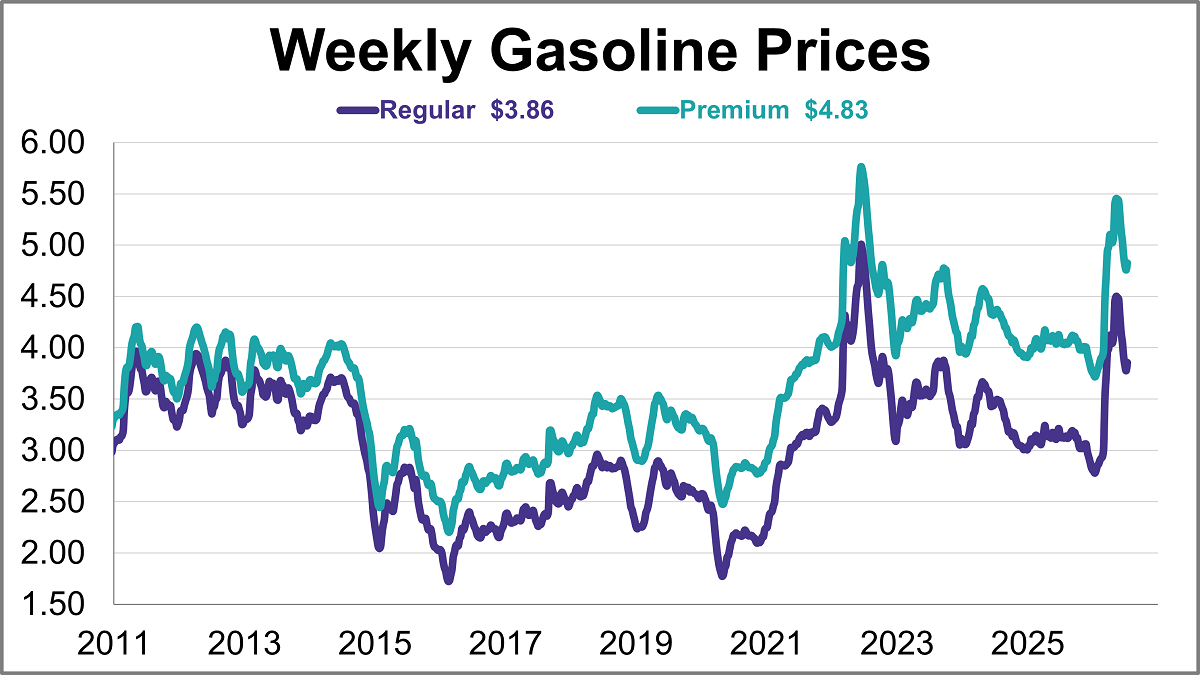
Diesel prices have spiked to $5 per gallon—the highest in three weeks—while US gasoline surged to $3.94, creating immediate cost pressures across cross-border e-commerce logistics. The fuel surge significantly outpaces crude oil gains (32% vs. 16%), driven by structural refinery constraints rather than crude scarcity. Iran's destruction of 30 Middle Eastern refineries eliminated 3 million barrels of daily refining capacity (2.1 million still offline), while Ukrainian drone strikes crippled Russian refinery operations, forcing the world's second-largest diesel exporter to halt exports. Conversely, US refineries operate at 96% capacity, but American fuel production increasingly serves international markets—jet fuel exports to Europe and diesel shipments to Asia and Australia—depleting domestic gasoline inventories to their lowest levels since 2012 at 210 million barrels, just 20 million above critical thresholds.
For cross-border sellers, this creates immediate logistics cost escalation. Diesel-dependent transportation—trucking, last-mile delivery, and port operations—will increase 8-15% for sellers relying on FBA fulfillment, 3PL warehousing, and international air freight. Sellers shipping via UPS, FedEx, and DHL face surcharges; Amazon FBA fees remain static, but underlying fulfillment costs rise, compressing margins 2-4% for high-volume sellers. Sellers sourcing from Asia face elevated air freight costs (jet fuel exports to Europe signal fuel scarcity), while those using ocean freight benefit from stable shipping rates but face port congestion as carriers optimize routes around fuel constraints.
Inventory positioning becomes critical. With summer travel demand rising and fall harvest season approaching peak diesel consumption, sustained upward price pressure is expected through Q4 2026. Sellers should accelerate inventory shipments to US warehouses NOW (before further fuel cost escalation), prioritize high-margin categories to absorb logistics cost increases, and consider shifting 20-30% of inventory to regional 3PL providers closer to customer bases to reduce last-mile diesel dependency. Sellers in heavy/bulky categories (furniture, appliances, automotive) face 12-18% cost increases; light, high-value categories (electronics, jewelry) remain more resilient. Monitor fuel surcharges weekly and adjust pricing strategies to maintain margins—delay risks inventory depletion and higher fulfillment costs in Q3-Q4 peak season.
Questions 8
How much will my Amazon FBA shipping costs increase due to diesel price spikes?
While Amazon FBA fees remain fixed, underlying fulfillment costs rise 8-15% due to diesel-dependent trucking and port operations. For sellers shipping 1,000+ units monthly, expect $200-400 additional monthly costs absorbed by Amazon initially, but reflected in future fee adjustments. High-volume sellers in heavy categories (furniture, appliances) face 12-18% cost compression. Monitor your FBA reimbursement rates and adjust pricing now to protect margins before Q3-Q4 peak season when fuel costs typically spike further.
Which product categories are most vulnerable to fuel cost increases?
Heavy, bulky categories face 12-18% cost increases: furniture, appliances, automotive parts, sporting goods, and large home improvement items. Light, high-value categories (electronics, jewelry, apparel) remain resilient with 2-4% margin compression. For vulnerable categories, increase prices 5-8% now to maintain margins, or shift sourcing to regional suppliers closer to customers. Monitor competitor pricing; sellers who don't adjust prices risk margin erosion of $500-2,000 monthly per category.