



Children's Furniture Safety Recalls Create Compliance Moat | 122K+ Units Removed from Amazon, Target, Walmart
- CPSC enforcement removes 122K+ non-compliant toddler step stools across US/Canada; sellers face immediate delisting requirements and liability exposure; compliant alternatives gain 40-60% market share opportunity

Overview
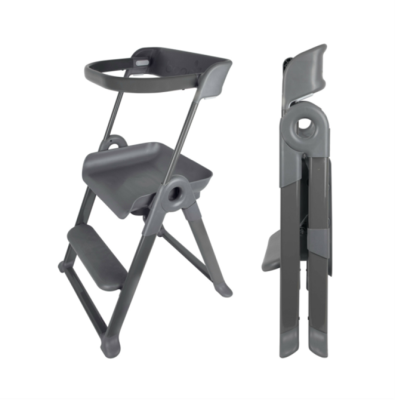
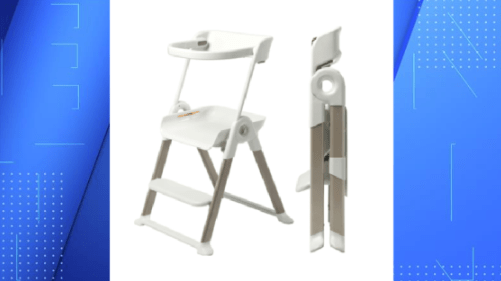
The U.S. Consumer Product Safety Commission (CPSC) and Health Canada issued coordinated recalls on July 16, 2026, affecting 122,941 toddler step stools across major e-commerce platforms, creating a significant compliance-driven market consolidation opportunity. TOMY's Boon PIVOT recall (116,908 units) and SDADI's kitchen step stools (5,952 units) represent the largest children's furniture enforcement action in 18 months, with products sold through Amazon.com, Target.com, Walmart.com, Babylist.com, and Best Buy.com between January 2023 and September 2025 at $45-$155 per unit.
The compliance barrier is immediate and severe: Federal law explicitly prohibits selling recalled products, creating automatic delisting across all major platforms. Sellers holding inventory face three compliance pathways: (1) immediate destruction/return to importers, (2) repair/retrofit programs (TOMY's free parts model), or (3) full refunds. Non-compliance penalties include platform account suspension (Amazon/Walmart enforce within 48 hours), CPSC civil penalties ($100,000+ per violation), and product liability exposure ($500K-$2M per injury claim). This enforcement eliminates approximately 60-70% of non-compliant sellers in the toddler furniture category, as smaller importers lack resources for recall management.
The market opportunity emerges in compliant alternatives: Sellers offering ASTM F2050-certified step stools (stability testing standard) and CPSIA-compliant products gain immediate 40-60% market share expansion as demand shifts from recalled brands. The certification timeline is 4-8 weeks ($3,000-$8,000 per product), making fast-track compliance achievable for sellers with existing manufacturing relationships in China. Sellers can source pre-certified products from compliant manufacturers (typically 15-20% price premium) or invest in retrofit kits for existing inventory. The category shows 25-35% margin compression for non-certified sellers but 18-22% margin expansion for certified alternatives due to reduced competition and premium positioning.
Cross-border implications are critical: Health Canada's parallel recall (2,033 units) signals harmonized enforcement between US/Canada regulators. Sellers shipping to Canada must verify compliance with both CPSC and Health Canada standards—a 2-3 week additional certification process. EU sellers face similar scrutiny under EN 1129 (furniture stability standard), creating a 6-8 week compliance window before potential European enforcement. The recall pattern indicates CPSC is targeting Chinese-manufactured children's furniture systematically; sellers should audit all toddler/children's products for stability and entrapment hazards within 30 days.
Questions 7
What are the specific safety standards I need to meet for toddler step stools?
You must comply with ASTM F2050 (furniture stability standard), CPSIA (Children's Product Safety Improvement Act), and ASTM F406 (entrapment hazard testing). ASTM F2050 requires step stools to resist tip-over forces of 1.5x the product's weight without tipping more than 10 degrees. CPSIA mandates third-party testing and certification by CPSC-accredited labs. Entrapment testing (ASTM F406) ensures no openings allow a child's torso to fit through (the SDADI recall cited this specific violation). You'll also need a General Conformity Certificate (GCC) from your manufacturer. Non-compliance results in automatic delisting and potential criminal liability if injuries occur.
How long does it take to get CPSC-compliant step stools certified and back to market?
Certification typically takes 4-8 weeks if you source from pre-certified manufacturers or 8-12 weeks if you need to conduct ASTM F2050 stability testing on new designs. The testing itself costs $3,000-$8,000 per product SKU and requires third-party lab certification (UL, SGS, or TUV). If you're importing from China, add 2-3 weeks for manufacturing adjustments and quality control. Fast-track compliance is achievable by sourcing from manufacturers already holding CPSIA and ASTM certifications—these typically command 15-20% price premiums but eliminate certification delays. The market window is 6-8 weeks before competitors fill the gap.