
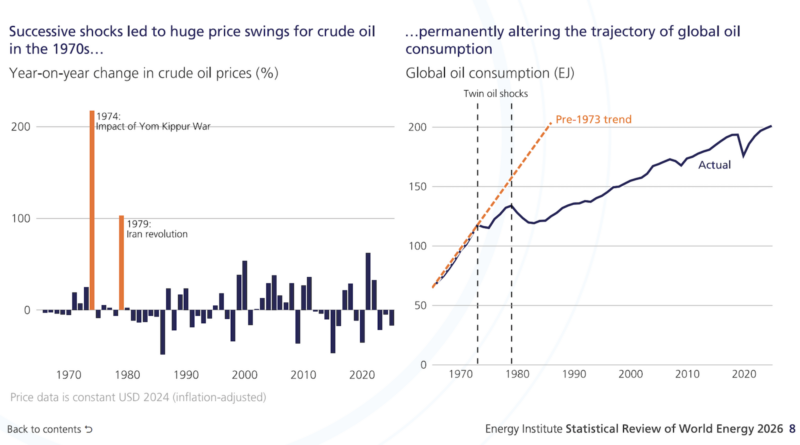


Red Sea Shipping Crisis Drives 12% Oil Surge | Cross-Border Sellers Face 10-14 Day Transit Delays
- Brent crude hits $86.03/barrel; freight costs surge 4-6 weeks out; Asia-Europe routes add 10-14 days via Cape of Good Hope reroute




















Overview
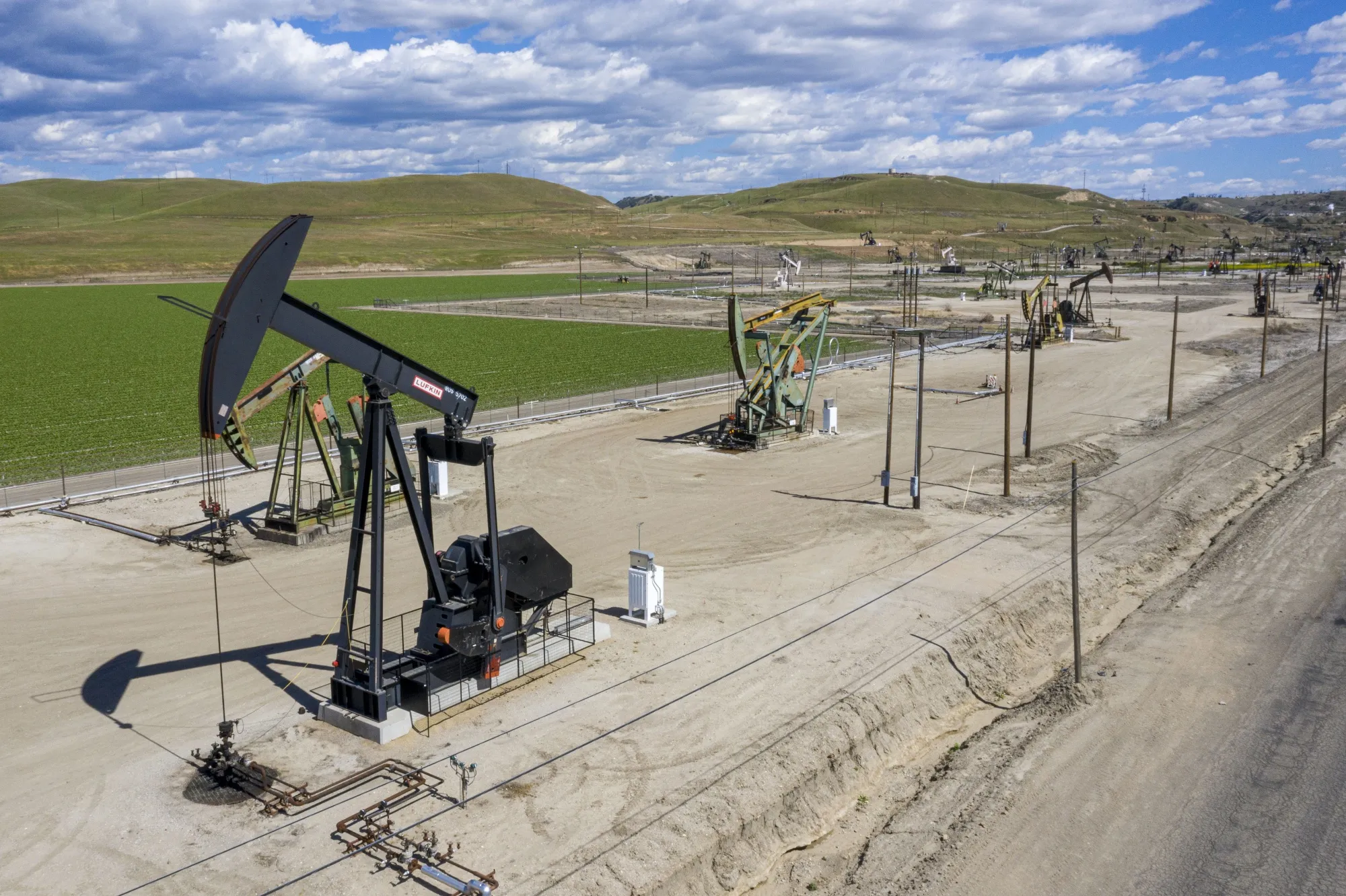
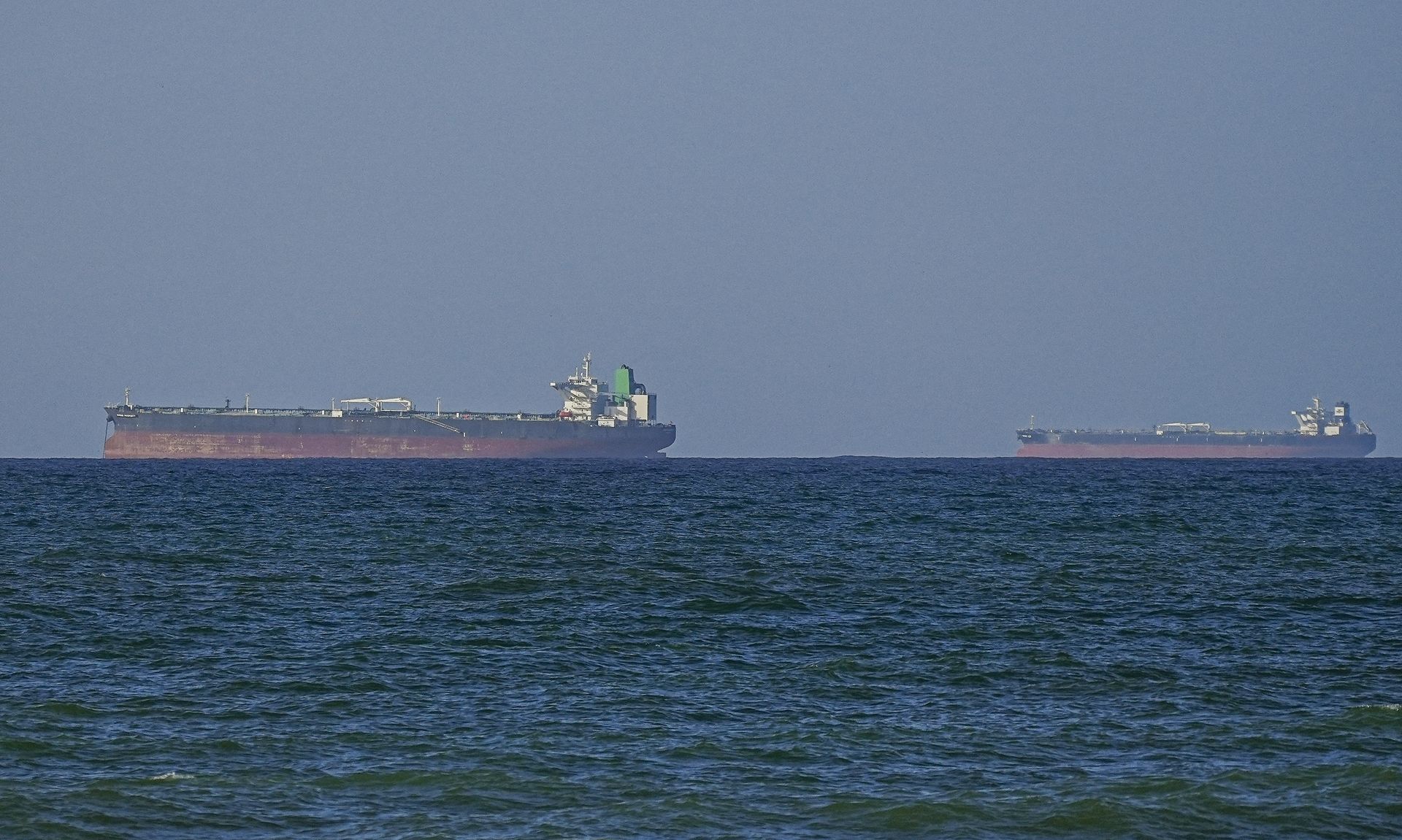
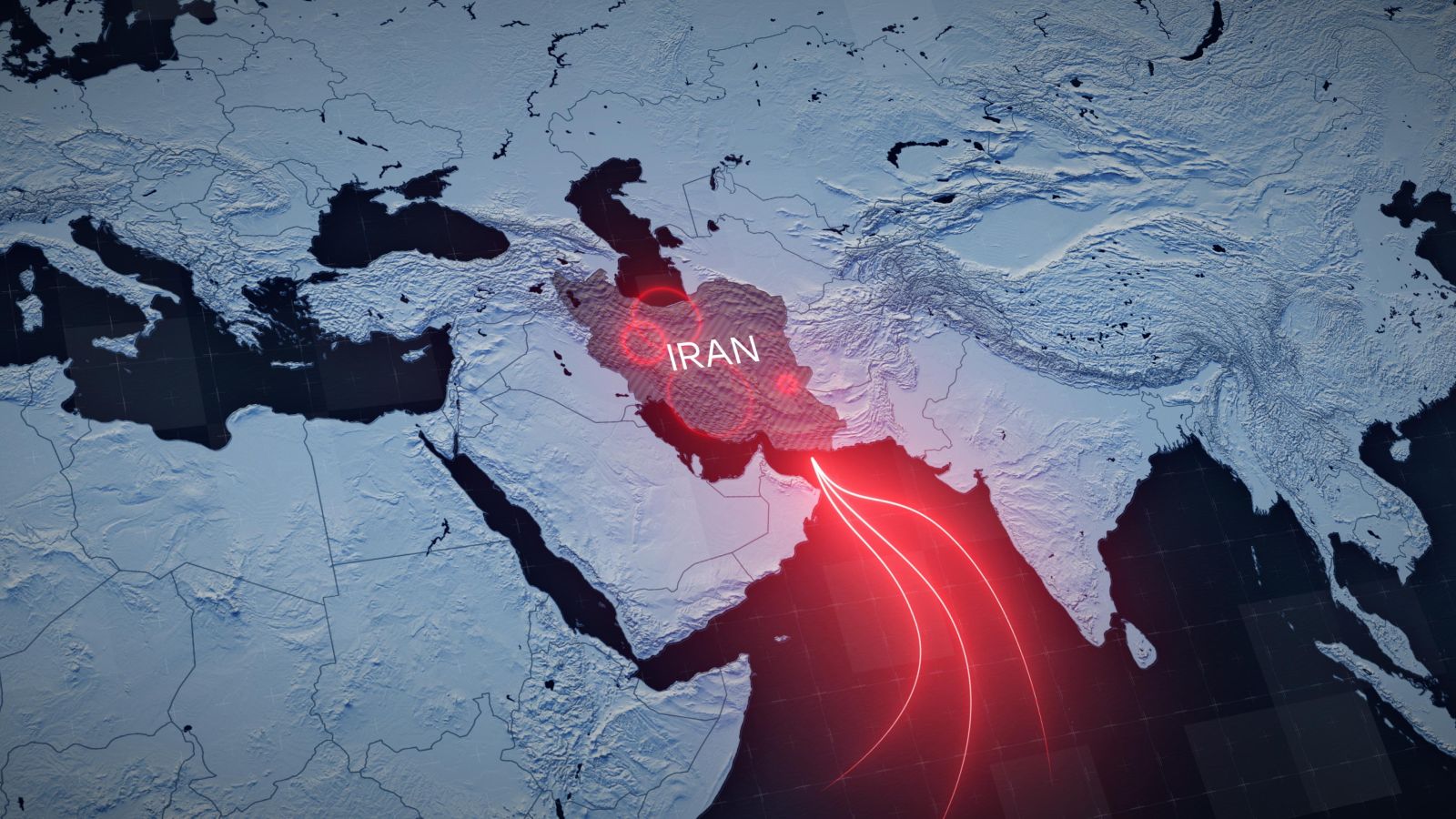
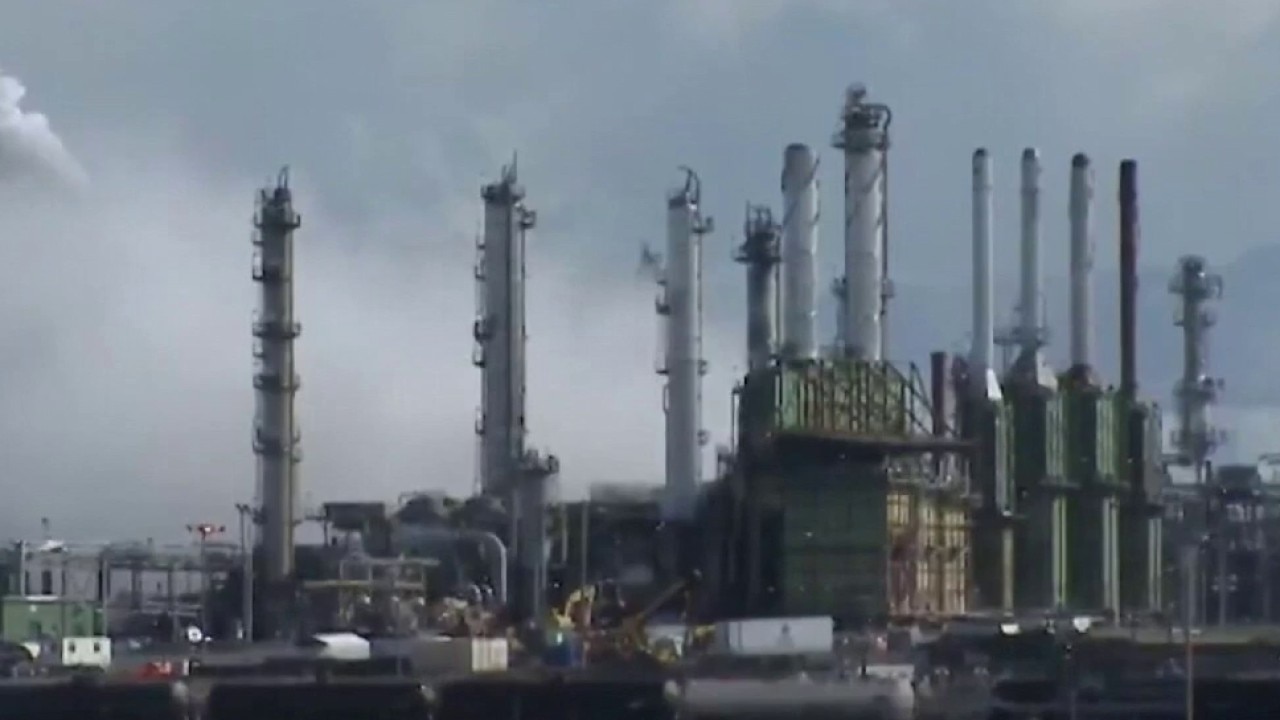
Escalating US-Iran military tensions have triggered a 12% oil price surge (Brent crude to $86.03/barrel, WTI to $80.99), directly threatening cross-border e-commerce logistics costs through multiple supply chain pressure points. The Red Sea—handling 12% of global maritime trade and connecting Asia to Europe via the Suez Canal—faces potential closure from Houthi-Iran coordination, while the Strait of Hormuz (20% of global oil supply) remains disrupted by military strikes. This geopolitical crisis creates immediate and cascading impacts for international sellers.
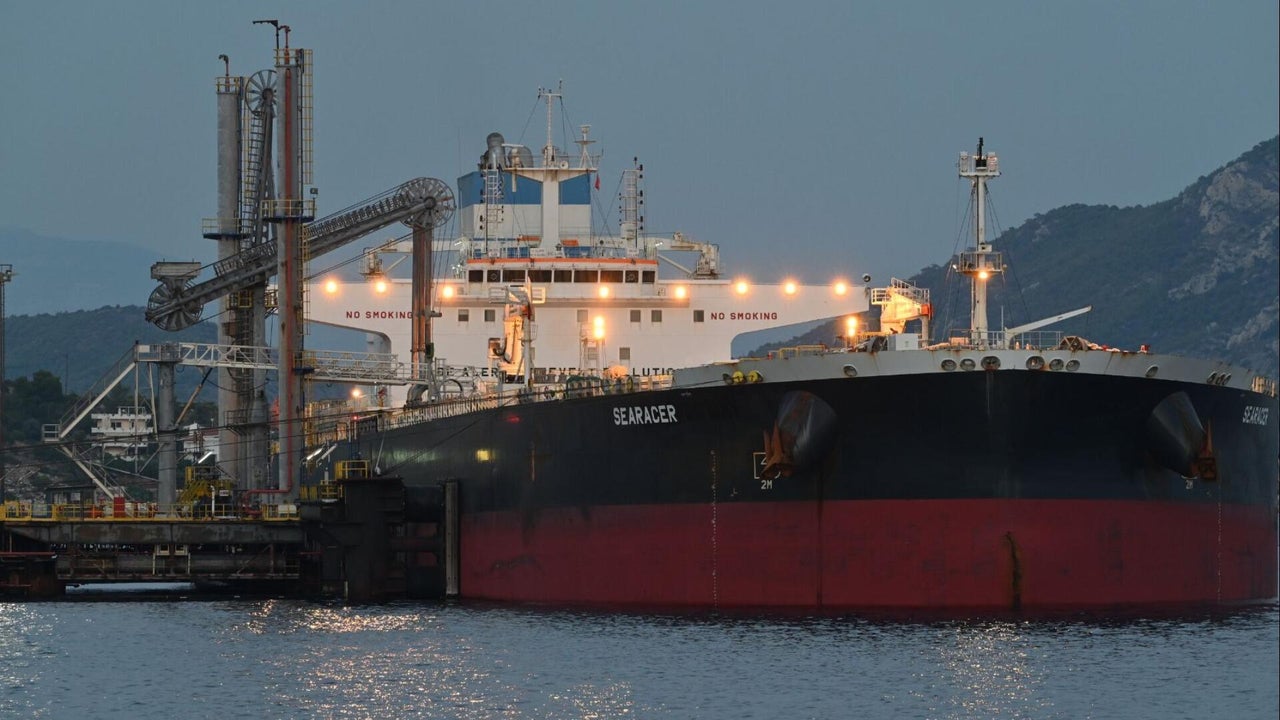
For ocean freight shippers, the operational impact is severe and time-sensitive. Freight forwarding companies typically pass fuel surcharges to shippers within 4-6 weeks, meaning sellers shipping from Asia to Europe/North America will face 8-15% cost increases on ocean freight by late January 2025. A Red Sea closure would force vessels to reroute around Africa's Cape of Good Hope, adding 10-14 days to transit times and increasing shipping expenses by 25-40% compared to current Suez routes. Sellers relying on air freight face immediate cost pressures, as fuel surcharges apply within days. This particularly impacts time-sensitive categories: electronics (high-value, fast-moving), apparel (seasonal inventory), and beauty products (expiration-sensitive). Sellers shipping 500+ units monthly from China/Vietnam to US/EU markets will see margin compression of 3-8% unless they adjust pricing or shift to slower ocean freight with extended lead times.
Strategic sourcing and inventory positioning become critical competitive advantages. Sellers with diversified sourcing (Vietnam, India, Indonesia alongside China) can reduce exposure to Asia-Europe route disruptions. Those holding inventory in EU/US fulfillment centers can maintain delivery speed without Red Sea dependency. Conversely, sellers dependent on just-in-time inventory from China face stockout risks if transit times extend 10-14 days. The 4-6 week fuel surcharge lag creates a narrow window: sellers can lock in current freight rates through mid-January before cost increases hit. Small sellers (under 100 units/month) may absorb costs; mid-market sellers (100-1000 units/month) must adjust pricing 5-12%; large sellers (1000+ units/month) can negotiate volume discounts or shift to alternative routes. The International Energy Agency warns conditions may worsen "in the next few weeks," suggesting this is not a temporary spike but a sustained elevated-cost environment through Q1 2025.
Immediate actions focus on supply chain resilience and pricing strategy adjustments. Sellers should audit current freight bookings (lock rates before 4-6 week surcharge window closes), evaluate 3PL providers for alternative routing options, and model pricing scenarios for 8-15% cost increases. Consider shifting 20-30% of inventory to regional fulfillment centers (EU/US) to reduce Red Sea dependency. Monitor daily oil prices and geopolitical developments—a diplomatic breakthrough could reverse costs within days, while escalation could trigger Red Sea closure and 25-40% cost spikes. For time-sensitive categories, pre-position inventory now before transit times extend. Avoid air freight unless margins support 15-25% cost premiums. Communicate transparently with customers about potential shipping delays (10-14 days added) to manage expectations and reduce return rates from delayed deliveries.
Questions 7
Should I shift sourcing away from China due to Red Sea risks?
Diversification reduces risk but doesn't eliminate it—Vietnam, India, and Indonesia also ship through Red Sea/Suez routes. Instead of full sourcing shifts, consider a 70/30 split: 70% from primary China suppliers, 30% from Vietnam/India to hedge geopolitical exposure. This maintains cost efficiency while reducing single-route dependency. Evaluate each supplier's shipping route options; some can reroute through alternative ports (Singapore, Port Said) with minimal cost premium. For high-margin products, Vietnam sourcing (slightly higher unit costs but lower shipping risk) becomes attractive.
Which product categories are most vulnerable to shipping delays?
Time-sensitive categories face the highest risk: electronics (fast inventory turnover, high value), apparel (seasonal inventory windows), beauty/cosmetics (expiration dates), and perishables. A 10-14 day delay can cause stockouts during peak selling seasons or inventory obsolescence for trend-driven products. Sellers in these categories should pre-position inventory in US/EU fulfillment centers now to maintain delivery speed without Red Sea dependency. Slower-moving categories (home goods, furniture) can absorb extended transit times more easily.