


Canadian Product Recall Signals Tightening Kitchen Safety Standards | Seller Compliance Opportunity
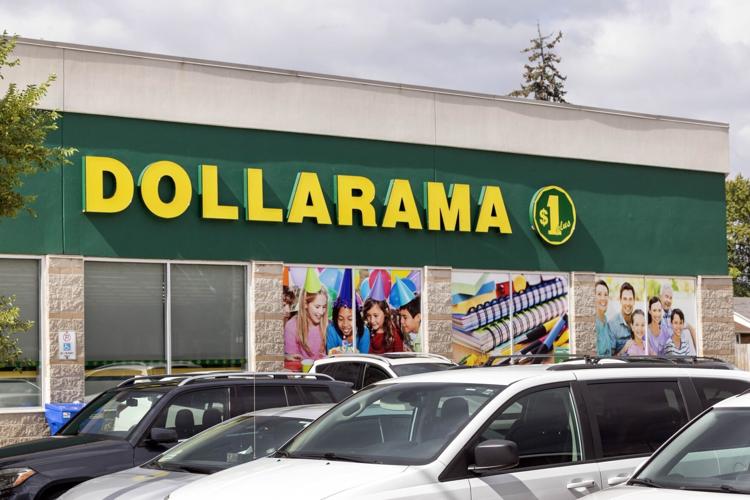
- Dollarama's 1,400+ store recall demonstrates Health Canada enforcement intensity; sellers face 30-60 day compliance windows for food-contact kitchen products across Canada




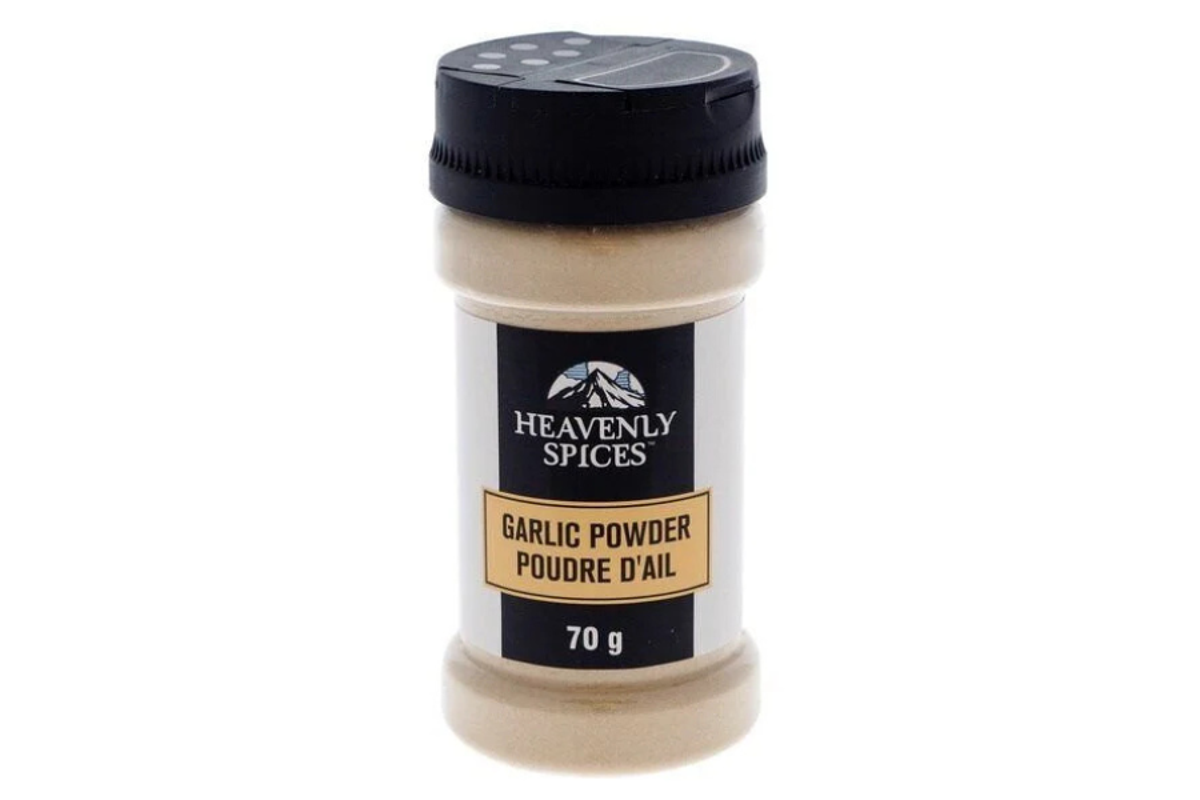


.png)


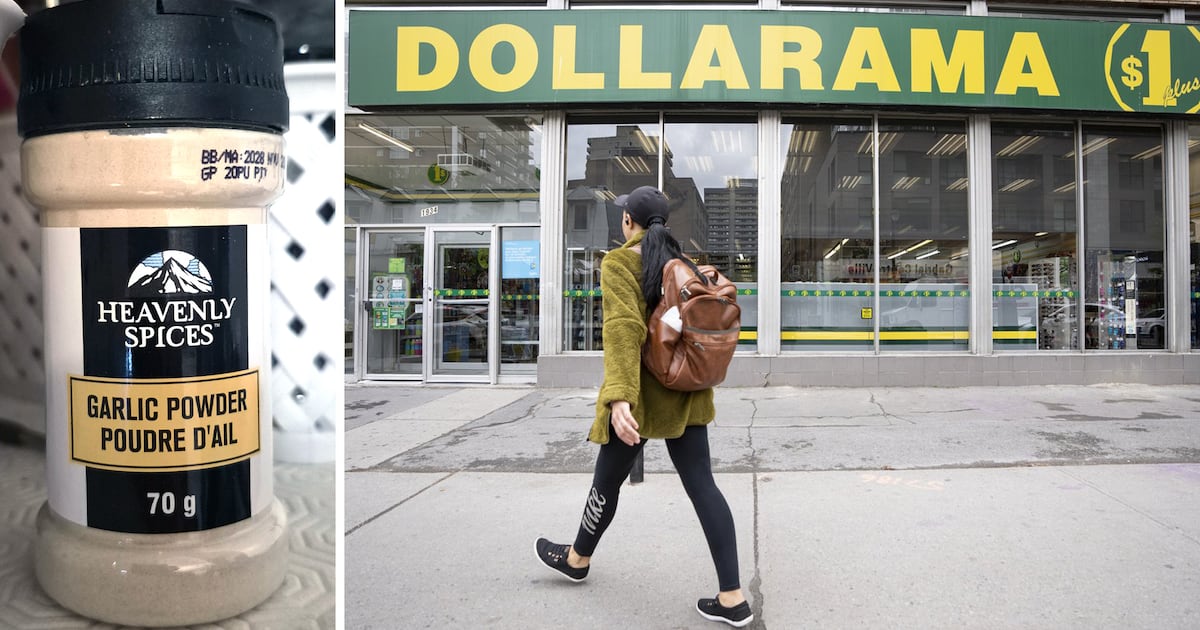








Overview
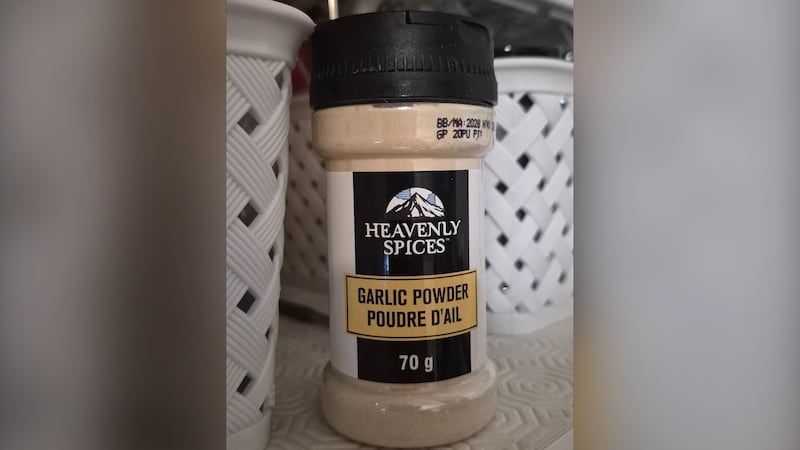
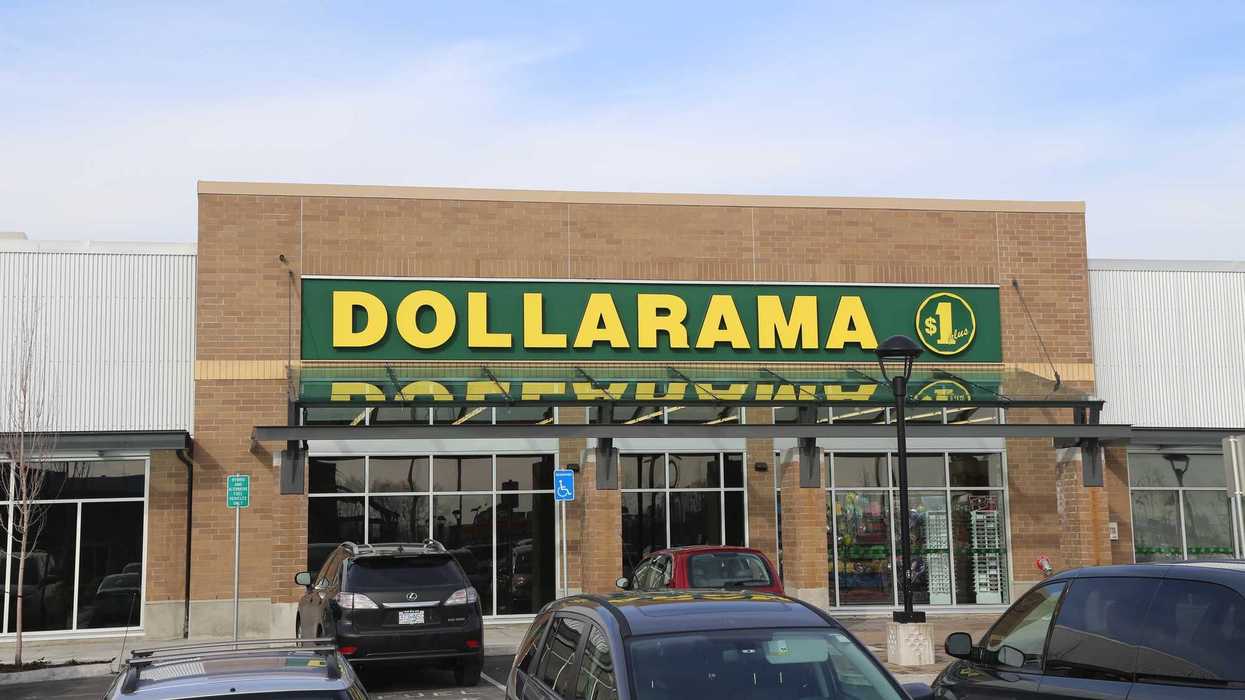
Dollarama's recall of a kitchen item due to microbial contamination represents a critical inflection point for cross-border sellers targeting the Canadian discount retail market. The recall, affecting Dollarama's 1,400+ locations nationwide, demonstrates that Health Canada and the Canadian Consumer Product Safety Act (CCPSA) are actively enforcing food-contact product standards with zero tolerance for microbial risks. This incident creates a compliance moat: sellers who implement rigorous supplier quality assurance and microbial testing protocols will capture market share from non-compliant competitors being forced out.
The immediate compliance impact is severe for kitchen product sellers. Food-contact items (cutting boards, food storage containers, utensils, prep surfaces) now face heightened scrutiny under Health Canada's microbial contamination standards. Sellers sourcing from Asia-Pacific suppliers must implement third-party microbial testing (typically $500-2,000 per batch) and maintain documentation proving compliance with Canadian food safety regulations. The recall's swift execution—Dollarama's rapid response across 1,400 stores—signals that Health Canada is actively monitoring retail channels and will enforce recalls aggressively. Non-compliant sellers face inventory seizures, refund obligations, and reputational damage that can eliminate 40-60% of non-certified competitors within 90 days.
For cross-border sellers on Amazon.ca, eBay.ca, and Shopify, this creates a 30-60 day compliance window. Sellers must obtain microbial testing certifications (ISO 22000, HACCP compliance) before restocking kitchen products. The cost structure: $1,500-3,000 for initial testing, $300-500 per batch for ongoing verification, plus 2-3 week certification timelines. Sellers who achieve compliance first will dominate the "kitchen essentials" category as non-compliant inventory gets delisted. The recall also signals that Dollarama—Canada's largest discount retailer—will demand supplier certifications, creating a B2B compliance service opportunity for testing labs and quality assurance consultants.
Alternative product strategies emerge: Sellers can pivot to kitchen items with lower microbial risk (non-food-contact products like measuring cups, mixing bowls without food contact claims, or decorative items). Alternatively, sellers can source from certified suppliers in North America or EU (where microbial standards are already established), reducing compliance costs by 40-50% compared to Asian suppliers requiring new testing protocols.
Questions 8
How does the Dollarama recall affect sellers on Amazon.ca and other Canadian marketplaces?
Amazon.ca, eBay.ca, and Shopify enforce Health Canada compliance as a condition of selling kitchen products. The Dollarama recall signals intensified enforcement—marketplaces will likely require sellers to provide microbial testing documentation before listing food-contact items. Sellers currently listing kitchen products without certifications face 30-60 day delisting windows. The recall also creates a competitive advantage for compliant sellers: as non-compliant competitors are removed, compliant sellers capture 40-60% higher market share in kitchen categories. Sellers should immediately audit their kitchen product listings, obtain required certifications, and upload documentation to marketplace compliance dashboards within 30 days to avoid suspension.
What compliance standards must kitchen product sellers meet to sell in Canada after the Dollarama recall?
Kitchen products sold in Canada must comply with Health Canada's food-contact material standards under the Canadian Consumer Product Safety Act (CCPSA). For items that contact food, sellers must obtain microbial testing certifications (ISO 22000 or HACCP compliance) proving the product is free from pathogenic bacteria, mold, and other contaminants. The Dollarama recall demonstrates Health Canada actively enforces these standards—non-compliant products face immediate delisting and inventory seizure. Sellers should budget $1,500-3,000 for initial third-party microbial testing and $300-500 per batch for ongoing verification. Compliance timelines typically run 2-3 weeks, making immediate action critical for sellers with existing kitchen inventory.