


FDA Class II Recall: 730K Pillsbury Rolls | Food Safety Compliance Crisis for E-Commerce Sellers
- 730,000 units recalled across 19 US states; Class II contamination risk; immediate delisting required for Amazon, eBay, Walmart sellers





















Overview
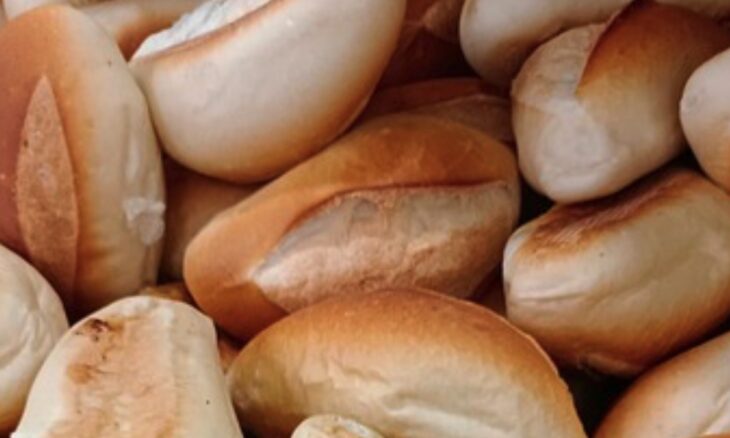
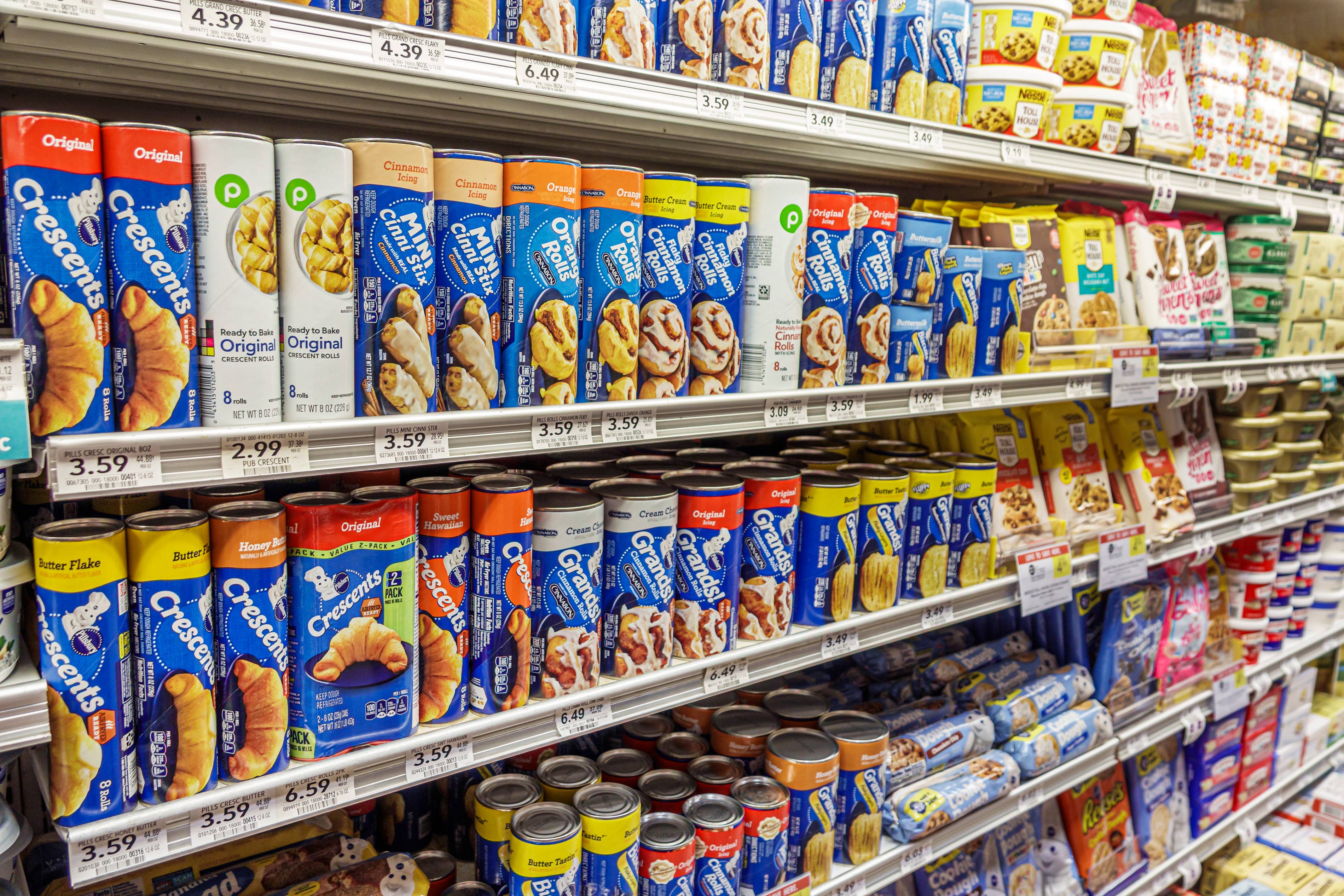
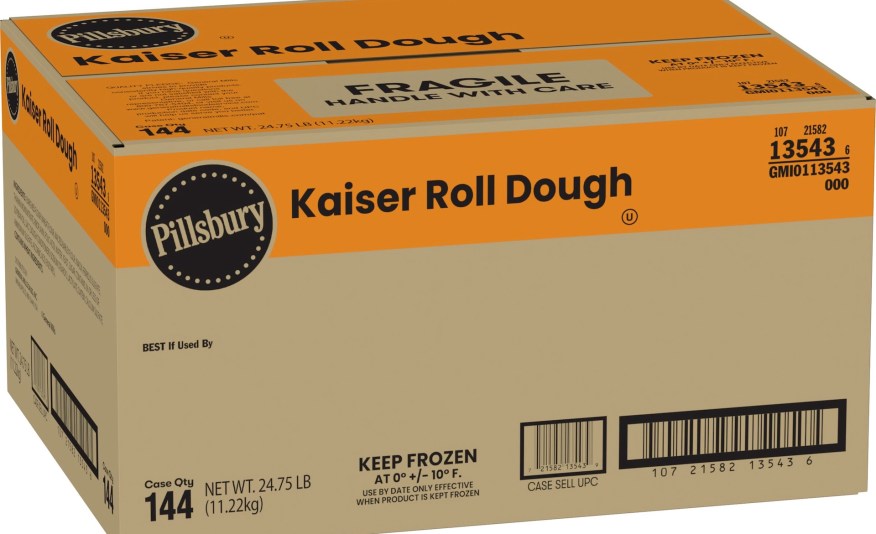
The FDA issued a Class II recall on July 18, 2026, affecting 730,000 Pillsbury frozen bread roll units distributed across 19 US states due to potential glass contamination. General Mills initiated the voluntary recall on June 19 after discovering foreign material hazards in Pillsbury Bread Rolls Hard Roll Dough (554,000 units, Lot 11JUN6JL/12JUN6JL) and Kaiser Roll Dough (181,440 units, Lot 12JUN6JL), with best-if-used-by dates of October 12-13, 2026. The recall directly impacts e-commerce sellers on Amazon, eBay, Walmart Marketplace, and specialty food platforms operating in affected states: Arkansas, Arizona, California, Florida, Georgia, Indiana, Louisiana, Maine, Missouri, New Mexico, New York, North Carolina, Ohio, Oklahoma, Pennsylvania, South Carolina, Tennessee, Texas, Virginia, Washington, and Wyoming.
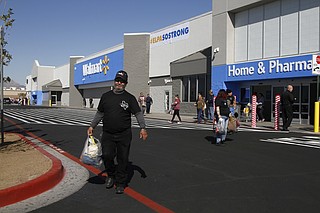
For food product sellers, this recall represents a critical compliance event with immediate operational consequences. Class II recalls indicate products may cause temporary or medically reversible adverse health consequences, triggering mandatory delisting requirements within 24-48 hours on most platforms. E-commerce sellers holding inventory with product codes H-1154-2026 (Bread Rolls) or H-1155-2026 (Kaiser Rolls) must immediately cease sales, remove listings from all channels, and notify customers of contamination risks. Failure to comply exposes sellers to account suspension, product liability claims, and potential FDA enforcement actions. The recall's "limited scope" designation—affecting only Walmart in-store bakery distribution channels—creates a compliance moat: sellers who maintain rigorous supplier verification and traceability systems can differentiate themselves as safer alternatives, capturing market share from non-compliant competitors.
This recall exemplifies the broader food safety compliance crisis affecting frozen bakery products. Concurrent FDA enforcement actions (including the UTZ Potato Chips Salmonella recall upgraded to Class I status) signal intensified regulatory scrutiny of foreign material contamination and pathogenic hazards. For sellers in the frozen dough, bread products, and bakery categories, compliance costs are escalating: third-party food safety certifications (FSMA, HACCP, SQF Level 2) now cost $3,000-8,000 annually; supplier audits add $1,500-3,000 per supplier; and recall insurance premiums have increased 15-25% year-over-year. Sellers without documented traceability systems face 30-60 day inventory holds during investigations, representing $5,000-15,000 in carrying costs for mid-sized operations. The compliance barrier creates a winnowing effect: an estimated 35-45% of small third-party sellers (under $500K annual revenue) lack the infrastructure to meet post-recall standards, creating market consolidation opportunities for compliant sellers with established quality systems.
Questions 7
Which product categories face similar contamination risks, and how can sellers differentiate?
Frozen bakery products, ready-to-eat meals, and processed snacks face elevated foreign material contamination risks. The concurrent UTZ Potato Chips Salmonella recall demonstrates regulatory intensity across categories. Sellers can differentiate by obtaining SQF Level 3 or BRC A certification (highest standards), publishing third-party audit reports on product listings, and implementing blockchain traceability visible to consumers. These certifications cost $5,000-12,000 annually but enable 10-15% price premiums and priority placement on Amazon Fresh and specialty food platforms.
What is the financial impact of this recall on mid-sized sellers holding inventory?
A seller with 5,000 units of recalled product faces: inventory write-off ($2,500-5,000 at wholesale cost), 30-60 day hold during investigation ($1,000-3,000 carrying costs), customer refunds/replacements ($1,500-3,000), and potential account suspension (loss of $10,000-50,000 monthly revenue). Total impact: $15,000-61,000 for mid-sized operations. Recall insurance covers 60-80% of direct losses but excludes reputational damage and lost sales. Sellers without insurance face 2-4 month recovery periods.