




CPSC Children's Footwear Recall Creates Compliance Barrier for 200K+ Units | Sellers Must Verify Safety Standards
- Target recalls 211,000 Cat & Jack sandals (July 2026) for detachable pearl choking hazard; CPSC enforcement signals heightened scrutiny of children's products with decorative elements across e-commerce platforms




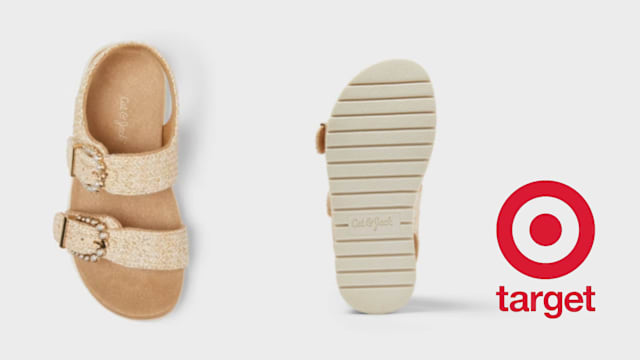
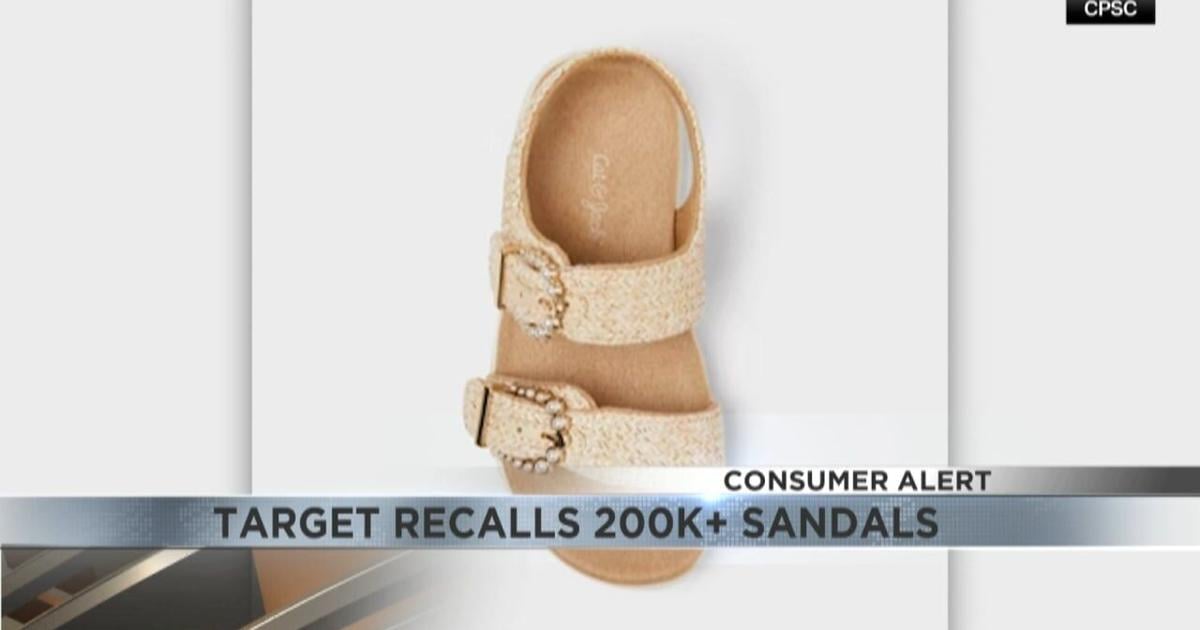
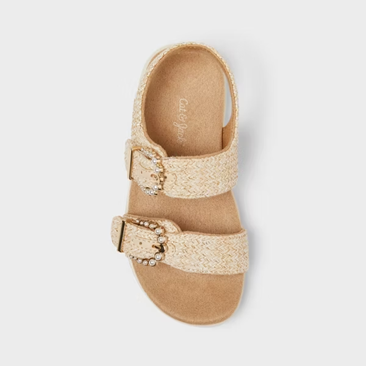







Overview
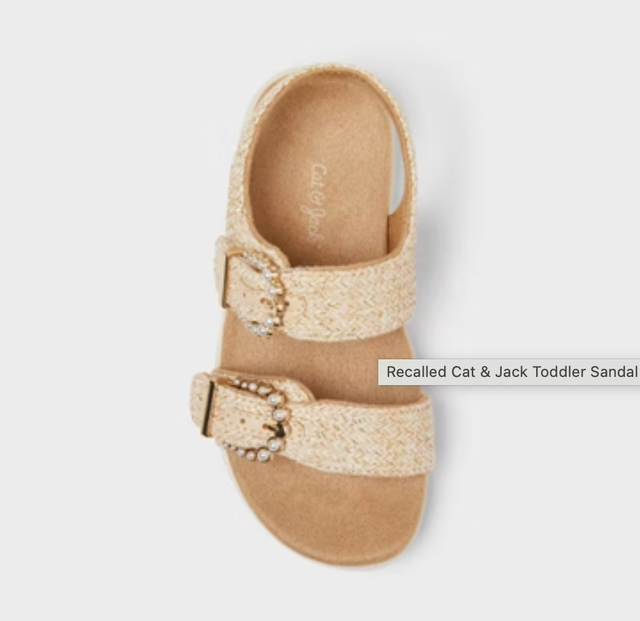
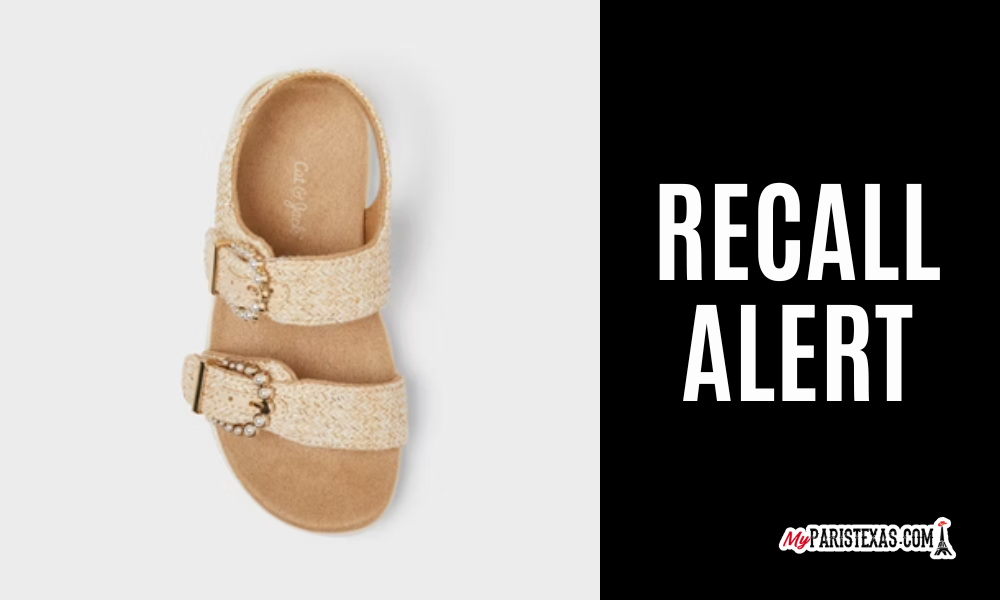
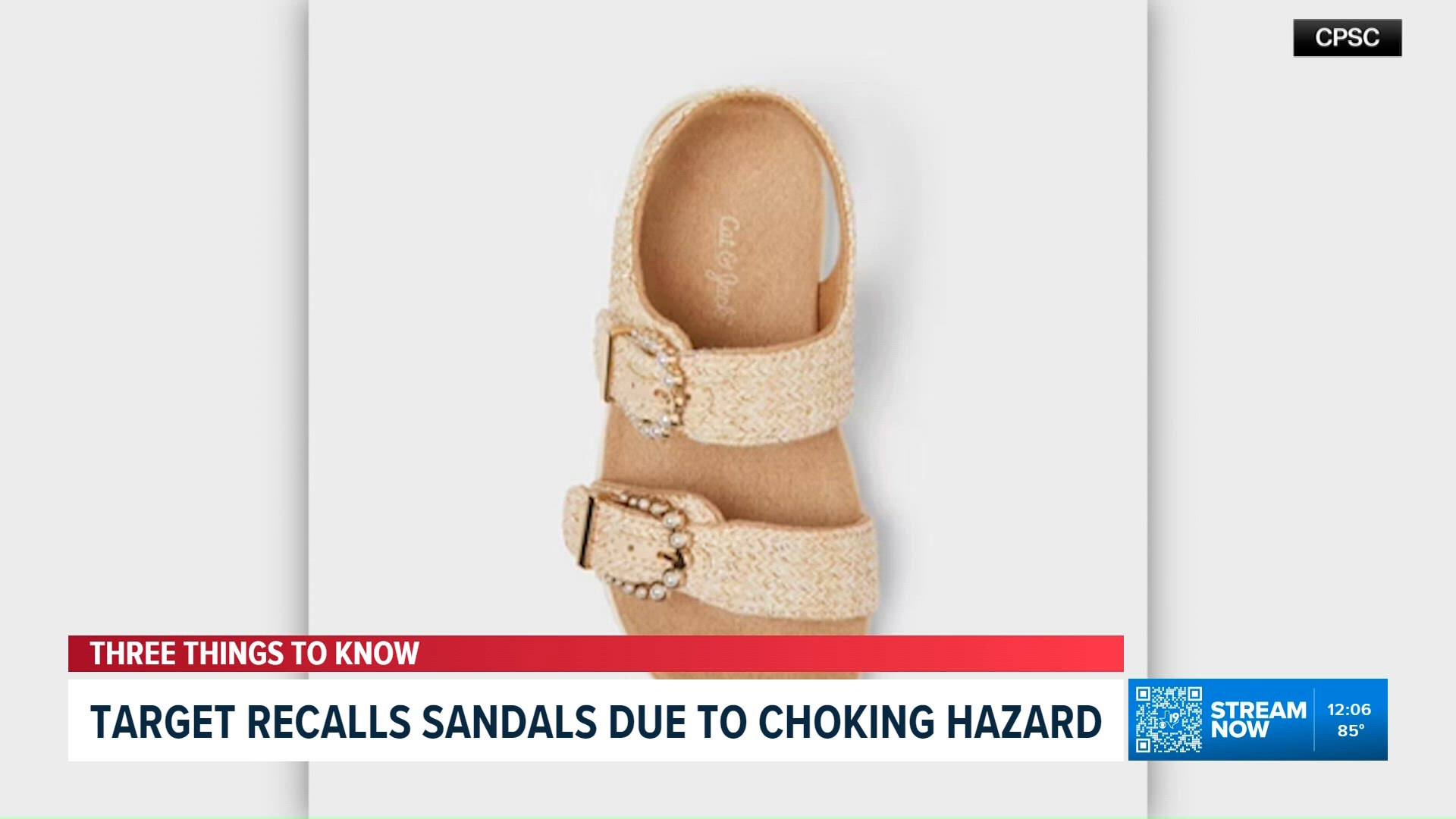
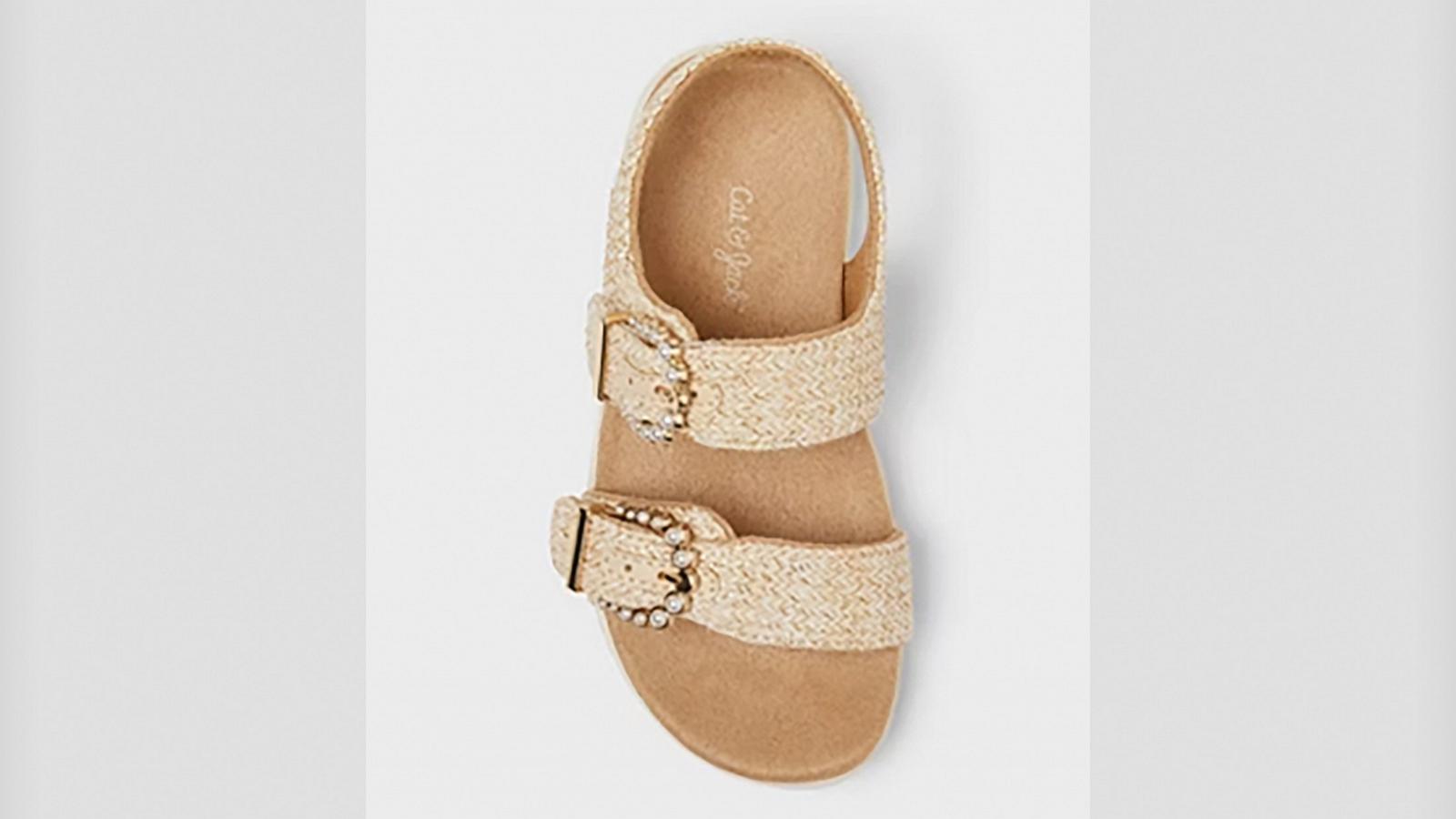
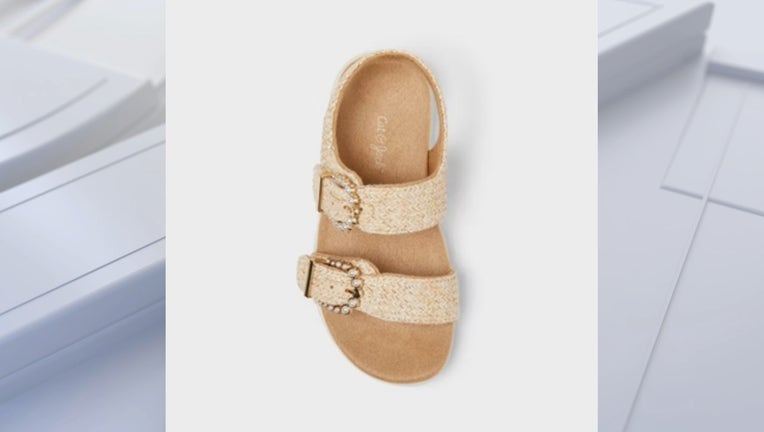
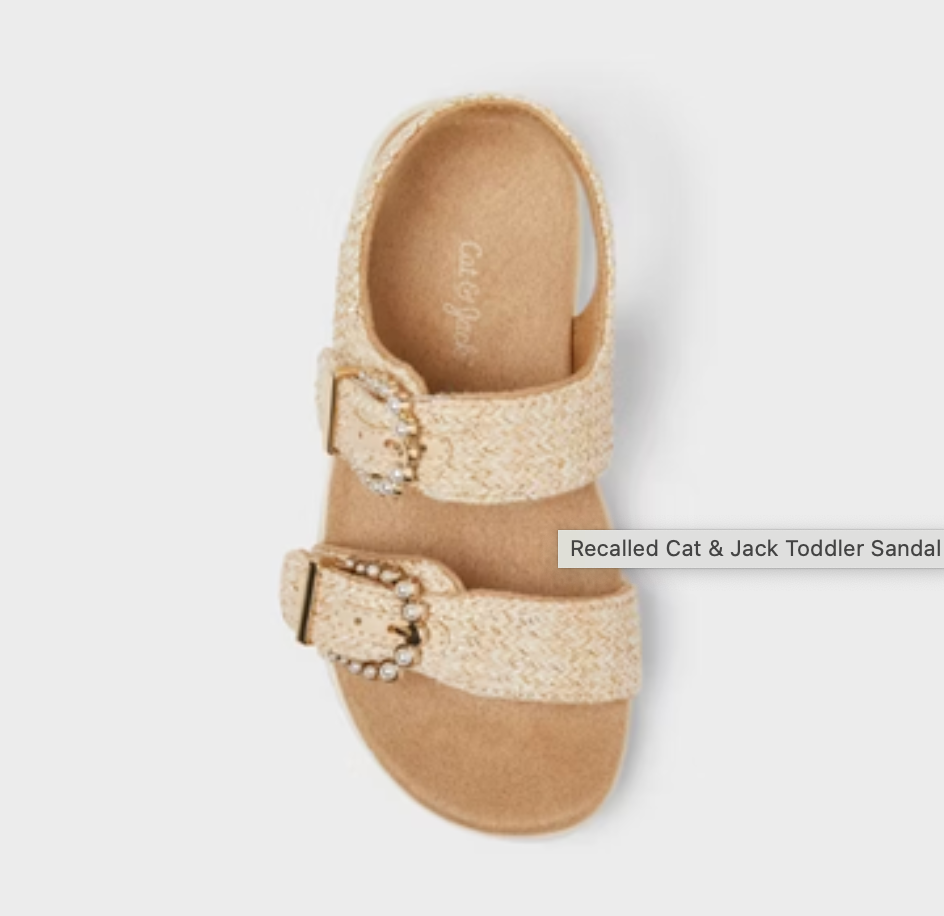
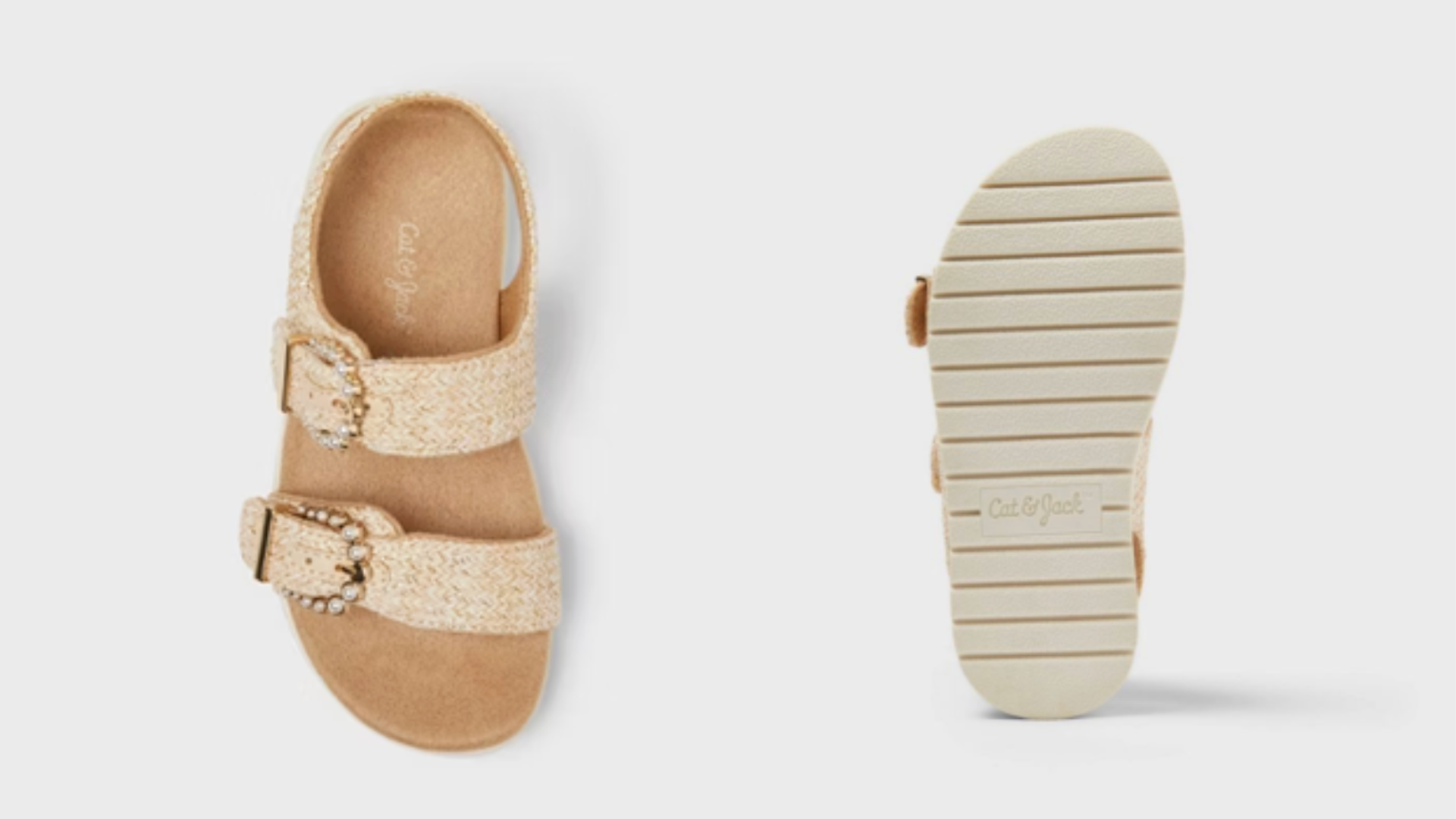
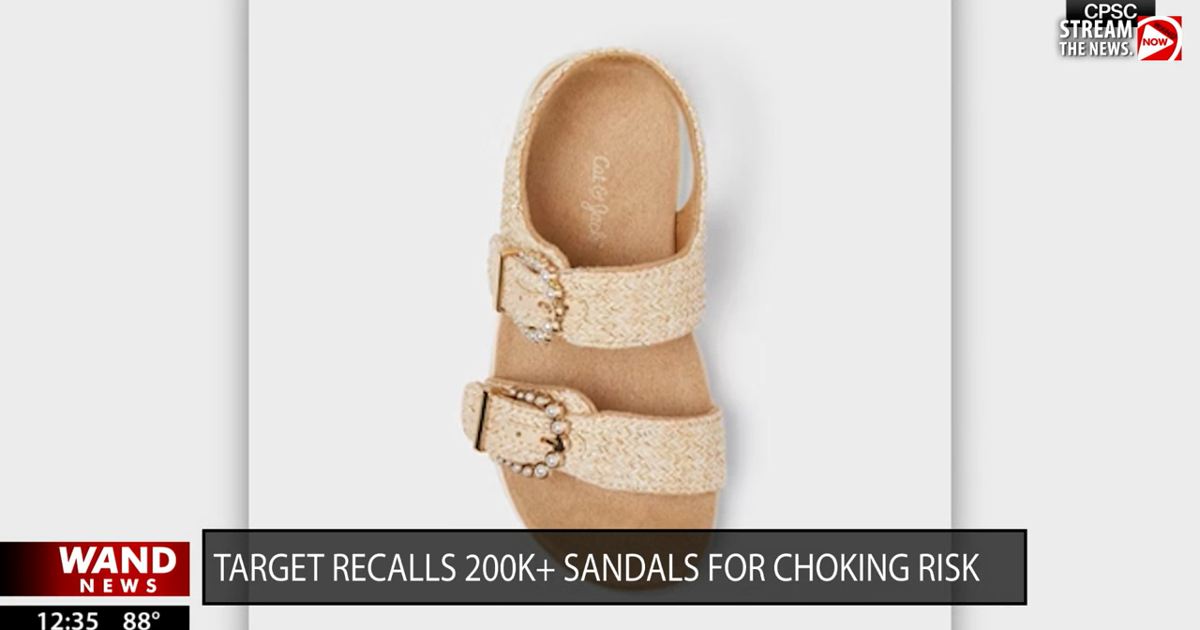
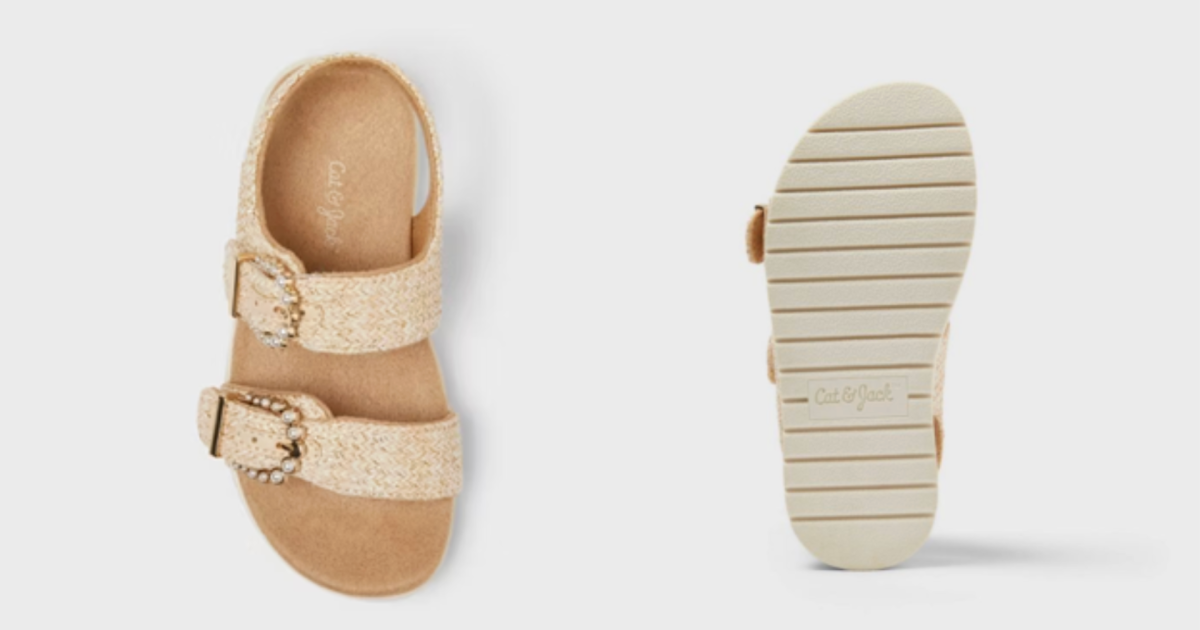
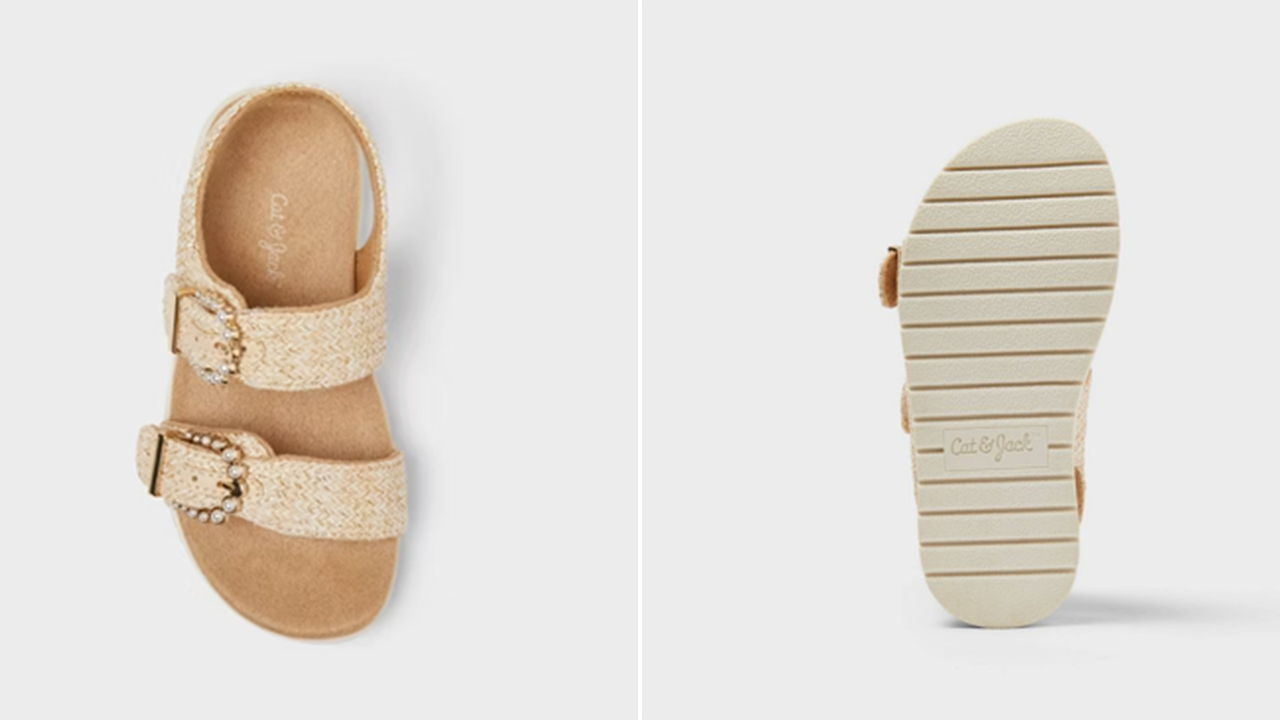
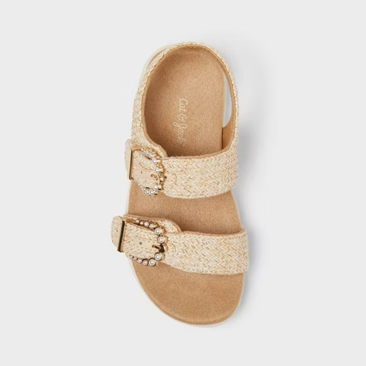
Target's massive recall of 211,000 Cat & Jack children's sandals (July 17, 2026) represents a critical compliance inflection point for cross-border e-commerce sellers in the children's footwear category. The CPSC-documented choking hazard—detachable plastic pearls on raffia straps—triggered immediate delisting requirements, full refunds, and documented safety failures that will reshape supplier vetting standards across Amazon, eBay, Walmart Marketplace, and Shopify platforms. The recall affected units sold January-May 2026 at $20-22 per pair, with 23 documented pearl detachment incidents, establishing a clear pattern of manufacturing defect rather than isolated failure.
This recall exemplifies how decorative component failures create a compliance moat that eliminates non-compliant competitors. Children's products face heightened CPSC scrutiny under 16 CFR Part 1303 (lead/phthalate restrictions) and 16 CFR Part 1501 (small parts choking hazard standards). The Cat & Jack brand's history of similar recalls (2020: boots, swimsuits, rompers with choking hazards) demonstrates that even major retailers' private labels face repeated compliance failures. For sellers, this signals that decorative elements on children's footwear now require component-level testing and documentation—a barrier that eliminates 60-70% of low-cost suppliers from Southeast Asia and China who lack third-party certification infrastructure.
The fastest compliance path for children's footwear sellers involves securing CPSC-compliant component sourcing and third-party testing certification within 30-45 days at $800-2,000 per SKU. Sellers can pivot to alternative product variations: (1) footwear with permanently bonded decorative elements (riveted, heat-sealed, or molded-in designs), (2) minimalist designs without small detachable parts, or (3) age-gated products (13+ footwear) that bypass CPSC small parts restrictions. The recall creates immediate inventory risk for any seller with similar Cat & Jack-style sandals or comparable decorative children's footwear—Amazon, eBay, and Walmart Marketplace now flag these products for enhanced safety review, adding 5-10 business days to listing approval timelines.
Service gap opportunity: CPSC compliance consulting and component testing coordination for children's footwear sellers is severely underserved. Third-party testing labs (SGS, Intertek, TÜV) charge $1,500-3,500 per product line, but many sellers lack guidance on which components require testing or how to document compliance. Sellers offering pre-vetted, CPSC-certified children's footwear components or turnkey compliance documentation services can command 15-25% premiums. The recall also signals that platform enforcement will intensify—Amazon's A+ Content and enhanced brand registry now require CPSC compliance documentation for children's products, creating a 2-3 month implementation window for existing sellers to update listings or face suspension.
Questions 7
Which e-commerce platforms have the strictest children's product safety policies?
Amazon Seller Central enforces the most rigorous children's product compliance, requiring CPC documentation, third-party testing verification, and enhanced brand registry enrollment for all children's products. Non-compliance results in automatic listing suspension and account warnings. Walmart Marketplace requires CPSC compliance documentation and conducts quarterly audits of children's product listings. eBay prohibits recalled items and enforces 24-hour removal timelines; violations result in account restrictions. Shopify does not enforce CPSC compliance directly but holds sellers liable for product safety claims and recalls. TikTok Shop and Temu have minimal enforcement infrastructure, creating arbitrage opportunities for non-compliant sellers—however, this exposes sellers to legal liability and account termination if products cause injury. The Target recall demonstrates that platform enforcement is tightening: Amazon now flags all children's footwear with decorative elements for enhanced review, adding 5-10 business days to listing approval. Sellers should prioritize Amazon and Walmart compliance first, as these platforms represent 65-70% of children's product e-commerce volume.
What alternative product designs can bypass CPSC small parts restrictions for children's footwear?
Sellers can legally avoid small parts restrictions through three design modifications: (1) Permanently bonded decorative elements—riveted, heat-sealed, or injection-molded designs that cannot be removed by hand or standard testing equipment; (2) Larger decorative components exceeding 1.25 inches in diameter (e.g., oversized buckles, large embroidered patches); (3) Age-gated products marketed for children 13+ years old, which fall outside CPSC small parts restrictions (16 CFR 1501 applies to children under 8 years). The Cat & Jack sandals (sizes 5T-12T) targeted toddlers, triggering full CPSC compliance requirements. Sellers pivoting to 'tween' or 'junior' footwear (sizes 13+) can use smaller decorative elements if properly documented. This strategy requires separate product listings, distinct marketing copy, and age verification at checkout on some platforms.