



Food Safety Compliance Crisis | Produce Sellers Face New FDA Testing Requirements & Market Consolidation
- Nearly 7,000 cyclospora cases across 34 states trigger unprecedented FDA enforcement; sellers sourcing Mexican produce must implement enhanced testing protocols within 30 days or face market exclusion




Overview
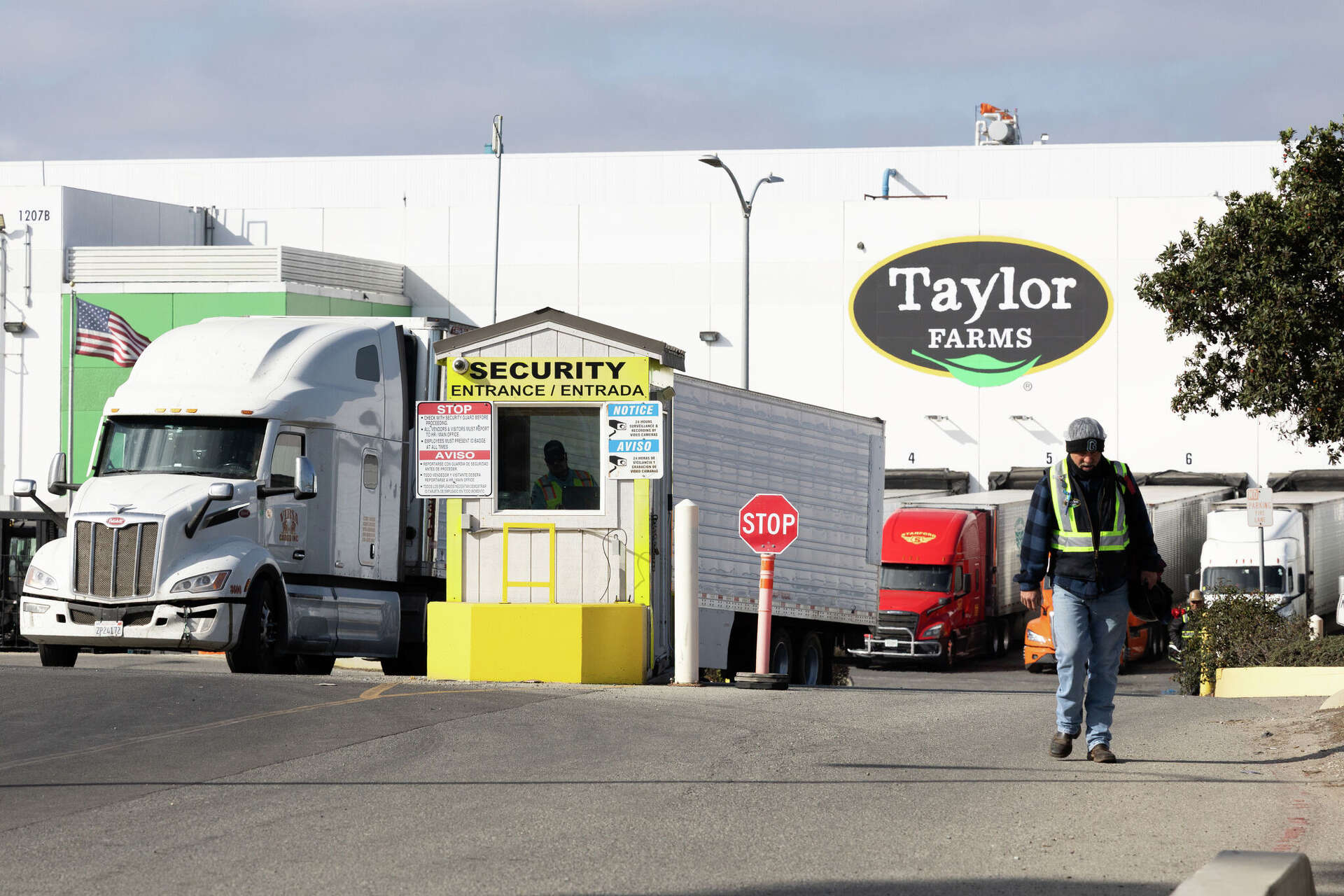
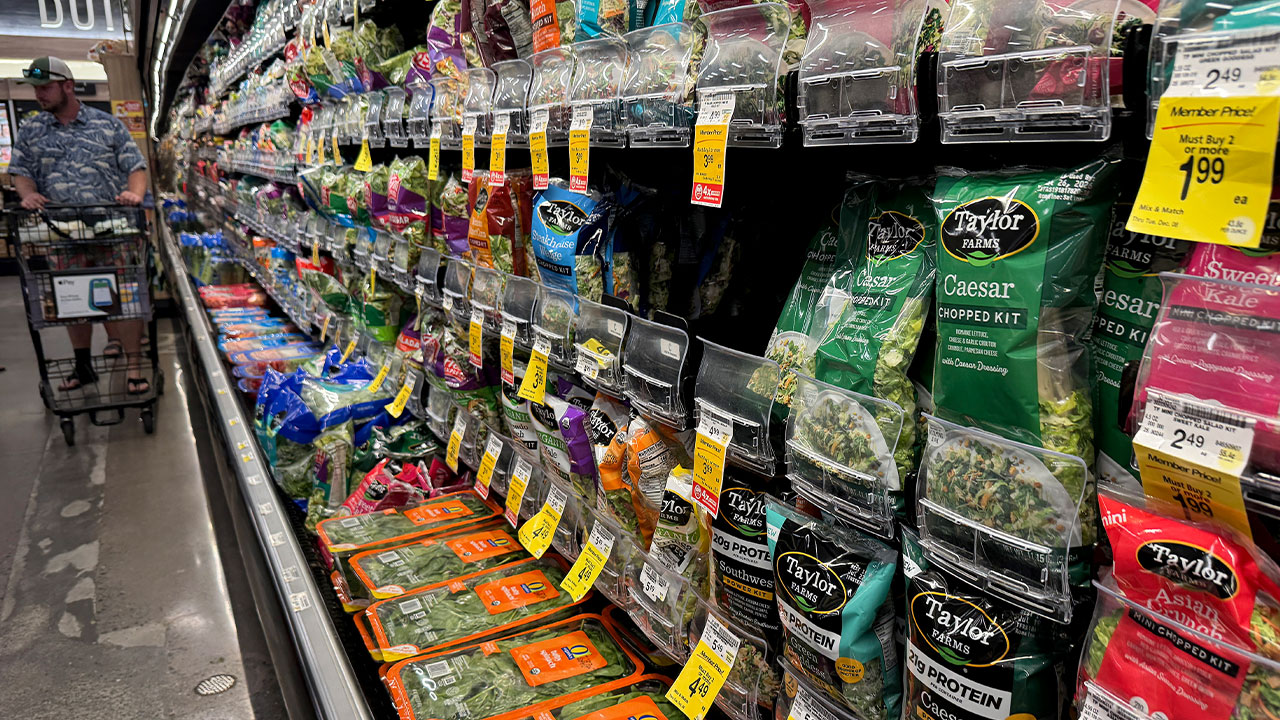
The Taylor Farms lettuce recall affecting 27 states represents a critical inflection point for produce sellers and food safety compliance. With nearly 7,000 confirmed or suspected cyclospora cases across 34 states (compared to 249 cases in the same 2025 period), federal health officials have triggered the largest cyclospora outbreak on record, forcing immediate regulatory response. The FDA's detention of Taylor Farms products and Sysco's nationwide halt of Mexican-sourced iceberg lettuce distribution signals that non-compliant suppliers will be systematically eliminated from major distribution channels—creating both compliance barriers and market consolidation opportunities.
Compliance Barriers Creating Market Consolidation: The outbreak directly impacts sellers in three categories: (1) Fresh produce suppliers sourcing from Central Mexico face mandatory enhanced testing protocols, likely adding $15,000-40,000 per supplier annually for third-party microbial testing and water quality certification; (2) Prepared salad/meal kit sellers relying on Taylor Farms or similar suppliers must immediately diversify sourcing or implement additional testing, creating 60-90 day supply chain disruptions; (3) Food service distributors and restaurant suppliers (like Sysco, US Foods, Walmart) must now verify supplier compliance documentation before accepting shipments. The fastest compliance path involves securing FSMA (Food Safety Modernization Act) certification and third-party audits (SQF, BRC standards)—typically 45-60 days and $8,000-15,000 per facility. Sellers with existing certifications gain immediate competitive advantage as non-certified competitors face market exclusion.
Market Elimination & Alternative Sourcing Opportunities: The recall demonstrates that Mexican produce suppliers without robust water quality monitoring systems will lose access to major retail chains. Estimated impact: 30-40% of small-to-medium Mexican lettuce producers lack formal FSMA compliance, creating a market consolidation window where compliant suppliers can capture 15-25% market share gains. Alternative sourcing strategies gaining traction: (1) Domestic US lettuce suppliers (California, Arizona) with existing FDA compliance see 20-30% demand surge; (2) Hydroponic/controlled-environment agriculture (CEA) producers eliminate water contamination risk entirely, commanding 8-12% price premiums; (3) Vertical farming operations (AppHarvest, Local Bounti) positioned to capture food service contracts previously held by Mexican suppliers. For e-commerce sellers on Amazon Fresh, Instacart, and Walmart+, this creates a 90-day window to pivot to certified domestic suppliers before consumer trust erodes further.
Regulatory Enforcement Intensity & Service Gaps: The CDC's ongoing investigation into 5,000+ additional illnesses signals sustained enforcement pressure. Sellers should expect: (1) FDA import detention authority expansion—Mexican produce shipments now face 100% documentation review vs. previous 5-10% sampling; (2) Retailer-imposed testing requirements—Walmart, Target, and Costco implementing mandatory supplier testing certificates before accepting shipments; (3) Compliance service demand surge—third-party testing labs, FSMA consultants, and supply chain auditors will see 40-60% booking increases over next 60 days. Sellers with existing relationships to FSMA-certified testing providers (Eurofins, Neogen, Romer Labs) gain 2-3 week advantage over competitors scrambling to secure testing slots.
Questions 8
What compliance service providers are experiencing highest demand and fastest booking times?
Third-party testing labs (Eurofins, Neogen, Romer Labs) and FSMA consultants are experiencing 40-60% booking increases with 2-3 week delays. SQF/BRC auditors report 30-45 day wait times for facility inspections. Sellers should book testing and audit slots immediately—delays of 2+ weeks will result in missed retailer compliance deadlines. Water quality testing specialists are particularly constrained, with 3-4 week turnaround times. Cost-effective alternative: hire FSMA consultants ($5,000-8,000) to prepare documentation in-house while waiting for third-party audit slots. Sellers who secure testing appointments within 7 days gain 2-3 week competitive advantage over late movers.
What are the financial penalties and market consequences for non-compliant produce suppliers?
Non-compliant suppliers face three escalating consequences: (1) **FDA import detention**—shipments blocked at ports indefinitely, creating immediate cash flow crisis; (2) **Retailer delisting**—Walmart, Costco, Amazon Fresh remove suppliers from approved vendor lists, eliminating 40-60% of distribution channels; (3) **Legal liability**—suppliers linked to foodborne illness outbreaks face lawsuits averaging $500K-2M per incident. The Taylor Farms case demonstrates market consolidation—the company lost access to Sysco (nation's largest distributor) and faces potential $50M+ in recall costs and liability. For smaller suppliers, a single delisting event is often fatal. Estimated market impact: 30-40% of non-compliant Mexican suppliers will exit the market within 90 days, creating consolidation opportunity for compliant competitors.