




Open-Weight AI Models Disrupt E-Commerce Automation | 50x Cost Savings for Sellers
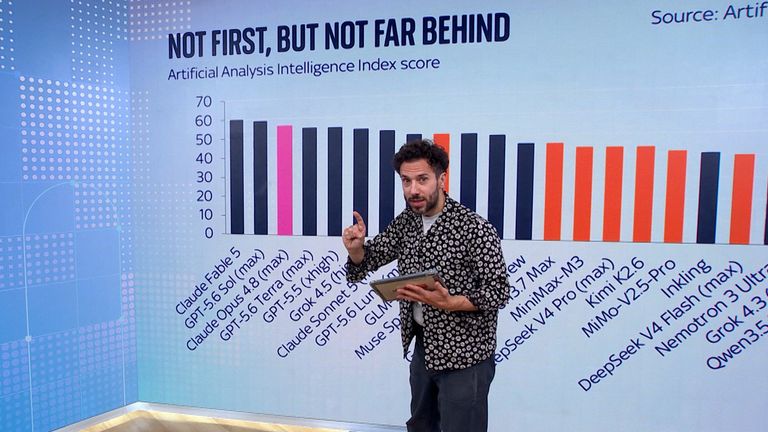
- Chinese models dominate OpenRouter marketplace; 95% of enterprise AI tasks now achievable with affordable alternatives costing 50x less than premium solutions












)

Overview
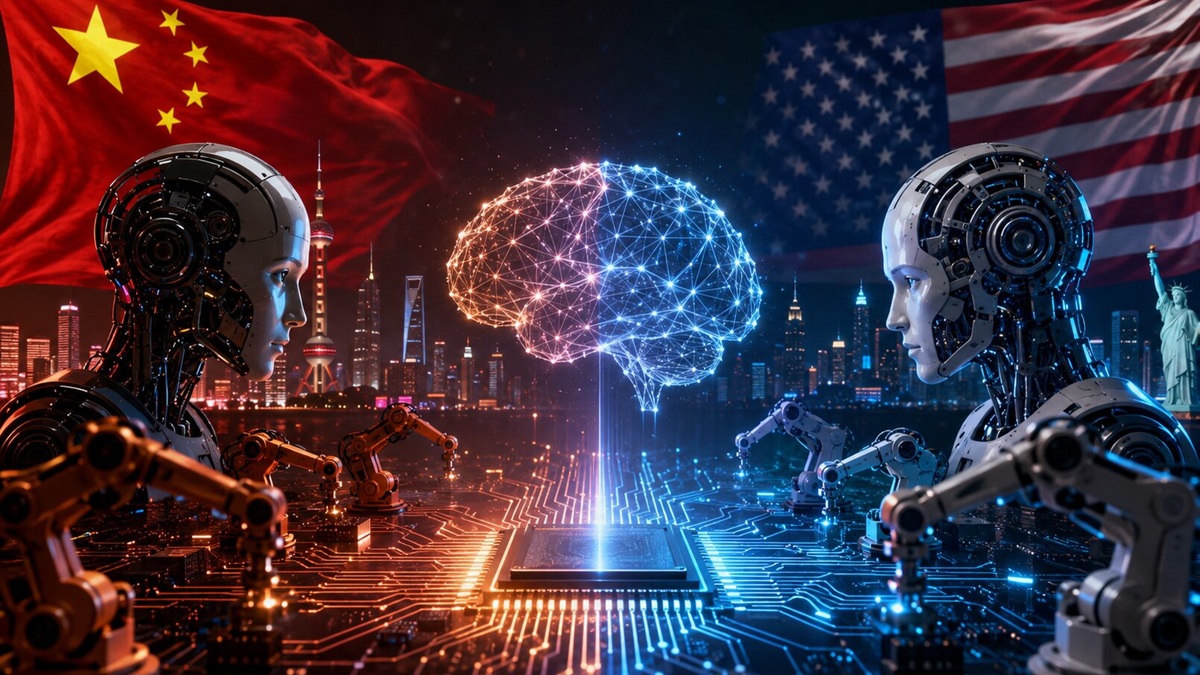
The global AI landscape is fundamentally restructuring around open-weight models, creating immediate automation opportunities for e-commerce sellers. Chinese AI companies—Tencent, Xiaomi, DeepSeek, MiniMax, and Z.ai—now occupy the top five positions on OpenRouter, a major developer platform, by weekly token usage. Moonshot AI's Kimi K3 exemplifies this shift toward downloadable, customizable models that prioritize affordability over raw capability. Industry analysts project open-source models will handle 95% of enterprise queries, with only the most complex 5% requiring premium providers like OpenAI or Anthropic.
For e-commerce sellers, this represents a seismic cost reduction opportunity. Routine tasks—product research, listing optimization, customer service automation, pricing analysis, and inventory management—currently consume significant operational budgets when using frontier AI models. Open-weight alternatives cost up to 50 times less while delivering adequate performance for these everyday operations. Kong CEO Augusto Marietti confirmed surging adoption driven by flagship model expense, while Mozilla CTO Raffi Krikorian noted that using premium AI for routine tasks is like "driving a Ferrari to Whole Foods." Sellers can immediately deploy DeepSeek, Tencent, or Xiaomi models to automate product descriptions, customer inquiries, and competitive pricing analysis—reducing monthly AI infrastructure costs from $500-2,000 to $10-40.
The competitive advantage window is narrowing rapidly. Anthropic CEO Dario Amodei stated in May that China lagged the U.S. by six to twelve months in advanced AI capabilities. However, Moonshot's subsequent release demonstrated performance rivaling Claude and GPT-4 on key benchmarks, showing how quickly technological advantages erode. American companies are responding: Thinking Machines (founded by former OpenAI CTO Mira Murati) launched customizable open-weight models, Nvidia expanded its Nemotron family, and SpaceX open-sourced Grok's coding infrastructure. This acceleration means sellers who adopt open-weight models NOW gain 6-12 months of cost advantage before competitors follow.
The structural shift threatens premium AI provider valuations precisely as OpenAI and Anthropic prepare IPOs dependent on frontier AI scarcity. If businesses satisfy most AI needs through cheaper, controllable models, premium providers face valuation pressure. For sellers, this creates a strategic window: adopt open-weight models immediately to lock in 50x cost savings before market consolidation occurs. Sellers should prioritize automating high-volume, repetitive tasks (customer service, product research, listing generation) using DeepSeek or Tencent models, reserving premium APIs only for complex competitive analysis or advanced personalization requiring frontier capabilities.
Questions 8
How much can sellers save by switching from premium AI to open-weight models?
Open-weight models cost up to 50 times less than premium solutions like GPT-4 or Claude while delivering adequate performance for routine e-commerce tasks. A seller currently spending $1,500/month on OpenAI API calls for customer service, product research, and listing optimization could reduce costs to $30-50/month using DeepSeek or Tencent models. Industry analysts project open-source models will handle 95% of enterprise queries, meaning sellers can reserve expensive premium APIs for only the most complex 5% of tasks requiring frontier capabilities. This cost structure shift is accelerating adoption among mid-market sellers managing 500+ SKUs.
Which open-weight AI models are best for e-commerce automation tasks?
Chinese models currently dominating OpenRouter—DeepSeek, Tencent, Xiaomi, MiniMax, and Z.ai—excel at routine e-commerce tasks: product description generation, customer inquiry responses, competitive pricing analysis, and inventory forecasting. Moonshot AI's Kimi K3 demonstrates performance rivaling GPT-4 on key benchmarks while costing significantly less. For sellers, DeepSeek and Tencent models offer the best cost-to-performance ratio for high-volume automation. American alternatives like Thinking Machines (founded by former OpenAI CTO Mira Murati) and Nvidia's Nemotron family provide customization options for sellers needing model fine-tuning specific to their product categories.