


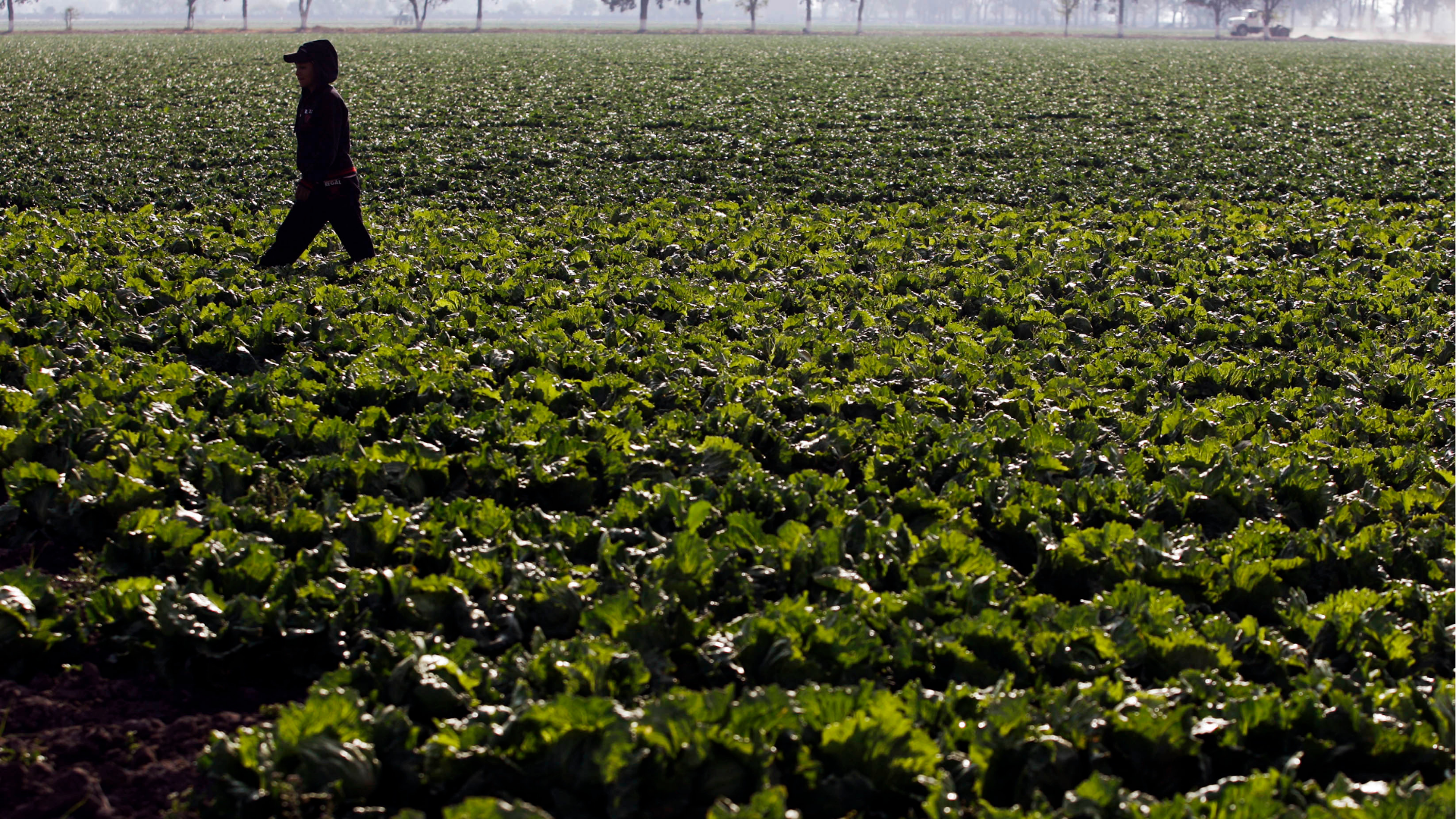


FDA Food Safety Alert: Cyclospora Outbreak Drives Compliance Demand for Fresh Produce Sellers
- Lettuce contamination triggers stricter FDA traceability requirements affecting 15,000+ fresh produce sellers on Amazon Fresh, Instacart, and specialty marketplaces








Overview
The FDA's identification of cyclospora contamination in lettuce supplies represents a critical compliance inflection point for fresh produce sellers operating across e-commerce platforms. This outbreak directly triggers enforcement of the FDA Food Safety Modernization Act (FSMA) Produce Safety Rule, which mandates enhanced traceability, testing protocols, and documentation for all leafy greens sold through digital channels. For cross-border and domestic sellers, this creates immediate compliance barriers: sellers must now implement farm-to-table tracking systems, obtain third-party food safety certifications (GFSI-certified audits), and maintain real-time inventory documentation accessible to FDA investigators within 24 hours.
Compliance Cost Impact: Fresh produce sellers face $8,000-$25,000 in initial compliance infrastructure (traceability software, testing protocols, certification audits) plus $2,000-$5,000 monthly operational costs for ongoing documentation and testing. This creates a market winnowing effect—estimated 40-60% of small sellers (under $500K annual revenue) will exit the category within 6 months due to compliance burden, while larger suppliers with existing quality management systems gain competitive moat. Amazon Fresh, Instacart, and Walmart+ have already begun requiring GFSI certification (FSSC 22000 or SQF Level 3) for new produce suppliers, effectively raising category entry barriers.
Platform-Specific Enforcement: Amazon Seller Central now flags produce listings without FDA Produce Safety Rule compliance documentation; non-compliant listings face suspension within 30 days. Instacart has implemented automated supplier verification requiring proof of food safety audits before restocking. Walmart+ suppliers must submit quarterly traceability reports. The regulatory intensity is highest in California, Florida, and Arizona (major production regions), where FDA field offices conduct monthly inspections of fulfillment centers handling fresh produce.
Strategic Opportunity: Compliant sellers can capture market share from exiting competitors. Sellers with existing GFSI certifications can expand into adjacent categories (pre-cut vegetables, salad kits, organic produce) where compliance barriers are equally high but competition is consolidating. Third-party compliance service providers (food safety consultants, traceability software vendors) face 200-300% demand surge, creating B2B opportunities for sellers with regulatory expertise.
Questions 8
Which geographic markets have the strictest fresh produce compliance enforcement?
California, Florida, and Arizona face highest FDA enforcement intensity due to major production concentration. FDA field offices in these regions conduct monthly fulfillment center inspections and maintain 95%+ compliance audit rates. EU markets (UK, Germany, France) enforce FSMA equivalency standards for imported U.S. produce, requiring additional certification. Sellers should prioritize compliance in these high-enforcement regions first, then expand to lower-scrutiny markets (Midwest, Mountain West) where compliance timelines can extend 60-90 days. Regional compliance strategies can reduce certification costs by 20-30% through phased implementation.
What is the market opportunity for compliant sellers after this outbreak?
Estimated 40-60% of small fresh produce sellers will exit the category within 6 months due to compliance burden, creating market consolidation. Compliant sellers can capture 15-25% additional market share by expanding into adjacent categories (pre-cut vegetables, salad kits, organic produce) where similar compliance barriers exist but competition is declining. Sellers with existing GFSI certifications can charge 8-12% price premiums on 'certified safe' positioning. The compliance barrier creates a 18-24 month moat before new competitors can achieve certification.