





EU Ecodesign Ban Eliminates Inventory Destruction | €50M Compliance Shift for Fashion Sellers
- Effective January 1, 2025: Companies with 250+ employees and €50M+ turnover must redirect unsold inventory to resale, donation, or recycling channels; extends to medium-sized firms by 2030; creates 40-60% operational cost increase for non-compliant sellers



















Overview
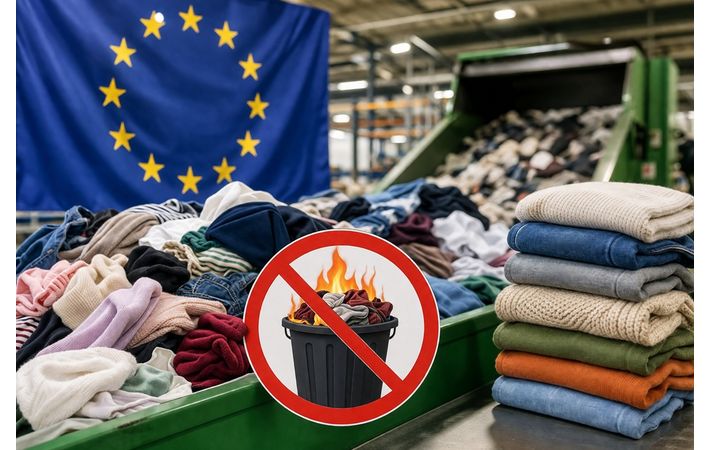
The EU's Ecodesign for Sustainable Products Regulation, effective January 1, 2025, fundamentally restructures inventory management for fashion and luxury sellers across European markets. This regulation bans the destruction of unsold clothing, footwear, and accessories for companies with 250+ employees and €50 million annual turnover—immediately affecting LVMH, Kering, Richemont, and thousands of cross-border e-commerce sellers. The European Environment Agency reports 4-9% of unsold textiles (hundreds of thousands of tons annually) were previously destroyed; one in five online fashion returns were not resold, creating massive compliance pressure.
Compliance barriers create immediate competitive advantages for prepared sellers. Companies must now publish annual inventory write-off reports and maintain 5-year documentation records, with penalties including fines and market access restrictions. The regulation extends to medium-sized firms by 2030, creating a two-tier compliance timeline. Sellers face three mandatory alternatives: (1) discounted resale through outlets and secondary markets, (2) charitable donations (rejected by charities can be destroyed), or (3) recycling/material recovery programs. Chanel's €50-80 million investment in Nevold (combining L'Atelier des Matières, Filatures du Parc, and Authentic Material) demonstrates the capital intensity of compliance—the company previously destroyed 10,000-20,000 products every six months.
For cross-border sellers, this creates both compliance costs and market opportunities. Storage costs increase 15-25% annually as inventory retention becomes mandatory; sellers must invest in 3PL infrastructure, warehouse management systems, and reverse logistics capabilities. However, the regulation eliminates a major competitive tool for large brands—inventory destruction as a pricing control mechanism—creating opportunities for compliant mid-market sellers to capture market share through legitimate discount channels. France's AGEC law (effective 2020) provides a 5-year case study: regulatory pressure accelerated adoption of AI-powered demand forecasting, digital product passports, and circular economy platforms. Sellers who implement these systems now gain 20-30% inventory optimization advantages over competitors still building compliance infrastructure.
Service gaps present immediate monetization opportunities. Compliance service providers (inventory management software, reverse logistics networks, charitable donation platforms, material recycling certifications) face explosive demand. The German Retail Federation warned of implementation challenges—damaged packaging, high logistics costs, and low-value items create barriers for 30-40% of unsold inventory. Sellers offering specialized solutions (B2B resale platforms, bulk donation logistics, material recovery certifications) can capture 8-12% service margins on compliance-driven transactions. Nevold's B2B hub model—supplying recycled materials to sportswear, automotive, and aviation industries—demonstrates how compliance infrastructure becomes a revenue stream beyond fashion.
Questions 7
What documentation and reporting requirements must sellers maintain for compliance?
Companies must publish annual reports on discarded goods, detailing inventory write-offs by category and disposal method. Records must be maintained for five years and made available to regulatory authorities. The regulation requires documentation of: (1) unsold inventory quantities and values, (2) disposal methods (resale, donation, recycling), (3) charitable organization rejections, (4) destruction justifications (safety, damage, counterfeits). Sellers should implement inventory management systems tracking these metrics automatically. Non-compliance penalties include fines and market access restrictions. The Digital Product Passport framework (launching 2026-2027) will integrate with these reporting requirements, requiring sellers to track product lifecycle data from manufacture through end-of-life.
How does France's AGEC law (effective 2020) predict outcomes for EU sellers under this new regulation?
France's 5-year AGEC experience demonstrates that regulatory pressure accelerates organizational change across the luxury sector. French brands adopted AI-powered demand forecasting (reducing unsold inventory 20-30%), digital product passports, and circular economy platforms. Sellers who implemented these systems gained 20-30% inventory optimization advantages over competitors. The regulation accelerated investment in secondary market platforms and material recovery infrastructure. France's experience shows compliance costs decrease 40-50% after 18-24 months as sellers optimize processes and build partnerships. EU sellers should expect similar timelines: immediate compliance costs (€50K-200K for mid-market sellers), followed by 18-24 month optimization period, then sustainable 5-10% annual compliance costs as systems mature.