





UK Steel Nationalization Triggers China Trade Tensions | Supply Chain & Tariff Implications for Cross-Border Sellers
- UK seizes British Steel from Chinese owner Jingye Group; threatens £2B+ investment dispute and potential retaliatory tariffs affecting EU/UK-bound industrial products and steel-dependent categories











Overview
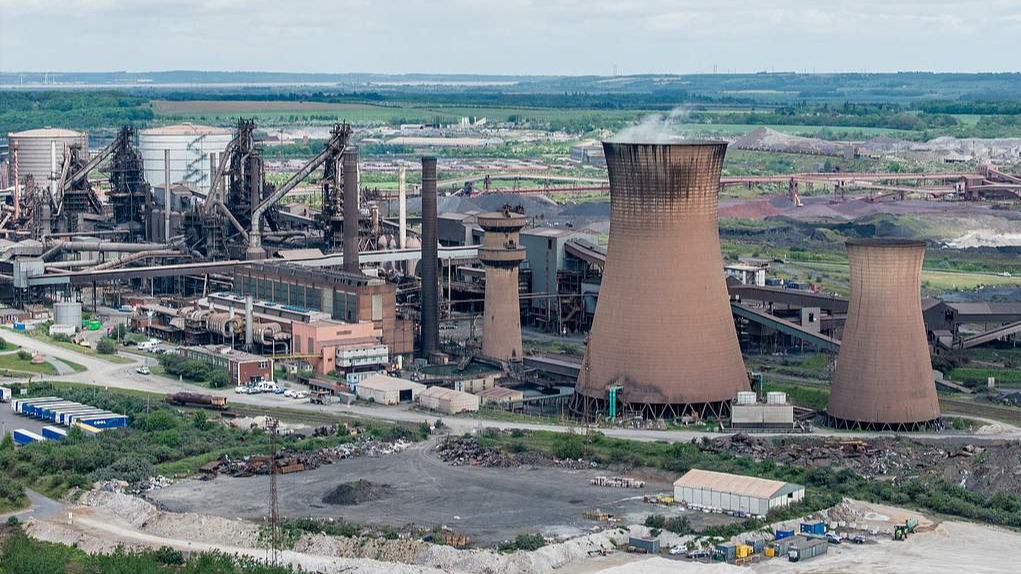
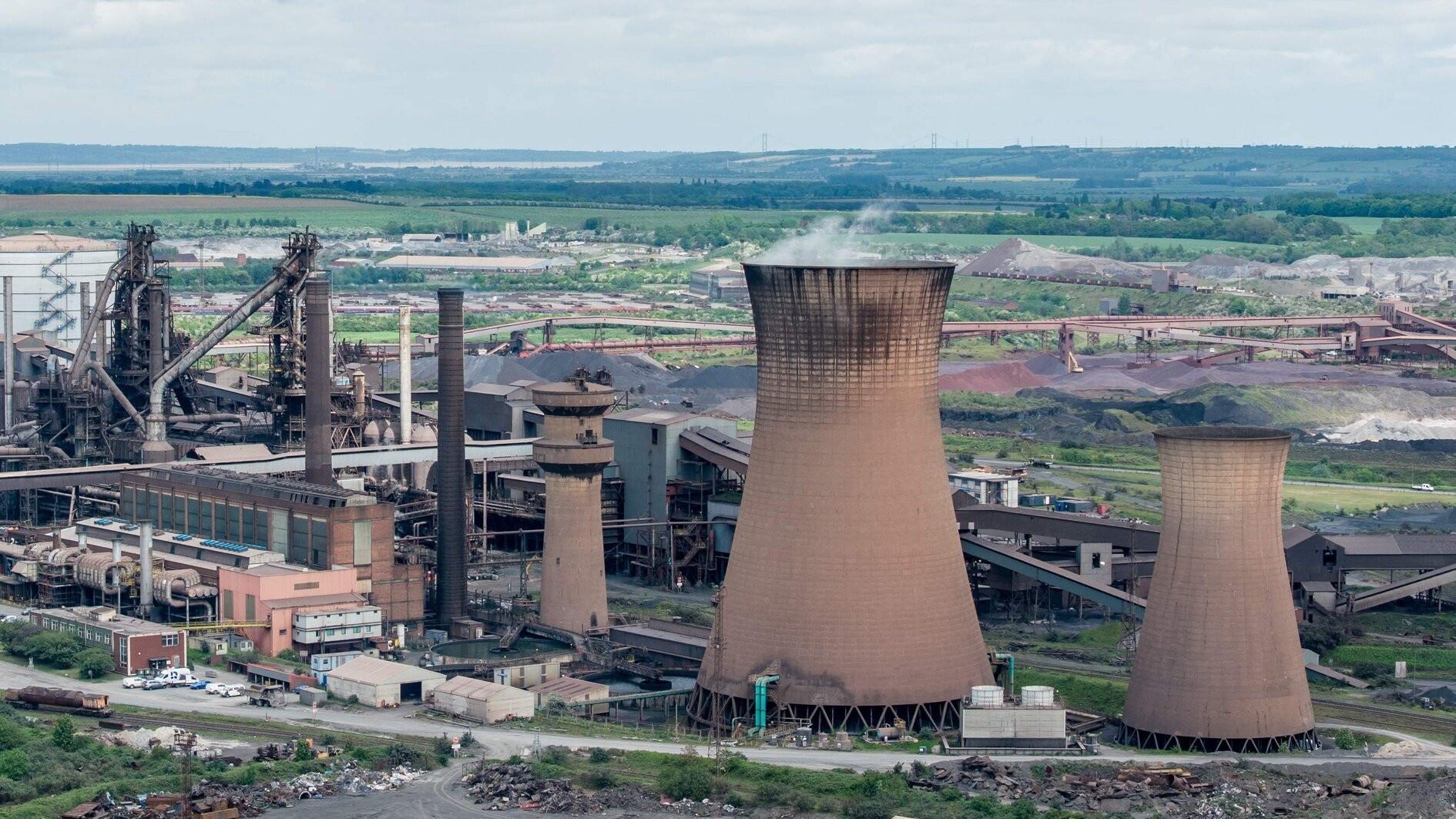
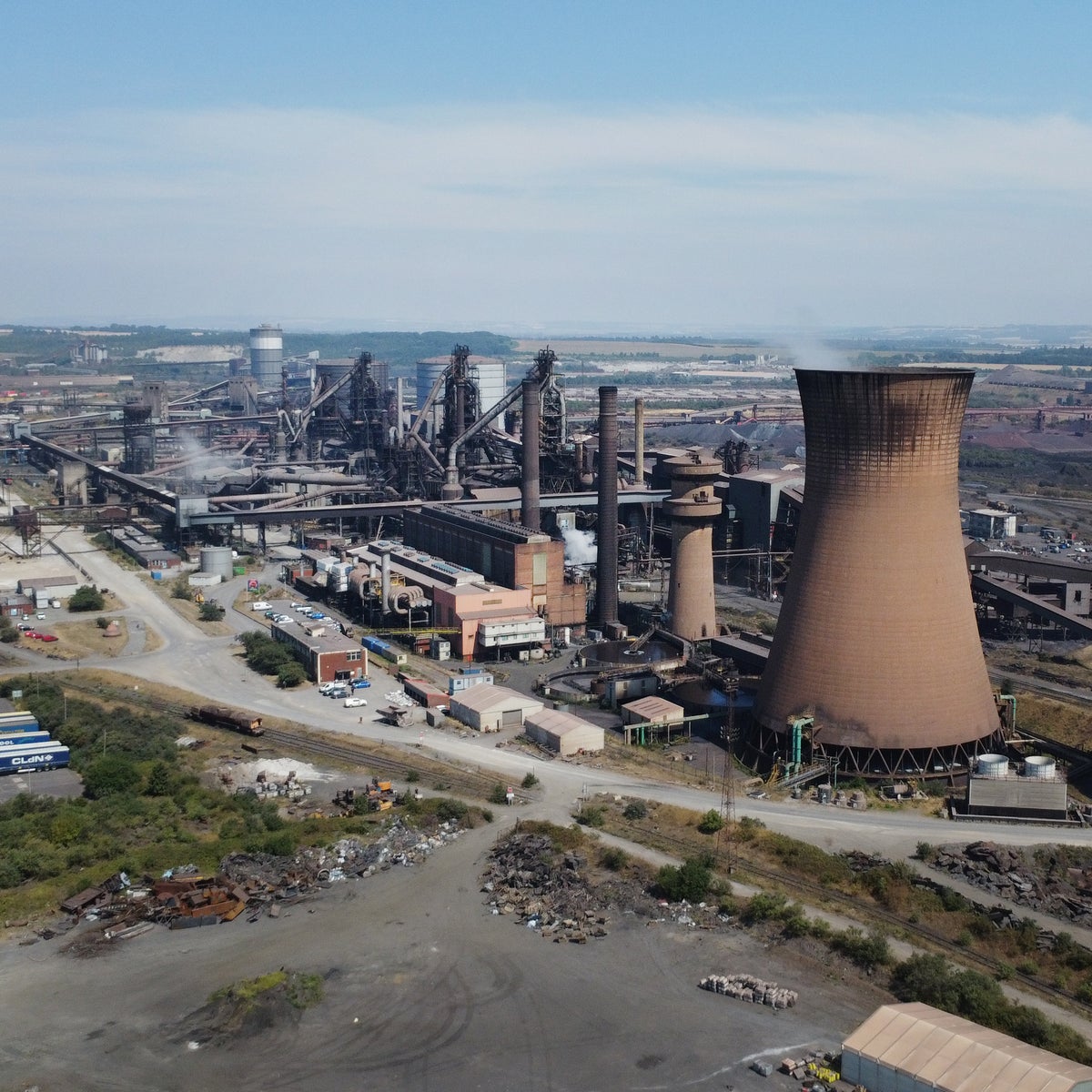
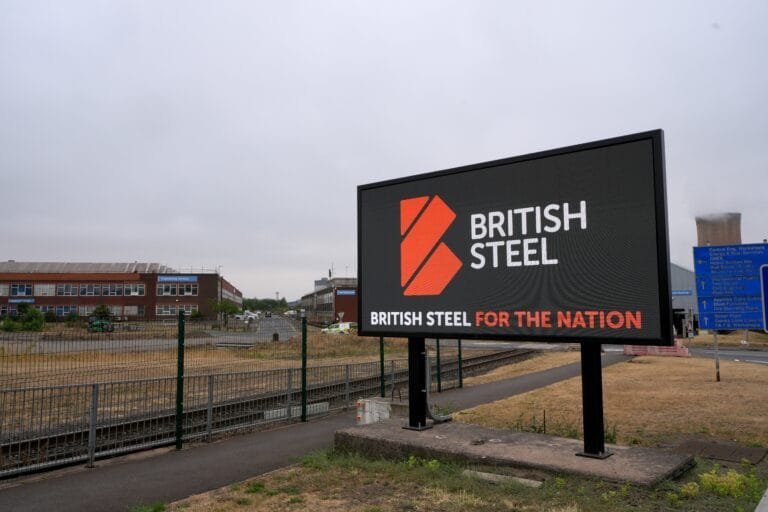
The UK government's nationalization of British Steel—the nation's last virgin steel producer—represents a critical geopolitical shift with direct implications for cross-border e-commerce supply chains and tariff structures. The Department for Business and Trade seized the Scunthorpe facility from China's Jingye Group to protect domestic steelmaking capacity, citing national security grounds. This decision triggers a formal investment dispute: Jingye Group has demanded compensation under the 1986 UK-China bilateral investment treaty, claiming the UK violated international expropriation protections. The company estimates £377 million in operating costs through January, with projections reaching £2 billion by 2028—a massive financial liability that will likely force the UK government to impose tariffs or trade barriers to offset losses.
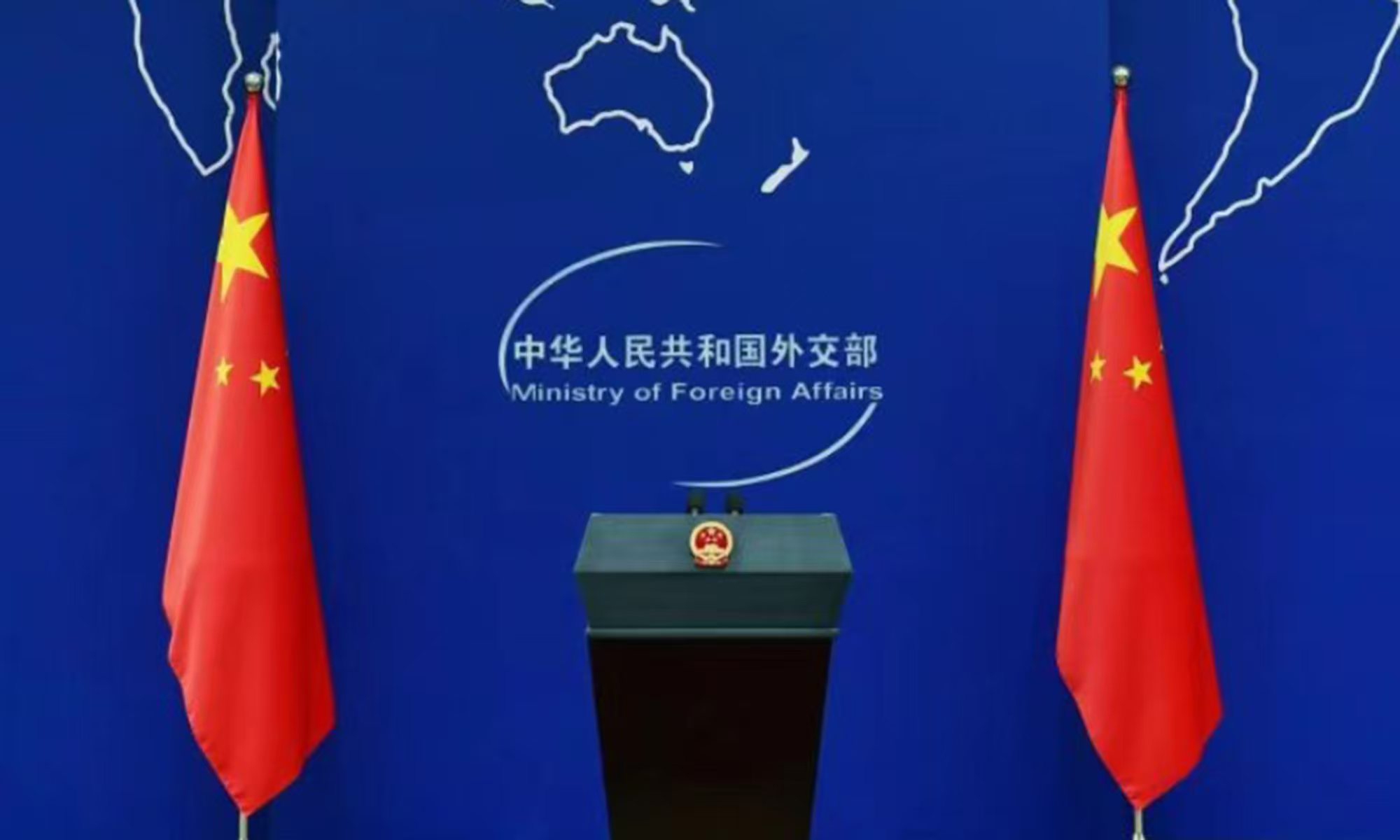
For cross-border sellers, this creates three immediate market dynamics: First, steel-dependent categories face cost inflation. UK-produced steel will command premium pricing as the government recoups £600M+ annual operating losses. Sellers sourcing construction materials, industrial equipment, automotive parts, and machinery components from UK suppliers should expect 8-15% cost increases within 6-12 months. Second, China-UK trade relations deteriorate, signaling potential retaliatory tariffs. China's Ministry of Commerce and Ministry of Foreign Affairs have formally protested, undermining investor confidence in UK markets. This historically precedes tit-for-tat tariff escalations affecting electronics, machinery, and industrial goods—categories where Chinese suppliers dominate. Third, sourcing diversification becomes urgent. Sellers currently relying on UK steel or UK-manufactured products should evaluate alternative suppliers in Germany, Poland, or India before tariff walls solidify.
The timing amplifies uncertainty: Andy Burnham's transition to Prime Minister coincides with this dispute, suggesting policy continuity on nationalist industrial strategy. The government's £2B+ commitment signals long-term protectionism, not temporary intervention. Sellers with UK supply contracts should immediately audit exposure and model 10-20% tariff scenarios. For those selling steel-intensive products (tools, machinery, construction equipment) on Amazon UK, eBay UK, or Shopify stores targeting UK customers, margin compression is imminent. Conversely, sellers positioned in non-UK EU markets (Germany, France, Poland) may capture market share as UK products become uncompetitive. The investment treaty dispute could take 2-3 years to resolve, meaning tariff uncertainty persists through 2026-2027.
Questions 8
How does this dispute affect Amazon UK and eBay UK marketplace dynamics?
UK marketplace sellers face margin compression as input costs rise, while EU-based sellers gain competitive advantage. Amazon UK and eBay UK sellers selling steel-intensive products will see cost-of-goods-sold increase 8-15% within 6-12 months, forcing price increases that may reduce conversion rates. Conversely, EU sellers (particularly German and Polish) can maintain lower prices by sourcing locally, capturing market share. Sellers should monitor Buy Box pricing trends in steel-dependent categories and consider shifting inventory to EU fulfillment centers. The nationalization also signals UK trade policy uncertainty, making EU marketplaces (Amazon.de, Amazon.fr) more attractive for long-term growth.
What is the timeline for tariff impacts and when should sellers take action?
The immediate timeline spans 6-12 months for cost inflation to materialize, as the government implements tariffs or price mechanisms to offset £600M+ annual operating losses. The investment treaty dispute with China could take 2-3 years to resolve, extending tariff uncertainty through 2026-2027. Sellers should act now by: (1) auditing UK supply contracts by end of Q1 2025, (2) modeling 10-20% tariff scenarios, (3) identifying EU alternative suppliers by Q2 2025, and (4) adjusting pricing strategies before cost increases hit. Delay increases risk of margin compression and lost market share to competitors who move faster.