


Strait of Hormuz Crisis Drives 24% Oil Spike | Logistics Cost Surge for E-Commerce Sellers
- US gasoline hits $4.00/gallon (up from $3.87 in 1 week); WTI crude rises $67→$83/barrel; 20-30% global oil transit disrupted; air freight and last-mile delivery costs surge 8-15% within 4-8 weeks







































Overview
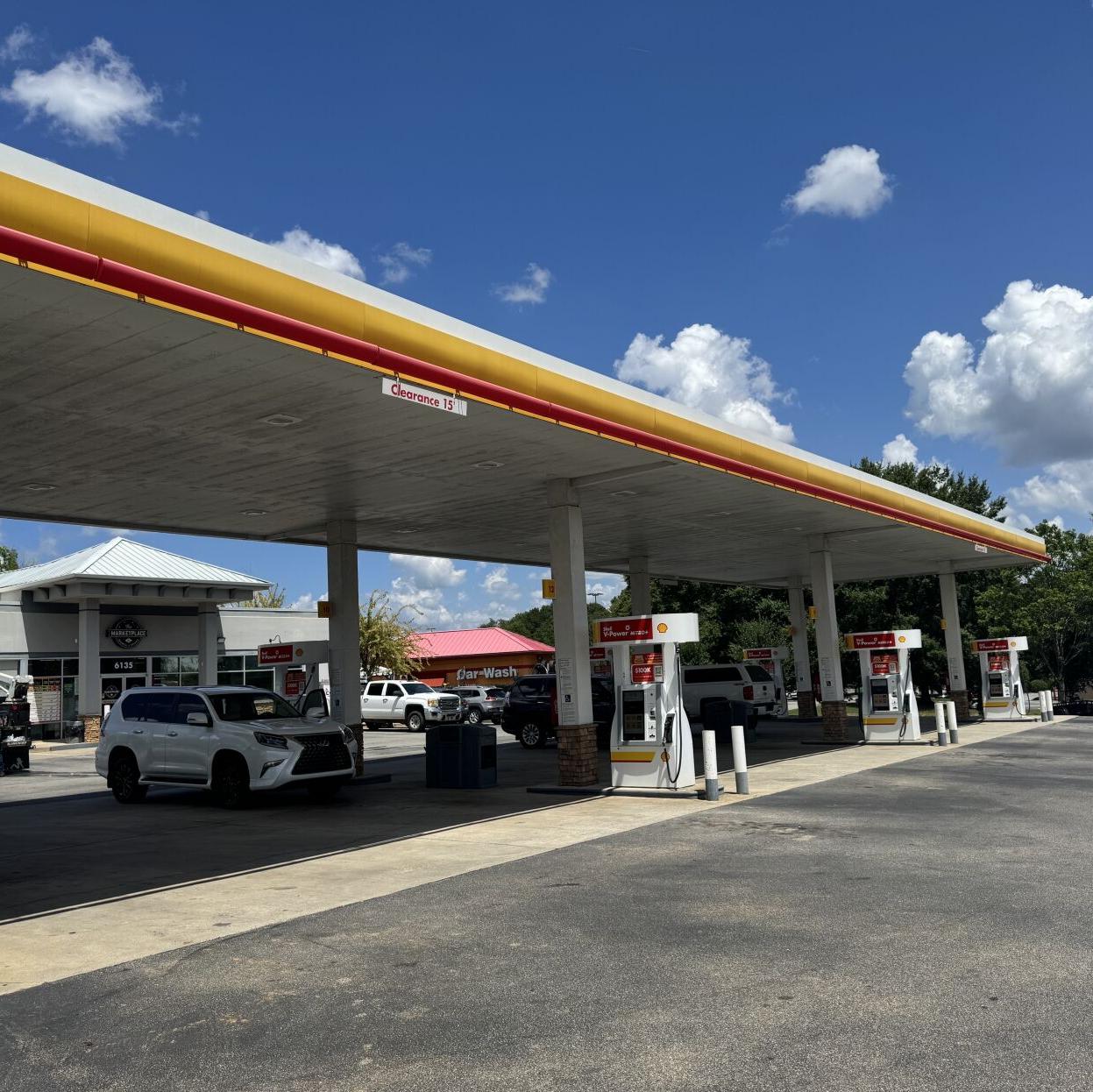
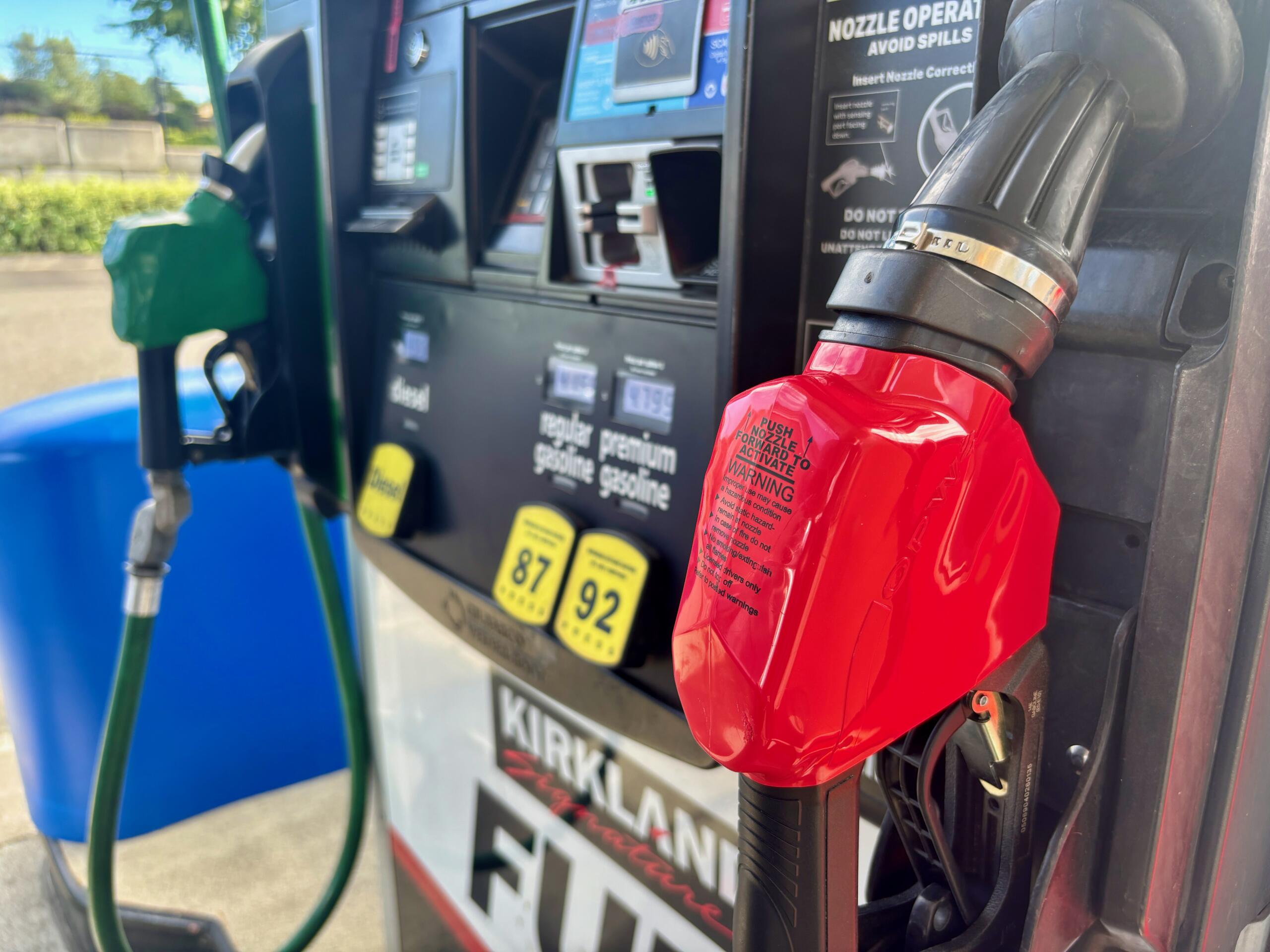
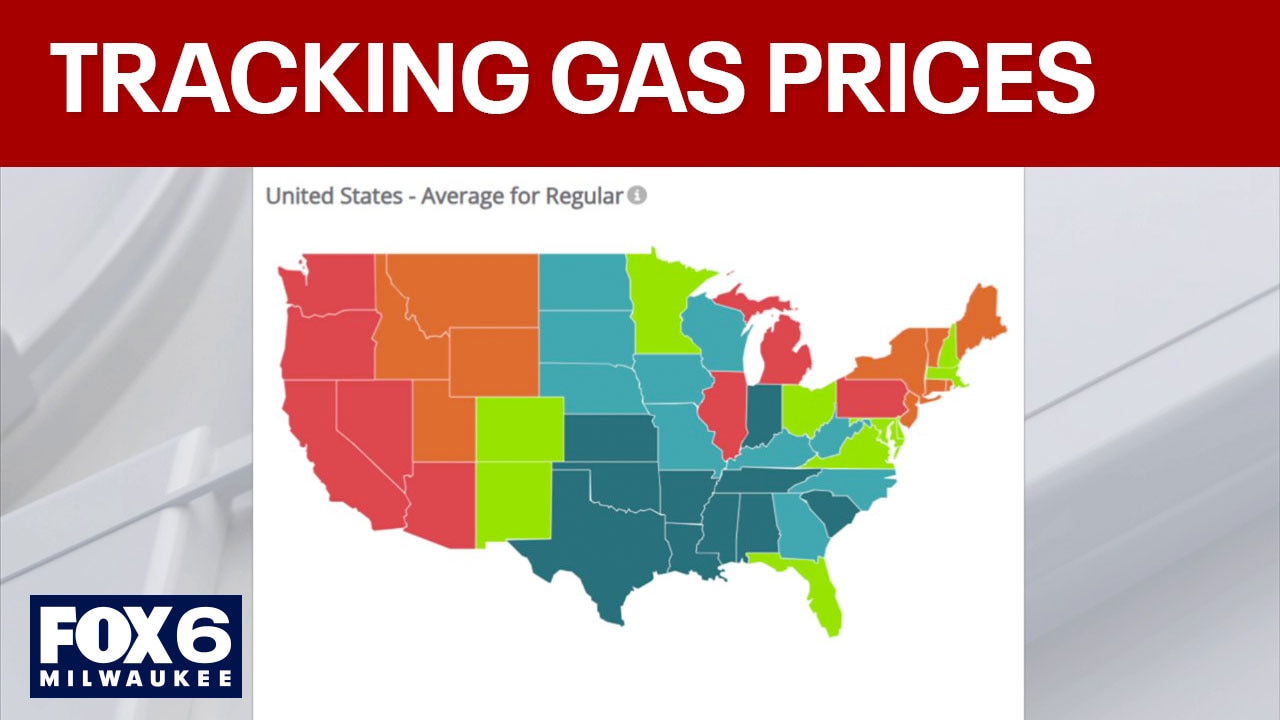
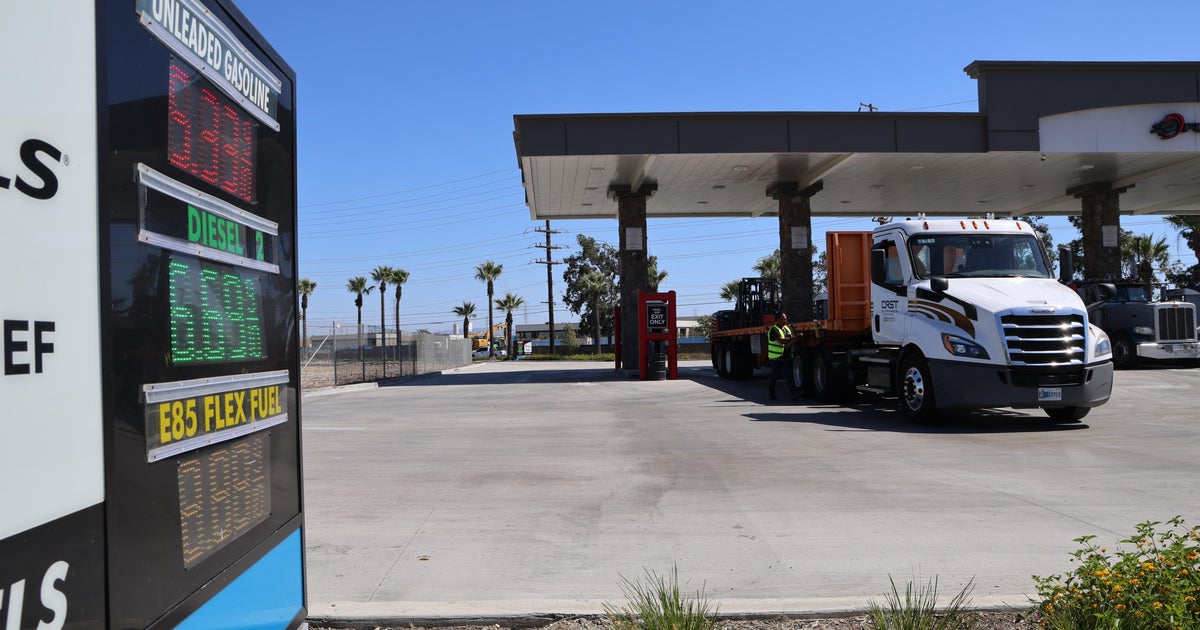
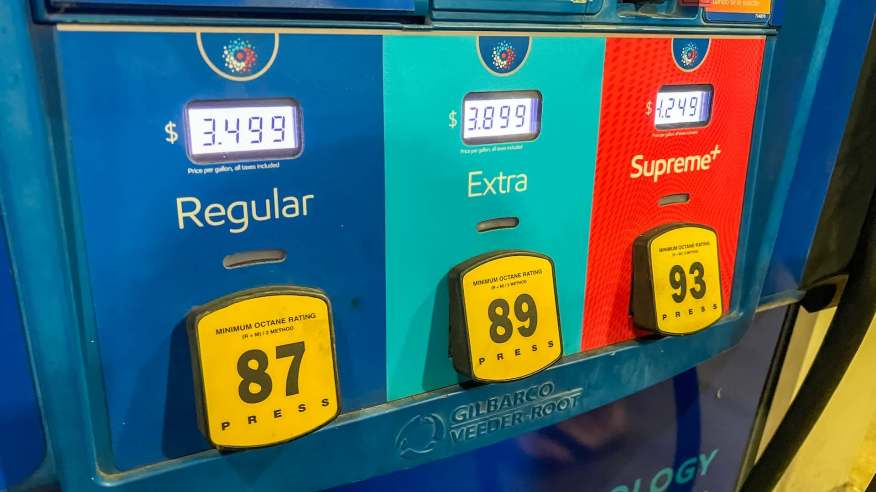
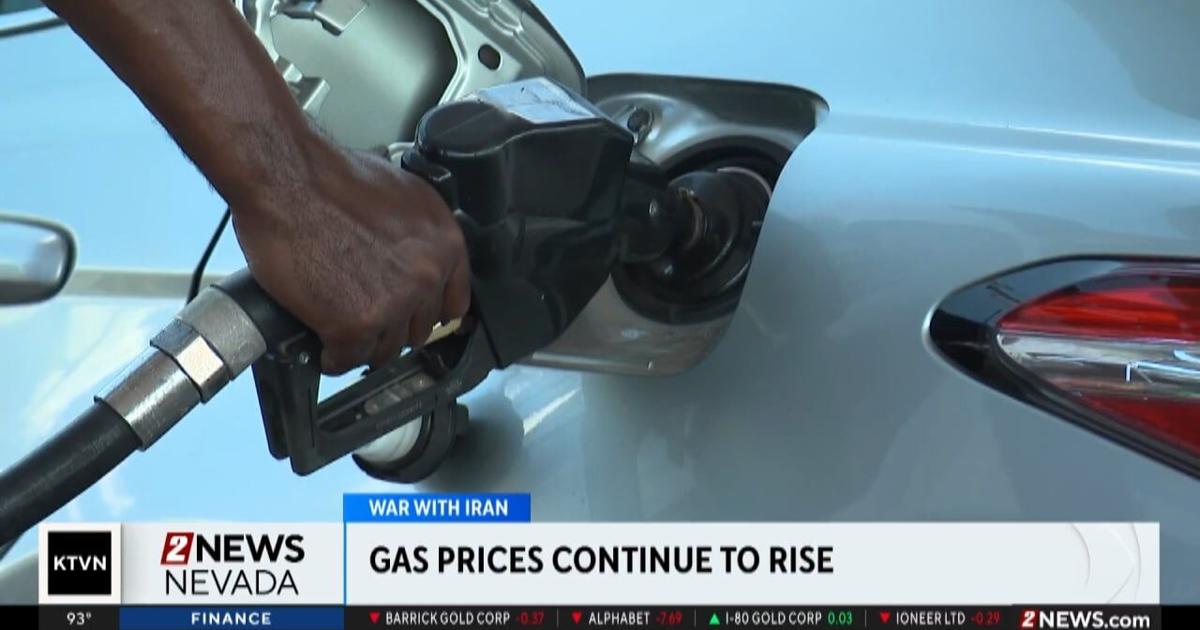
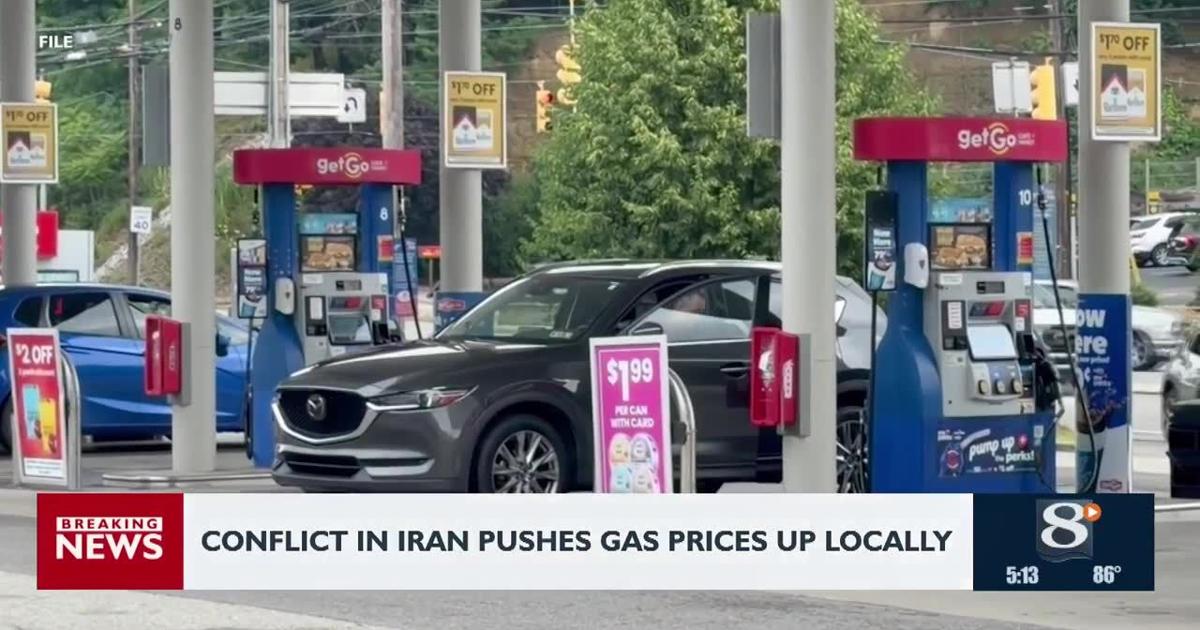
The Iran-US military escalation has created a critical logistics cost crisis for cross-border e-commerce sellers. The Strait of Hormuz, through which 20-30% of global oil transits, is experiencing severe disruptions due to Iranian attacks on oil tankers and US blockade operations. West Texas Intermediate crude futures have surged 24% in one week—from $67 to $83 per barrel—while US gasoline prices jumped to $4.00/gallon (up $0.13 from $3.87 one week prior, per AAA data). Historical precedent shows similar Middle East tensions trigger 10-15% fuel price increases within weeks, with elevated costs persisting 4-8 weeks before stabilization.
For cross-border e-commerce sellers, this creates immediate operational margin compression across all logistics models. Air freight costs—already 3-4x higher than ocean freight—will increase 8-12% due to fuel surcharges, directly impacting sellers using expedited shipping for time-sensitive categories (electronics, fashion, beauty). Last-mile delivery costs will rise 6-10% as carriers pass fuel surcharges to e-commerce platforms, which will likely adjust shipping fee structures upward. Sellers relying on just-in-time inventory models face the highest risk: warehouse operations, product handling, and supply chain management costs all correlate directly with petroleum prices. Small and medium-sized sellers with limited pricing flexibility (those operating on 15-25% margins) face profitability challenges, while large sellers with pricing power can absorb costs more easily.
The supply chain impact extends beyond direct shipping costs. Warehouse operations, cold chain logistics (critical for food/beverage sellers), and international freight forwarding all depend on fuel-intensive transportation. E-commerce platforms may adjust their shipping fee structures to reflect rising operational costs, potentially increasing customer acquisition costs for sellers. Additionally, supply chain diversification becomes critical: sellers currently dependent on single logistics providers or routes face heightened risk. The situation remains fluid with potential for further escalation, creating 4-8 week windows of elevated costs before potential stabilization once military operations curtail Iranian attacks on vessels in the strait.
Immediate logistics actions for sellers: (1) Inventory positioning: Accelerate stock-up of high-margin, lightweight categories (electronics, beauty, apparel) to US/EU warehouses NOW before freight costs peak—target 6-8 weeks of inventory for Q4-critical SKUs. (2) Carrier diversification: Audit current logistics providers; negotiate fixed-rate contracts with 2-3 alternative carriers before fuel surcharges compound. (3) Pricing strategy: Implement dynamic shipping cost pass-through; monitor fuel price indices (AAA weekly reports, WTI futures) and adjust seller pricing 1-2 weeks ahead of carrier rate increases. (4) Route optimization: Shift from air freight to ocean freight where possible (accept 2-3 week delays for non-urgent categories); consolidate shipments to reduce per-unit fuel costs. (5) 3PL evaluation: Consider shifting 20-30% of inventory to regional 3PL providers with fixed fuel contracts to hedge against volatility.
Questions 8
How should I adjust pricing to pass through fuel surcharges?
Implement dynamic pricing tied to fuel indices. Monitor AAA weekly gasoline reports and WTI crude futures; when prices rise 5%+, increase your product prices 2-3% within 1-2 weeks to stay ahead of carrier rate increases. For Amazon FBA sellers, adjust your cost-of-goods-sold (COGS) assumptions in Seller Central to reflect higher inbound shipping costs, which will automatically recalculate recommended pricing. For Shopify/independent sellers, use dynamic pricing tools that adjust shipping costs based on carrier rate cards. Communicate transparently with customers: 'Shipping costs reflect current fuel prices' messaging reduces cart abandonment during price increases.
Which logistics providers offer fuel hedging or fixed-rate contracts?
Major carriers like FedEx, UPS, and DHL offer fuel surcharge caps or fixed-rate contracts for committed volume (typically 500+ shipments/month). Regional 3PL providers (Flexport, Agility, Geodis) often negotiate fixed fuel costs for 6-12 month contracts. Negotiate NOW before fuel surcharges compound further. Request quotes that separate base rates from fuel surcharges, and lock in fuel rates for 6-8 weeks minimum. Ocean freight forwarders (Seatrade, Kuehne+Nagel) typically offer more stable fuel pricing than air carriers. Diversify across 2-3 carriers to avoid single-provider dependency during supply chain disruptions.