



Oil Prices Surge to $91.42 | E-Commerce Sellers Face 3-8% Logistics Cost Increase by August 2026
- Brent crude climbs 15.9% weekly as Strait of Hormuz disruptions threaten 20-33% of global seaborne oil; fuel surcharges hit sellers within 2-4 weeks
















Overview
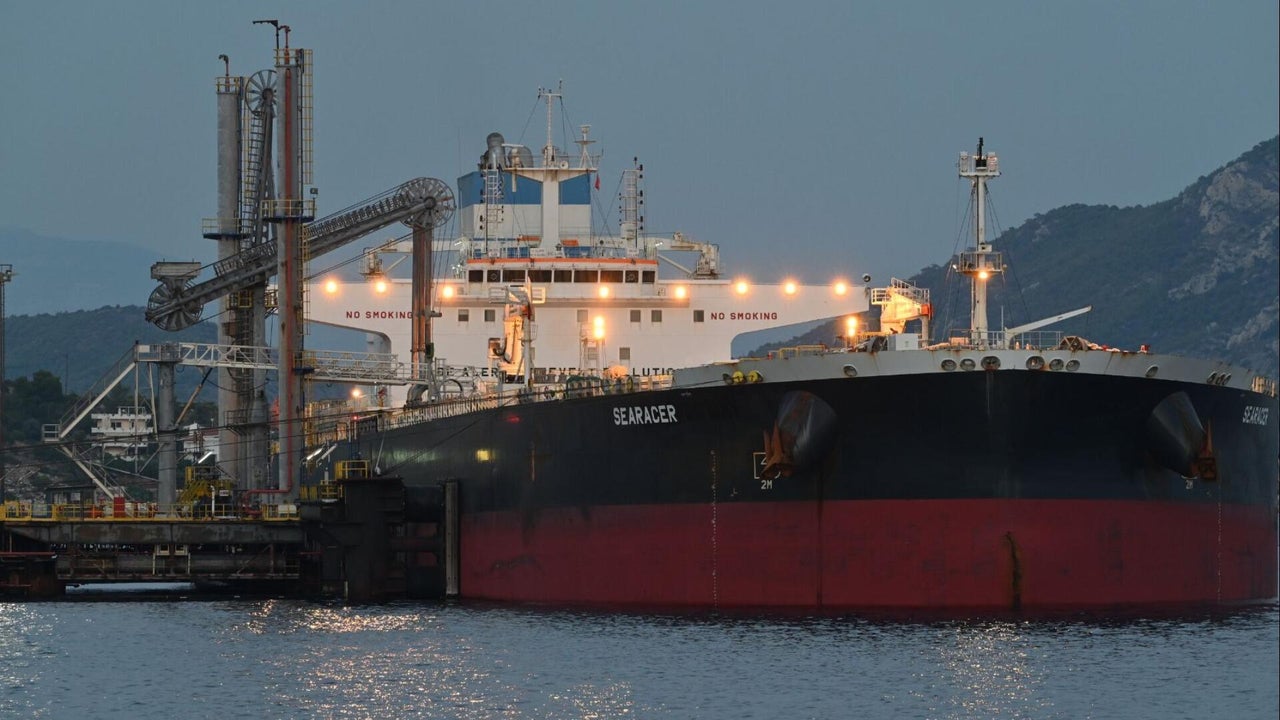
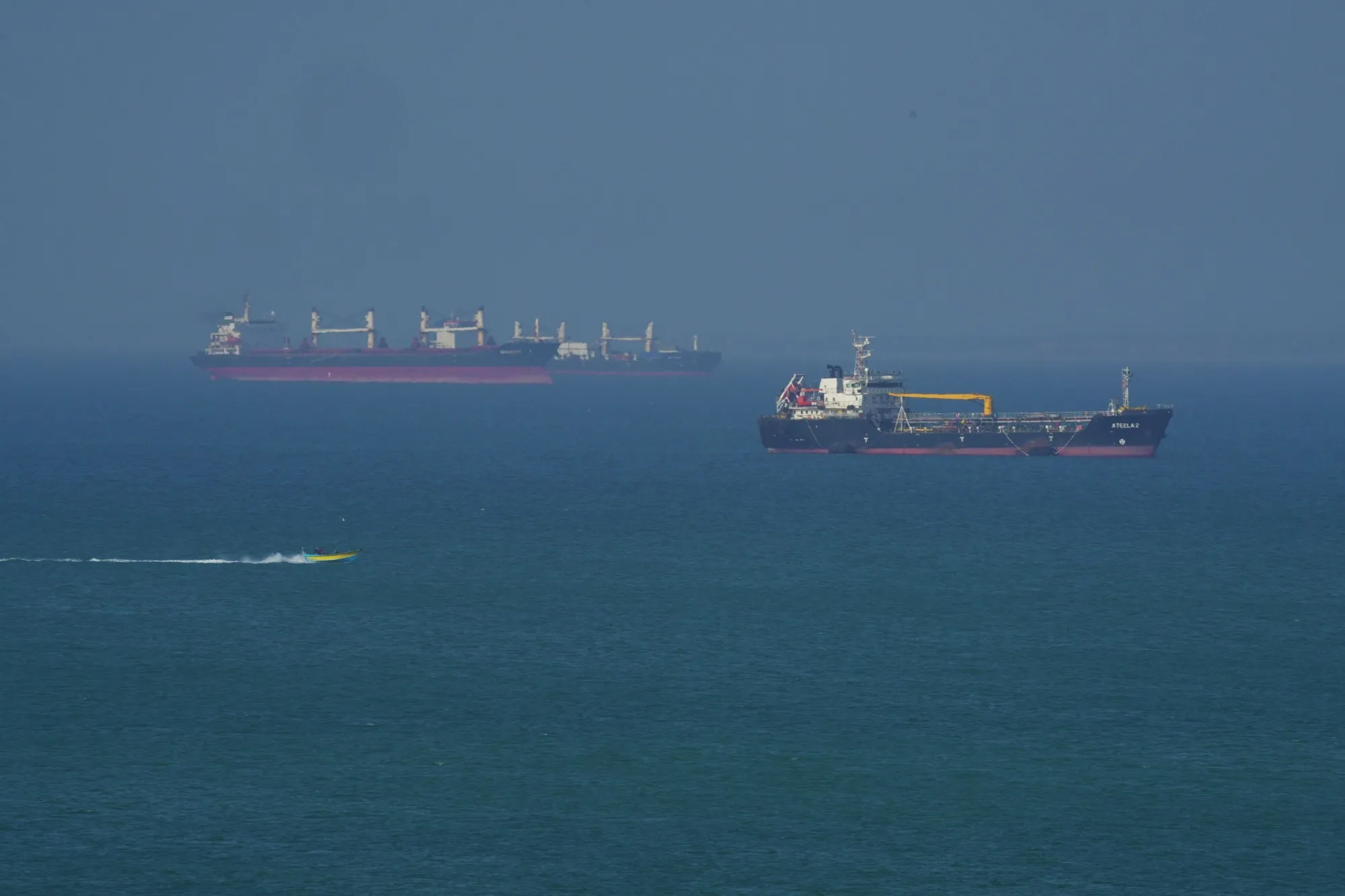
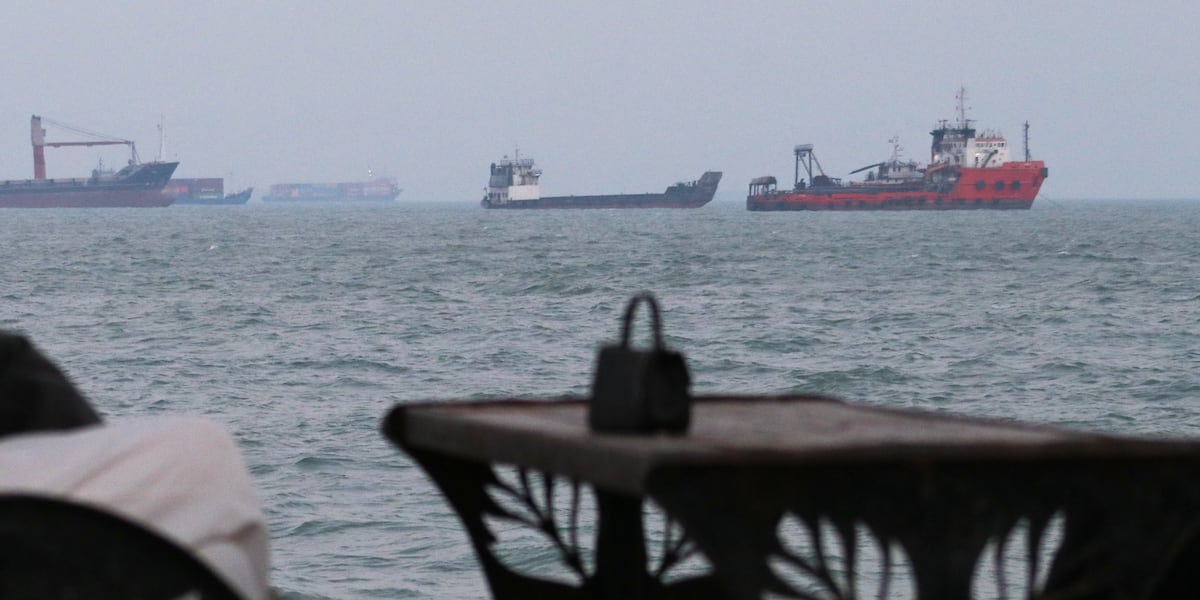
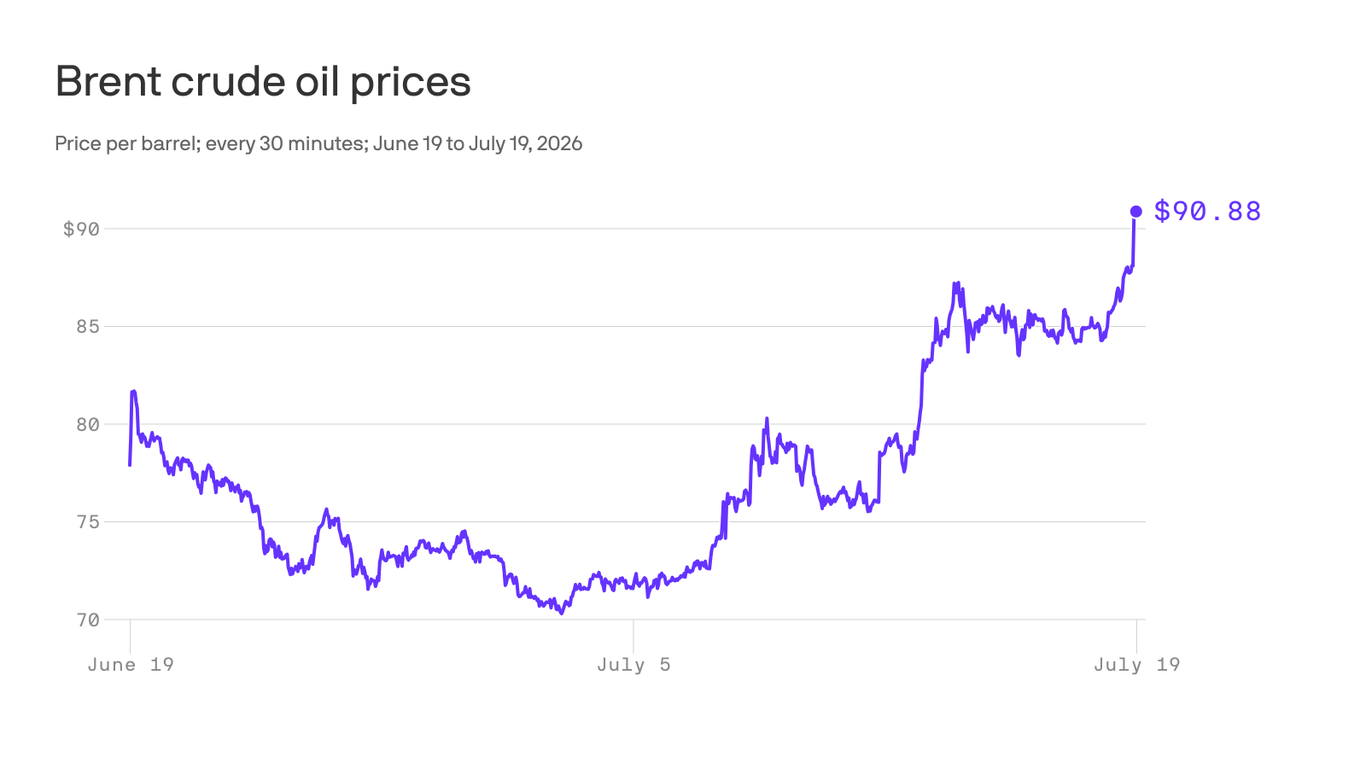
Escalating U.S.-Iran military conflict has driven Brent crude oil to $91.42 per barrel (3.8% surge on July 19-20, 2026), marking the highest level since June 11. The ninth consecutive night of American airstrikes against Iranian military targets, combined with Iranian counterattacks on commercial shipping, has created severe disruptions to global oil transport through the Strait of Hormuz—a critical chokepoint handling 20-33% of global seaborne petroleum. Vessel transits through the strait collapsed from eight daily to just four, while global oil inventories hit their tightest levels in five years, according to Barclays analyst Amarpreet Singh. This geopolitical escalation directly translates to immediate cost pressures for cross-border e-commerce sellers.
For e-commerce logistics, the impact is quantifiable and imminent. Historical precedent shows oil price spikes of this magnitude typically correlate with 3-8% increases in logistics costs within 30-60 days, depending on shipping method and contract terms. Energy-intensive industries and international freight forwarding services typically pass increased fuel surcharges to e-commerce operators within 2-4 weeks. Sellers relying on air freight or expedited shipping face immediate cost pressures, while ocean freight rates increase gradually as fuel hedging contracts expire. Heavy goods and perishable categories experience disproportionate cost increases due to fuel-dependent logistics. The operational impact varies by seller segment: small sellers (under 1,000 units/month) may absorb 2-3% margin compression, while high-volume sellers (10,000+ units/month) could face $500-2,000 monthly cost increases. Sellers using Amazon FBA, Shopify fulfillment, or 3PL providers should expect surcharge notifications within 14-21 days.
Strategic sourcing and supply chain decisions face new urgency. Quantum Strategy analyst David Roche projects oil inventory depletion could create market stress by September 2026, with price targets between $95-$105 per barrel if hostilities continue. The Strait of Hormuz disruption risk creates a 3-6 month window of elevated logistics costs. Sellers should immediately review fuel surcharge policies from major logistics providers (FedEx, UPS, DHL, ocean freight carriers) and model pricing adjustments. Supply chain diversification away from fuel-intensive routes—such as shifting from air freight to slower ocean routes, or sourcing from Vietnam/India instead of China to reduce transit distances—becomes strategically valuable. Sellers with just-in-time inventory models face higher carrying costs and potential supply chain delays, making inventory buffer strategies essential. The conflict's expansion beyond military targets raises uncertainty about potential disruptions to the Strait of Hormuz, creating compliance and operational risks for sellers dependent on Middle East transit routes.
Questions 8
What compliance and operational risks should sellers monitor regarding Middle East shipping disruptions?
The conflict's expansion beyond military targets raises uncertainty about potential disruptions to the Strait of Hormuz, creating compliance and operational risks for sellers dependent on Middle East transit routes. Sellers should monitor: (1) Insurance requirements for vessels transiting the Strait (war risk insurance may become mandatory or more expensive); (2) Customs clearance delays if shipping routes shift away from traditional Middle East corridors; (3) Regulatory changes in destination countries responding to supply chain disruptions; (4) Force majeure clauses in logistics contracts—ensure they protect sellers if carriers cannot deliver on schedule. Sellers should diversify shipping routes away from the Strait of Hormuz where possible, and maintain communication with logistics providers about contingency plans. Document all fuel surcharge increases and shipping delays for potential cost recovery or insurance claims. The operational impact extends through at least September 2026 based on analyst projections, so sellers should implement monitoring systems now.
What pricing adjustments should sellers implement to offset increased logistics costs?
Sellers should model 3-8% cost increases in their pricing strategies within 30-60 days, depending on shipping method and contract terms. For high-volume sellers (10,000+ units/month), this translates to $500-2,000 monthly cost increases that require pricing adjustments to maintain margins. Small sellers (under 1,000 units/month) may absorb 2-3% margin compression more easily. Recommended actions: (1) Review current shipping cost structures and identify products with highest fuel sensitivity; (2) Implement tiered pricing adjustments (2-5% for ocean freight, 5-8% for air freight) by August 2026; (3) Monitor fuel surcharge announcements from logistics providers and adjust pricing within 7-10 days of surcharge implementation; (4) Consider promotional strategies to offset price increases and maintain competitiveness. Sellers should avoid aggressive price increases that trigger demand destruction; instead, implement gradual adjustments aligned with competitor pricing.