





Rising Interest Rates & Stagflation Risk | Cross-Border Sellers Face Working Capital Squeeze in H2 2026
- 82% probability of December Fed rate hike signals 200-300 bps cost increase for seller financing; Brent crude surge to $90+ threatens logistics margins across all regions

























































Overview
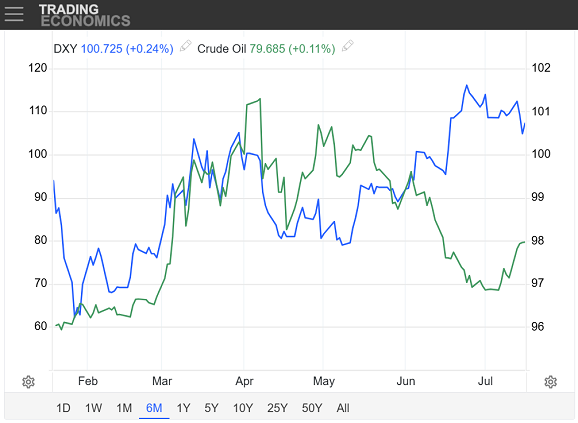
The macroeconomic backdrop for cross-border sellers is deteriorating rapidly. As of July 20, 2026, the Federal Reserve is signaling aggressive rate hikes with an 82% probability of a December increase (up from 73% the prior week), while Middle East geopolitical tensions have driven Brent crude above $90/barrel—a 3% surge driven by Strait of Hormuz shipping disruptions. This stagflation scenario creates a dual financial squeeze: rising interest rates increase the cost of working capital financing by 200-300 basis points, while elevated oil prices compress logistics margins by 8-15% depending on shipping routes and fuel surcharges.
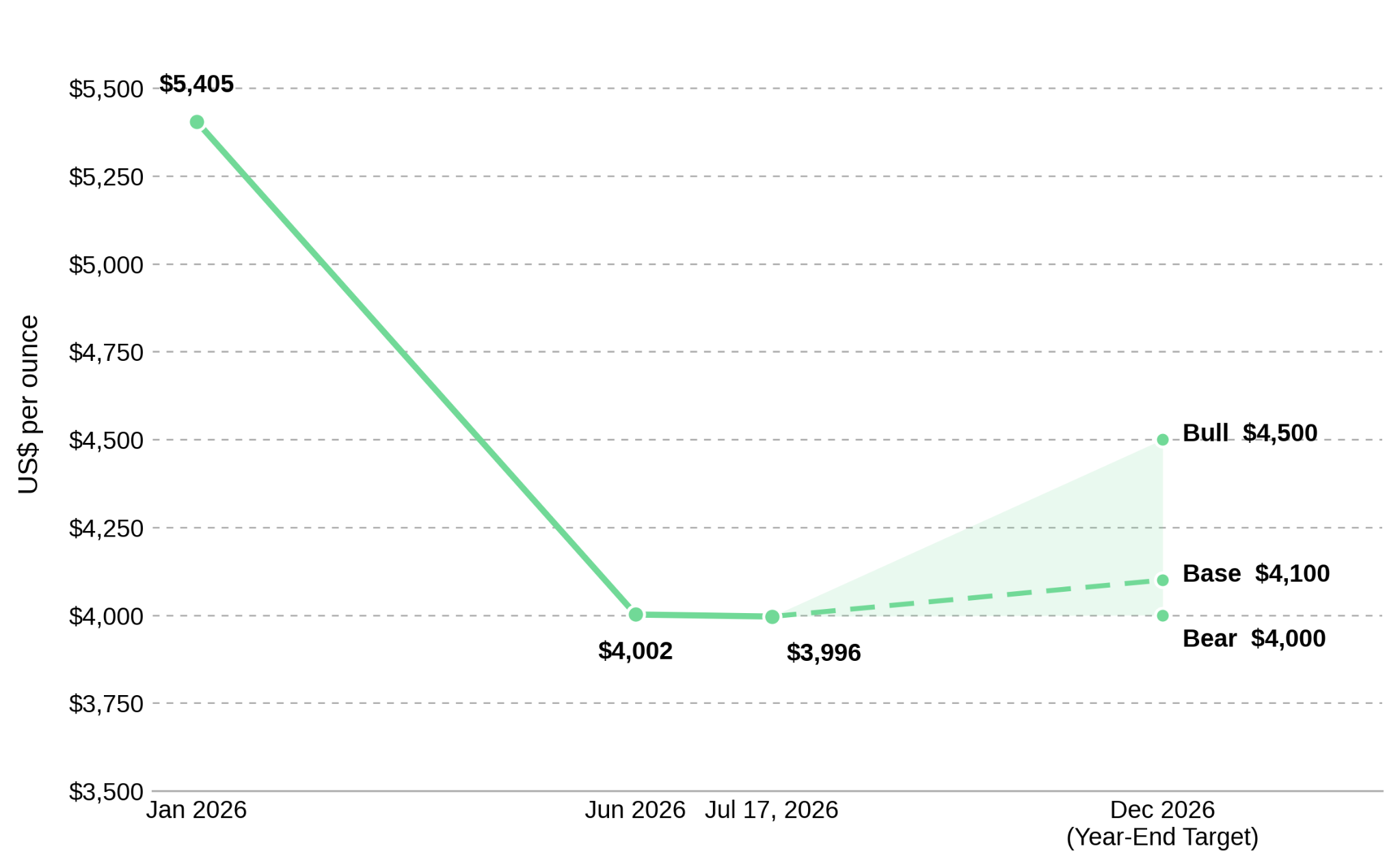
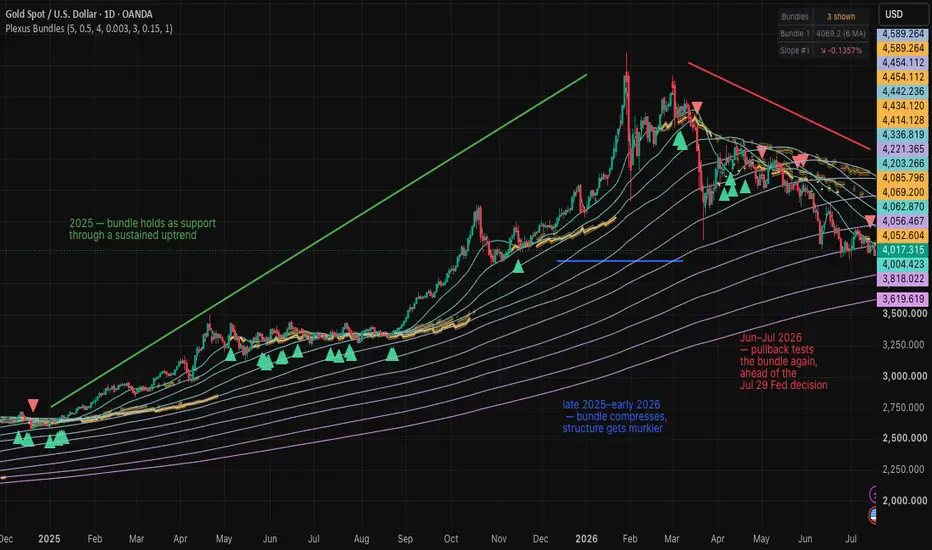
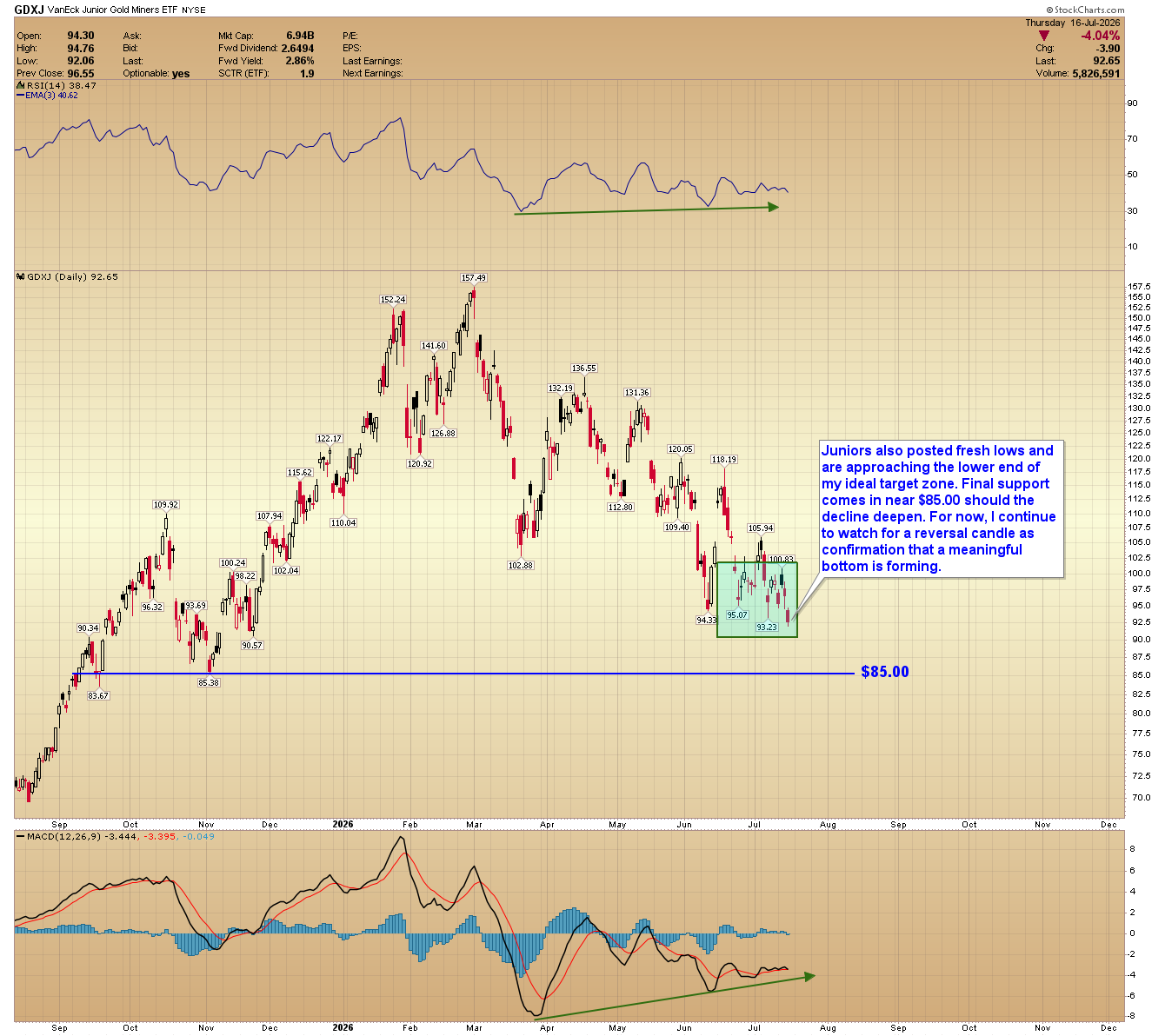
For cross-border sellers, the immediate financial impact is severe. Sellers relying on invoice financing, PO financing, or inventory loans will face APR increases from current 6-9% rates to 8-12% by Q4 2026, directly reducing cash flow available for inventory replenishment. A seller with $500K in outstanding inventory financing could see annual costs rise by $10-15K. Simultaneously, air freight costs are rising 12-18% due to fuel surcharges, while ocean freight is experiencing 5-8% increases as carriers pass through elevated bunker fuel costs. Sellers shipping from China/Vietnam to US/EU markets are most exposed, as these routes depend heavily on fuel-intensive logistics. The negative correlation between gold prices (down 0.1% to $4,014.53) and oil prices signals that traditional inflation hedges are failing—a warning sign that currency volatility will increase, exposing sellers to FX losses of 3-5% on unhedged USD/CNY, EUR/GBP positions over the next 6 months.
Payment and financing optimization becomes critical. Sellers should immediately: (1) Lock in fixed-rate financing now before December rate hikes—factoring rates at 1.5-2.5% monthly (18-30% APR) are still preferable to post-hike rates; (2) Shift to faster payment methods reducing cash conversion cycles—ACH/wire transfers (1-2 days) vs. traditional 30-day terms can free up $50-200K in working capital; (3) Hedge currency exposure using forward contracts on USD/CNY at current rates before further dollar weakness (UBS projects weaker USD over 6-12 months, creating 4-6% headwinds for sellers with CNY liabilities); (4) Evaluate regional payment advantages—Singapore and Hong Kong entities benefit from lower financing costs (2-3% cheaper than US entities) and better FX rates on Asian trade corridors. Sellers should also accelerate inventory turnover to reduce storage costs and financing duration, as working capital tied up in slow-moving inventory becomes increasingly expensive.
Questions 8
What financing products should I prioritize before December 2026 rate hikes?
Prioritize in this order: (1) **Fixed-rate PO financing** (8-10% APR, locked for 12 months) for inventory purchases—lock in now before rates rise; (2) **Invoice factoring** (1.5-2.5% monthly) for immediate cash needs—rates will rise to 2-3% post-hike; (3) **Inventory loans** (7-9% APR) for working capital—refinance existing variable-rate loans to fixed-rate before December. Avoid variable-rate products. A seller with $2M in annual financing needs saves $20-40K by locking in fixed rates now vs. waiting for post-hike rates. Evaluate lenders like Fundbox, Clearco, and traditional banks offering seller-specific products.
How should I adjust my pricing strategy given stagflation and rising interest rates?
Implement 5-8% price increases on high-margin categories (electronics, beauty, home goods) to offset rising financing costs and logistics expenses. However, avoid aggressive pricing on price-sensitive categories (apparel, home basics) where demand elasticity is high. Monitor competitor pricing weekly using tools like Keepa or Jungle Scout to maintain Buy Box eligibility. For sellers with 30-40% gross margins, a 5% price increase directly improves net margin by 1.5-2% after accounting for increased financing costs. Test price increases on 10-20% of SKUs first to measure demand impact before rolling out broadly.