



TSMC's $265B Arizona Expansion Signals AI Infrastructure Boom | Seller Automation Opportunities
- TSMC commits $265B to US semiconductor manufacturing; AI chip demand drives 33.7% YoY revenue growth; sellers can leverage AI automation to capture emerging hardware/tech product opportunities




Overview
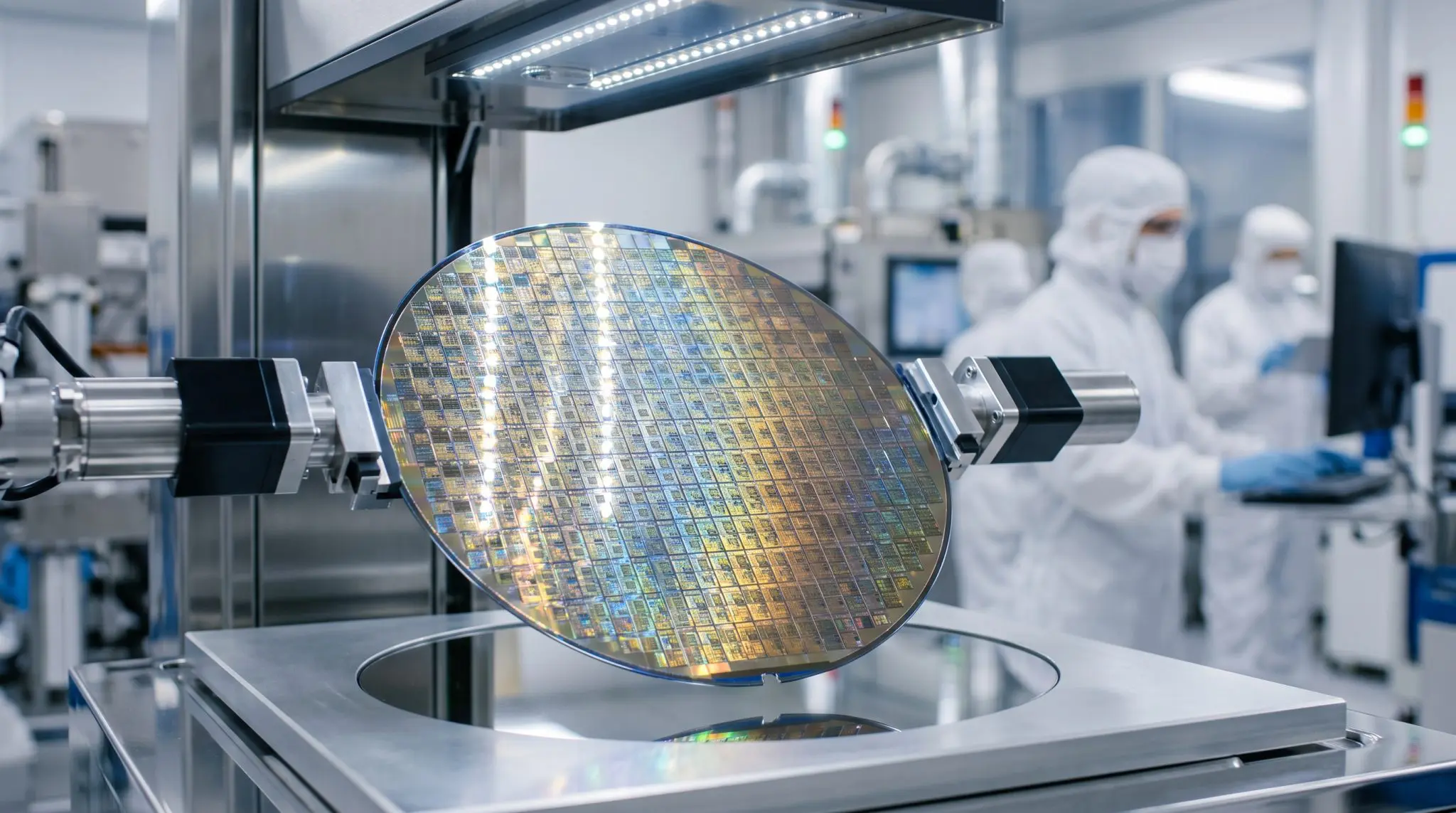
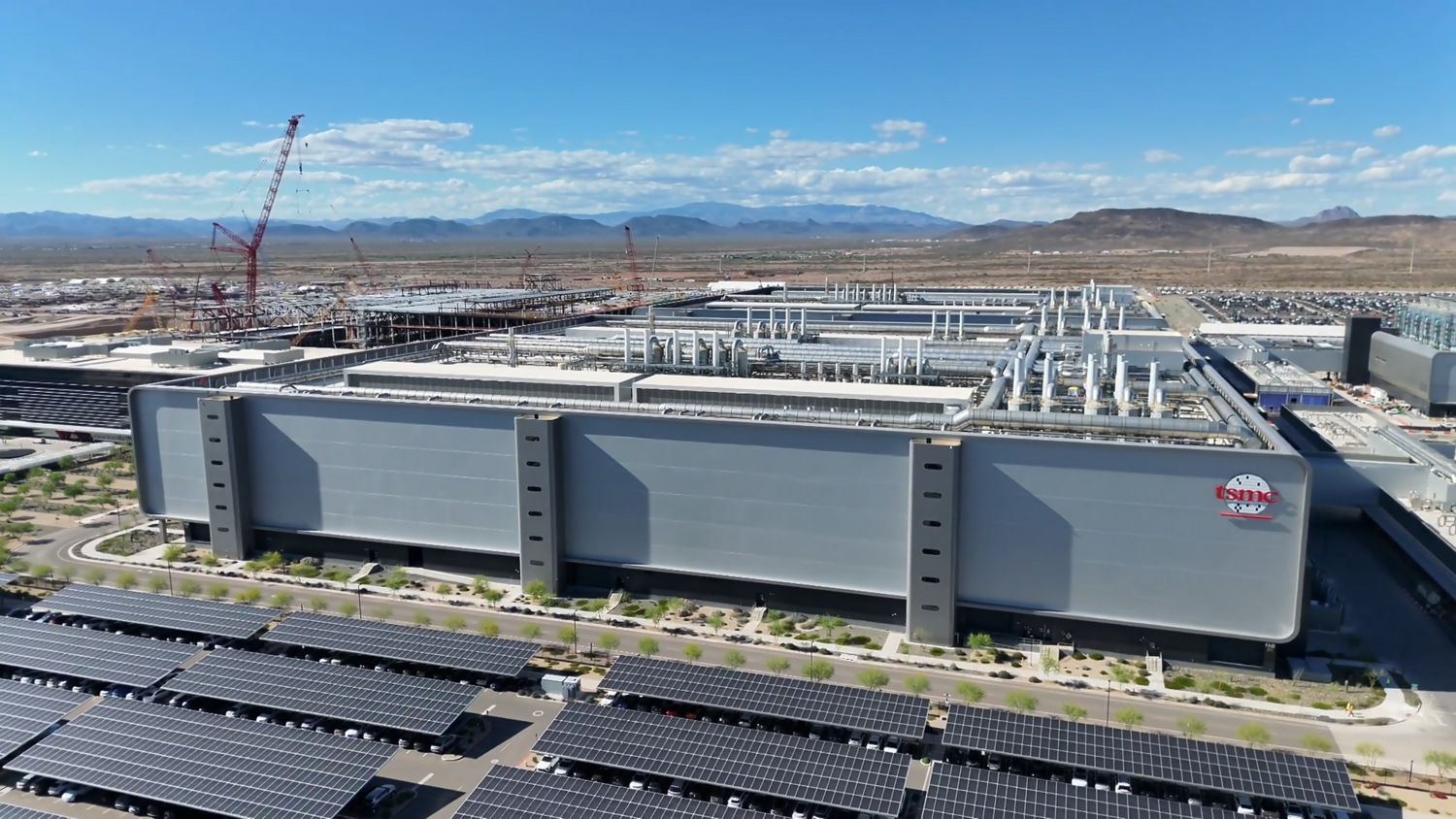
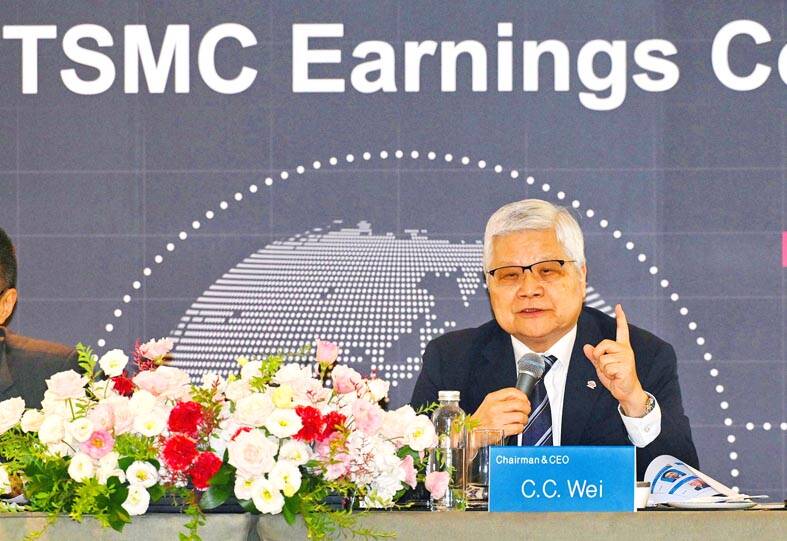
TSMC's massive $265 billion Arizona investment commitment represents a structural shift in global semiconductor manufacturing and signals sustained multi-year AI infrastructure demand that directly impacts e-commerce sellers. The company announced a $100 billion increase in Arizona spending (bringing total to $265B), with Q2 2026 revenue reaching $40.2 billion (33.7% YoY growth) and full-year guidance raised to 40%+ growth. CFO Wendell Huang confirmed 2-nanometer technology will drive significant Q3 revenue, while TSMC operates 4 Arizona fabrication plants with plans for 12 total fabs plus R&D center. This semiconductor expansion creates cascading opportunities for e-commerce sellers across multiple vectors.
For sellers, the immediate automation opportunity lies in AI-powered product research and competitive intelligence. TSMC's expansion signals explosive growth in AI-enabled devices (servers, edge computing hardware, AI accelerators, specialized processors) that will flood e-commerce channels within 12-24 months. Sellers can deploy AI tools like Helium 10, Jungle Scout, and ChatGPT-powered research agents to identify emerging product categories before competitors—specifically: AI server components, GPU cooling solutions, data center networking equipment, and AI-optimized consumer electronics. Automation potential: 15-20 hours/week saved on manual market research through AI-driven trend analysis and competitor monitoring. The $265B capex commitment signals this isn't cyclical—it's structural, meaning sellers have 18-36 months to establish market position before saturation.
AI-driven pricing optimization and dynamic inventory management become critical competitive advantages. With semiconductor supply stabilizing and costs declining (TSMC's 67.7% gross margins indicate pricing power), sellers can use AI pricing engines (Repricing Express, Keepa AI, or custom algorithms) to capture margin expansion as component costs fall. Predictive analytics can forecast demand for AI-adjacent products (thermal management, power supplies, enclosures) 60-90 days ahead of market peaks. Sellers implementing AI-powered inventory forecasting can reduce stockouts by 25-35% while cutting excess inventory by 15-20%, directly improving cash flow. The geopolitical context (U.S.-China tensions, export controls affecting 8% of TSMC's revenue) creates supply volatility that AI monitoring systems can detect and exploit through dynamic pricing and inventory rebalancing.
Questions 8
How can sellers use AI to monitor geopolitical supply chain risks from this expansion?
TSMC faces geopolitical headwinds including U.S.-China tensions and export controls affecting 8% of revenue. Sellers should deploy AI monitoring systems to track: (1) TSMC supply announcements and production updates (automated news aggregation); (2) Competitor inventory levels and pricing changes (AI-powered competitive intelligence); (3) Geopolitical risk indicators affecting Taiwan-US relations (sentiment analysis on policy news). This creates 30-60 day early warning system for supply disruptions. Sellers can use AI-driven dynamic pricing to hedge against supply volatility—when geopolitical risk increases, AI systems can automatically increase prices 5-8% to capture margin before potential shortages. The $71B potential penalty TSMC faces for Huawei exports adds uncertainty that AI risk monitoring can quantify.
Which product categories will benefit most from TSMC's Arizona expansion?
Four product categories will see explosive growth: (1) AI server components and data center hardware (direct beneficiary of TSMC's 2nm and 3nm production); (2) GPU cooling solutions and thermal management products (demand scales with AI chip production); (3) Power supplies and electrical components for AI systems (supporting infrastructure); (4) Consumer AI devices and edge computing hardware (downstream demand). TSMC's plan for 12 Arizona fabs plus R&D center signals 3-5 year production ramp, meaning sellers have immediate opportunity to establish brand presence and market share before category saturation. Sellers in electronics and computer components categories should prioritize these subcategories for inventory allocation.