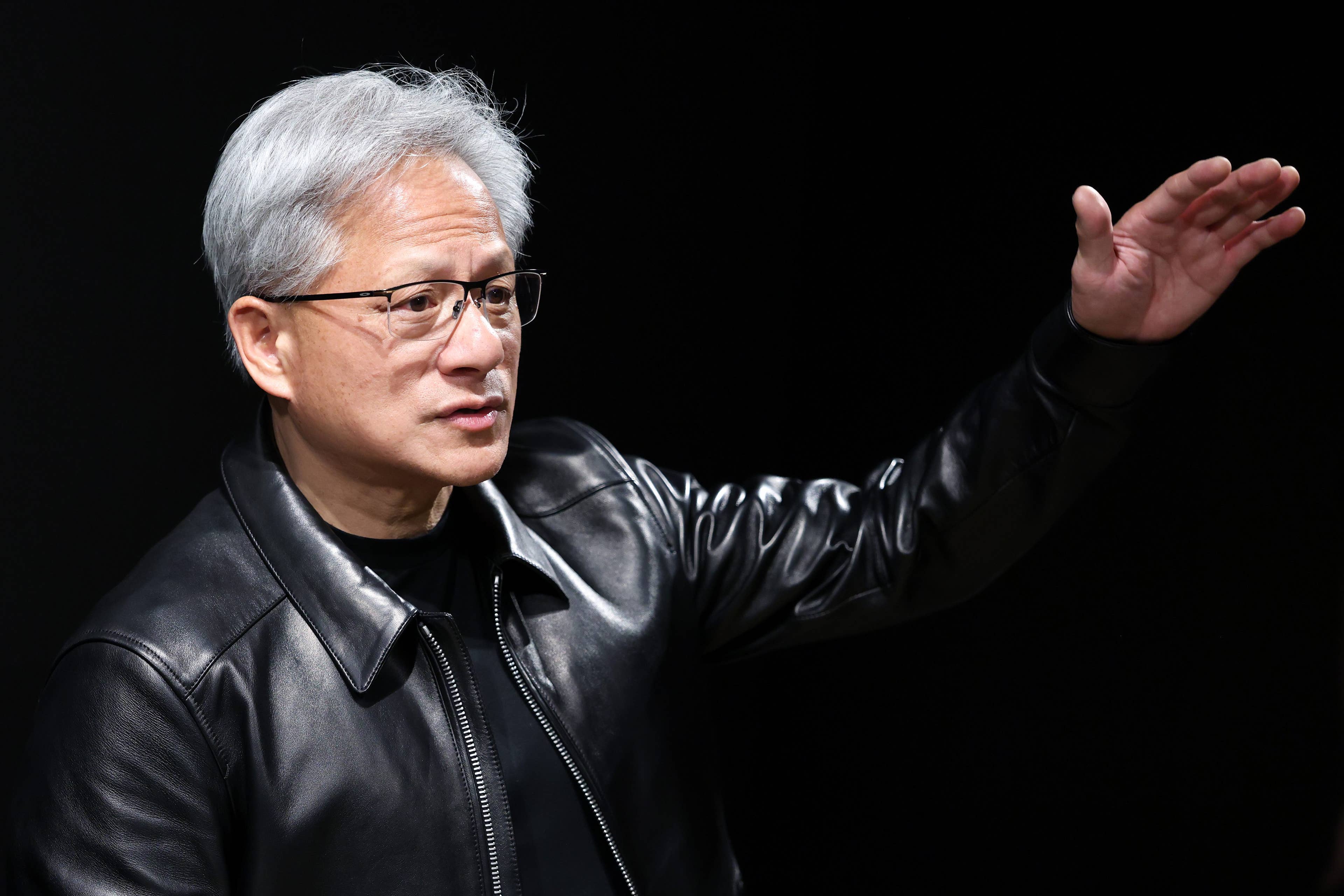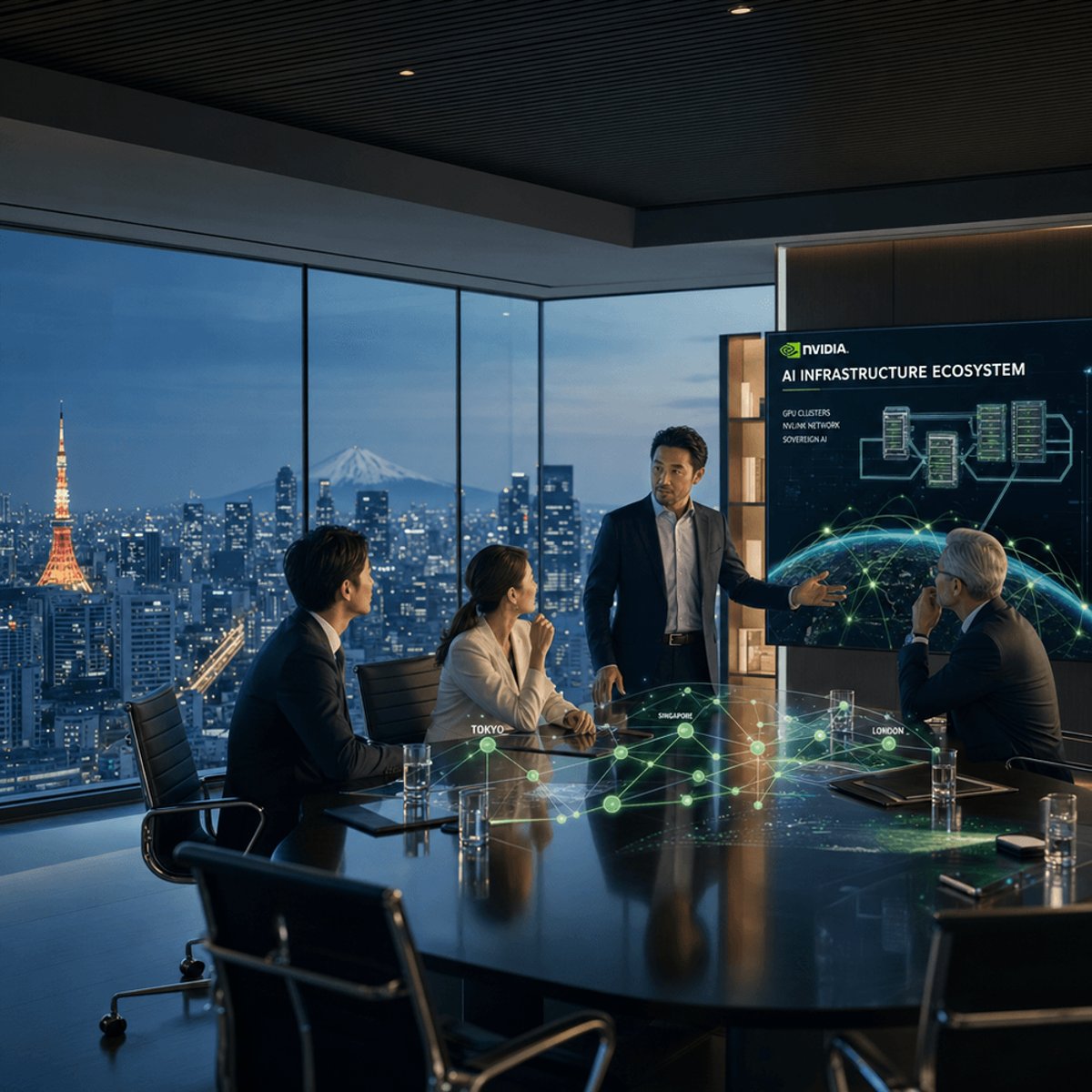


Jensen Huang's July 2025 Tokyo visit signals a fundamental shift in Asia's AI hardware supply chain, with direct implications for cross-border sellers in industrial automation, robotics components, and manufacturing equipment categories. Japan's government is committing 370 trillion yen ($2.3 trillion) in public and private investment by 2040 to deploy 10 million AI-equipped robots across 18 sectors, positioning the country to capture over 30% of the global AI robotics market (valued at ~133 billion USD). This represents a massive procurement window for sellers specializing in robotics components, industrial sensors, automation software, and manufacturing equipment.
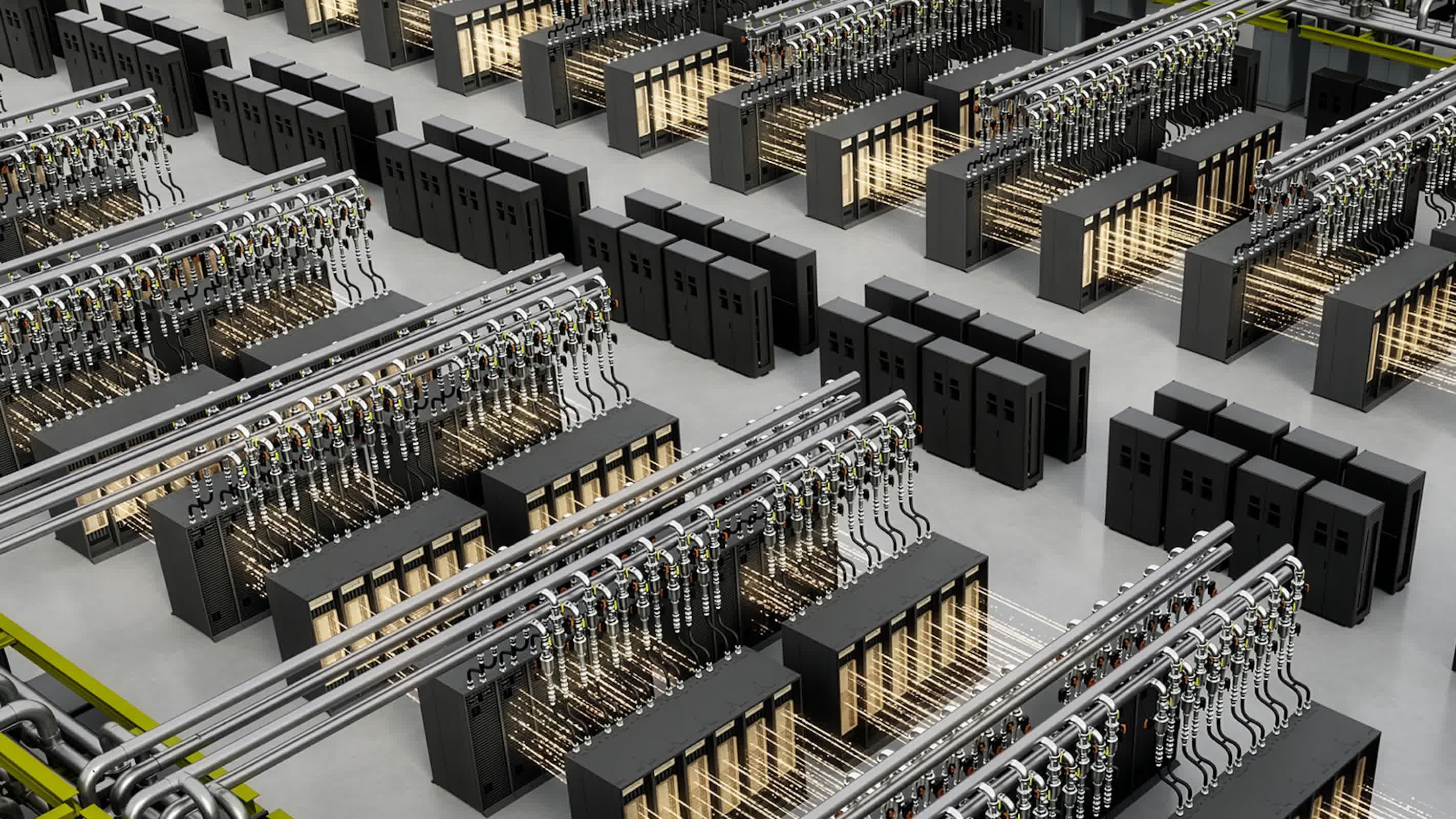
The immediate opportunity lies in Japan's three-stage Noetra project roadmap: The Vera Rubin AI factory launching in 2028 will deploy 13,750 Vera CPUs and 27,500 Rubin GPUs, creating demand for supporting infrastructure, cooling systems, power management components, and data center equipment. Sellers with expertise in semiconductor packaging, thermal management solutions, and industrial-grade electronics can position themselves as suppliers to Japanese manufacturers ramping production. The robotics coalition—including Fanuc, Yaskawa, Kawasaki Heavy, Sony, and Honda—committing to Nvidia's Cosmos models signals accelerated factory automation adoption, driving demand for compatible sensors, vision systems, and integration services.
For cross-border sellers, this creates three distinct market opportunities: (1) Component suppliers can target Japanese manufacturers upgrading production lines with AI-compatible equipment—expect 15-25% annual growth in industrial automation categories through 2028; (2) Software and integration service providers can capitalize on the Japanese-language reasoning model (fiscal 2026 deadline) and omni-modal AI version (2028), creating localization and deployment services demand; (3) Logistics and supply chain optimization sellers can serve the 10 million robot deployment across 18 sectors, requiring inventory management, predictive maintenance, and supply chain visibility tools.
Competitive advantage shifts toward sellers with Japan market expertise: The government's push for "AI sovereignty" and reduced dependence on American or Chinese infrastructure creates preference for supply chain diversification. Sellers based in Taiwan, South Korea, and Southeast Asia (Vietnam, Thailand) gain advantages in proximity and tariff positioning. US-based sellers should emphasize IP protection, compliance certifications, and long-term partnership stability. The 2028-2030 deployment timeline creates a 3-year window before mass-market competition intensifies—early movers establishing relationships with Fanuc, Yaskawa, and Toyota can secure preferred supplier status.
High-margin categories include: (1) **Industrial vision systems and sensors** (30-40% gross margins) for robot perception and quality control; (2) **Thermal management and cooling components** (25-35% margins) for data center and GPU cooling; (3) **Motion control and actuator systems** (28-38% margins) for robot precision and automation; (4) **Software and integration services** (40-60% margins) for AI model deployment and factory automation; (5) **Predictive maintenance and IoT platforms** (35-50% margins) for supply chain optimization. Sellers with specialized expertise in industrial-grade electronics, semiconductor packaging, or manufacturing software can command premium pricing due to high technical barriers to entry. The B2B nature of these categories means longer sales cycles (6-12 months) but higher contract values ($50K-$500K+) and customer lifetime value. Sellers should focus on building technical credibility and certifications (ISO 9001, IEC standards) to compete effectively.
Japan's industrial automation market requires compliance with: (1) **ISO 9001** (quality management) and **ISO 13849-1** (safety of machinery); (2) **IEC 61508** (functional safety for electrical/electronic systems); (3) **Japan's Machinery Safety Directive** (equivalent to EU Machinery Directive); (4) **Electromagnetic compatibility (EMC) standards** for industrial equipment. For AI-specific products, sellers should prepare for emerging Japanese AI governance standards and the government's AI ethics guidelines. Data localization requirements may apply to software and cloud-based solutions, requiring Japan-based servers or partnerships with local providers. Sellers should budget 3-6 months for certification processes and factor compliance costs ($10K-$50K depending on product complexity) into pricing. Establishing relationships with Japanese certification bodies (JQA, JCQA) early can accelerate market entry. The government's AI sovereignty focus may create preferential treatment for suppliers meeting Japan-specific standards, making early compliance a competitive advantage.
Japan targets capturing over 30% of the global AI robotics market, which is valued at approximately 133 billion USD (20 trillion yen). The country aims to deploy 10 million AI-equipped robots across 18 sectors by 2040, with 370 trillion yen ($2.3 trillion) in combined public and private investment. This translates to an average of 230 billion USD annually through 2040, representing one of the largest industrial transformation initiatives globally. For cross-border sellers, this means sustained demand growth in robotics components, automation software, and manufacturing equipment categories. The 18-sector deployment (manufacturing, logistics, healthcare, agriculture, etc.) creates diversified opportunities beyond traditional automotive and electronics manufacturing.
The robotics coalition includes Fanuc, Yaskawa, Kawasaki Heavy, Sony, and Honda, all committing to Nvidia's Cosmos models for factory automation. These manufacturers require compatible sensors, vision systems, motion control components, and integration services to upgrade existing production lines. Fanuc and Yaskawa, as leading industrial robot makers, will need AI-compatible actuators, feedback systems, and software integration tools. Toyota's expansion of Nvidia's Drive platform into vehicle manufacturing and production-line simulations signals demand for autonomous vehicle components, simulation software, and manufacturing execution systems. Sellers with expertise in industrial sensors, vision systems, and automation software can directly target these manufacturers' procurement departments through trade shows, industry associations, and direct outreach.
The deployment follows a three-stage roadmap: Japanese-language reasoning model by fiscal 2026, omni-modal AI version by 2028, and real-world native AI for robots by 2030. The Vera Rubin AI factory launches in 2028, creating a critical procurement window in 2026-2027 for supporting infrastructure. Sellers should begin relationship-building immediately with Fanuc, Yaskawa, and Toyota through industry associations and trade shows. The 2028-2030 window represents the main deployment phase for 10 million robots across 18 sectors, meaning component suppliers need to establish supply agreements by 2027 to capture volume orders. Early movers establishing preferred supplier status with major Japanese manufacturers can secure 3-5 year contracts before mass-market competition intensifies. Sellers should prioritize Japan market entry within the next 12-18 months to position for 2026-2027 procurement cycles.
Japan's push for 'AI sovereignty and reduced dependence on American or Chinese infrastructure' creates both opportunities and barriers for cross-border sellers. While the country remains reliant on Nvidia's semiconductor technology, it's diversifying supply chains to reduce concentration risk. This favors sellers from Taiwan, South Korea, and Southeast Asia (Vietnam, Thailand) who can position themselves as alternative suppliers outside US-China tensions. US-based sellers should emphasize IP protection, long-term partnership stability, and compliance with Japan's emerging AI standards. The government's 2.3 trillion dollar investment suggests potential tariff exemptions or preferential treatment for components supporting the Noetra project and robotics deployment. Sellers should monitor Japan's Ministry of Economy, Trade and Industry (METI) announcements for procurement preferences and tariff classifications.
Noetra is Japan's sovereign AI initiative backed by 51 trillion yen ($6.2 billion) over five years, launching a Vera Rubin AI factory in 2028 with 13,750 Vera CPUs and 27,500 Rubin GPUs. This creates immediate demand for supporting infrastructure components, thermal management systems, power distribution equipment, and data center cooling solutions. Cross-border sellers specializing in semiconductor packaging, industrial-grade electronics, and thermal solutions can target Japanese manufacturers and system integrators preparing for the 2028 factory launch. The three-stage roadmap (Japanese-language model by fiscal 2026, omni-modal version by 2028, real-world AI for robots by 2030) creates staggered procurement windows, allowing sellers to establish relationships early and secure long-term contracts.
Huang's diplomatic visits to Japan, Taiwan, and South Korea establish Nvidia as the critical hardware partner across Asia's physical AI revolution. This creates a tiered supply chain opportunity: (1) **Tier 1 suppliers** (Fanuc, Yaskawa, Sony, Honda) will source directly from Nvidia and integrate Cosmos/Drive platforms; (2) **Tier 2 suppliers** (component makers, system integrators) will supply these manufacturers with compatible equipment; (3) **Tier 3 sellers** (software, services, logistics) will serve the entire ecosystem. Cross-border sellers should identify which tier they can compete in based on technical capabilities and capital requirements. The strategy also signals that Taiwan and South Korea will remain critical manufacturing hubs for AI hardware, creating sourcing opportunities for sellers in these regions. US-based sellers face increased competition from Asian suppliers with proximity advantages, making differentiation through IP, certifications, and service quality essential.
High-margin categories include: (1) **Industrial vision systems and sensors** (30-40% gross margins) for robot perception and quality control; (2) **Thermal management and cooling components** (25-35% margins) for data center and GPU cooling; (3) **Motion control and actuator systems** (28-38% margins) for robot precision and automation; (4) **Software and integration services** (40-60% margins) for AI model deployment and factory automation; (5) **Predictive maintenance and IoT platforms** (35-50% margins) for supply chain optimization. Sellers with specialized expertise in industrial-grade electronics, semiconductor packaging, or manufacturing software can command premium pricing due to high technical barriers to entry. The B2B nature of these categories means longer sales cycles (6-12 months) but higher contract values ($50K-$500K+) and customer lifetime value. Sellers should focus on building technical credibility and certifications (ISO 9001, IEC standards) to compete effectively.
Japan's industrial automation market requires compliance with: (1) **ISO 9001** (quality management) and **ISO 13849-1** (safety of machinery); (2) **IEC 61508** (functional safety for electrical/electronic systems); (3) **Japan's Machinery Safety Directive** (equivalent to EU Machinery Directive); (4) **Electromagnetic compatibility (EMC) standards** for industrial equipment. For AI-specific products, sellers should prepare for emerging Japanese AI governance standards and the government's AI ethics guidelines. Data localization requirements may apply to software and cloud-based solutions, requiring Japan-based servers or partnerships with local providers. Sellers should budget 3-6 months for certification processes and factor compliance costs ($10K-$50K depending on product complexity) into pricing. Establishing relationships with Japanese certification bodies (JQA, JCQA) early can accelerate market entry. The government's AI sovereignty focus may create preferential treatment for suppliers meeting Japan-specific standards, making early compliance a competitive advantage.
Japan targets capturing over 30% of the global AI robotics market, which is valued at approximately 133 billion USD (20 trillion yen). The country aims to deploy 10 million AI-equipped robots across 18 sectors by 2040, with 370 trillion yen ($2.3 trillion) in combined public and private investment. This translates to an average of 230 billion USD annually through 2040, representing one of the largest industrial transformation initiatives globally. For cross-border sellers, this means sustained demand growth in robotics components, automation software, and manufacturing equipment categories. The 18-sector deployment (manufacturing, logistics, healthcare, agriculture, etc.) creates diversified opportunities beyond traditional automotive and electronics manufacturing.
The robotics coalition includes Fanuc, Yaskawa, Kawasaki Heavy, Sony, and Honda, all committing to Nvidia's Cosmos models for factory automation. These manufacturers require compatible sensors, vision systems, motion control components, and integration services to upgrade existing production lines. Fanuc and Yaskawa, as leading industrial robot makers, will need AI-compatible actuators, feedback systems, and software integration tools. Toyota's expansion of Nvidia's Drive platform into vehicle manufacturing and production-line simulations signals demand for autonomous vehicle components, simulation software, and manufacturing execution systems. Sellers with expertise in industrial sensors, vision systems, and automation software can directly target these manufacturers' procurement departments through trade shows, industry associations, and direct outreach.
The deployment follows a three-stage roadmap: Japanese-language reasoning model by fiscal 2026, omni-modal AI version by 2028, and real-world native AI for robots by 2030. The Vera Rubin AI factory launches in 2028, creating a critical procurement window in 2026-2027 for supporting infrastructure. Sellers should begin relationship-building immediately with Fanuc, Yaskawa, and Toyota through industry associations and trade shows. The 2028-2030 window represents the main deployment phase for 10 million robots across 18 sectors, meaning component suppliers need to establish supply agreements by 2027 to capture volume orders. Early movers establishing preferred supplier status with major Japanese manufacturers can secure 3-5 year contracts before mass-market competition intensifies. Sellers should prioritize Japan market entry within the next 12-18 months to position for 2026-2027 procurement cycles.
Japan's push for 'AI sovereignty and reduced dependence on American or Chinese infrastructure' creates both opportunities and barriers for cross-border sellers. While the country remains reliant on Nvidia's semiconductor technology, it's diversifying supply chains to reduce concentration risk. This favors sellers from Taiwan, South Korea, and Southeast Asia (Vietnam, Thailand) who can position themselves as alternative suppliers outside US-China tensions. US-based sellers should emphasize IP protection, long-term partnership stability, and compliance with Japan's emerging AI standards. The government's 2.3 trillion dollar investment suggests potential tariff exemptions or preferential treatment for components supporting the Noetra project and robotics deployment. Sellers should monitor Japan's Ministry of Economy, Trade and Industry (METI) announcements for procurement preferences and tariff classifications.
Noetra is Japan's sovereign AI initiative backed by 51 trillion yen ($6.2 billion) over five years, launching a Vera Rubin AI factory in 2028 with 13,750 Vera CPUs and 27,500 Rubin GPUs. This creates immediate demand for supporting infrastructure components, thermal management systems, power distribution equipment, and data center cooling solutions. Cross-border sellers specializing in semiconductor packaging, industrial-grade electronics, and thermal solutions can target Japanese manufacturers and system integrators preparing for the 2028 factory launch. The three-stage roadmap (Japanese-language model by fiscal 2026, omni-modal version by 2028, real-world AI for robots by 2030) creates staggered procurement windows, allowing sellers to establish relationships early and secure long-term contracts.
Huang's diplomatic visits to Japan, Taiwan, and South Korea establish Nvidia as the critical hardware partner across Asia's physical AI revolution. This creates a tiered supply chain opportunity: (1) **Tier 1 suppliers** (Fanuc, Yaskawa, Sony, Honda) will source directly from Nvidia and integrate Cosmos/Drive platforms; (2) **Tier 2 suppliers** (component makers, system integrators) will supply these manufacturers with compatible equipment; (3) **Tier 3 sellers** (software, services, logistics) will serve the entire ecosystem. Cross-border sellers should identify which tier they can compete in based on technical capabilities and capital requirements. The strategy also signals that Taiwan and South Korea will remain critical manufacturing hubs for AI hardware, creating sourcing opportunities for sellers in these regions. US-based sellers face increased competition from Asian suppliers with proximity advantages, making differentiation through IP, certifications, and service quality essential.
High-margin categories include: (1) **Industrial vision systems and sensors** (30-40% gross margins) for robot perception and quality control; (2) **Thermal management and cooling components** (25-35% margins) for data center and GPU cooling; (3) **Motion control and actuator systems** (28-38% margins) for robot precision and automation; (4) **Software and integration services** (40-60% margins) for AI model deployment and factory automation; (5) **Predictive maintenance and IoT platforms** (35-50% margins) for supply chain optimization. Sellers with specialized expertise in industrial-grade electronics, semiconductor packaging, or manufacturing software can command premium pricing due to high technical barriers to entry. The B2B nature of these categories means longer sales cycles (6-12 months) but higher contract values ($50K-$500K+) and customer lifetime value. Sellers should focus on building technical credibility and certifications (ISO 9001, IEC standards) to compete effectively.
Japan's industrial automation market requires compliance with: (1) **ISO 9001** (quality management) and **ISO 13849-1** (safety of machinery); (2) **IEC 61508** (functional safety for electrical/electronic systems); (3) **Japan's Machinery Safety Directive** (equivalent to EU Machinery Directive); (4) **Electromagnetic compatibility (EMC) standards** for industrial equipment. For AI-specific products, sellers should prepare for emerging Japanese AI governance standards and the government's AI ethics guidelines. Data localization requirements may apply to software and cloud-based solutions, requiring Japan-based servers or partnerships with local providers. Sellers should budget 3-6 months for certification processes and factor compliance costs ($10K-$50K depending on product complexity) into pricing. Establishing relationships with Japanese certification bodies (JQA, JCQA) early can accelerate market entry. The government's AI sovereignty focus may create preferential treatment for suppliers meeting Japan-specific standards, making early compliance a competitive advantage.