



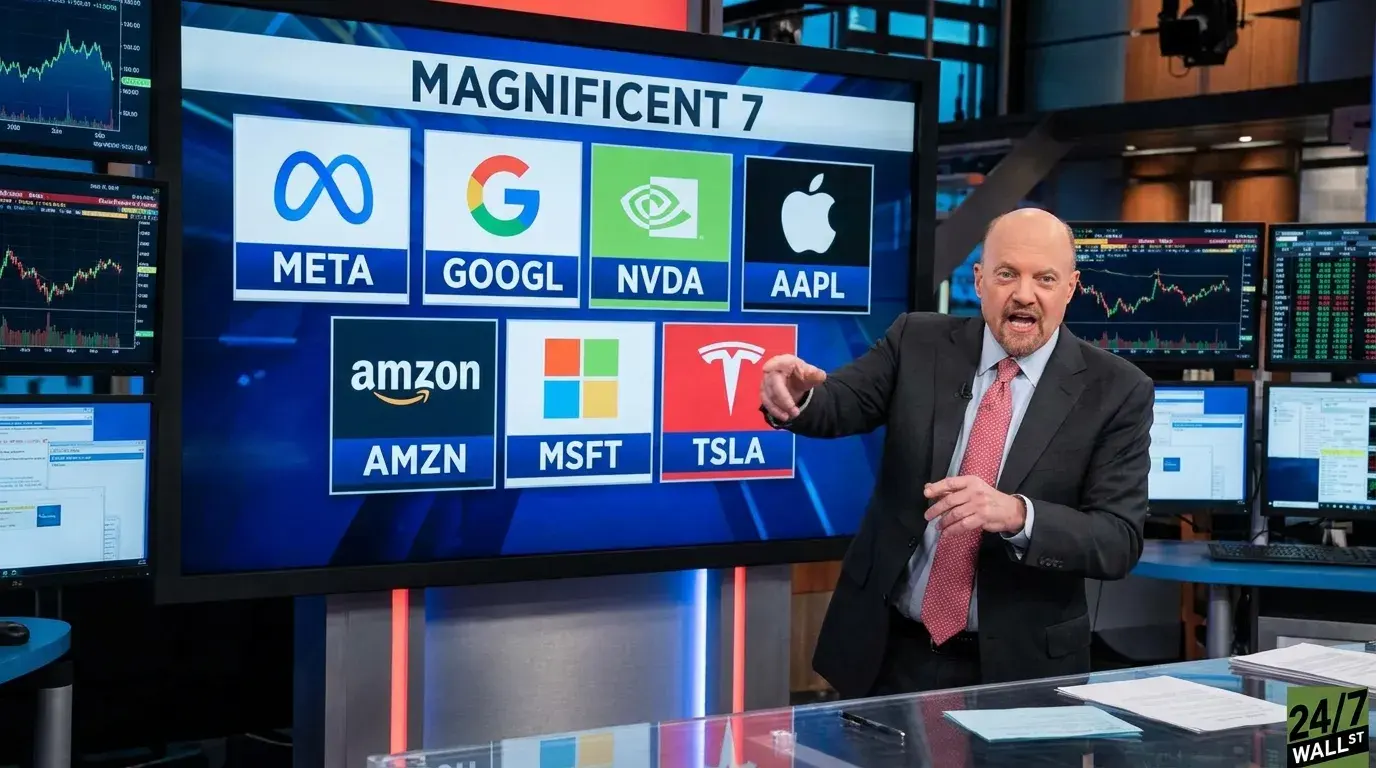

AI Infrastructure Boom & Tech Valuations | Seller Opportunity in Cloud Computing Demand
- Magnificent Seven stocks trading at 2.5x lower valuations than 2000 dot-com era; Meta's AI-driven ad tools boost seller conversion rates; Microsoft Azure expansion creates logistics optimization opportunities for cross-border sellers




















Overview
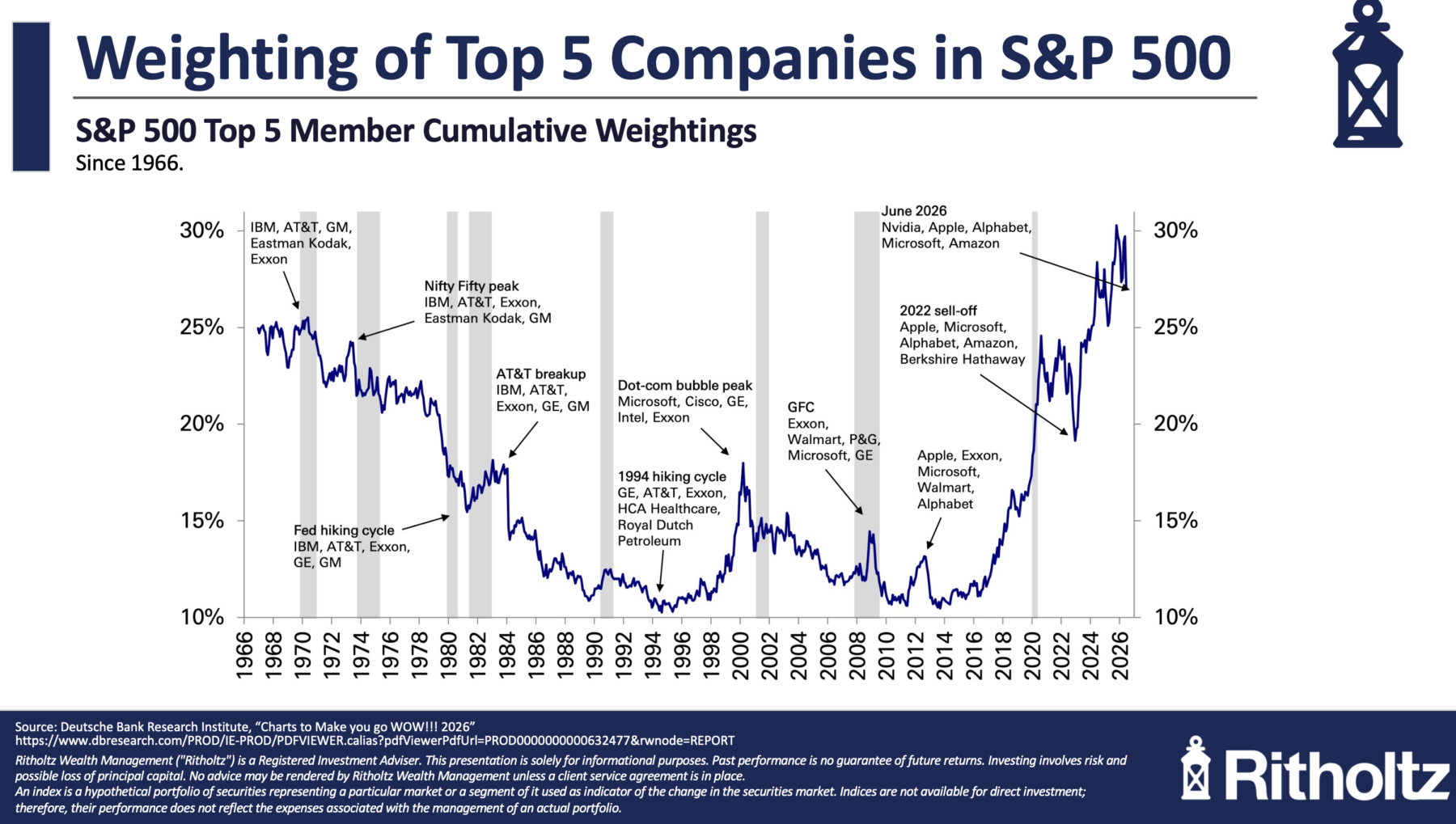
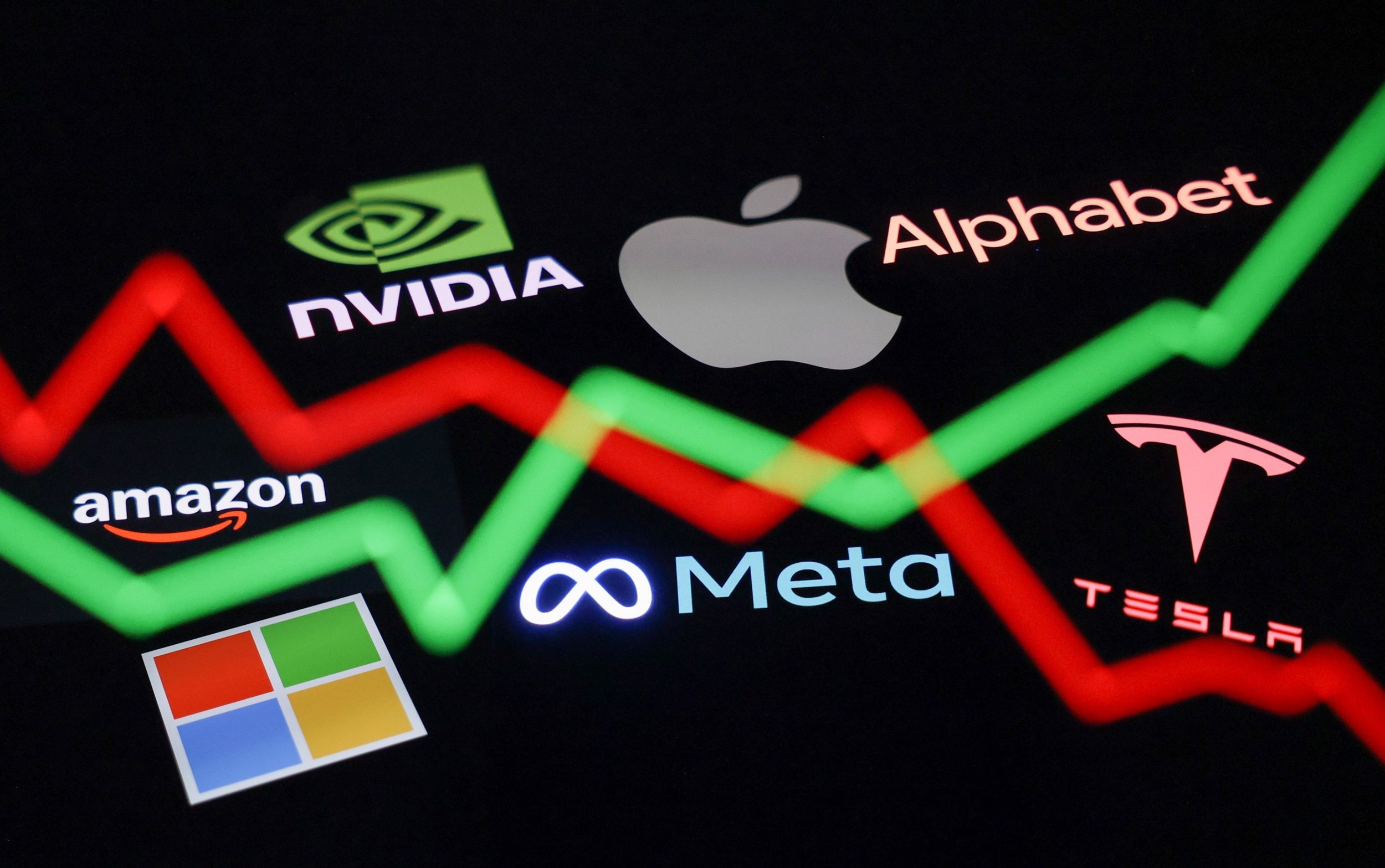
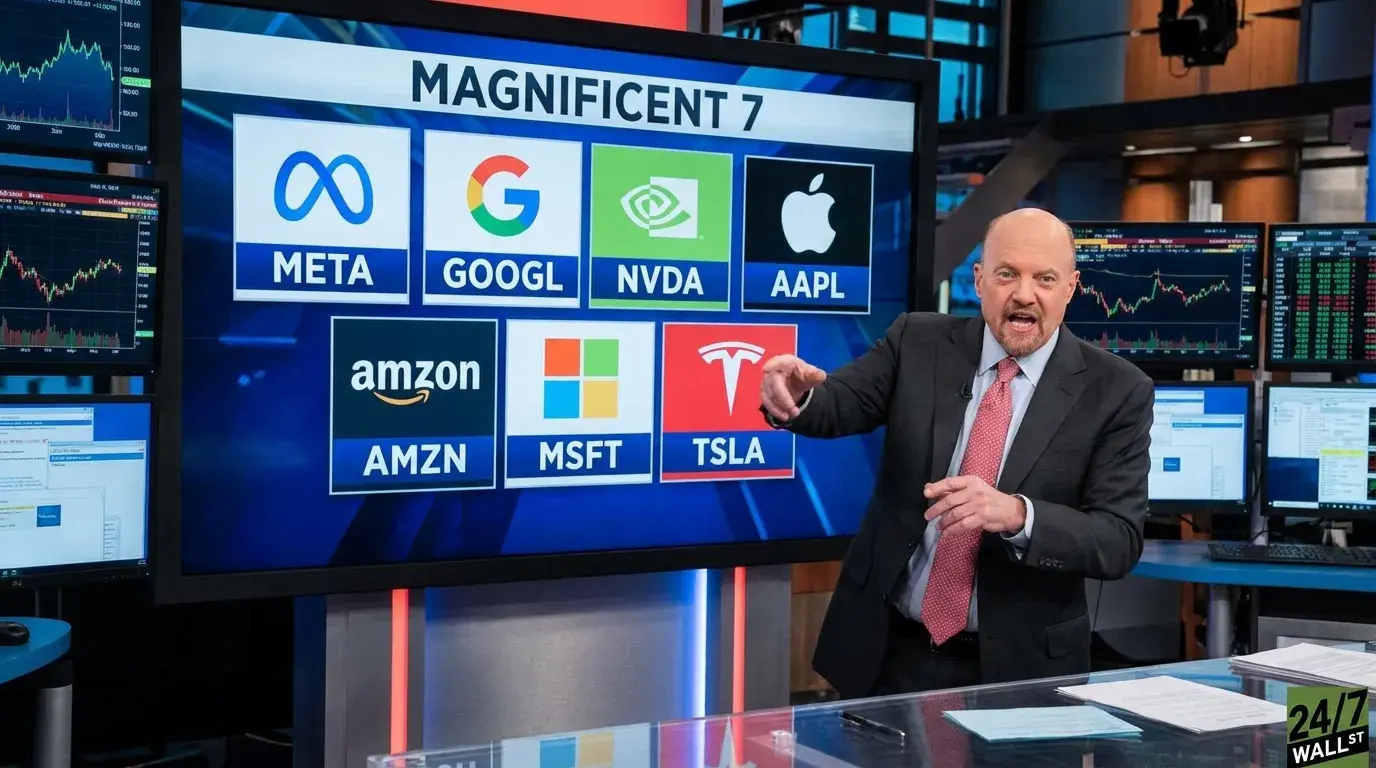
The technology sector is experiencing a fundamental shift in valuation metrics and infrastructure investment that directly impacts e-commerce sellers' operational costs and advertising effectiveness. The Magnificent Seven stocks—including Amazon, Meta, and Microsoft—now trade at historically attractive valuations (Nvidia at 16x fiscal 2028 estimates, Meta at 18.5x, Microsoft at 20.5x) compared to the 2000 dot-com bubble when Microsoft traded at 60x PE ratios and Cisco at 130x. This valuation reset reflects genuine earnings growth rather than speculative excess, with today's technology sector forward PE of 22 versus 55 in 2000—2.5 times cheaper historically.
For e-commerce sellers, this creates three critical opportunities: First, Meta's AI-driven recommendation engine and expanded advertising on WhatsApp and Threads directly enhance seller conversion rates through improved algorithms and AI-powered advertiser tools that optimize ad pricing and placement. Sellers using Meta's advertising platform can expect enhanced targeting precision as the company monetizes its cloud computing unit for third-party demand. Second, Microsoft's Azure cloud expansion fueled by OpenAI and Anthropic commitments creates infrastructure cost advantages for sellers managing inventory systems, demand forecasting, and logistics optimization. Sellers leveraging Azure-based ERP and supply chain tools benefit from competitive pricing as Microsoft scales capacity. Third, Nvidia's expansion into custom CPUs for agentic AI applications signals accelerating adoption of AI-powered business tools—from demand forecasting to dynamic pricing—that sellers can deploy to improve margins.
The broader market context matters: the Magnificent Seven companies underwent 4,846 mergers over 15 years, consolidating competitive advantages that benefit infrastructure consumers (sellers included). US private AI investment exceeds China's by 20x, indicating sustained capital allocation toward AI infrastructure rather than speculative bubbles. Unlike the 1999-2000 cycle, current valuations reflect fundamental earnings growth and infrastructure buildout comparable to historical technology revolutions (railroads, telecommunications, semiconductors). For sellers, this means AI-powered tools and cloud infrastructure will continue becoming more affordable and sophisticated, improving operational efficiency across inventory management, customer targeting, and supply chain optimization. The risk remains: future market corrections are inevitable, potentially affecting advertising budgets and platform investment cycles, but the underlying infrastructure trend is sustainable.
Questions 8
What does Microsoft's Azure expansion mean for cross-border seller logistics costs?
Microsoft's Azure cloud computing is experiencing rapid expansion fueled by OpenAI and Anthropic commitments, creating competitive pricing pressure and infrastructure availability for sellers. Sellers using Azure-based ERP systems, demand forecasting tools, and supply chain optimization platforms benefit from improved performance and lower costs as Microsoft scales capacity. The company's 27% stake in OpenAI provides access to advanced AI capabilities for inventory optimization and dynamic pricing. Sellers managing complex logistics across multiple regions should evaluate Azure-based solutions for real-time inventory visibility and demand forecasting. Consider migrating legacy systems to Azure if current infrastructure costs exceed $500/month for inventory management.
How do Meta's AI-powered advertising tools improve seller conversion rates?
Meta's AI-driven recommendation engine improves user engagement, enabling more ad placements while AI-powered advertiser tools enhance conversion rates and optimize ad pricing. The company is expanding advertising capabilities on WhatsApp and Threads, creating new channels for sellers to reach customers. Sellers using Meta's platform can expect better targeting precision and lower cost-per-acquisition as algorithms improve. The company's cloud computing unit development signals further monetization of compute resources for third-party sellers. Sellers should audit their Meta advertising spend to capitalize on these enhanced tools, particularly for product categories with high visual appeal (electronics, beauty, apparel).