



Trump Accounts Drive $1,000 Baby Investment Boom | Seller Opportunity in Kids/Family Categories
- Government-backed savings program launches July 4, 2026 for 4+ million eligible babies; creates $4B+ annual consumer spending stimulus in family, education, and home goods categories through 2034
























Overview
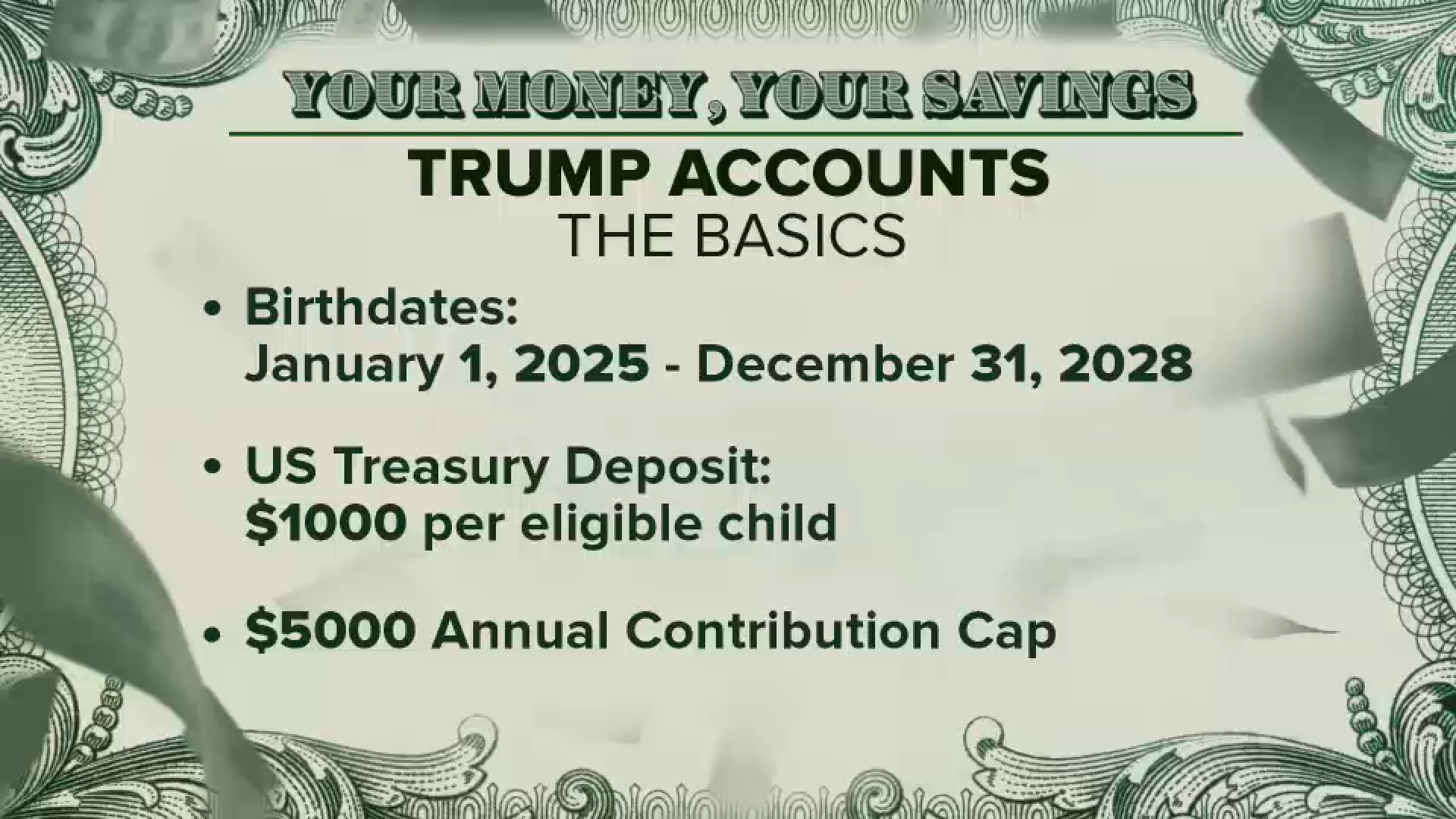
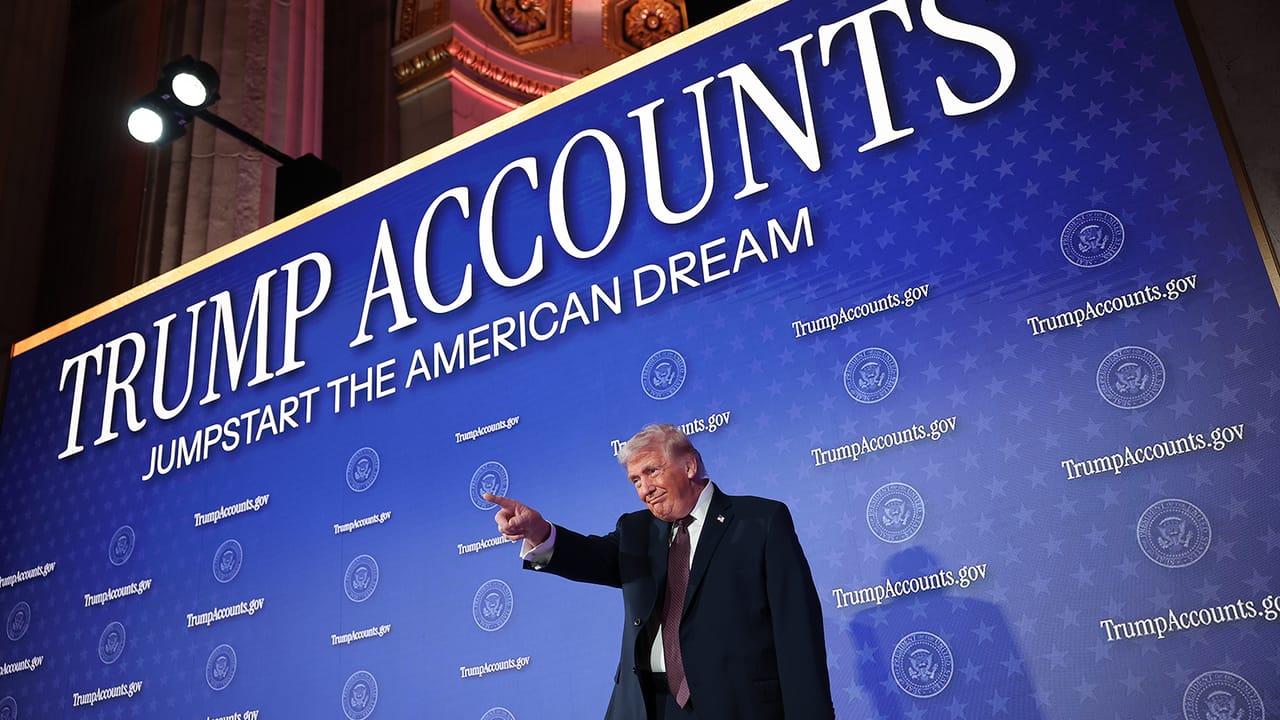
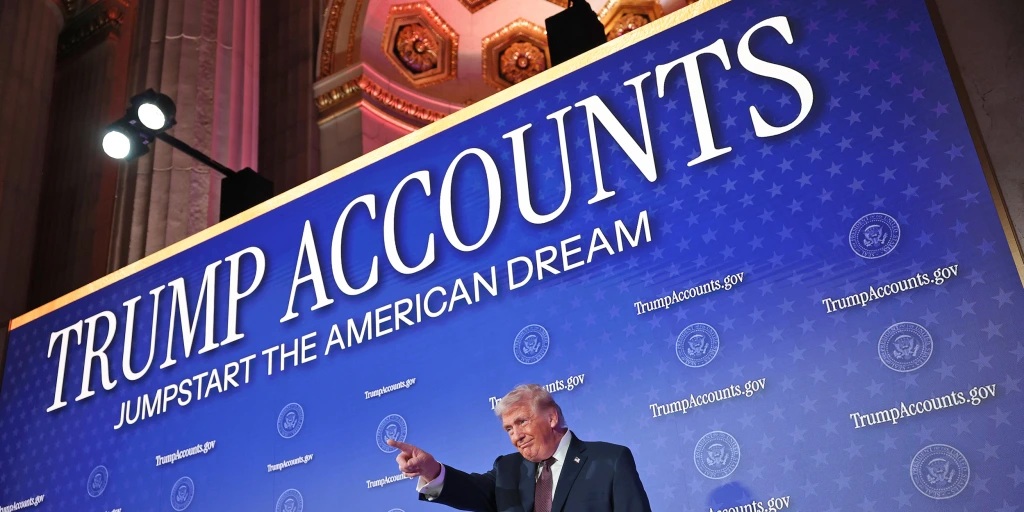
The U.S. government's Trump Accounts program, launched July 4, 2026, represents a $4+ billion annual stimulus targeting families with newborns born during 2025-2028. Each eligible baby receives a $1,000 government contribution automatically invested in S&P 500 index funds through State Street SPDR Portfolio, with families able to add up to $5,000 annually and employers/charities contributing $2,500 more. This creates unprecedented wealth concentration among 4+ million children, fundamentally reshaping consumer spending patterns in family-oriented e-commerce categories.
Financial Impact on Family Consumer Spending: The program directly increases disposable income for middle-to-lower-income families (Michael Dell's pledge targets this segment specifically). With approximately one-fifth of invested funds flowing to Nvidia, Apple, Microsoft, and Amazon, the program signals strong institutional confidence in tech stocks. However, the critical seller opportunity lies in the 18-year wealth accumulation cycle—families with $1,000-$7,500+ per child in dedicated accounts will increase spending on education products, home improvement (for future home purchases), and children's merchandise. Cross-border sellers can capitalize on this by targeting education technology, STEM toys, home furnishing, and college preparation products to parents managing these accounts.
Cash Flow and Working Capital Implications: The program's structure—no withdrawals until age 18 except for education, home purchases, or disaster recovery—creates a predictable 18-year consumer spending pattern. Parents managing these accounts will likely increase purchases in education (tutoring, online courses, test prep), home goods (in preparation for age-18 home purchase eligibility), and children's development products. This creates stable, long-term demand visibility for sellers in these categories. Additionally, the $250 pledges from tech executives like Michael Dell for 25 million children under age 10 in lower-income neighborhoods represent direct cash injections into underserved markets, historically underrepresented in cross-border e-commerce. Sellers can access this demographic through targeted Amazon Ads, Shopify, and emerging marketplaces serving lower-income consumers.
Regulatory and Compliance Considerations: Congressional funding expires September 30, 2034, creating a 6-year window beyond 2028 for account creation. This deadline creates urgency for families to register children and maximize contributions. Sellers should monitor account registration rates (Treasury will publish quarterly data) to forecast demand spikes in education and home goods categories. The program's tax treatment—no deductions for contributions, ordinary income tax on withdrawals—may incentivize families to maximize non-account spending on education and home improvements before age 18, creating secondary demand opportunities in these categories.
Questions 7
What compliance and tax considerations should sellers understand about Trump Accounts?
Trump Accounts contributions provide no tax deductions (unlike traditional IRAs), and withdrawals face ordinary income tax rates unless used for education, home purchases, or disaster recovery. This tax structure incentivizes families to maximize non-account spending on education and home improvements before age 18, creating secondary demand opportunities for sellers. Congressional funding expires September 30, 2034, creating a 6-year window beyond 2028 for account creation. Sellers should monitor Treasury quarterly reports on account registration rates to forecast demand spikes. Additionally, the program's focus on lower-income families may create opportunities for sellers to partner with nonprofits and employers offering $2,500 annual contributions, creating B2B2C sales channels.
How should sellers optimize pricing and payment methods for Trump Accounts families?
Trump Accounts families, concentrated in middle-to-lower-income segments, are price-sensitive and may prefer flexible payment options. Sellers should consider offering installment payment plans (Affirm, Klarna, Amazon Pay Later) to reduce purchase friction for education and home goods. Pricing should emphasize value and long-term ROI (e.g., 'STEM toys that prepare children for college') rather than premium positioning. Cross-border sellers should also optimize for mobile shopping, as lower-income families rely heavily on smartphones for e-commerce. Amazon's Subscribe & Save and Shopify's payment plan integrations are ideal for recurring education and development product purchases from Trump Accounts families.