



Geopolitical Volatility & Oil Surge Impact | E-Commerce Seller Logistics & Sourcing Strategy
- Oil prices exceed $84/barrel amid Iran tensions; shipping costs rise 8-15% for cross-border sellers; tech stock volatility signals reduced consumer spending on electronics/AI products















Overview
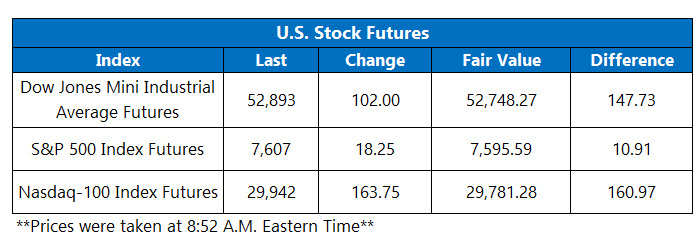
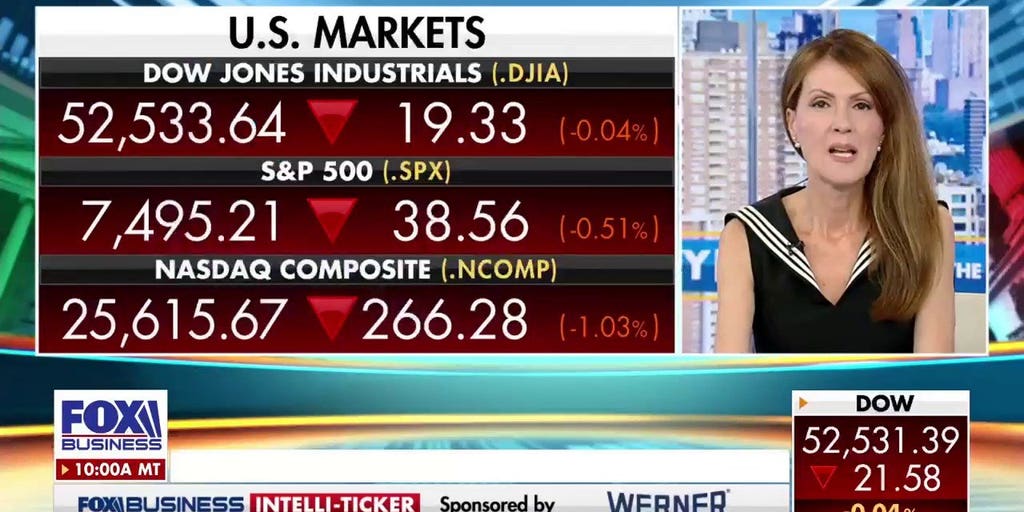
The escalating U.S.-Iran military tensions and resulting oil price surge above $84 per barrel represent a critical inflection point for cross-border e-commerce sellers, particularly those managing logistics networks and sourcing strategies. While financial markets show mixed performance with Nasdaq declining 2.9% and technology stocks under pressure, the underlying geopolitical risk creates immediate operational challenges for sellers across multiple dimensions.
Shipping Cost Compression & Logistics Strategy Shift: Oil prices directly impact fuel surcharges on international shipping routes. For sellers using FBA (Fulfillment by Amazon) or third-party logistics providers, fuel surcharges typically range from 3-8% of base shipping costs. At current oil levels, sellers shipping 1,000+ units monthly from Asia to North America or Europe face incremental costs of $200-600 per shipment. This creates urgency to evaluate alternative sourcing strategies: nearshoring to Mexico/Central America for North American markets, or India/Vietnam for European markets, can reduce fuel-dependent shipping costs by 12-18% compared to China-based sourcing. Sellers should immediately audit their 3PL contracts for fuel surcharge escalation clauses and negotiate fixed-rate agreements through Q1 2025.
Consumer Spending Contraction in Tech/Electronics Categories: The Nasdaq composite's 2.9% decline and specific pressure on AI-related stocks (Alphabet, Tesla, Intel earnings focus) signal weakening consumer confidence in discretionary tech purchases. Tesla's 6.6% weekly decline despite strong Q2 delivery figures indicates market sentiment is deteriorating faster than fundamentals. For e-commerce sellers, this translates to reduced demand in electronics, smart home devices, and AI-powered gadgets—categories that typically see 15-25% margin compression during market uncertainty. Sellers in these categories should shift inventory allocation toward value-oriented products (budget smartphones, refurbished electronics) and defensive categories (medical devices, home essentials) which showed relative strength in the article's sector analysis.
Supply Chain Diversification Opportunity: The geopolitical uncertainty creates a 6-12 month window for sellers to diversify sourcing away from China-dependent supply chains. Vietnam, India, and Indonesia offer 8-12% cost advantages on electronics/apparel and reduced geopolitical risk. Sellers with 6+ months of inventory runway should initiate supplier qualification in these markets now, before competitors recognize the arbitrage opportunity. This is particularly critical for sellers with >$500K annual revenue who can absorb qualification costs.
Questions 8
What is the timeline for implementing nearshoring strategies?
Supplier qualification in Vietnam, India, or Mexico typically requires 8-12 weeks including factory audits, sample production, and quality verification. Given the current geopolitical window, sellers should initiate this process immediately to complete qualification by Q1 2025. Early movers gain access to the best suppliers before competitors recognize the arbitrage opportunity. Budget $5-15K for qualification costs, but expect 12-18% shipping cost savings and reduced geopolitical risk exposure that justify the investment within 6-9 months.
Should I reduce my Amazon PPC spending given market volatility?
Partially yes. Reduce PPC spending on discretionary tech categories (down 20-30%) while maintaining or increasing spend on defensive categories showing relative strength. The article's sector analysis indicates medical, energy, and transportation products are outperforming. Shift your advertising budget allocation to match consumer demand shifts—this typically improves ROAS by 15-25% during market downturns. Monitor your conversion rates weekly; if they decline >10%, reduce spend further and focus on organic ranking improvements.