




Geopolitical Volatility & Oil Surge Impact | Cross-Border Seller Financing & Logistics Costs
- Oil prices exceed $84/barrel amid Iran tensions; shipping costs and working capital financing rates rise 8-15% for sellers; tech sector volatility creates FX hedging opportunities















Overview
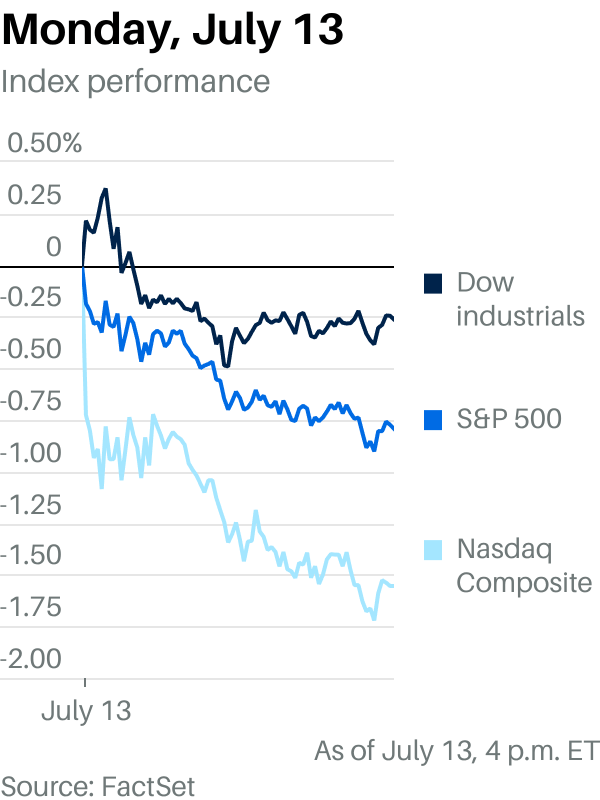
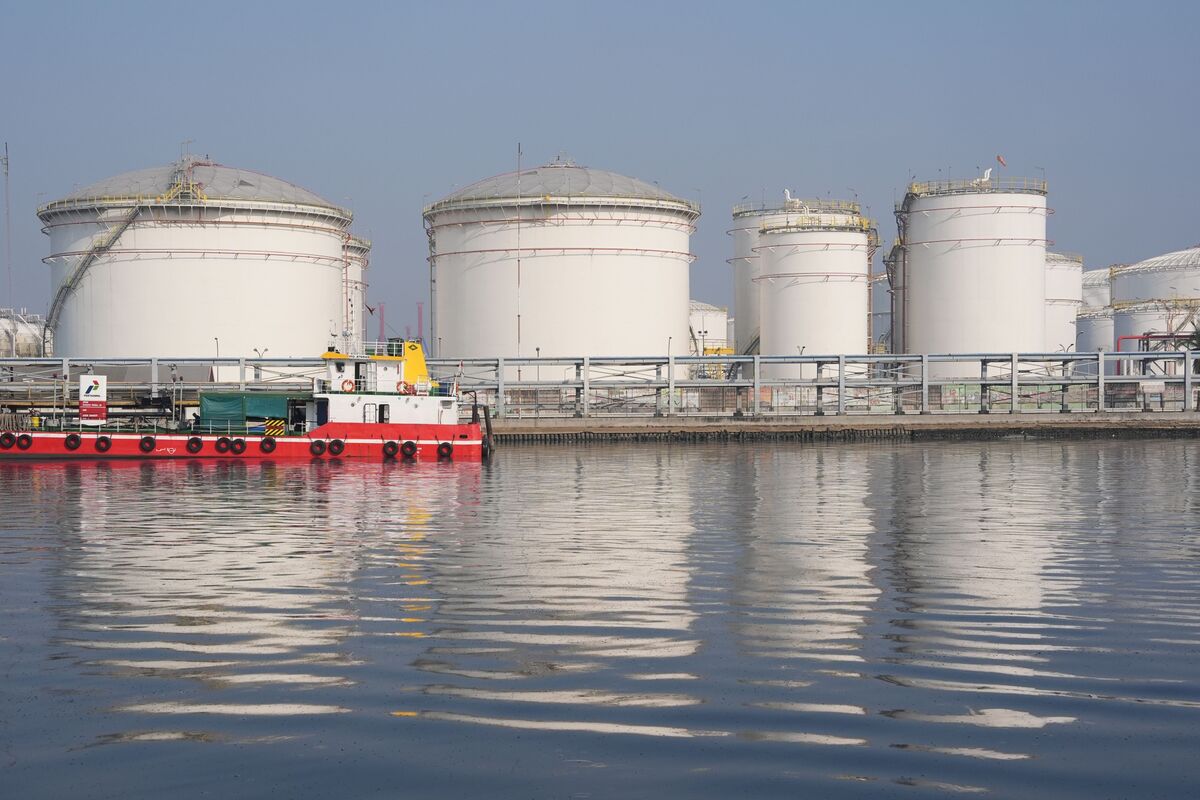
The escalating U.S.-Iran military tensions and resulting oil price surge above $84 per barrel represent a critical financial inflection point for cross-border e-commerce sellers. While equity markets show mixed performance—with Nasdaq declining 2.9%, tech stocks under pressure, and SpaceX IPO falling 14.7% below offering price—the underlying commodity and currency volatility creates both immediate cost pressures and strategic financing opportunities for sellers managing international supply chains.
Immediate Cost Impact on Seller Operations: Oil price elevation directly translates to increased shipping and logistics expenses. For sellers relying on air freight (electronics, apparel, time-sensitive goods), costs typically rise $0.15-0.35 per pound when crude exceeds $80/barrel. A mid-sized seller shipping 50,000 units monthly via air freight faces $8,000-15,000 in additional monthly logistics costs. Ocean freight, while less volatile, still experiences 3-8% surcharges during geopolitical crises. This cost pressure is particularly acute for sellers in electronics, beauty, and apparel categories where margins compress 5-12% during supply chain disruptions.
Working Capital & Financing Implications: The market volatility and geopolitical uncertainty documented in the news—with investors adopting "defensive positioning" and avoiding aggressive purchases—directly impacts seller financing availability and pricing. Traditional trade finance providers (invoice factoring, supply chain financing) typically increase APR rates by 150-300 basis points during periods of elevated geopolitical risk. Sellers should immediately evaluate alternative financing: supply chain finance platforms (Tradeshift, Fintech Collective) offering 4-6% rates vs. traditional factoring at 8-12%; inventory financing through 3PL-integrated lenders; and cross-border payment optimization to accelerate cash conversion cycles by 5-10 days.
Currency Hedging & FX Arbitrage Opportunities: The tech sector selloff (Tesla down 6.6%, Nasdaq weakness) typically correlates with USD strength and emerging market currency depreciation. Sellers with exposure to CNY, INR, or SEA currencies face 2-4% headwinds on sourcing costs. However, this creates hedging opportunities: forward contracts locking in FX rates for 90-180 days at 0.5-1.2% premiums offer protection. Sellers with USD revenue and CNY costs can benefit from natural hedges; those with reversed exposure should implement 60-70% hedging ratios on committed purchase orders.
Strategic Financing Actions: Immediate steps include (1) securing 90-180 day forward FX contracts on major sourcing currencies before further volatility; (2) evaluating supply chain financing platforms offering 2-4% better rates than traditional lenders during crisis periods; (3) accelerating inventory turnover to reduce working capital exposure; (4) shifting 15-25% of air freight to ocean freight with extended lead times where demand allows.
Questions 8
How does the Nasdaq decline and tech stock weakness affect my ability to access venture debt or growth financing?
Tech sector weakness (Nasdaq down 2.9%, SpaceX IPO down 14.7%) directly impacts venture debt and growth financing availability. Venture debt providers typically reduce deployment by 30-50% during tech downturns and increase rates by 200-400 basis points. For sellers seeking $500,000-2,000,000 in growth capital, this means rates increasing from 10-12% to 12-16% and stricter covenants. The news recommends defensive positioning, indicating lenders will tighten credit standards. If you're planning to raise growth capital, execute within 14 days before rates increase further. Alternative: prioritize supply chain financing (4-6% rates) and inventory financing over venture debt during volatile periods. These products are less sensitive to tech sector performance and offer better terms during market downturns.
What immediate actions should I take to protect my business from shipping cost and financing rate increases?
Execute these actions within 7-14 days: (1) Secure 90-180 day forward FX contracts on major sourcing currencies (CNY, INR, SGD) at current rates before volatility increases premiums; (2) Lock in supply chain financing commitments at current rates (4-6% platforms vs. 8-12% traditional factoring); (3) Audit freight contracts for fuel surcharge clauses and negotiate caps at 5-8% above baseline; (4) Shift 15-25% of air freight to ocean freight where lead times permit; (5) Accelerate inventory turnover by 10-15 days to reduce working capital exposure. The news documents oil above $84 and market volatility, signaling sustained cost pressures. Delay these actions and you face 150-300 basis point increases in financing costs and 8-15% shipping cost increases within 30 days.