


U.S. EV Market Collapse 2026 | Tariffs & Incentive Loss Drive 20.5% Sales Decline
- EV sales plummet to 247,226 units (5.8% market share) in Q2 2026 as major manufacturers exit; tariff pressures and expired $7,500 tax credit reshape automotive aftermarket and accessories demand
































Overview
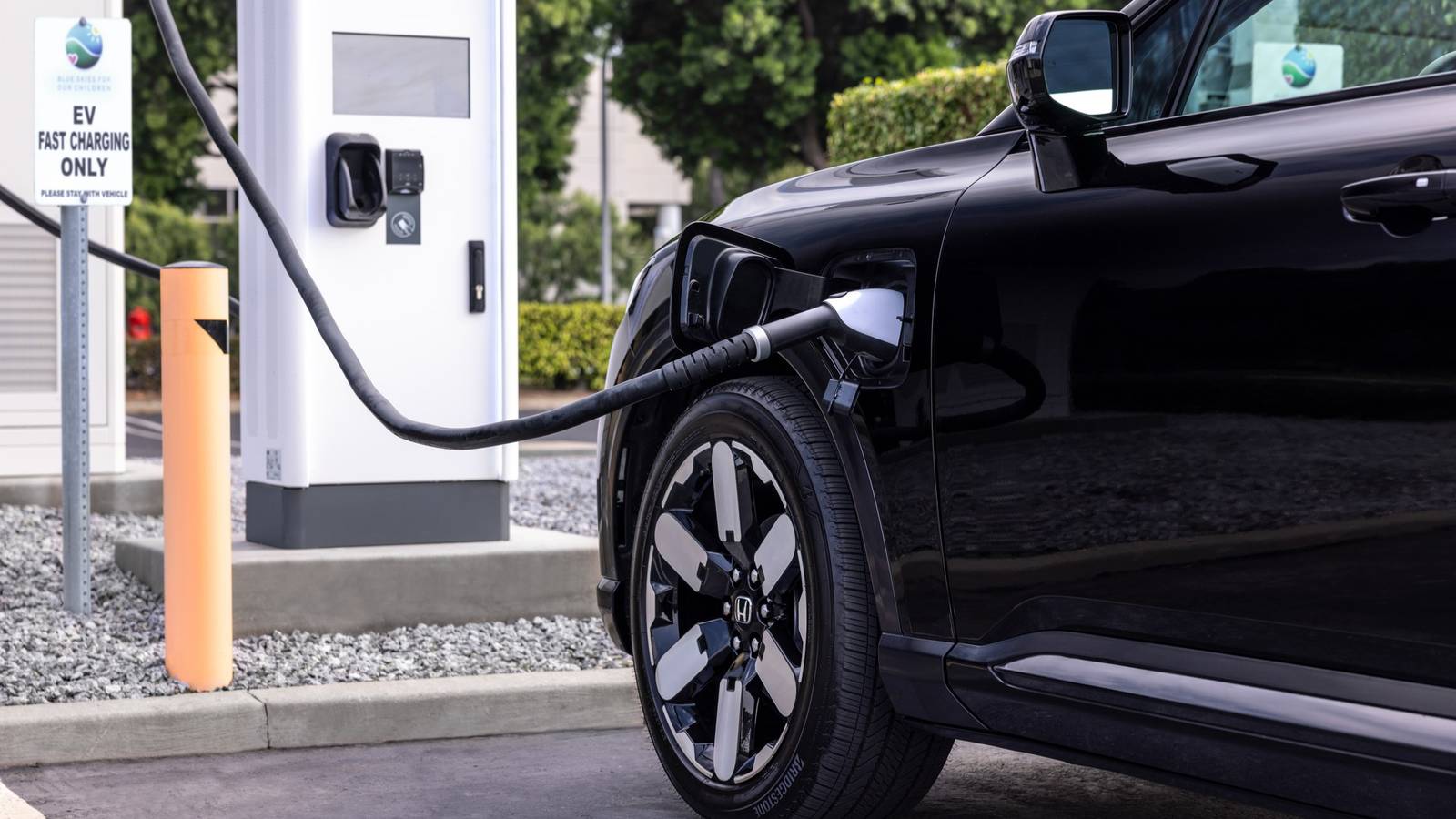
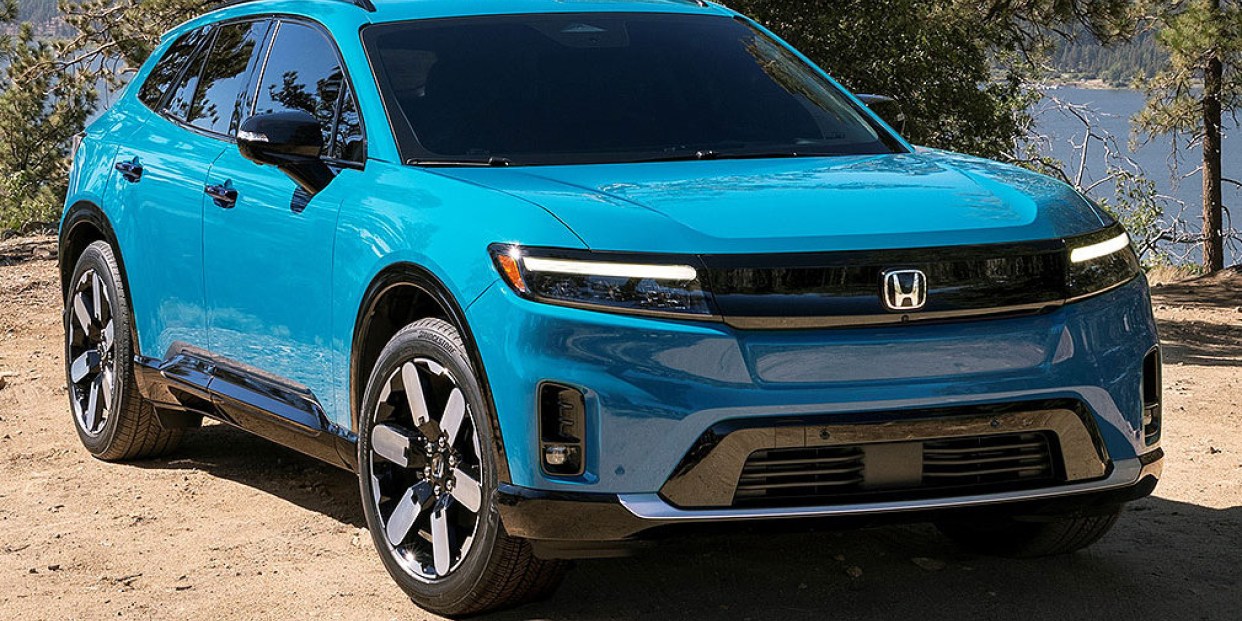
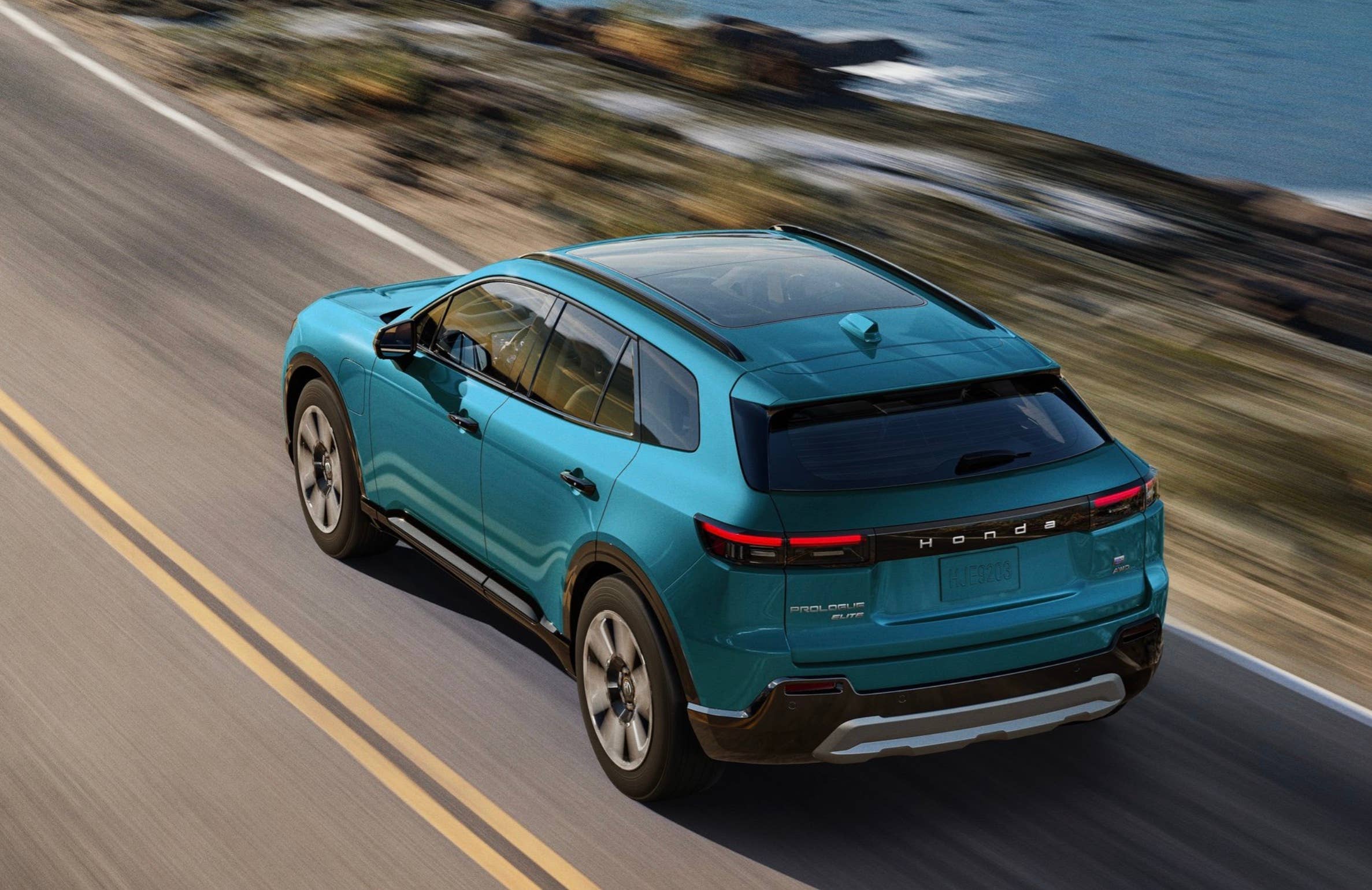
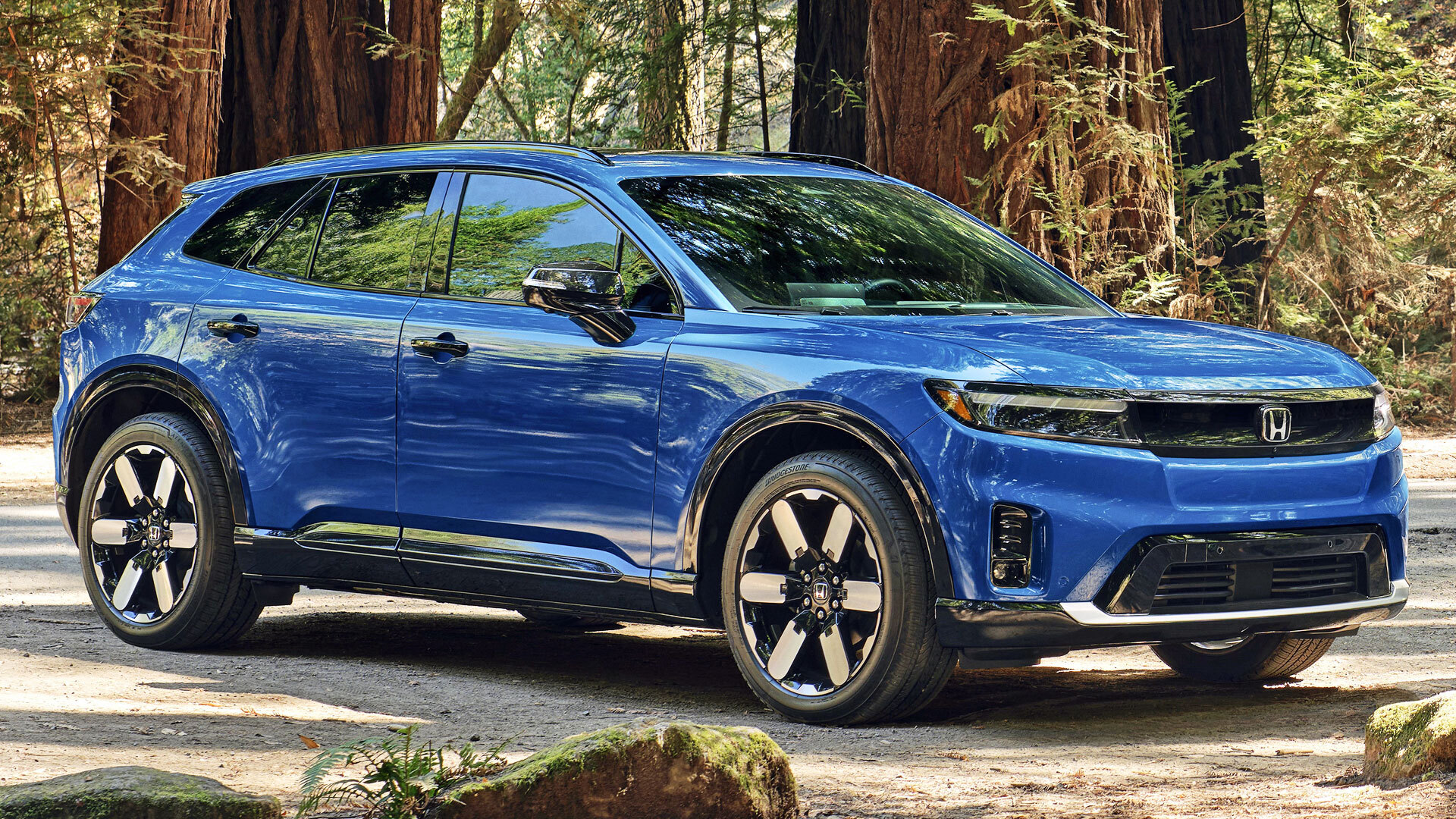
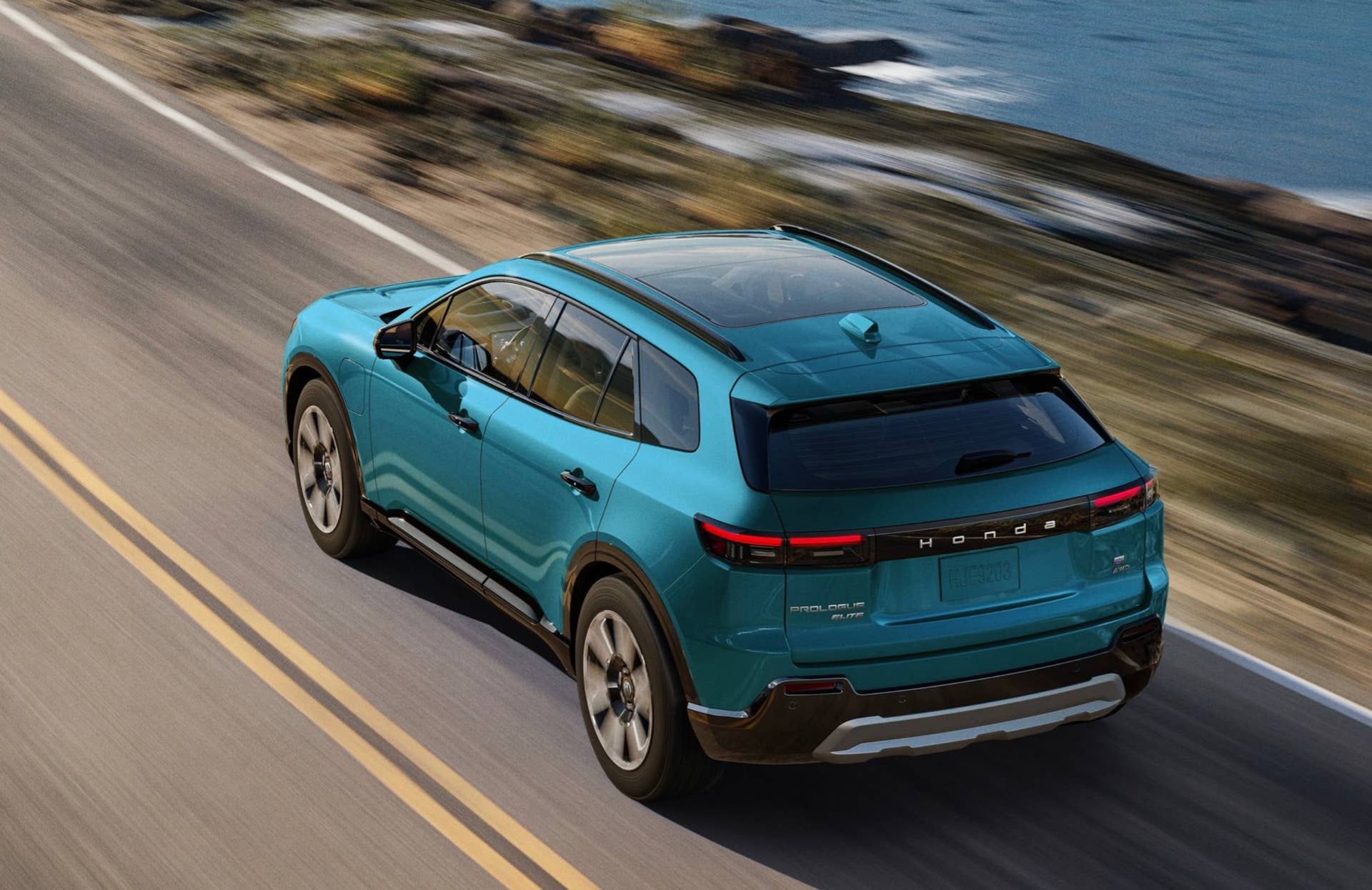
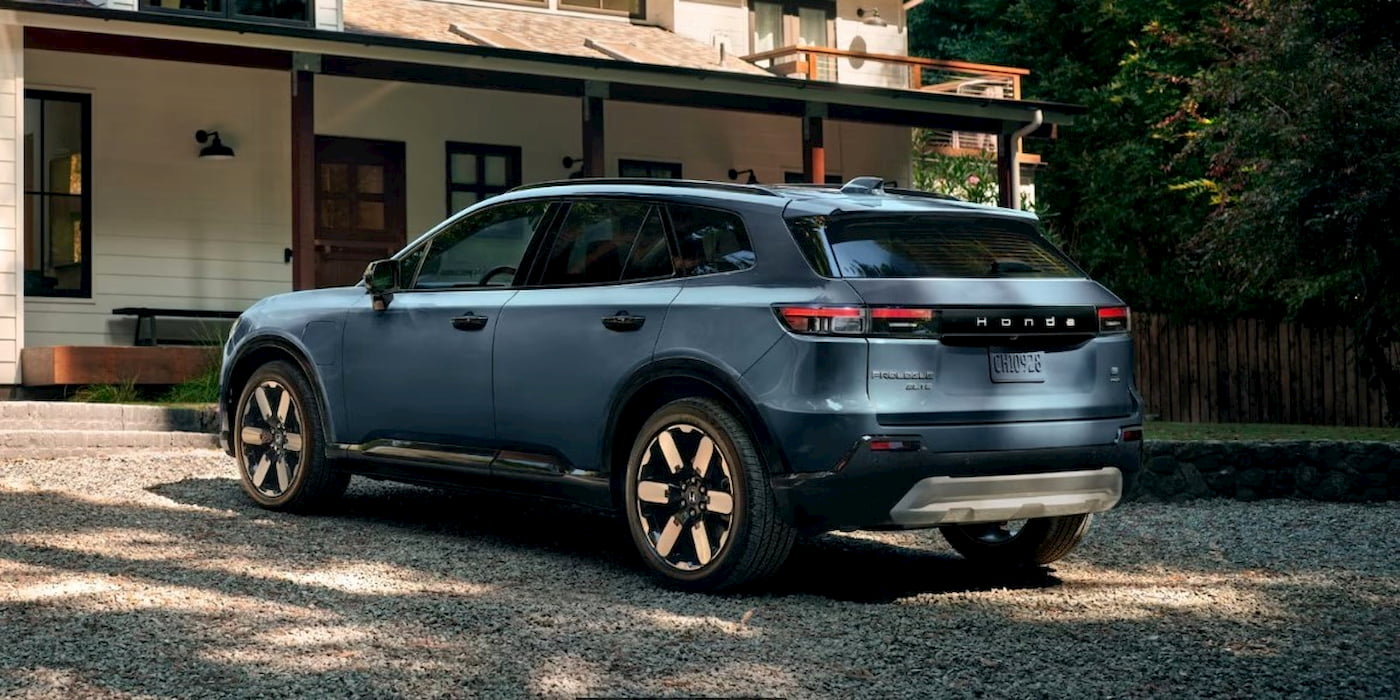
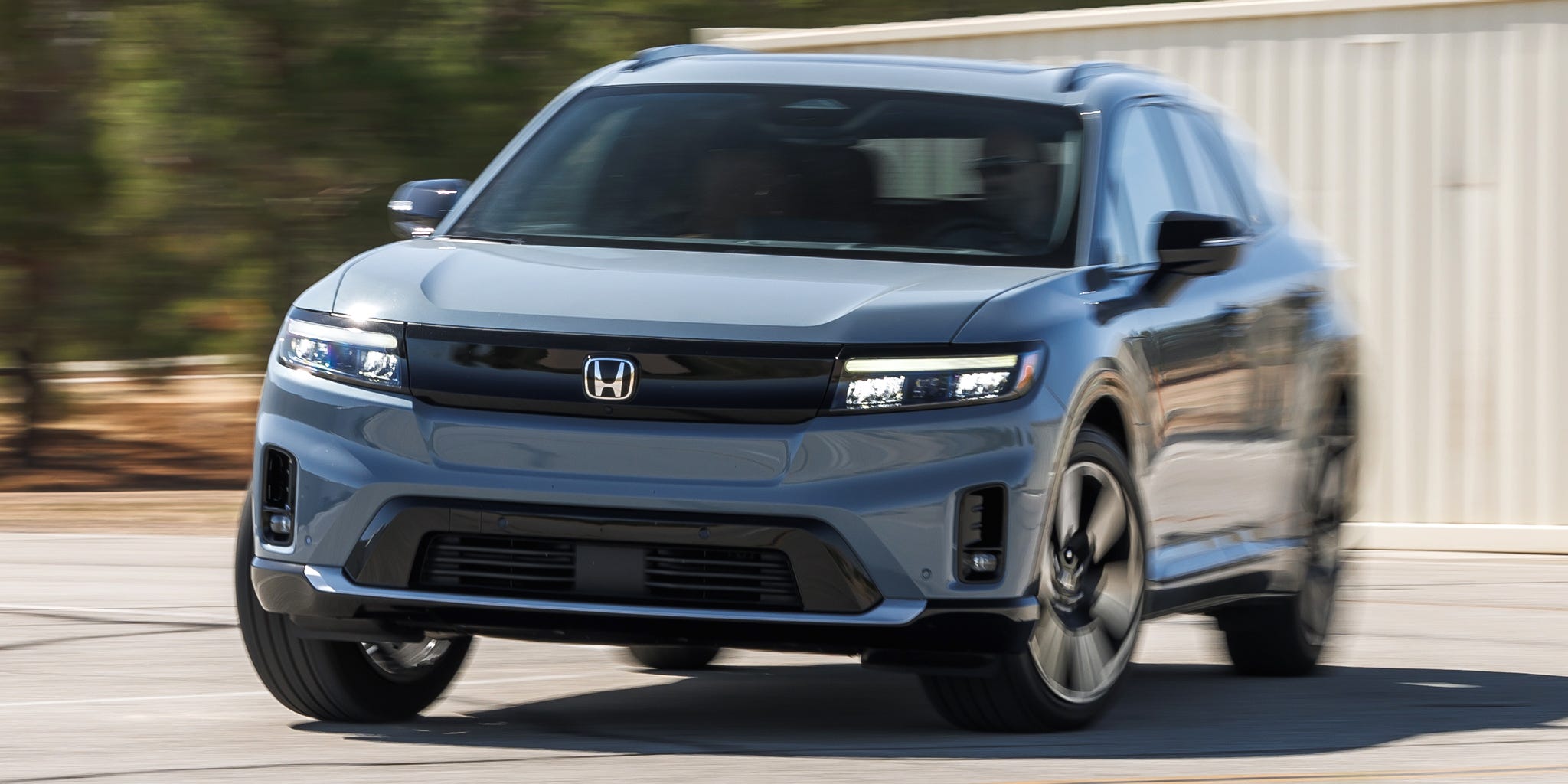
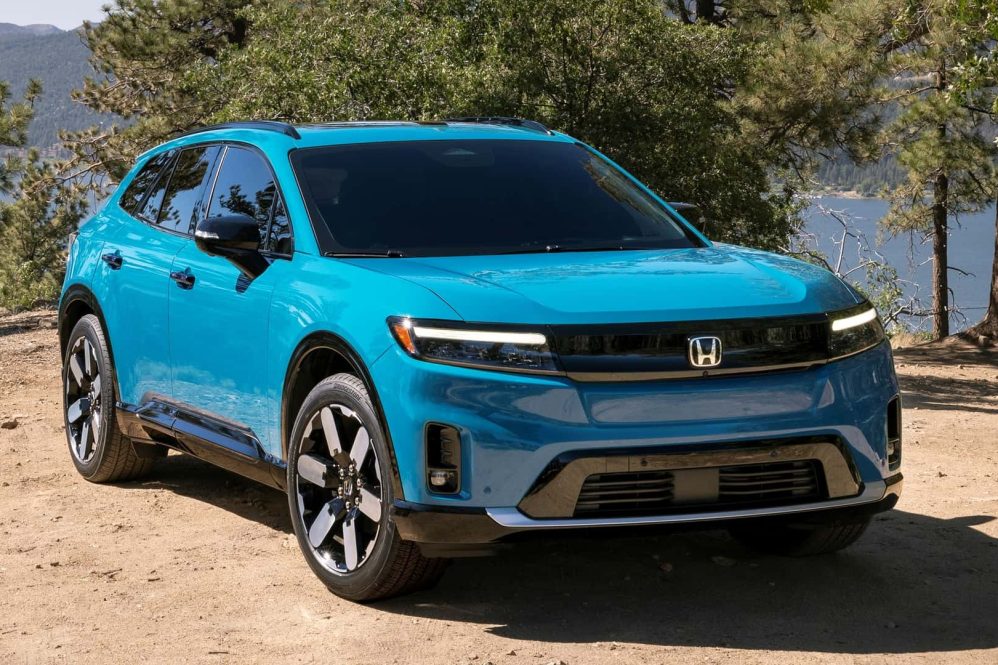
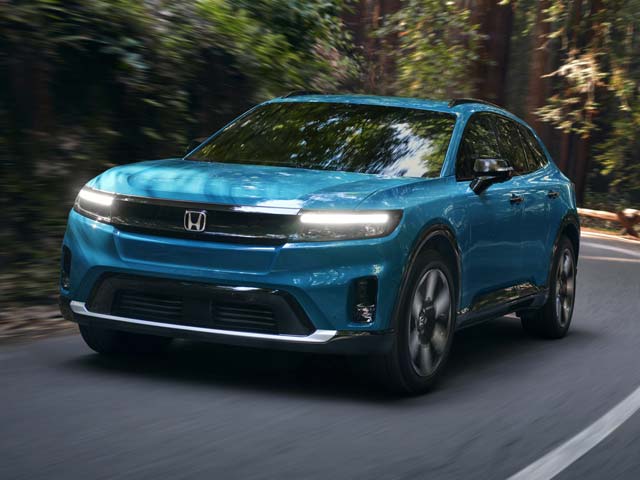
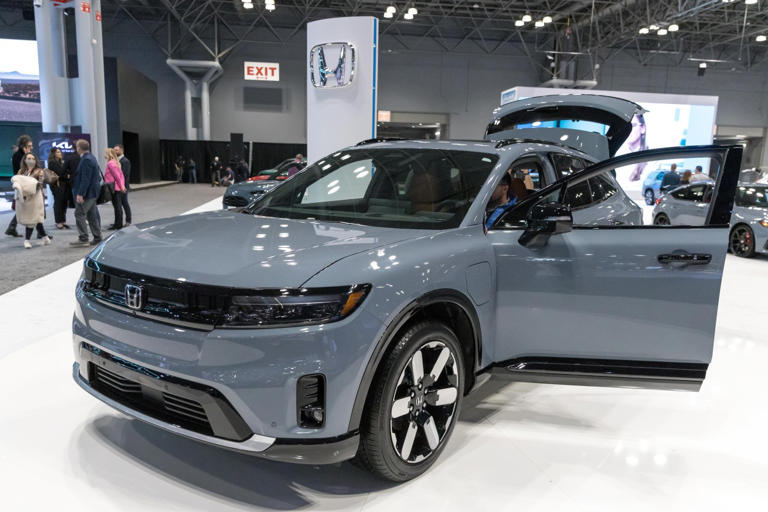
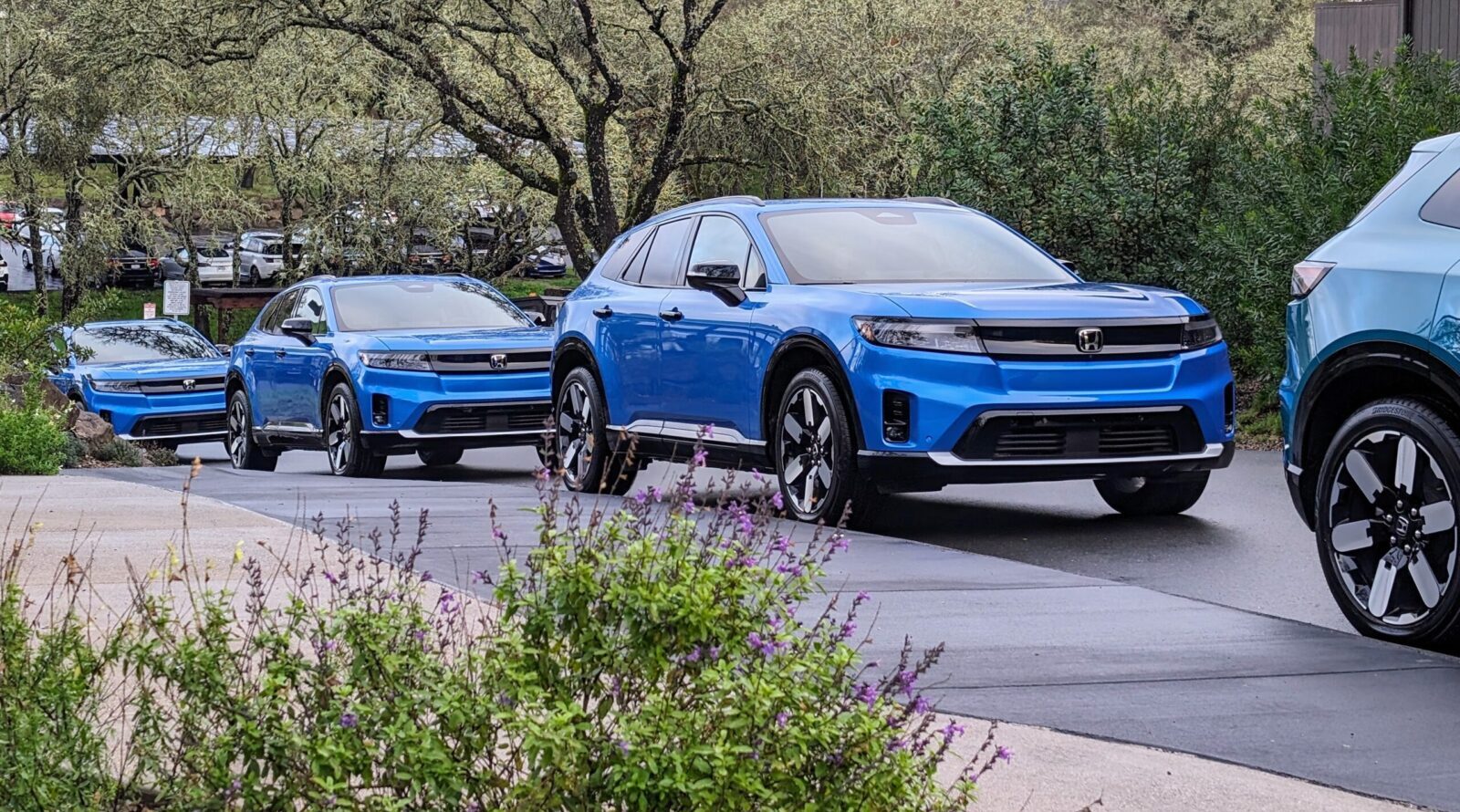
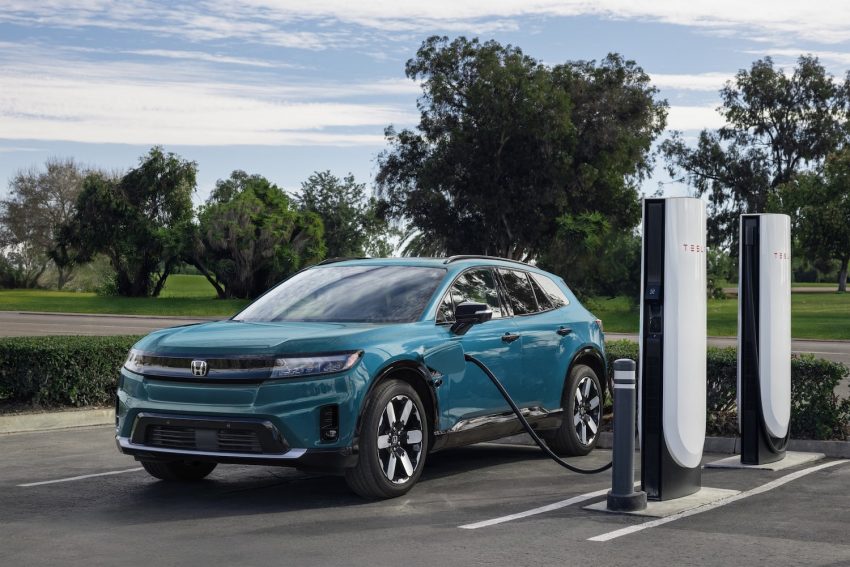
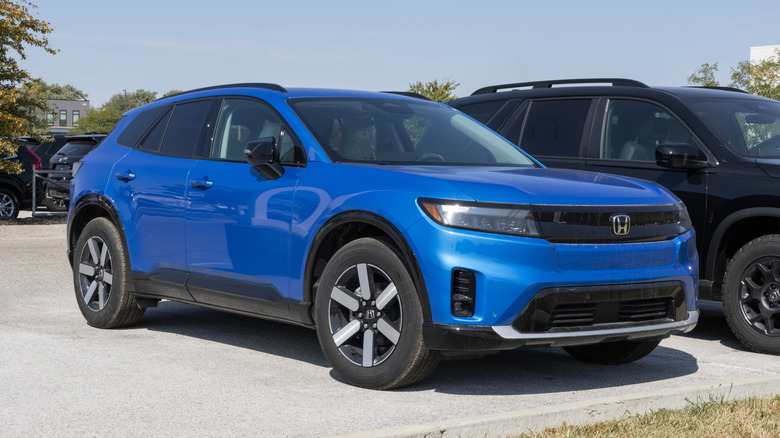
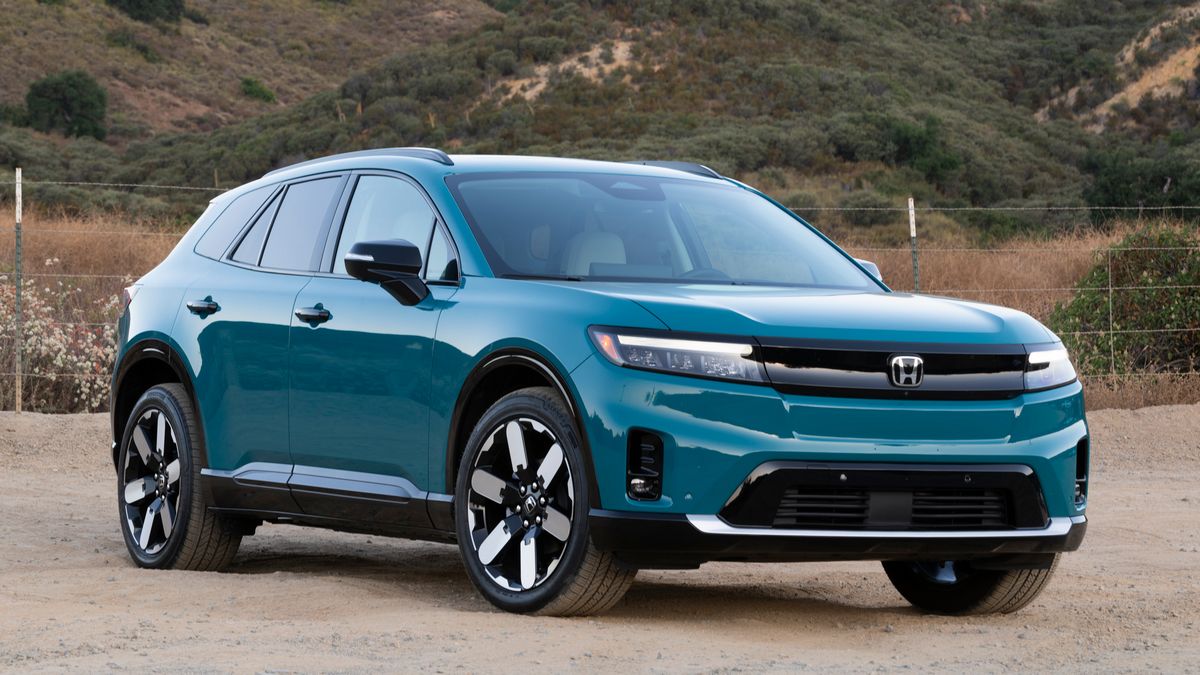
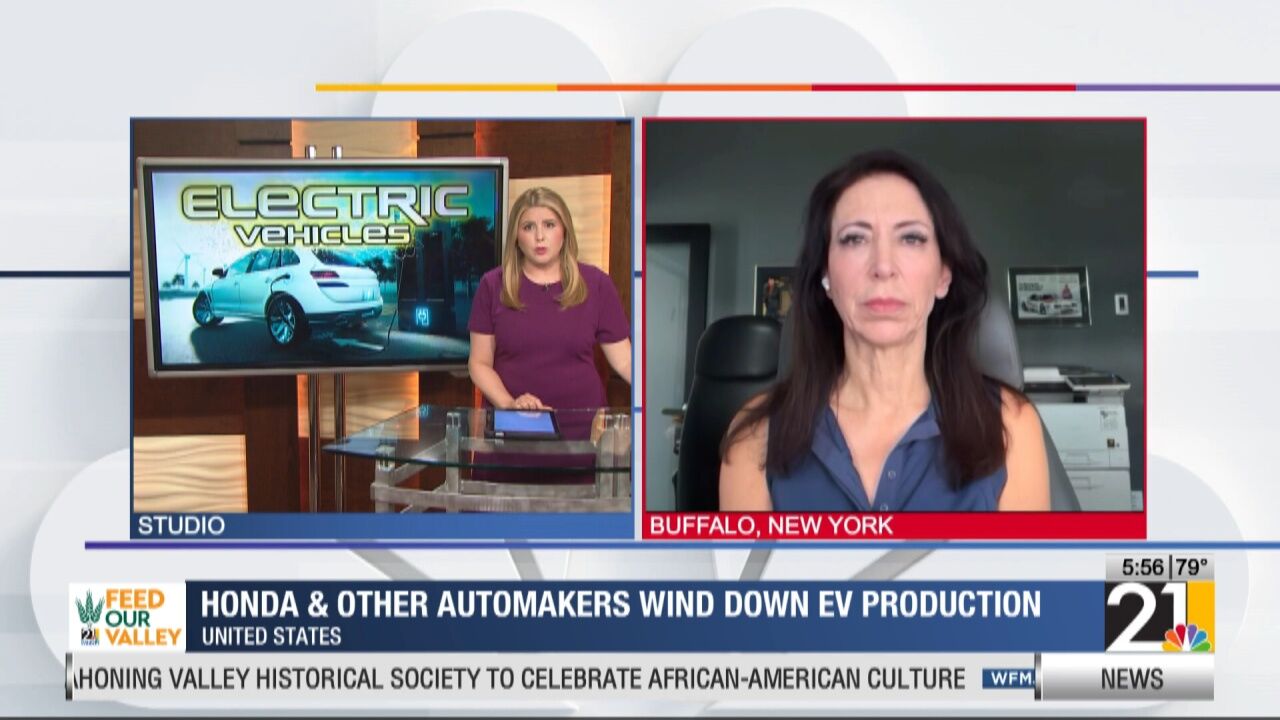
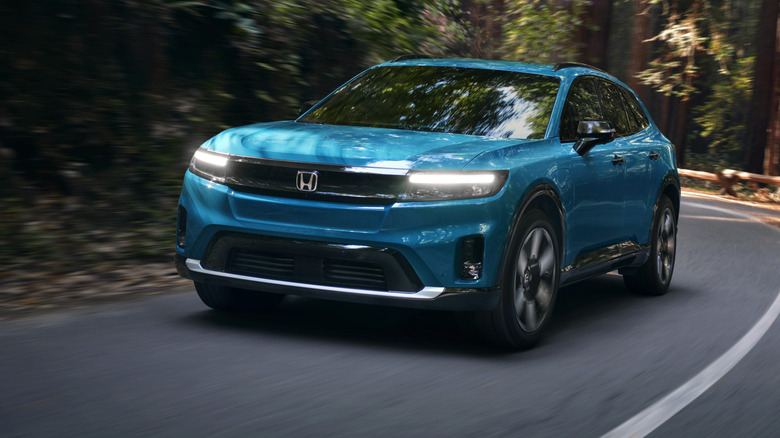
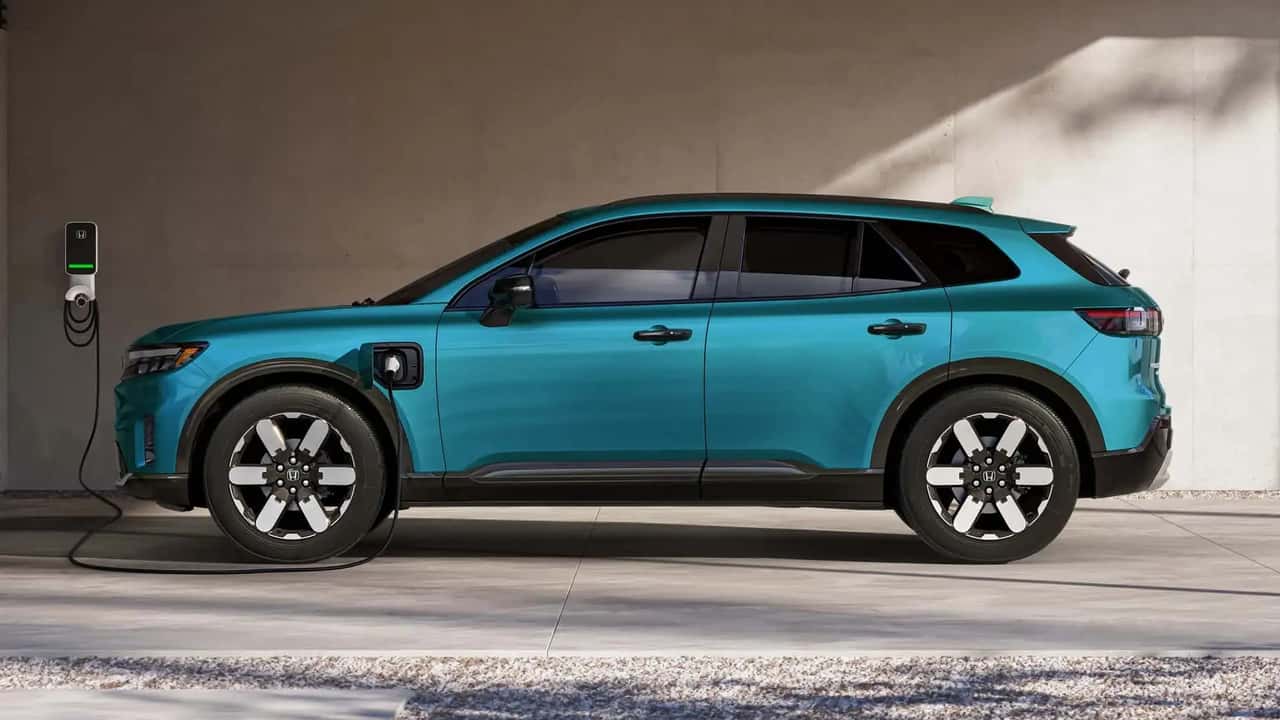
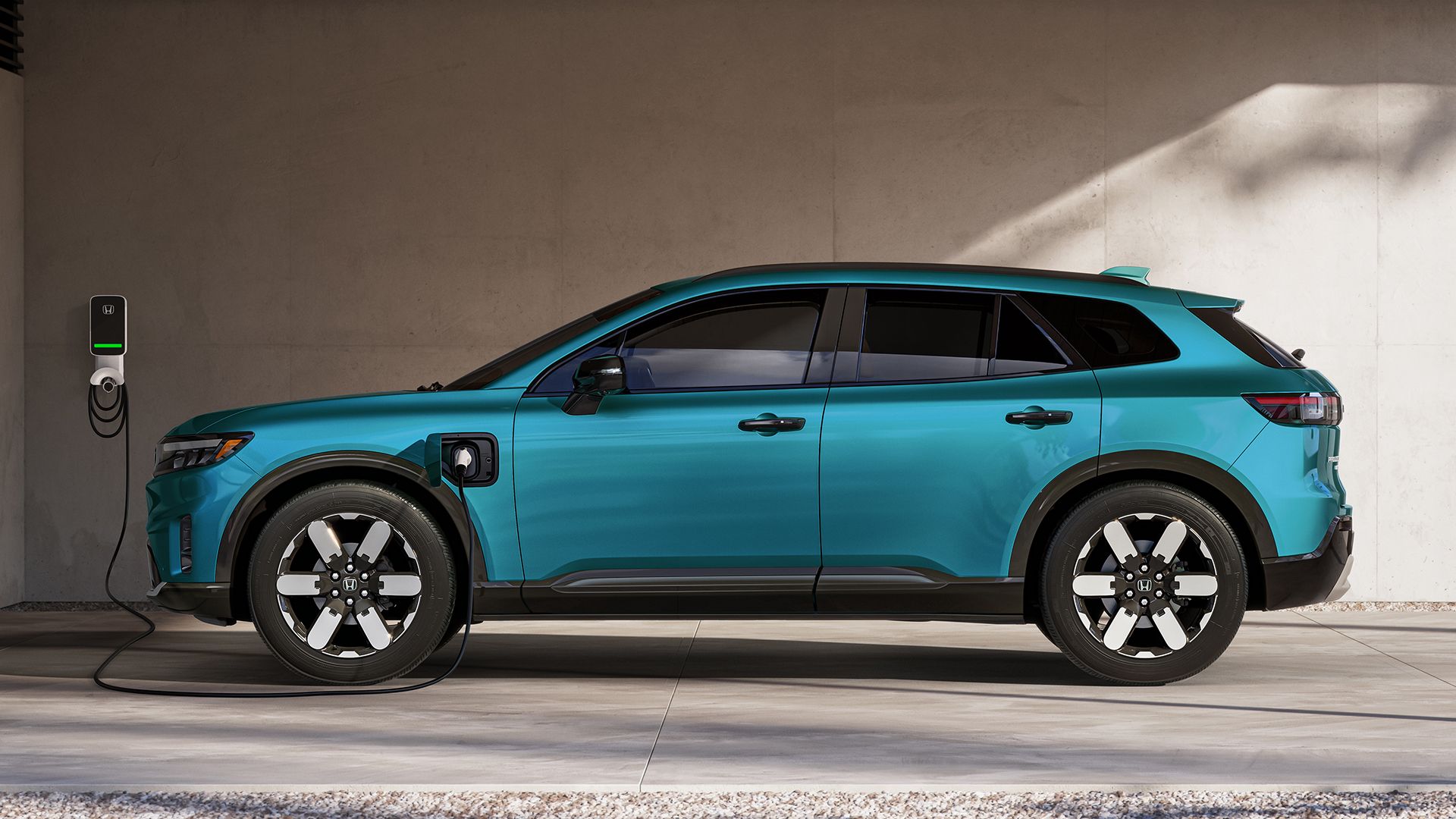
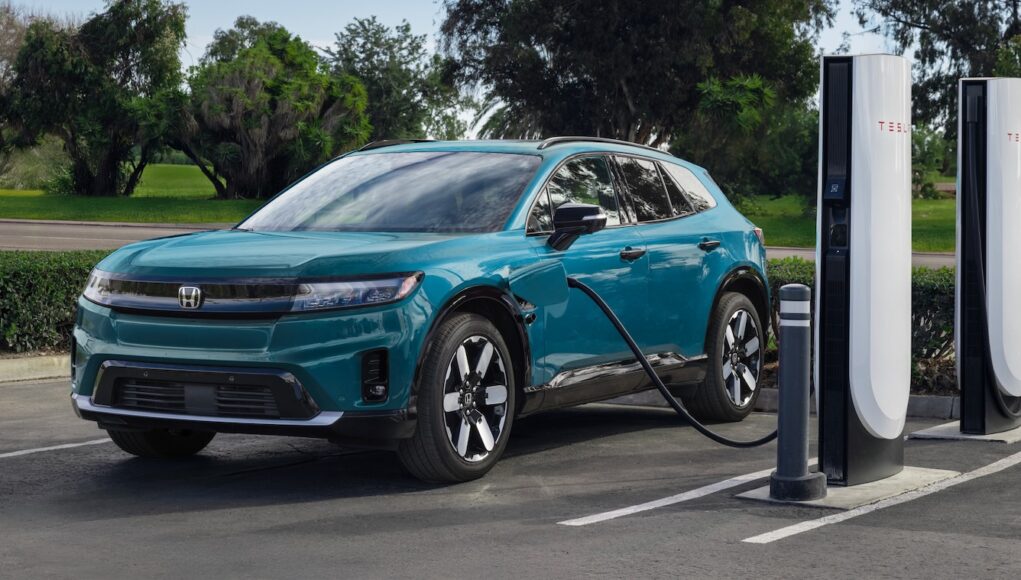
The U.S. electric vehicle market experienced a dramatic contraction in 2026, with EV sales declining 20.5% year-over-year to 247,226 units in Q2 2026 (5.8% of total vehicle sales), according to Kelley Blue Book and Cox Automotive data. This collapse stems from three converging forces: expiration of the $7,500 federal tax credit in fall 2025, escalating U.S. tariffs on imported vehicles, and Chinese competition pressures. Major manufacturers have systematically exited the U.S. market—Honda eliminated its entire EV portfolio (Prologue sedan sold 39,000 units in 2025 before discontinuation), Tesla redirected Model S/X production toward Optimus robots, Volkswagen halted ID.4 production at its Chattanooga facility in April 2026, Nissan discontinued the Ariya, and Volvo pulled the EX30 after summer 2026. Polestar faced effective market ban due to Chinese ownership restrictions on vehicle technology.
For cross-border e-commerce sellers, this market shift creates both immediate risks and emerging opportunities. The automotive aftermarket and accessories category—historically a $15-20B annual segment—faces demand compression as EV ownership growth stalls. Sellers specializing in EV-specific products (charging cables, battery management systems, thermal accessories) will experience 15-25% demand reduction through 2026-2027 as the installed EV base contracts. However, sellers of traditional automotive parts and accessories for legacy ICE (internal combustion engine) vehicles may see modest demand recovery as consumers delay EV purchases and maintain existing gasoline vehicles longer.
The tariff environment creates critical supply chain risks for sellers importing automotive components from China and Asia. The tariff pressures cited as a discontinuation driver indicate escalating duties on vehicle technology imports, which directly affects sellers sourcing EV-related electronics, battery components, and smart automotive accessories. Sellers with inventory sourced from China face margin compression of 8-15% if tariffs increase further. Additionally, the strategic pivot toward autonomous vehicles and robotics (Tesla's Optimus redirection) signals emerging product opportunities in robotics accessories, autonomous vehicle software tools, and AI-enabled automotive gadgets—categories expected to grow 30-40% annually through 2027-2028 as manufacturers redirect R&D spending.
Questions 8
How can sellers capitalize on the shift toward autonomous vehicles and robotics?
Tesla's redirection of manufacturing capacity toward Optimus robot production signals industry-wide strategic pivot away from traditional EVs. This creates emerging opportunities in three seller categories: (1) Robotics accessories (grippers, sensors, mounting hardware), (2) Autonomous vehicle diagnostic tools and software, (3) AI-enabled automotive gadgets. These categories are expected to grow 30-40% annually through 2028 as manufacturers redirect R&D spending. Sellers should begin sourcing robotics components and autonomous vehicle tools by Q1 2027—first-mover advantage in these categories could yield 40-60% higher margins than mature automotive segments. Research supplier availability in Vietnam, Taiwan, and South Korea, where robotics manufacturing is concentrated. Launch pilot products in robotics accessories by Q2 2027 to capture early demand.
What compliance risks exist for sellers importing automotive technology from China?
The news reports that Polestar faced effective market ban due to Chinese ownership restrictions on vehicle technology, indicating heightened U.S. scrutiny of Chinese-controlled automotive technology imports. Sellers sourcing smart automotive gadgets, vehicle tracking systems, or AI-enabled diagnostic tools from Chinese companies should verify compliance with CFIUS (Committee on Foreign Investment in the United States) guidelines and export control regulations. Conduct supplier due diligence immediately—confirm your Chinese suppliers are not subject to U.S. entity lists or technology restrictions. Non-compliance could result in product seizure at U.S. customs and account suspension on Amazon/eBay. Consult a trade compliance specialist by February 2027 if your product involves vehicle connectivity, autonomous features, or data collection.