





Alibaba's Qwen3.8 AI Breakthrough | Seller Tools & Automation Acceleration
- 2.4 trillion-parameter model drives platform automation features; sellers gain AI-powered product recommendations, inventory optimization, and customer service tools within 1-3 months



_arranged_in_Beijing%2C_China%2C_on_Feb._17%2C_2025_Bl._APP.jpg&w=1920&q=75)












)




Overview
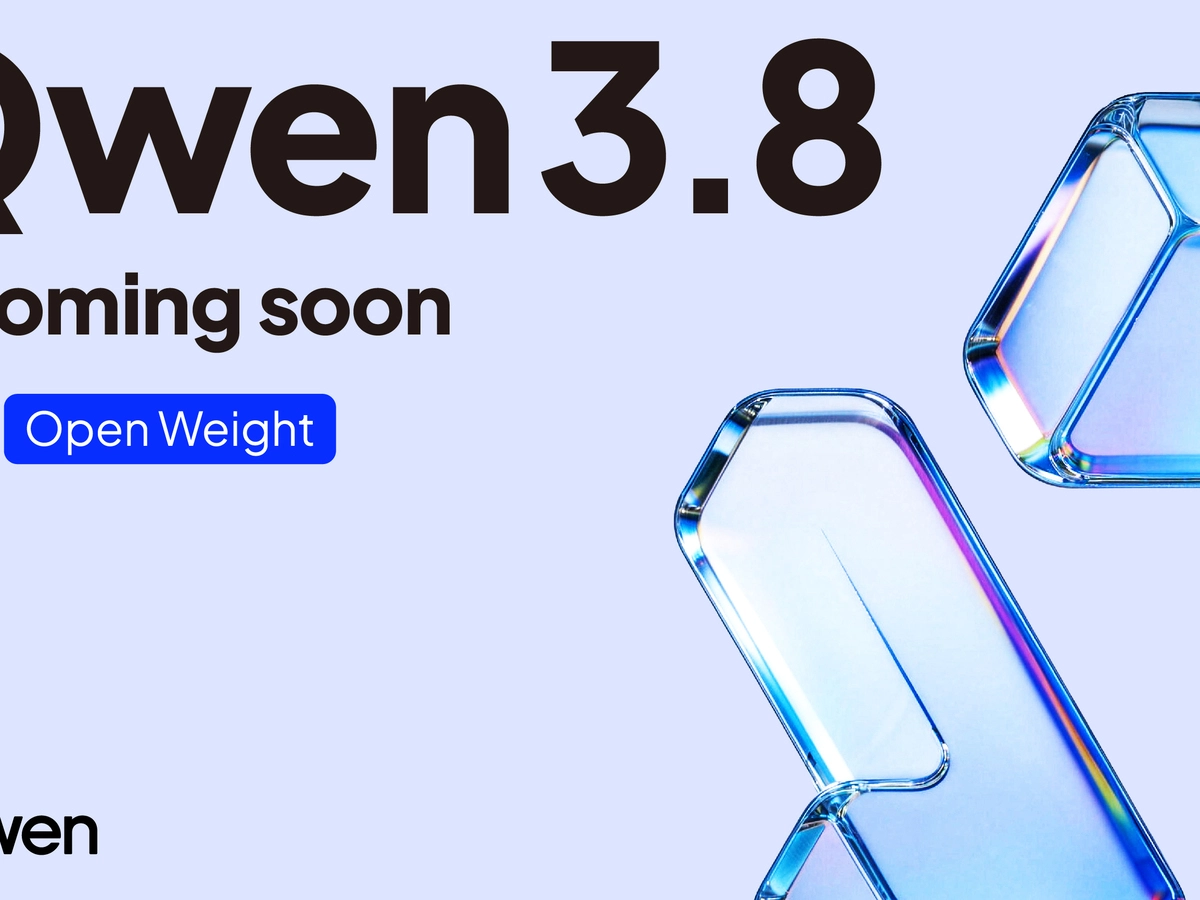
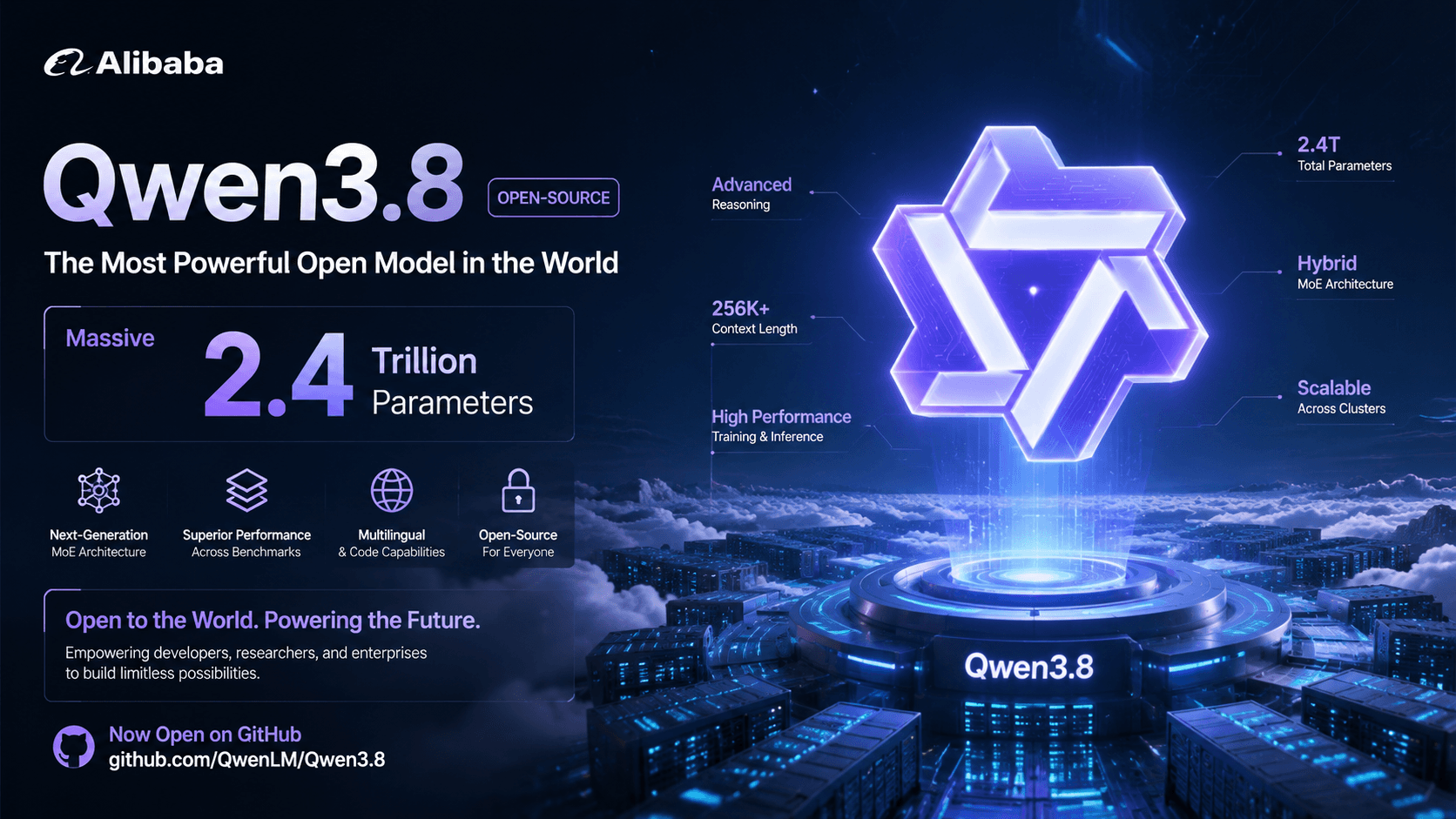
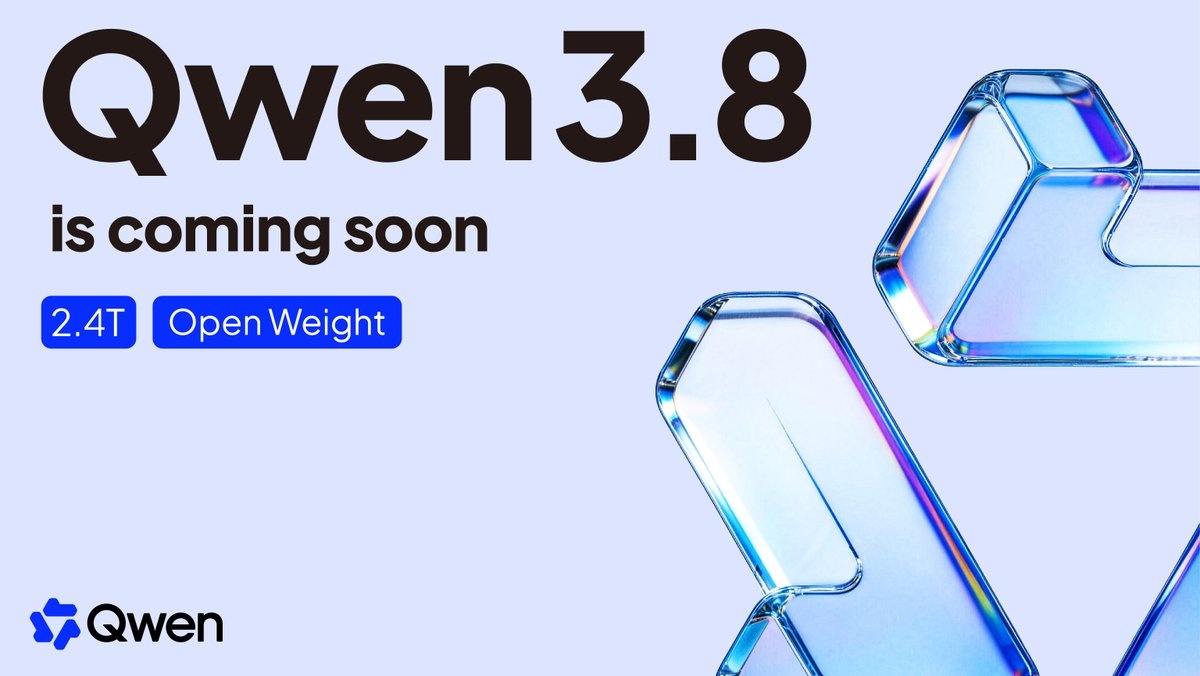
Alibaba's Qwen3.8-Max model launch represents a critical inflection point for cross-border e-commerce sellers using the platform. The 2.4 trillion-parameter AI model, unveiled at Shanghai's World Artificial Intelligence Conference, positions Alibaba to rapidly deploy advanced automation features across seller tools. While the company claims second-place ranking globally (behind Anthropic's Claude), the practical impact for merchants lies in imminent platform enhancements: AI-driven product recommendations, intelligent inventory management, automated customer service responses, and predictive demand analytics. Alibaba's stock rose 5.4% following the announcement, signaling investor confidence in the company's ability to monetize AI capabilities through enhanced platform services.
For sellers, the immediate opportunity window is 1-3 months. Alibaba has made Qwen3.8 available through its Token Plan subscription and developer platforms (Qoder, QoderWork) at 10% of standard pricing during the trial period. This aggressive pricing strategy indicates the company intends rapid integration into merchant-facing tools. Sellers using Alibaba's ecosystem should expect: (1) enhanced product search algorithms that better match buyer intent, reducing visibility gaps for niche products; (2) automated inventory forecasting using multi-modal AI (processing images, video, documents, text simultaneously), potentially reducing stockouts by 15-25%; (3) AI-powered customer service automation reducing response time from hours to minutes; (4) dynamic pricing recommendations based on real-time market analysis. The competitive context matters: Moonshot AI's Kimi K3 (2.8 trillion parameters) launched three days earlier, intensifying the race among Chinese tech giants to embed AI into e-commerce operations. This competition accelerates feature rollout cycles—sellers should monitor Alibaba's official announcements weekly for concrete feature releases.
The strategic implication is platform differentiation through AI-powered seller tools. Unlike Western competitors (Amazon, eBay) that have slower AI integration timelines, Alibaba's direct control over Qwen development enables faster iteration. Sellers on Alibaba can expect 2-4 new AI features quarterly (vs. 1-2 on Western platforms), creating a 6-12 month competitive advantage window for early adopters. However, the announcement lacks published benchmarks and independent verification—Qwen3.8 has not appeared on independent leaderboards like LMArena, where its predecessor Qwen3.7-Max ranks significantly below Claude 3.5. This means real-world performance in e-commerce applications remains unproven. Sellers should adopt a "wait-and-verify" approach: monitor beta feature performance for 2-4 weeks before committing operational workflows to new AI tools. The 10% trial pricing expires at an unannounced date, so early adoption locks in cost advantages for 3-6 months before standard pricing applies.
Questions 8
How does Alibaba's Qwen3.8 compare to AI tools available on Amazon and other Western platforms?
Alibaba has a 6-12 month advantage because it directly controls Qwen development, enabling faster integration into seller tools. Amazon's AI features (like Advertising Insights) are slower to deploy and less customized for seller workflows. Alibaba's competitive advantage lies in speed—expect 2-4 new AI features quarterly versus 1-2 on Western platforms. However, Qwen3.8 lacks independent benchmark verification (not ranked on LMArena leaderboards), while Claude 3.5 (used by some Western platforms) has published performance data. Sellers should view Alibaba's AI tools as 'first-mover advantage' but verify performance before full operational reliance.
What specific automation tasks can I expect Qwen3.8 to handle for my Alibaba store?
Qwen3.8's 2.4 trillion parameters enable four key automation areas: (1) Product search optimization—AI analyzes your listings against buyer search patterns, automatically improving visibility for niche products; (2) Inventory forecasting—multi-modal AI processes sales history, seasonal trends, and market signals to predict demand 4-8 weeks ahead; (3) Customer service—automated responses to common inquiries in multiple languages, reducing response time from hours to minutes; (4) Dynamic pricing—AI recommends price adjustments based on competitor analysis, demand signals, and inventory levels. Each automation can save 5-15 hours weekly per seller, depending on store size and product complexity.