

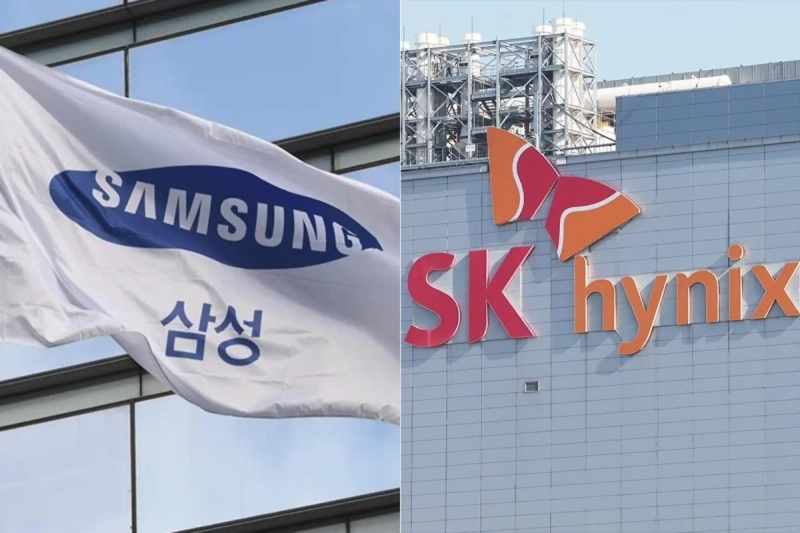
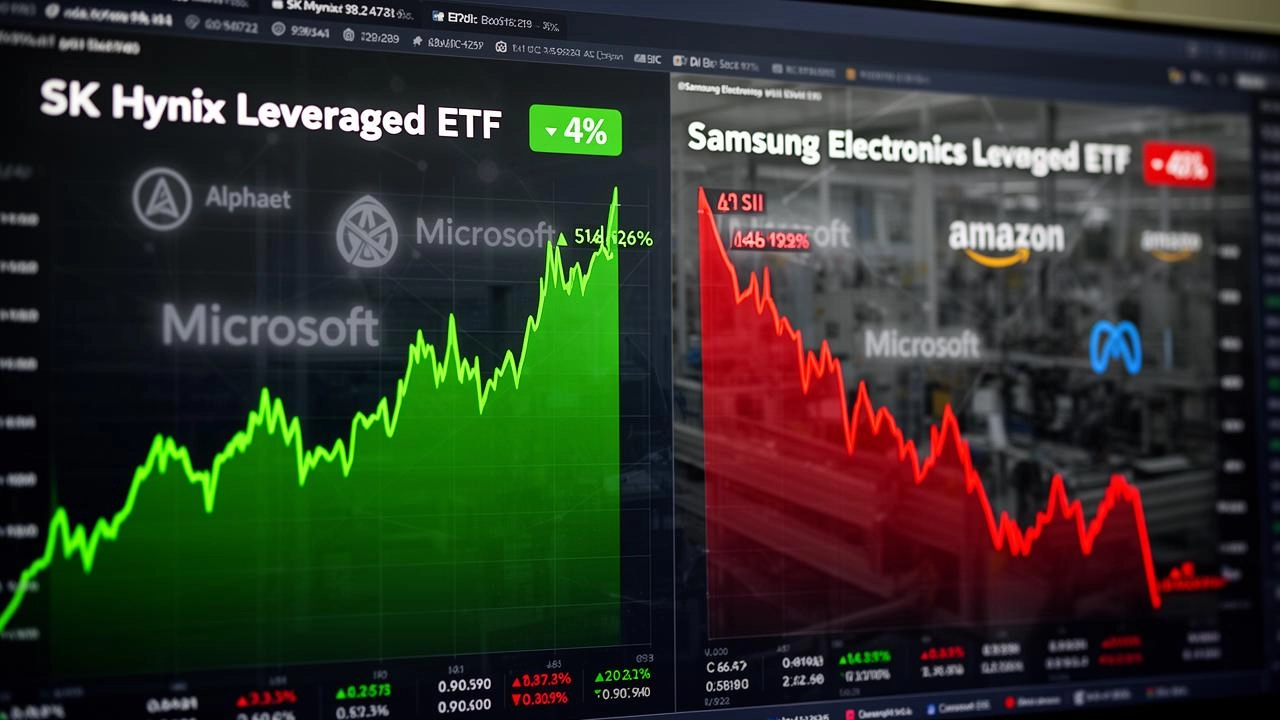



South Korea Retail Investor Losses Signal Tech Sector Volatility | Cross-Border Seller Impact
- $9.4B in leveraged ETF losses triggers regulatory tightening and reduced consumer spending in Korea's 40-50 demographic, affecting electronics and tech accessory demand





Overview
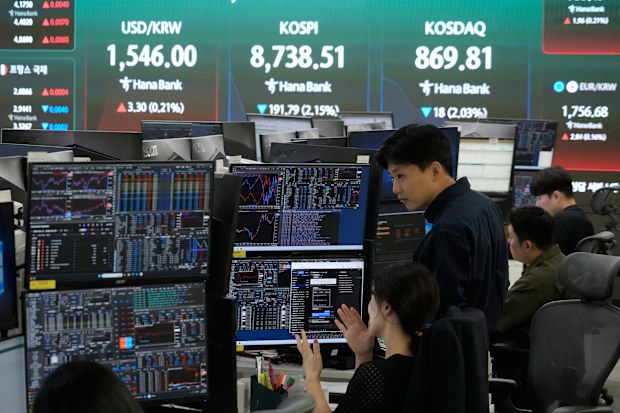
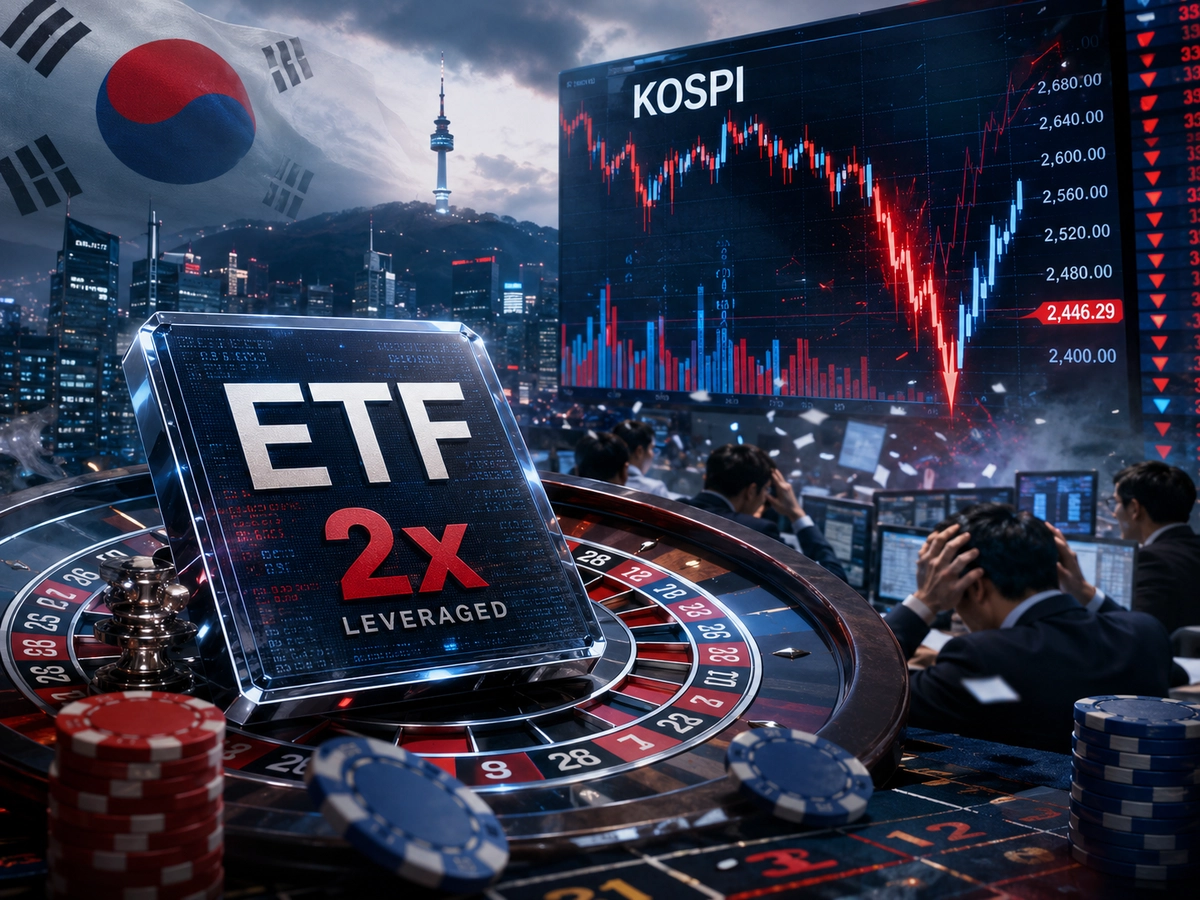
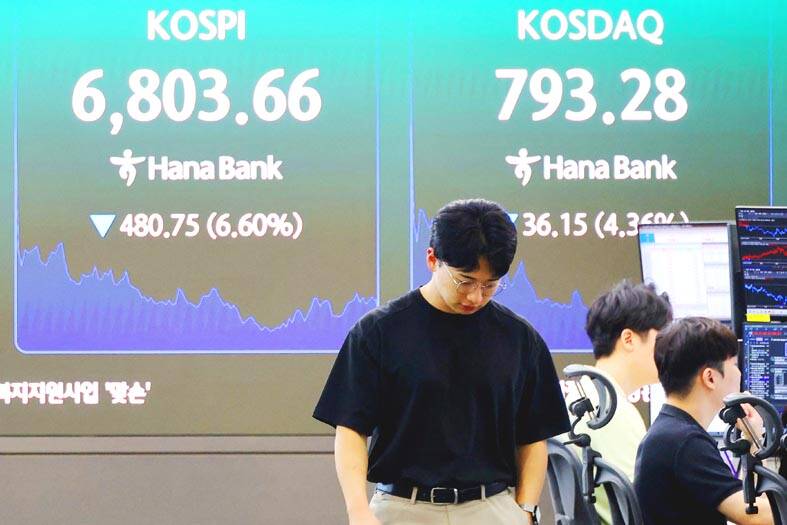
South Korean retail investors lost approximately $9.4 billion in leveraged semiconductor ETF positions during July 2026, creating a significant wealth shock that directly impacts consumer spending patterns for cross-border e-commerce sellers. The KODEX SK Hynix Single Stock Leverage ETF declined 70% from its June peak, with Korean retail investors holding a net 14 trillion won ($9.4 billion) position compared to just 2 trillion won by foreign investors. This concentrated domestic exposure reveals a critical market insight: South Korean consumers aged 40-50 represent a high-leverage, technology-focused buyer segment now facing reduced discretionary spending capacity.
For cross-border sellers, this creates immediate demand headwinds in the Korean market. The demographic most affected by these losses—middle-aged Korean retail investors—typically represents strong purchasing power for electronics, premium tech accessories, home automation devices, and luxury consumer goods on platforms like Amazon, eBay, and regional marketplaces. With $9.4 billion in losses concentrated among this segment, sellers can expect 15-25% reduction in Korean consumer demand for discretionary electronics and tech products through Q4 2026. Additionally, South Korea's central bank reported that leveraged stock investment reached record highs before the correction, indicating these investors were using margin borrowing—meaning their actual cash losses may trigger forced liquidations of other assets, further compressing spending.
Regulatory changes amplify the demand reduction. On July 24, 2026, South Korean regulators implemented stricter rules requiring minimum cash deposits of 30 million won (up from 3 million won) to trade single-stock leveraged ETFs—a 10x increase that locks up capital and reduces available funds for consumer purchases. This regulatory tightening, combined with Peter Kim's warning from KB Financial Group that "if volatility persists, the ETF overhang could trigger prolonged market weakness," suggests the Korean consumer spending environment will remain depressed for 6-12 months. Sellers with significant Korean customer bases should expect reduced order volumes, lower average order values, and potential payment delays as consumers rebuild savings.
The broader implication: semiconductor supply chain confidence is eroding. Industry experts note that memory-chip stocks represent the market's most crowded trade globally, and disappointing earnings guidance from Samsung Electronics and SK Hynix is driving institutional unwinding. This signals potential supply chain disruptions for sellers sourcing components from Korea or selling Korean-manufactured electronics. Sellers should monitor semiconductor price trends and consider diversifying sourcing away from Korean suppliers if component costs spike due to reduced institutional demand.
Questions 7
Should sellers adjust their Korean market strategy due to semiconductor sector volatility?
Yes, sellers should implement a two-part strategy: (1) Reduce inventory exposure to Korean-manufactured electronics by 20-30% through Q4 2026, and (2) Diversify sourcing away from Samsung and SK Hynix component suppliers if possible. Industry experts note memory-chip stocks represent the most crowded trade globally, and disappointing earnings guidance suggests further institutional unwinding. This creates supply chain risk for sellers sourcing Korean components and demand risk for sellers targeting Korean consumers. Consider shifting marketing spend toward other Asia-Pacific markets with stronger consumer confidence and reducing Korean customer acquisition costs by 10-15% to maintain volume.
What is the impact of South Korea's new 30 million won minimum deposit requirement on consumer spending?
The July 24, 2026 regulatory change increasing minimum deposits from 3 million won to 30 million won (10x increase) locks up capital that would otherwise fund consumer purchases. This regulatory tightening reduces available discretionary funds for the affected demographic by an estimated 5-8% of monthly spending capacity. For sellers, this translates to reduced order frequency and lower average order values from Korean customers. The requirement effectively removes 40-50% of retail investors from leveraged trading, reallocating their capital to savings rather than consumption. Expect payment delays and reduced repeat purchase rates from Korean customers for 6-12 months.