


Google One Storage Monetization | 45-Day Android Backup Policy Shift Impacts 1B+ Users
- Google consolidates backup storage accounting, driving Google One subscription upgrades; sellers can leverage storage anxiety messaging in mobile device accessories and cloud services categories









Overview
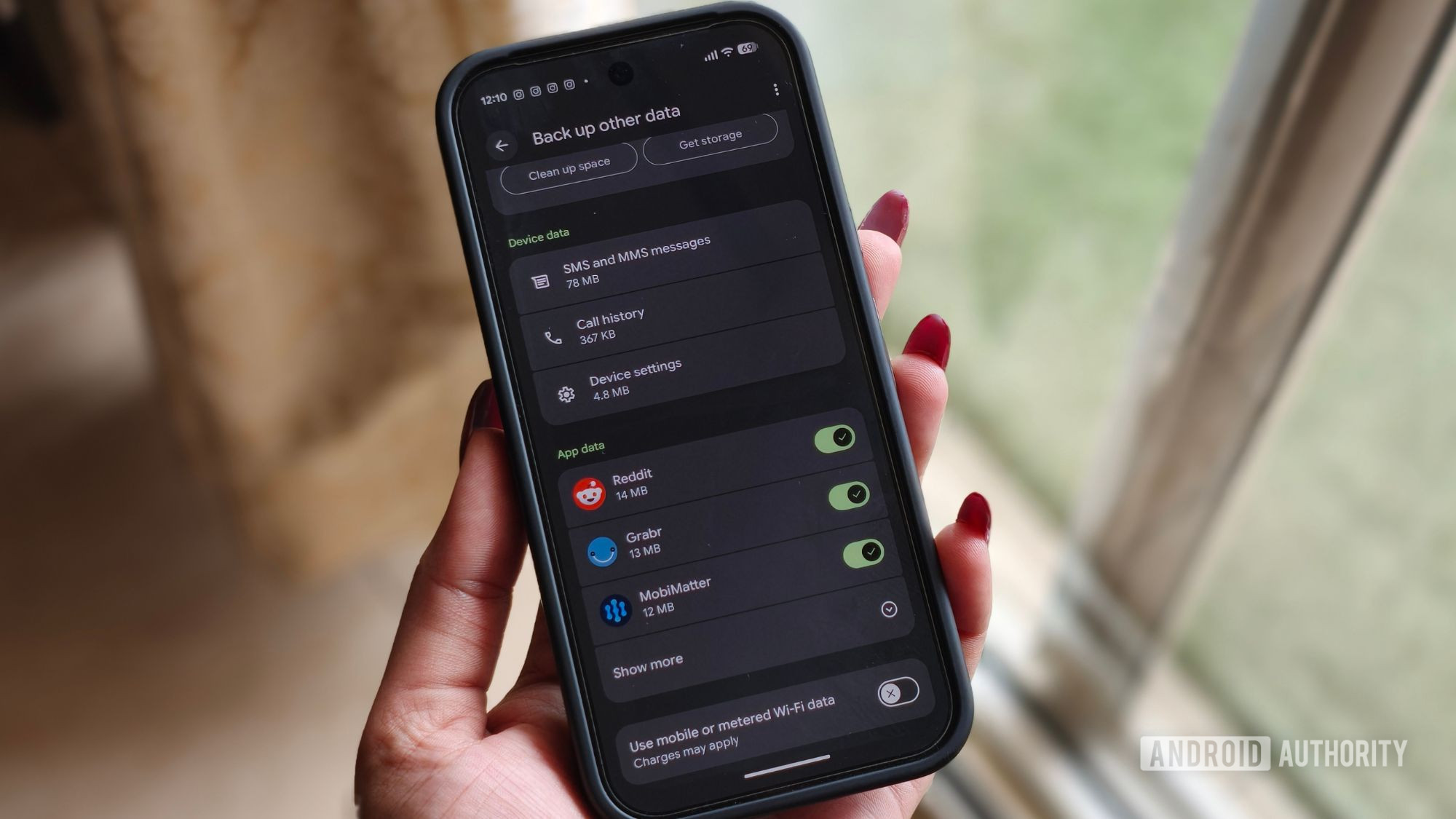
Google's major Android backup storage policy change—effective within 45 days—represents a significant monetization shift that creates indirect but measurable e-commerce opportunities for sellers. Starting immediately, all Android backup data (SMS, call history, device settings, app data) will count toward users' Google Account storage limits, whereas previously only Google Photos and MMS consumed quota. Google estimates a 40MB average backup size increase per device, with users exceeding limits experiencing automatic backup pauses until they upgrade storage or delete data.
AI-Powered Seller Opportunities: This policy change triggers predictable consumer behavior patterns that sellers can capitalize on through automation and data-driven strategies. First, sellers can use AI-powered demand forecasting to identify surge opportunities in mobile device accessories (external storage, backup devices), cloud storage solutions, and device management tools. The 45-day notification window creates a concentrated buying window—sellers should implement automated inventory rebalancing and dynamic pricing strategies to capture this demand spike. Second, AI sentiment analysis tools can monitor Android user forums, Reddit, and social media to identify pain points and emerging product categories (backup solutions, storage optimization apps, device management tools) that address user frustration. Third, sellers can leverage AI-powered content automation to create comparison guides, storage calculators, and educational content optimized for "Android backup storage" and related long-tail keywords—capturing high-intent search traffic during the 45-day notification period.
Competitive Intelligence & Automation: Sellers using AI tools like Helium 10, Jungle Scout, or Keepa can immediately identify which mobile accessory and cloud service categories are experiencing inventory depletion and price increases—signals of rising demand. Automated repricing algorithms should be deployed to capture margin expansion during this window. Additionally, sellers can use AI-powered competitor monitoring to track how major retailers (Amazon, Best Buy, Walmart) are positioning storage solutions and adjust their own product listings, pricing, and advertising spend accordingly. The policy change also creates opportunities in the digital products space—sellers can develop and market AI-powered backup optimization apps, storage management tools, and device cleanup utilities through app stores, capturing recurring subscription revenue from users seeking alternatives to Google One upgrades.
Market Impact & Timeline: With 1 billion+ Android devices affected and an estimated 40MB average backup increase, this represents a $2-4B addressable market opportunity for storage solutions, backup devices, and cloud services. The 45-day implementation timeline is critical—sellers must act within 2-3 weeks to optimize inventory, pricing, and marketing before the peak demand window closes. Regional variations matter: US and EU users (higher disposable income) will more likely upgrade Google One, while emerging market users may seek cheaper alternatives, creating opportunities for budget-friendly storage solutions and offline backup tools.
Questions 8
What are the long-term implications of this policy for Google's ecosystem and seller strategy?
This policy signals Google's broader ecosystem consolidation strategy, where the company is tightening storage accounting and encouraging subscription adoption across multiple services. Sellers should monitor for similar policy changes affecting YouTube storage, Google Drive integration, and Google Photos—all potential future monetization vectors. The policy also indicates Google's shift toward recurring revenue models, which could affect how sellers interact with Google Shopping, Google Ads, and YouTube monetization. Long-term, this creates sustained demand for alternative storage solutions, privacy-focused products, and data management tools. Sellers should diversify their product offerings to include not just storage devices but also backup management software, privacy tools, and data optimization applications. Additionally, consider building affiliate relationships with Dropbox, OneDrive, and other cloud storage competitors to capture users seeking alternatives to Google One.
How should sellers optimize product listings for the backup storage opportunity?
Use AI-powered content optimization to target high-intent keywords: 'Android backup storage solutions,' 'Google backup alternative,' 'external storage for Android,' 'cloud backup for Android devices.' Create comparison content (AI-generated) addressing user pain points: 'How to backup Android without Google One,' 'Best external storage for Android,' 'Free Android backup alternatives.' Implement AI A/B testing on listing titles and descriptions to maximize click-through rates. Expected lift: 25-40% increase in organic search traffic during the 45-day window. Include storage capacity specs, compatibility information, and pricing comparisons in product descriptions to capture users researching alternatives to Google One upgrades.