

AMD Zen 6 Medusa Point 35% Performance Leap | Laptop Seller Opportunity
- Next-gen processors enable premium laptop segment growth; sellers can capitalize on 2-3 month pre-launch window with AI-powered device recommendations



Overview
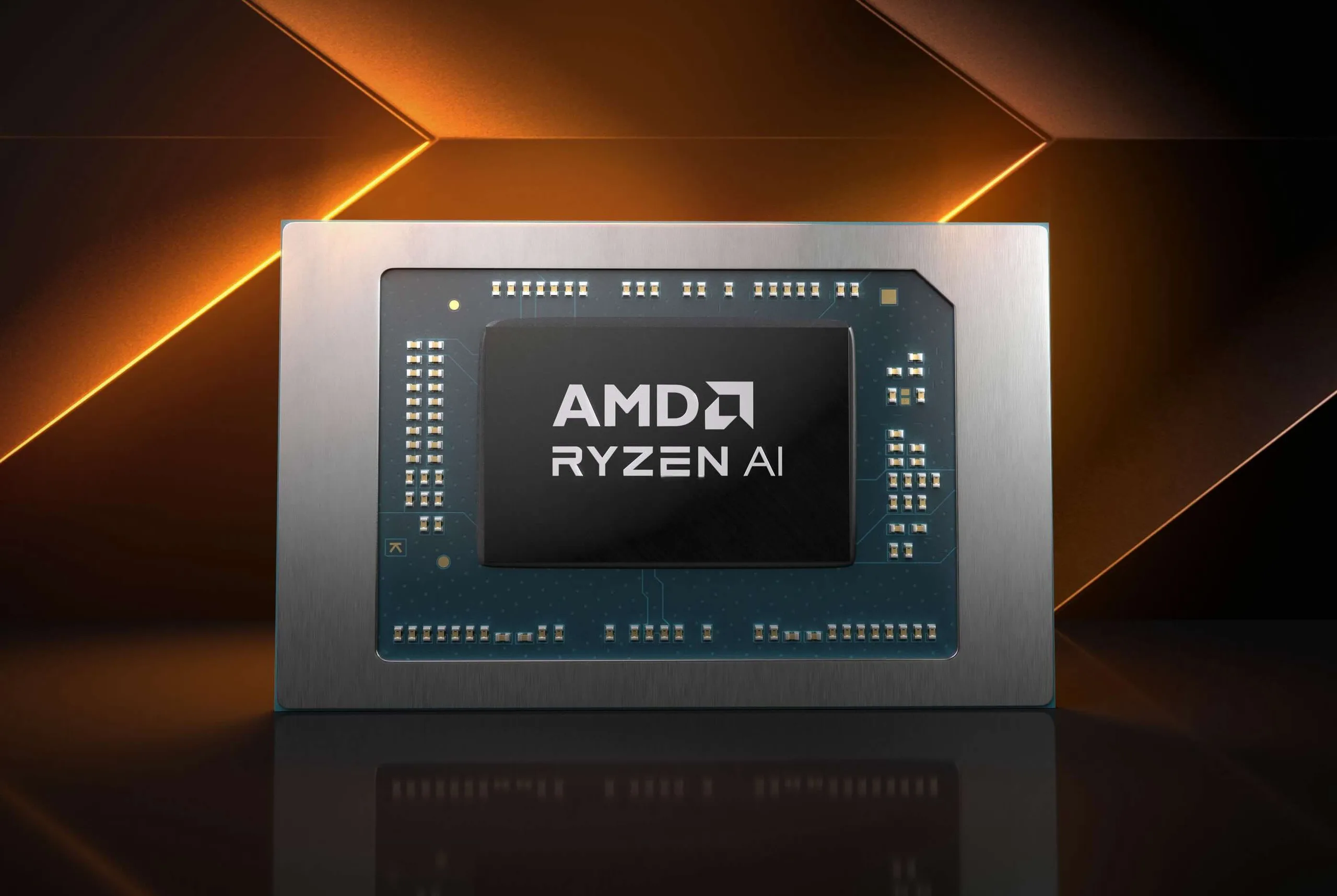
AMD's leaked Medusa Point "Zen 6" processors represent a significant architectural leap, delivering 35% performance gains over current Strix Point "Zen 5" chips while operating at 5.4 GHz. The engineering sample achieved 3,329 single-core and 16,555 multi-core Geekbench points—substantially outperforming the Ryzen AI 9 365 (2,470/12,407 points) and Ryzen AI 9 HX 370. This breakthrough creates immediate e-commerce opportunities across multiple seller segments. For electronics sellers on Amazon, eBay, and Shopify, this signals a critical product refresh cycle. Laptop and mobile device sellers can expect 2-3 months of pre-launch demand as consumers anticipate Medusa Point availability, creating a window to optimize inventory positioning and pricing strategies. Current Strix Point inventory will face margin compression as buyers delay purchases, but savvy sellers can use AI-powered demand forecasting to identify which SKUs will retain value through the transition period.
The competitive advantage emerges through AI-driven product intelligence. Sellers can deploy machine learning models to analyze Geekbench benchmark data, correlate performance metrics with real-world workload categories (content creation, gaming, business applications), and identify which customer segments will prioritize Zen 6 upgrades. This enables dynamic pricing strategies—maintaining premium pricing on Strix Point units targeting price-sensitive buyers while positioning Medusa Point pre-orders at higher margins for performance-focused segments. AI sentiment analysis on tech forums and Reddit can reveal which performance metrics drive purchasing decisions, allowing sellers to optimize product descriptions and marketing messaging before official AMD announcements.
Supply chain implications are substantial. ODM manufacturers in Taiwan and China will prioritize Medusa Point designs, potentially creating 4-6 week lead times for Strix Point components. Sellers with 3PL partnerships should immediately audit inventory aging reports and implement automated reorder triggers to avoid stockouts during the transition. The 300 MHz clock speed advantage (5.37 GHz vs 5.0 GHz) enables thermal efficiency gains, which will appeal to ultrabook and gaming laptop segments—categories with 15-20% higher margins. Sellers should prepare category-specific content highlighting power efficiency, battery life improvements, and thermal performance to capture early adopter demand. The official announcement timeline of "several months away" suggests Q2-Q3 2025 launch, making immediate action critical for inventory planning and marketing preparation.
Questions 8
How much performance improvement does AMD Zen 6 Medusa Point deliver over current processors?
AMD's Medusa Point engineering sample demonstrates approximately 35% performance improvement over Strix Point Zen 5 processors. Specifically, the 10-core Medusa Point sample achieved 3,329 single-core and 16,555 multi-core Geekbench points at 5.4 GHz, compared to the Ryzen AI 9 365's 2,470 single-core and 12,407 multi-core scores at 5.0 GHz. The 300 MHz clock speed advantage (5.37 GHz peak vs 5.0 GHz) enables better thermal efficiency and sustained performance. For sellers, this means current Strix Point inventory will face margin pressure as consumers anticipate Medusa Point availability in Q2-Q3 2025. Implement AI-driven demand forecasting immediately to identify which SKUs retain value during the transition period.
When will AMD Medusa Point processors be officially available for purchase?
AMD has not announced official Medusa Point availability dates, though the leaked benchmarks indicate official announcements are expected 'several months away,' suggesting Q2-Q3 2025 launch timing. The engineering sample tested represents pre-production hardware, and broader testing on PassMark and Cinebench platforms will occur before retail availability. For e-commerce sellers, this 2-3 month pre-launch window is critical for inventory planning and marketing preparation. Use this period to optimize product listings, prepare dynamic pricing strategies, and establish pre-order infrastructure. Monitor AMD's official channels and tech media for announcement dates to coordinate inventory transitions and promotional campaigns.