



Geopolitical Oil Crisis Drives Logistics Costs Up 8-12% | Cross-Border Sellers Face Margin Compression
- Diesel prices hit $5.11/gallon as U.S.-Iran tensions escalate; FBA and 3PL shipping costs surge; sellers with thin margins and heavy products most vulnerable















Overview
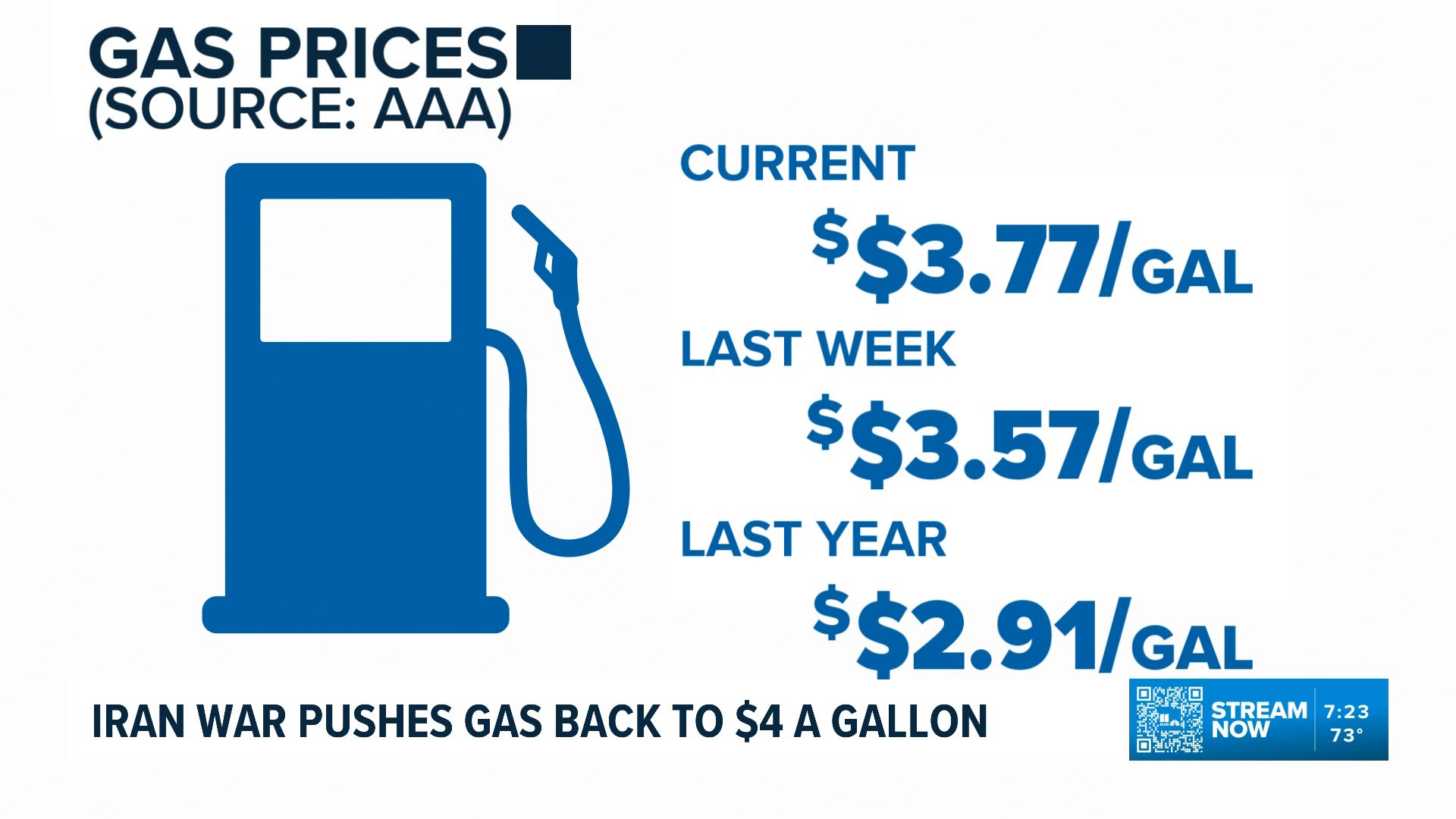
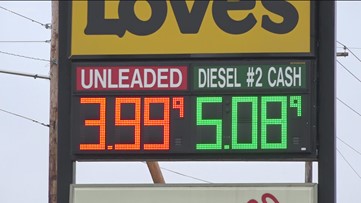
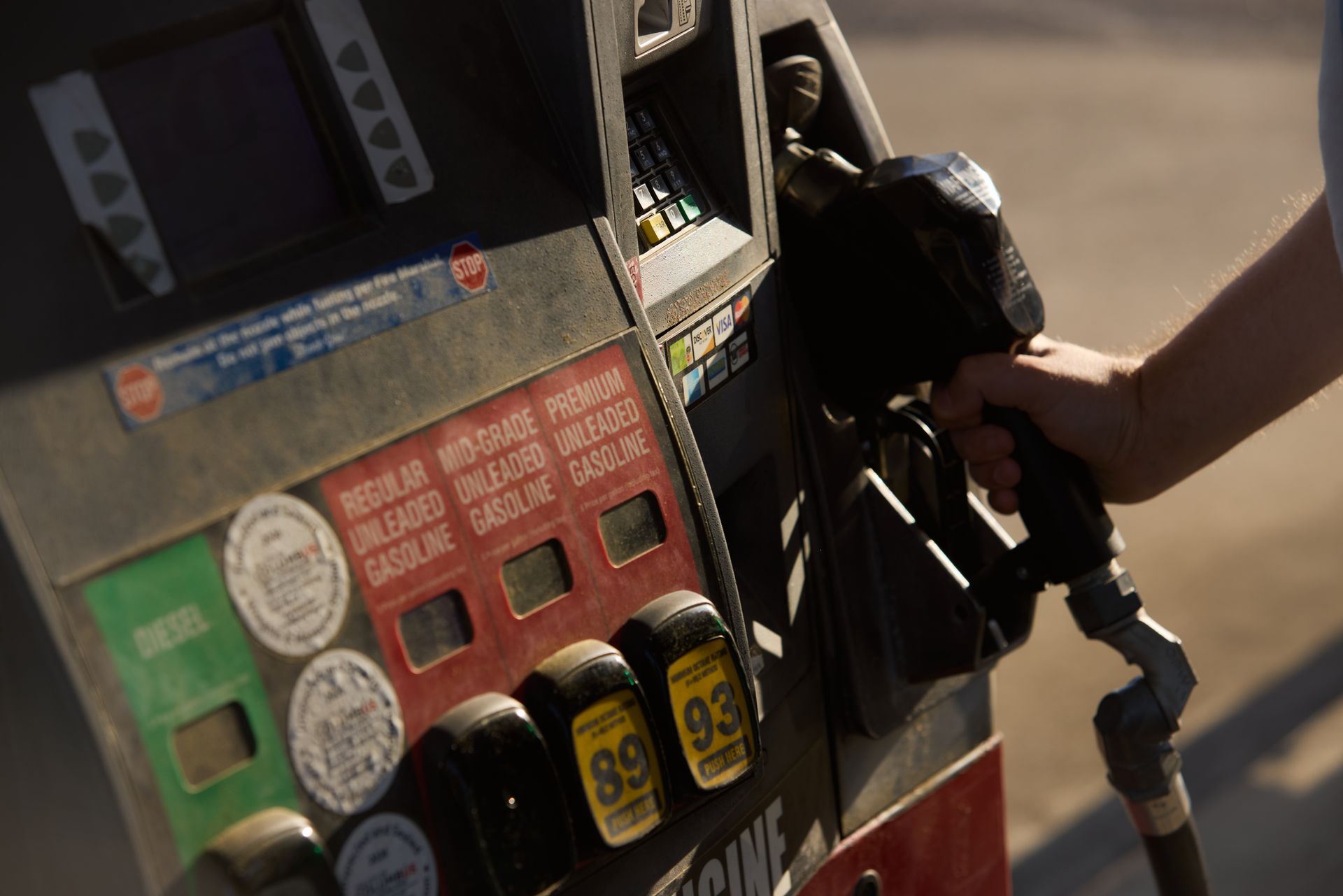
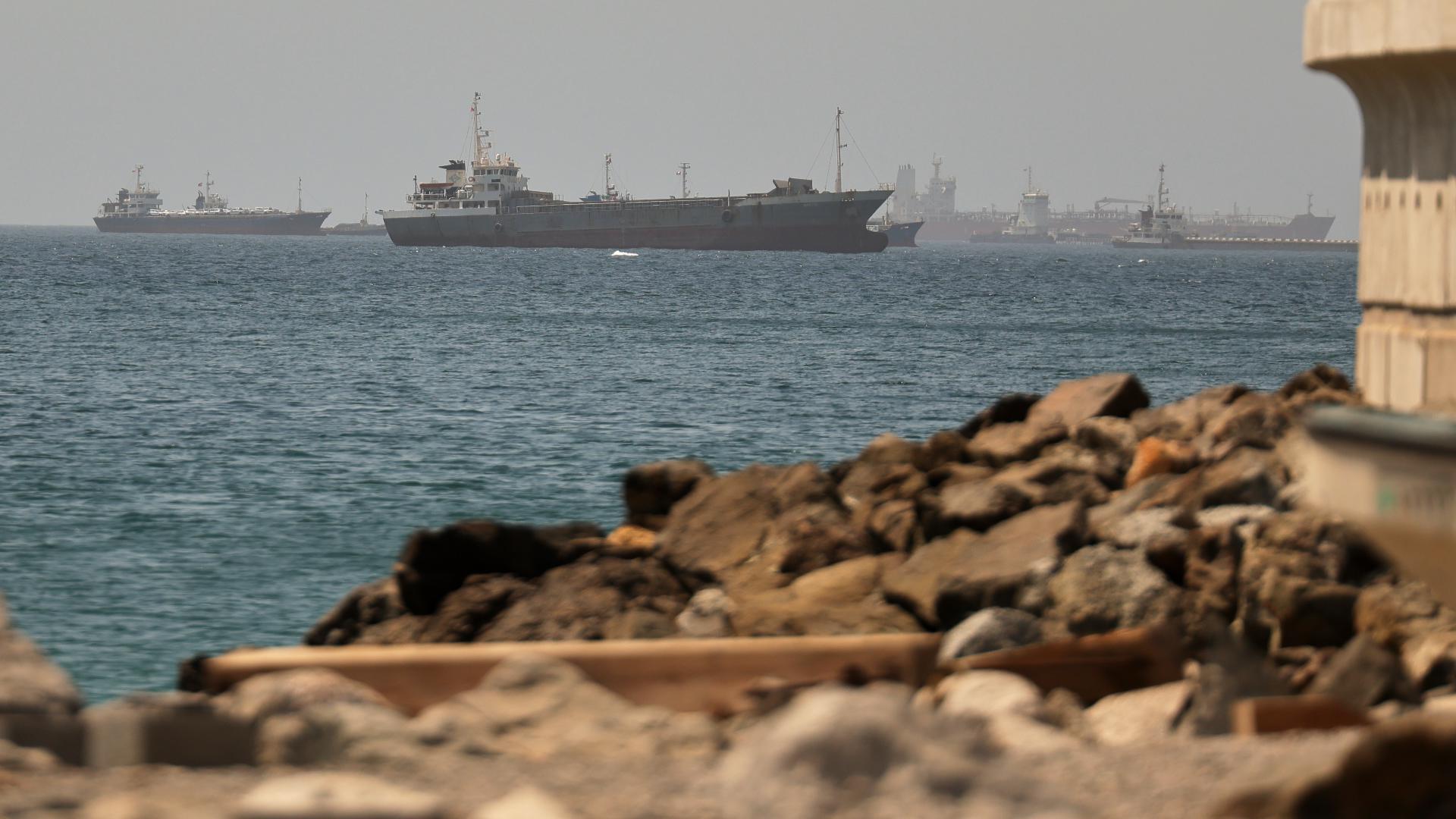
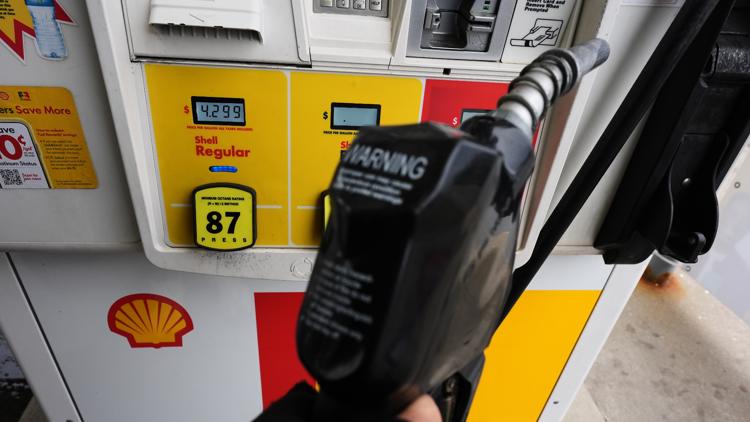
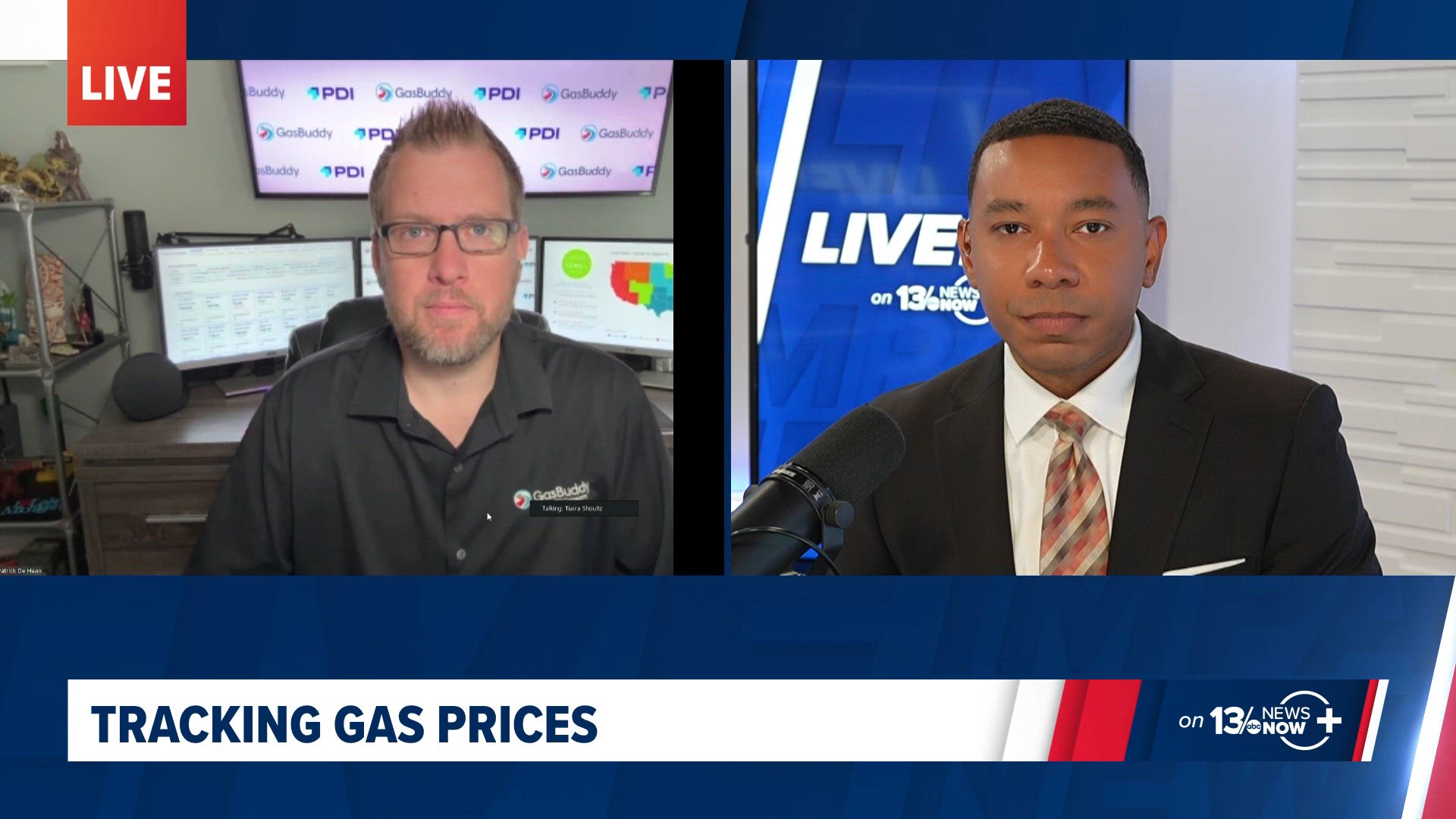
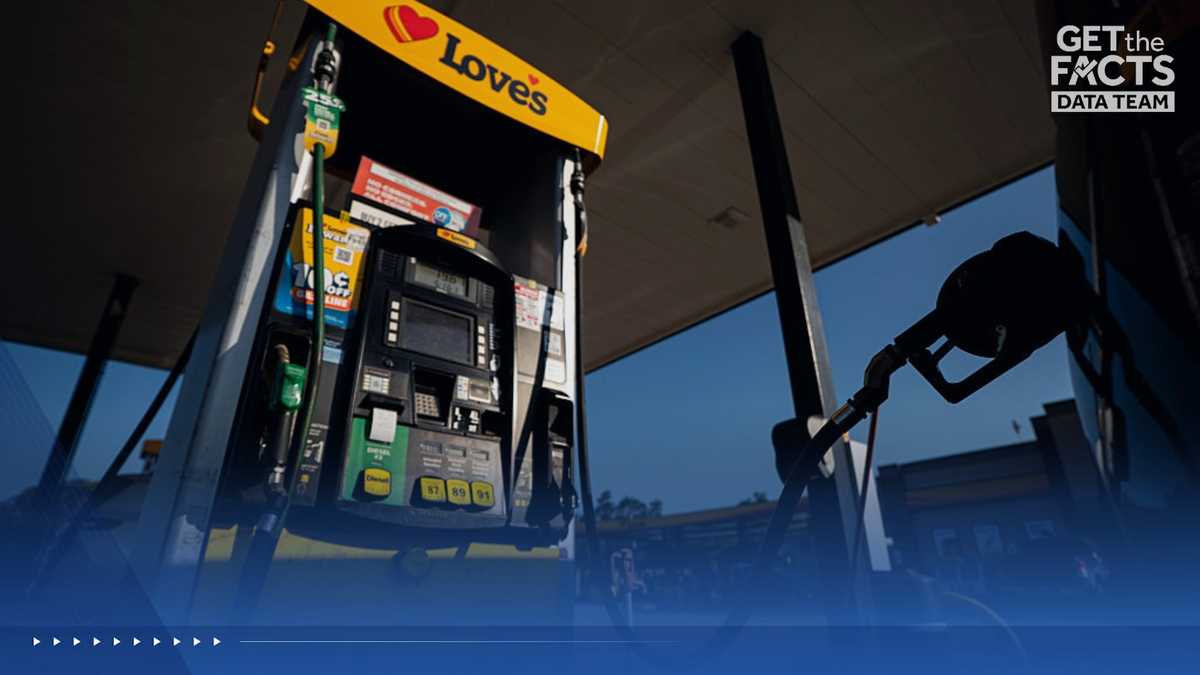
Geopolitical escalation between the U.S. and Iran has triggered a critical energy market disruption affecting cross-border e-commerce operations. As of July 20, 2026, U.S. gasoline prices surged to $4.003 per gallon (up 13 cents weekly, 86 cents year-over-year), with diesel reaching $5.11 per gallon—directly impacting logistics infrastructure that underpins Amazon FBA, 3PL fulfillment networks, and international shipping corridors. Brent crude oil jumped $3.20 to $90.95/barrel while West Texas Intermediate climbed $2.80 to $84.04/barrel. The naval blockade of Iranian ports has effectively shut down Strait of Hormuz vessel traffic, disrupting global fuel stockpiles already strained by reduced Russian refinery output and American import constraints.
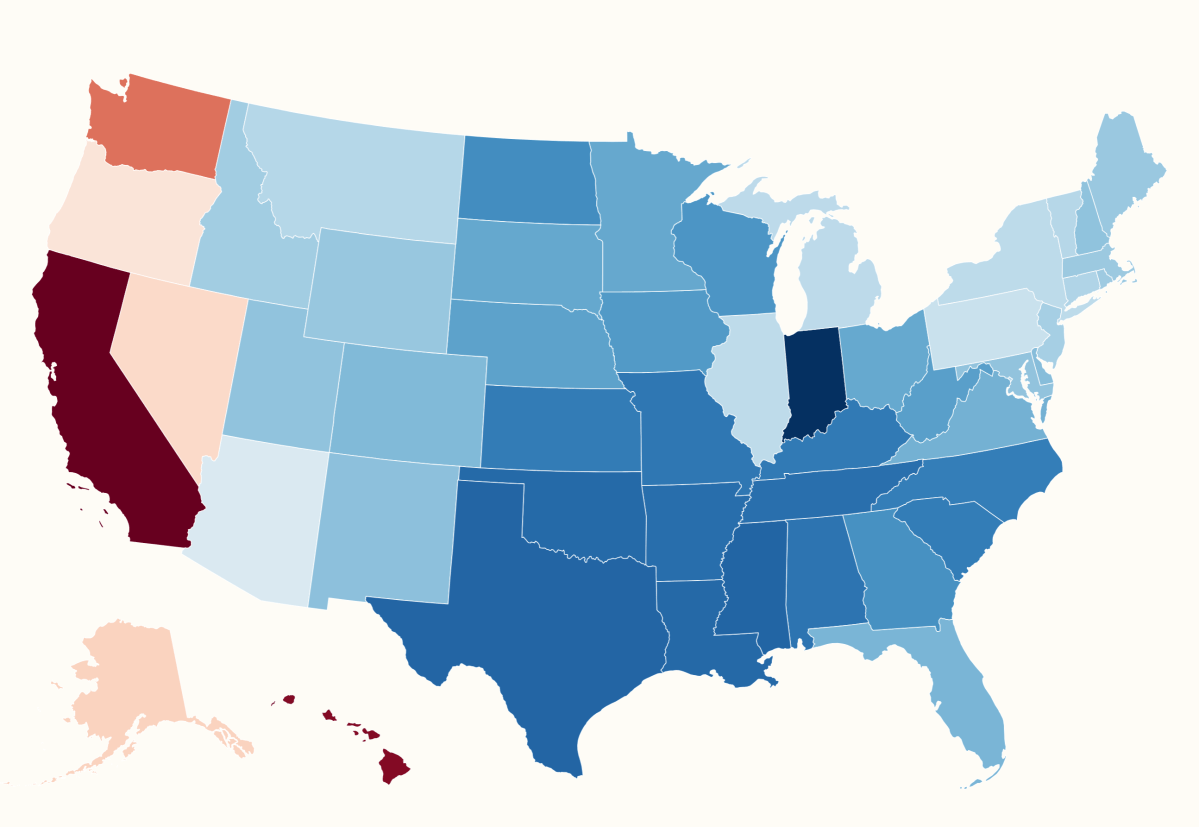
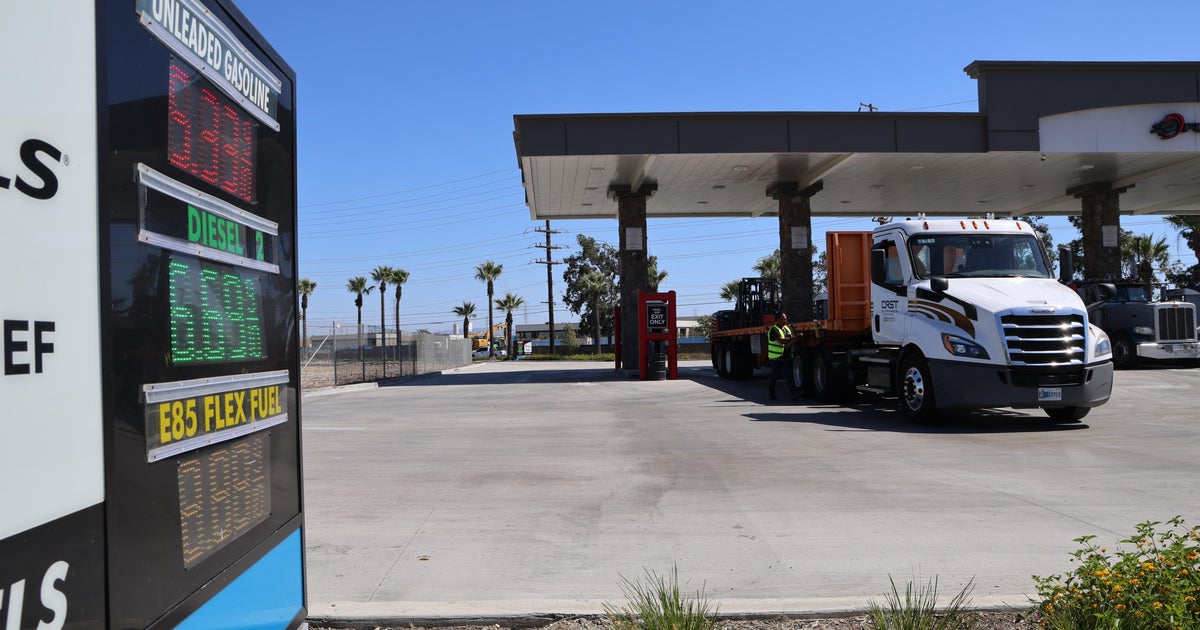
For cross-border sellers, this translates to immediate cost pressures across three operational vectors. First, ground transportation costs are escalating: diesel-dependent last-mile delivery, fulfillment center operations, and inventory distribution via truck now face 8-12% cost increases. Sellers relying on FBA will experience higher fulfillment fees as Amazon's logistics partners pass through fuel surcharges. Second, international shipping costs are rising: air freight and ocean freight pricing incorporate fuel surcharges, with air freight particularly vulnerable due to jet fuel price correlation. Third, upstream supplier costs are climbing: manufacturers and wholesalers in Asia, Europe, and Latin America are increasing product costs due to elevated energy expenses, compressing seller margins on sourced inventory. Regional variations create strategic opportunities: Southern U.S. sellers face $3.60/gallon diesel (lower pressure), while California-based operations confront $5.50/gallon equivalent costs, creating 50%+ regional cost differentials.
The competitive impact is asymmetric by seller segment. Large sellers with diversified logistics networks (multiple 3PLs, regional fulfillment centers) can absorb 2-3% margin compression through volume leverage and negotiated fuel surcharge caps. Mid-market sellers (500-5,000 SKUs) face 4-6% margin pressure and must choose between price increases (risking Buy Box loss) or inventory optimization. Small sellers with thin margins (<15% net) operating heavy product categories (home goods, electronics, sporting equipment) face existential pressure—a $0.50/unit shipping increase on a $20 product eliminates profitability. The policy timeline is critical: the naval blockade was reimposed "this week" (mid-July 2026), suggesting sustained conflict duration of 3-12 months based on historical U.S.-Iran escalation patterns. Industry analysts warn that depleted global fuel stockpiles and summer driving demand could sustain elevated prices through Q3-Q4 2026, creating a prolonged operational headwind rather than a temporary spike.
Questions 8
How much will my FBA shipping costs increase due to fuel surcharges from the oil price spike?
Amazon FBA fulfillment fees typically incorporate fuel surcharges that track diesel prices with a 2-4 week lag. Based on the $5.11/gallon diesel level (up from ~$4.20 in June), expect 8-12% increases on per-unit fulfillment fees starting in early August 2026. For a seller shipping 1,000 units monthly at $3/unit FBA fee, this translates to $240-360 additional monthly costs. Sellers should review their Seller Central dashboard for updated fee schedules and monitor carrier communications from Amazon Logistics partners for explicit surcharge notifications. The impact compounds for heavy products (furniture, appliances) where dimensional weight pricing amplifies fuel cost pass-through.
Should I adjust my product pricing now to protect margins, or wait to see if oil prices stabilize?
Industry data suggests geopolitical conflicts in the Middle East typically sustain elevated oil prices for 3-6 months minimum. Given the naval blockade reimposition and depleted global fuel stockpiles mentioned in the news, waiting creates compounding margin erosion. Recommended action: implement 5-8% price increases on products with >$50 ASP immediately (within 7 days) to maintain Buy Box eligibility before competitors raise prices. For lower-ASP items (<$20), consider bundling strategies or tiered pricing rather than direct increases to minimize conversion loss. Monitor competitor pricing weekly via tools like Keepa or Jungle Scout—if competitors raise prices first, your increases face less resistance. Set a review checkpoint for September 1, 2026, to assess whether oil prices have stabilized below $80/barrel (indicating potential price reductions).