



FDA Food Safety Testing Errors Create Compliance Certification Opportunities for Fresh Produce Sellers
- False positive reveals testing protocol gaps affecting 5-state outbreak investigation; sellers need enhanced supply chain documentation and third-party certification to survive future regulatory scrutiny






Overview
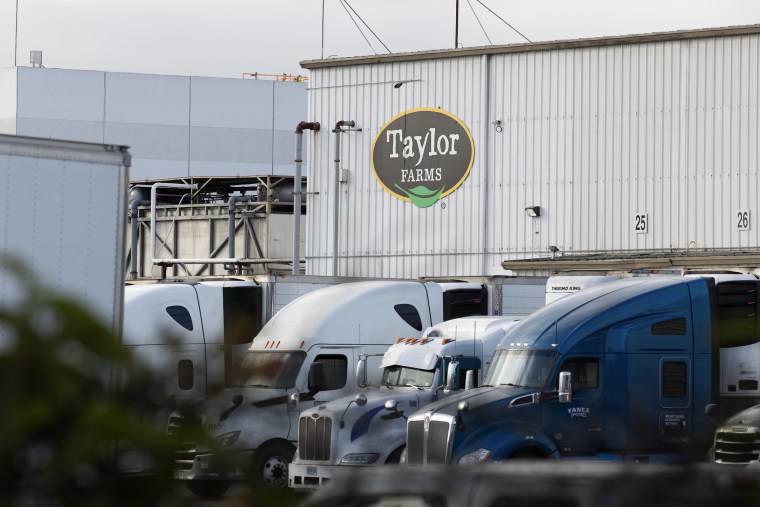
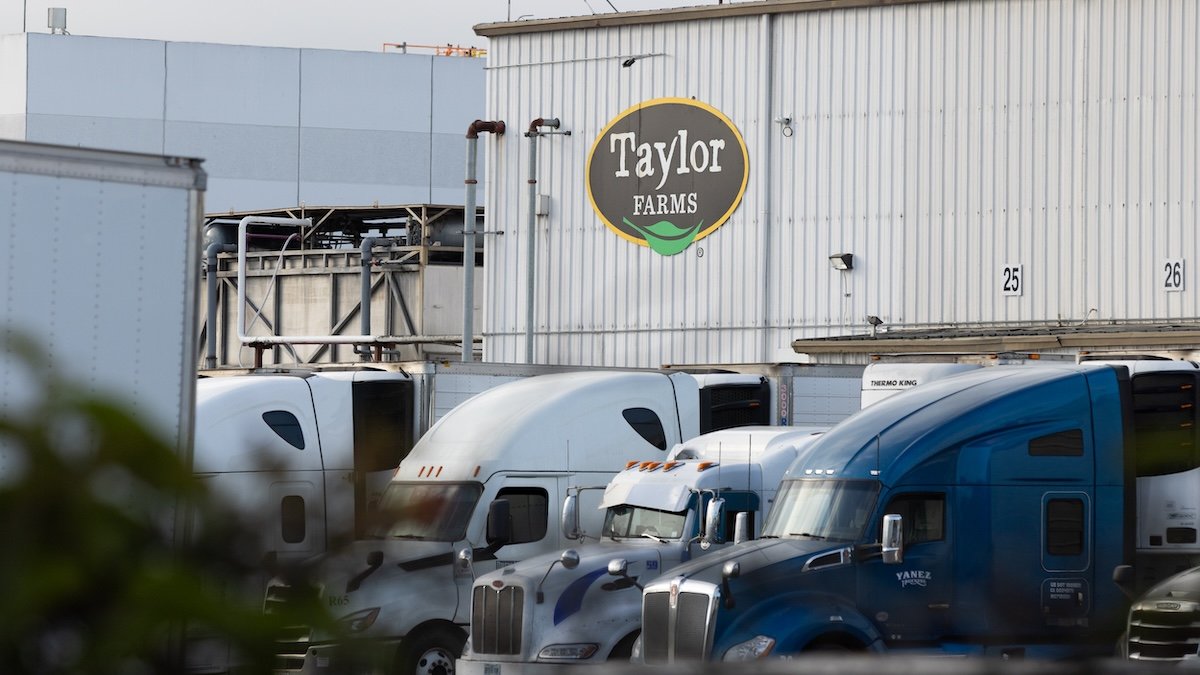
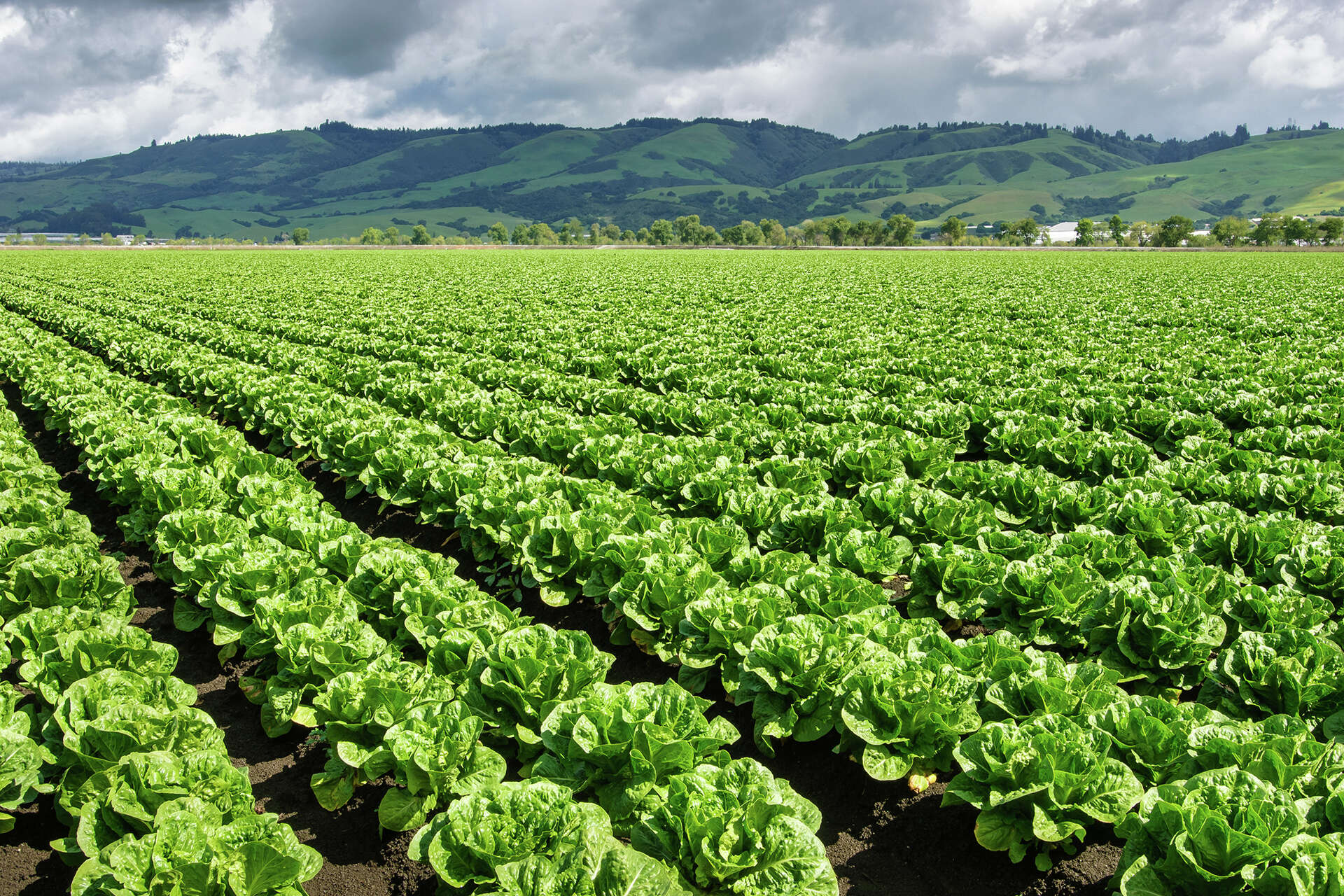
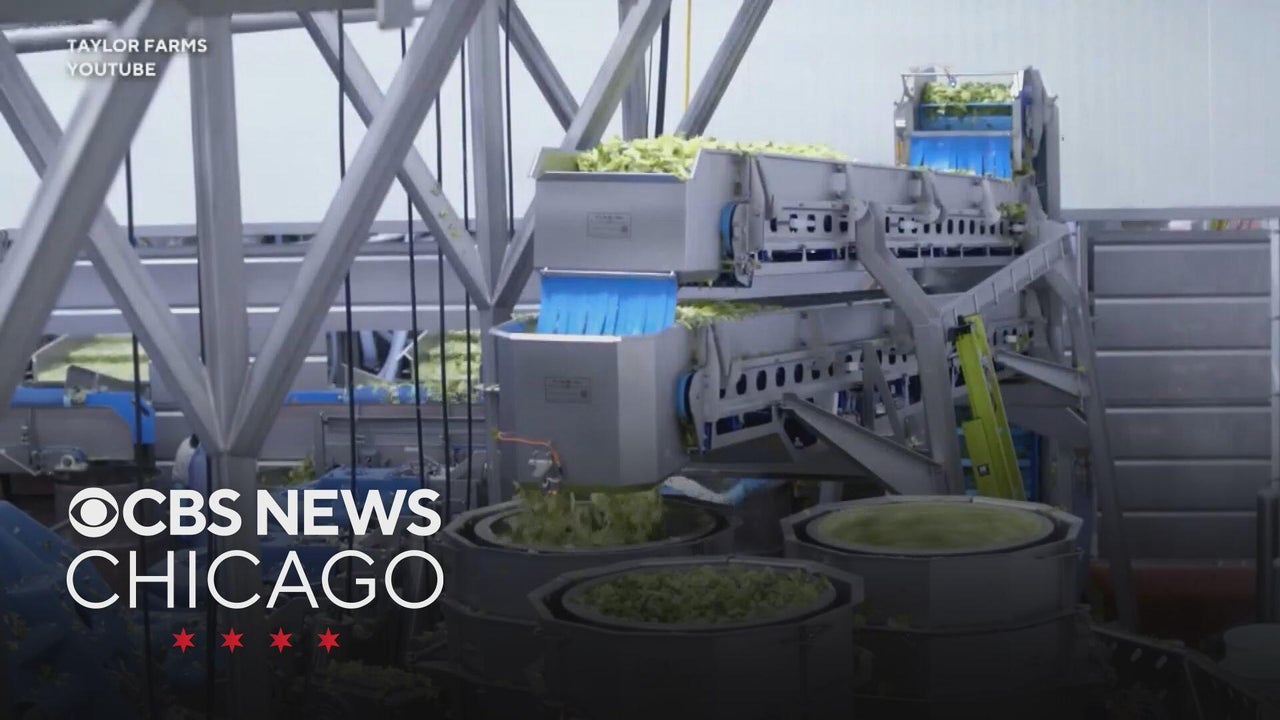
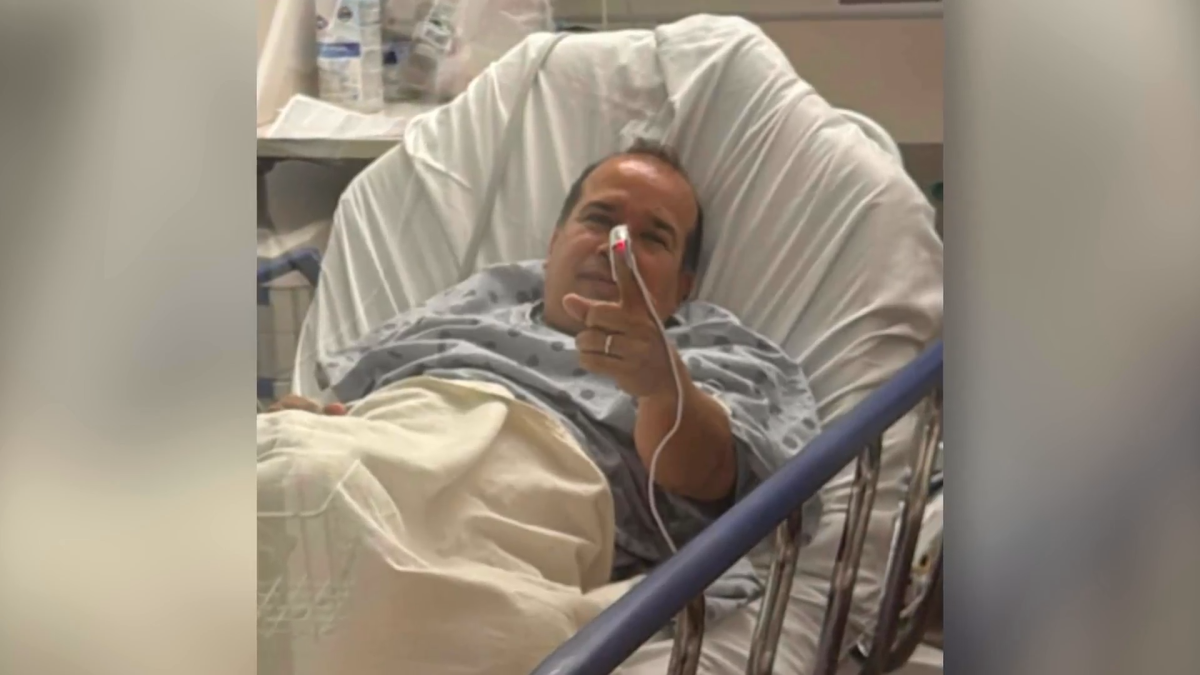
The FDA's retraction of its cyclospora contamination finding in Taylor Farms lettuce (July 20, 2026) reveals critical compliance vulnerabilities in food safety testing protocols that directly impact cross-border fresh produce sellers. The agency initially identified Taylor Farms de Mexico as the contamination source affecting Taco Bell and Walmart locations across five states, with 40+ hospitalizations reported in Ohio alone. However, FDA laboratory experts determined the positive test was inconclusive—a false positive that Former FDA Commissioner Robert Califf noted is "common in Cyclospora detection due to the parasite's complexity."
This testing error creates a compliance moat opportunity: Sellers who implement third-party pathogen testing certification (FSMA-compliant, ISO 22000, or SQF Level 3) can differentiate from competitors and survive future outbreak investigations faster. The Taylor Farms case demonstrates that even major suppliers with established relationships to Taco Bell and Kroger face brand damage and voluntary recalls despite eventual exoneration. The recall remained in effect as a "precautionary measure" even after the false positive was confirmed—indicating regulatory agencies prioritize caution over speed.
For cross-border fresh produce sellers, this incident establishes new compliance baseline expectations: (1) Real-time traceability systems documenting sourcing, testing dates, and batch-level distribution to all retail partners; (2) Pre-emptive third-party pathogen testing at 2-3 week intervals during peak season, costing $800-2,000 per batch but enabling rapid response to FDA inquiries; (3) Supplier certification documentation proving farms maintain FSMA Produce Safety Rule compliance (water testing, soil management, worker hygiene protocols). Sellers without this documentation face import alerts, detention orders, and enhanced inspection procedures that can delay shipments 10-14 days.
The compliance service gap is immediate: Food safety testing labs and traceability software providers are undersupplied. Current turnaround for pathogen confirmation testing is 5-7 days, but outbreak investigations demand results within 48 hours. Sellers importing fresh produce from Mexico, Central America, or Asia Pacific regions should expect FDA to implement enhanced testing requirements for suppliers linked to any future outbreaks. The false positive also signals that FDA testing capacity is strained—meaning private third-party certification becomes the competitive differentiator. Sellers who obtain SQF or FSMA certification within 90 days can market "FDA-verified safe" status to Amazon Fresh, Walmart, and specialty grocers, commanding 8-12% price premiums on certified batches.
Questions 7
Which markets have easier compliance paths for fresh produce sellers—US, EU, or Asia Pacific?
The US has the most stringent FSMA requirements but fastest certification timelines (90-180 days for SQF). The EU requires GLOBALG.A.P. certification (120-180 days) with higher audit costs ($10,000-20,000). Asia Pacific markets (Singapore, Australia) accept FSMA or SQF equivalently. Mexico-based sellers face the highest scrutiny post-Taylor Farms because FDA has enhanced inspection procedures for Mexican suppliers. Sellers can reduce compliance costs 15-20% by obtaining SQF certification (recognized globally) rather than pursuing separate FSMA, GLOBALG.A.P., and regional certifications. Cross-border sellers should prioritize SQF for US/EU/Asia Pacific market access, then add regional certifications only if targeting specific high-value markets.
What compliance service gaps exist that sellers can exploit as business opportunities?
Three major service gaps exist: (1) Real-time pathogen testing with 24-48 hour turnaround (current labs require 5-7 days); (2) Affordable traceability software for small-medium sellers ($500-1,000/month vs. current $2,000-5,000); (3) Cooperative certification programs allowing 5-10 sellers to share FSMA/SQF audit costs. The Taylor Farms case shows FDA testing capacity is strained, creating demand for private labs. Sellers can partner with food safety testing providers to offer 'certified safe' status on Amazon Fresh and Walmart, commanding 8-12% premiums. Traceability software providers and certification consultants will see 30-50% demand growth over 12 months as sellers implement preventive compliance.