






Geopolitical Oil Volatility Reshapes E-Commerce Logistics Costs | Sellers Face 3-5% Shipping Fee Increases
- Brent crude volatility ($70-$126/barrel) triggers 2-4 week fuel surcharge delays affecting cross-border sellers; sustained prices above $85/barrel historically increase carrier fees 3-5% across air, ocean, ground transport





Overview
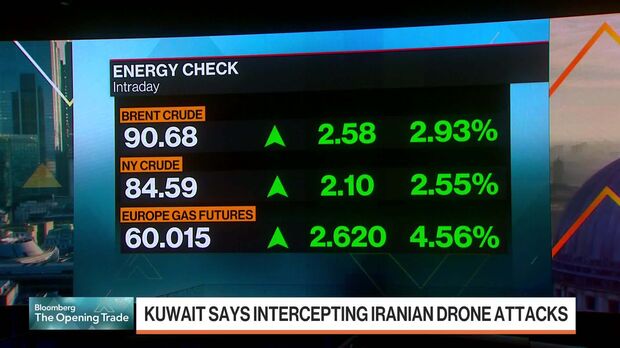
The five-month US-Iran conflict (February 28–July 2026) created unprecedented oil market dynamics that directly impact cross-border e-commerce logistics costs, despite Brent crude peaking at only $126/barrel—well below 2008's $147 record and analyst predictions of $150-$200. The Strait of Hormuz, through which 21% of global petroleum flows, faced repeated closure threats, yet oil prices remained volatile rather than catastrophic due to China's dramatic crude import reduction to decade lows, US production reaching record 13.93 million barrels daily by April, and 400 million barrels released from the Strategic Petroleum Reserve in March. For e-commerce sellers, this volatility creates immediate operational urgency: fuel surcharges on international shipments typically increase within 2-4 weeks of crude price spikes, with sustained prices above $85/barrel historically triggering 3-5% increases in logistics fees across major carriers (FedEx, DHL, ocean freight providers).
The operational impact varies significantly by seller segment and sourcing strategy. Sellers relying on just-in-time inventory from Asia-Pacific suppliers face compounded costs—higher crude prices increase both transportation expenses (air freight premiums spike 5-8% during volatility) and supplier production costs simultaneously. For example, a seller shipping 1,000 units monthly via air freight from Vietnam to US faces potential monthly cost increases of $300-600 when oil prices sustain above $85/barrel. Ocean freight provides some insulation but introduces timing risk: the Strait of Hormuz's June reopening and July reclosure created 2-3 week shipping delays for Red Sea-routed containers, forcing sellers to choose between expensive air alternatives or inventory stockouts. Cold chain logistics for perishable goods (fresh food, pharmaceuticals, cosmetics) face additional pressure—warehouse operations and last-mile delivery costs rise proportionally with fuel surcharges, compressing margins on already thin-margin categories.
Market uncertainty from geopolitical headlines creates strategic sourcing opportunities for forward-thinking sellers. China's pivot toward electric vehicle adoption and reduced petrochemical volumes signals long-term demand destruction in oil-intensive categories, while Saudi Arabia's increased Red Sea Yanbu port shipments demonstrate supply chain diversification away from Strait of Hormuz dependency. Sellers can exploit this transition by: (1) negotiating fixed-rate shipping contracts now before sustained price increases lock in higher baselines (typical 6-12 month contracts), (2) diversifying sourcing from Vietnam, India, and Indonesia to reduce China-dependent supply chains vulnerable to geopolitical disruption, and (3) repositioning inventory toward lower-weight, higher-margin products that absorb fuel surcharges more efficiently. The news reports that "market headline fatigue" reduced price impact from fresh announcements—meaning traders have largely priced in worst-case scenarios, creating a window for sellers to lock in logistics rates before the next escalation cycle.
Questions 8
What specific actions should I take in the next 30 days to protect my margins from oil price volatility?
Immediate 30-day action plan: (1) Audit your current shipping contracts—identify expiration dates and fuel surcharge terms for all carriers (FedEx, DHL, UPS, ocean freight providers). (2) Request rate quotes for fixed-fuel-surcharge contracts through Q4 2026, locking rates before the next escalation. (3) Analyze your inventory by weight-to-value ratio and identify low-margin, high-weight SKUs vulnerable to surcharge compression. (4) For vulnerable SKUs, calculate break-even price increases (typically 3-5%) needed to maintain margins if surcharges hit 5%. (5) Contact your top 3-5 Asia-Pacific suppliers and request quotes from Vietnam/India alternatives for 20-30% of your inventory. (6) Review your 3PL provider's fuel surcharge policies and negotiate caps or fixed rates. (7) Set up weekly monitoring of Brent crude prices and carrier surcharge announcements. By August 2026, you should have locked contracts, identified sourcing alternatives, and calculated pricing adjustments needed to protect margins through Q4 2026.
How do oil price spikes above $85/barrel directly affect my shipping costs as an e-commerce seller?
When Brent crude sustains above $85/barrel, major carriers (FedEx, DHL, UPS, ocean freight providers) historically implement 3-5% fuel surcharges within 2-4 weeks. For a seller shipping 1,000 units monthly via air freight from Asia, this translates to $300-600 additional monthly costs. The July 2026 price surge to $90/barrel demonstrates this mechanism: traders immediately priced in fuel surcharge increases across all logistics channels. Ocean freight faces similar pressures—Red Sea route disruptions during the Strait of Hormuz closures forced sellers to choose between expensive air alternatives or accept 2-3 week delays. Monitor carrier announcements weekly and lock in fixed-rate contracts before sustained price increases become permanent baseline rates.