


EA's In-Game Advertising Platform Launches June 2026 | 120M Player Monetization Opportunity for Brand Sellers
- EA Advertising platform enables native brand partnerships across 120M monthly active players; Lowe's generated 987K+ games played; Red Bull drove 1.2M branded objectives; creates new product placement and merchandise opportunities for sellers in gaming, lifestyle, and sports categories



Overview
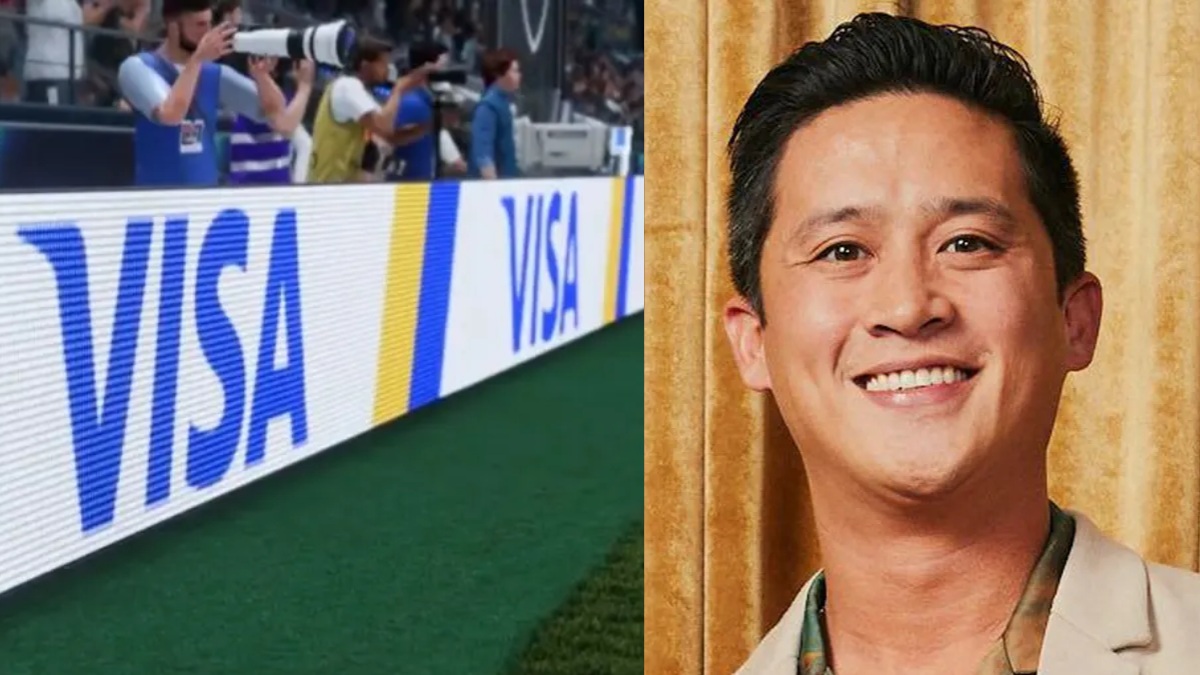
Electronic Arts' EA Advertising platform, launching June 15, 2026, represents a fundamental shift in how brands monetize gaming audiences and creates significant product placement and merchandise opportunities for cross-border sellers. The proprietary platform leverages EA's Frostbite engine to integrate native brand partnerships across 120 million monthly active players, with VP Alexander Dao urging developers to embed brand collaborations from day one rather than retrofitting ads post-launch. This signals a structural change in gaming monetization that directly impacts sellers in multiple categories: gaming merchandise, lifestyle products, sports collectibles, and branded apparel.
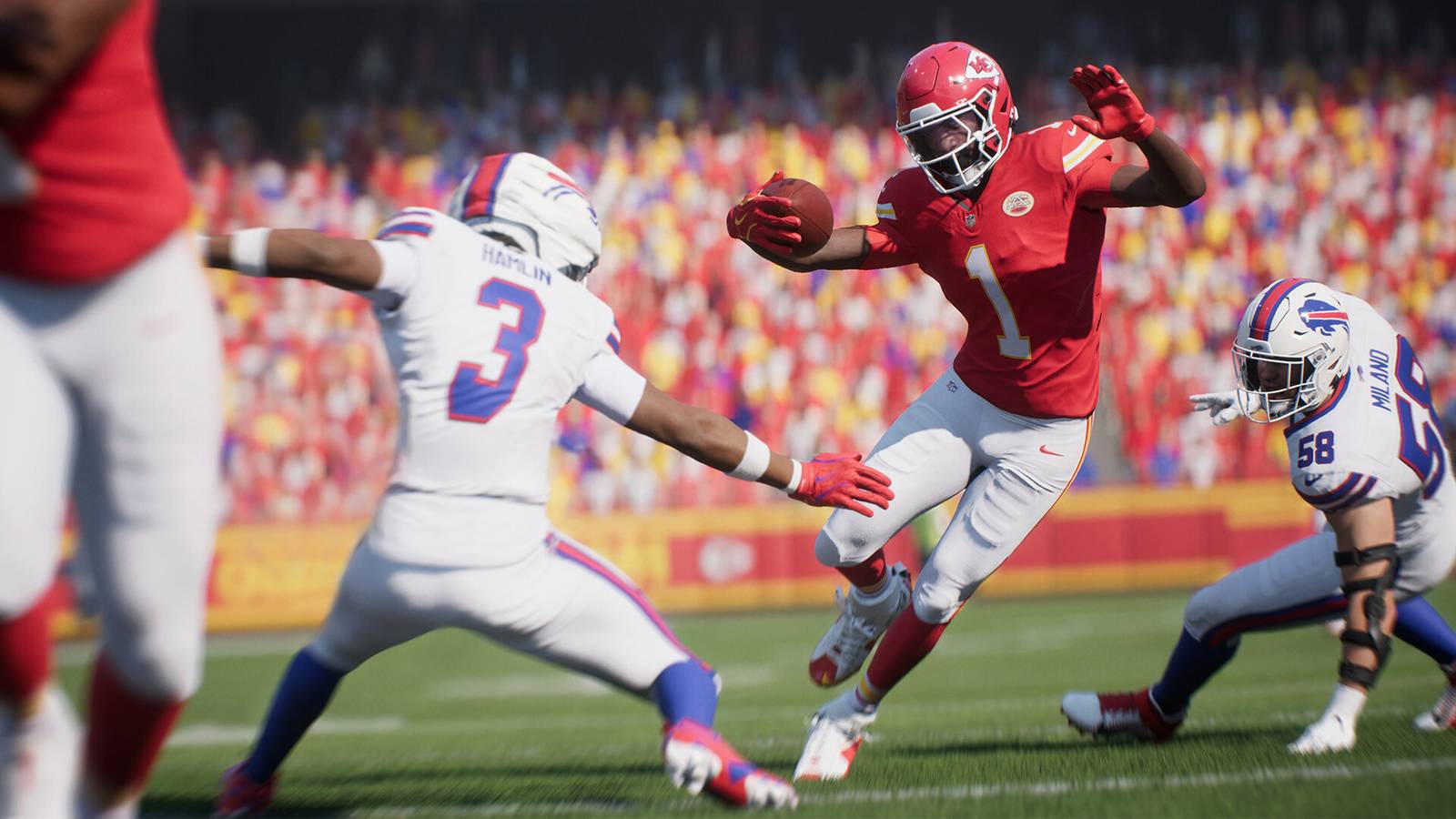
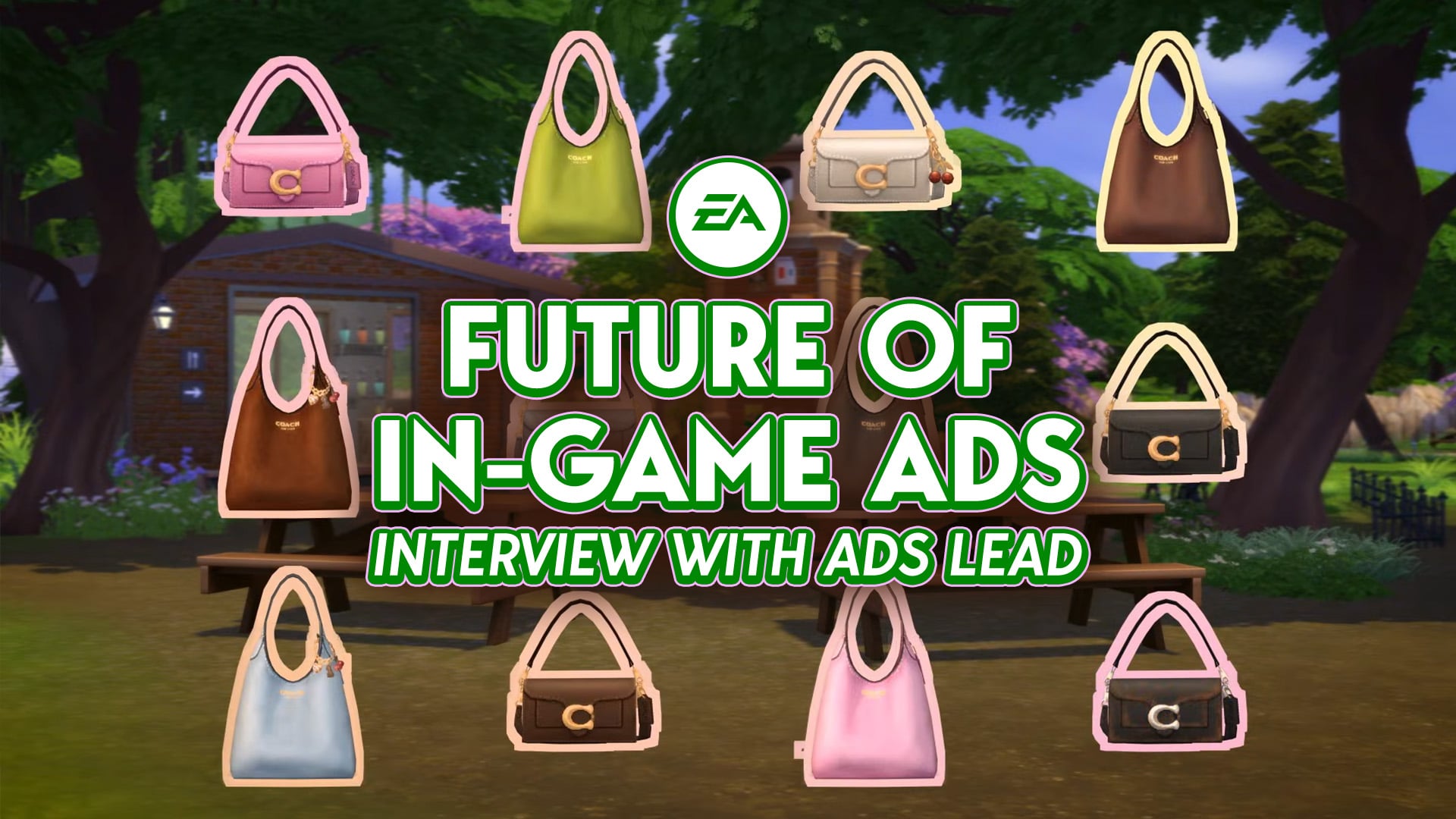
The platform's proven engagement metrics demonstrate substantial seller opportunity. Lowe's collaborations across Madden NFL, EA Sports FC, and College Football generated 987,000+ games played with 200,000+ branded challenges completed. Red Bull's campaign drove 1.2 million branded objectives across 128 million virtual matches. The Sims 4's partnership with luxury brand Coach exemplifies cosmetic collaboration potential. These metrics indicate that in-game brand integration drives measurable consumer engagement that translates to merchandise demand. Sellers can capitalize on this by developing complementary products: gaming peripherals, branded apparel, collectibles, and lifestyle items tied to popular EA franchises and partner brands.
For cross-border sellers, this creates three distinct revenue streams. First, merchandise sellers can source and resell branded gaming products (team apparel, collectible items, limited-edition cosmetics) targeting the 120M player base. Second, sellers can develop niche products around emerging gaming trends—Mountain Dew's DEW University partnership in College Football 26 signals beverage/energy drink merchandise demand. Third, sellers can target regional variations: sports titles perform strongest in North America and Europe, while lifestyle games like The Sims have global appeal, enabling sellers to optimize inventory by geography. The platform's June 2026 rollout provides a 12-month window for sellers to identify trending partnerships and source complementary products before peak demand.
Risk considerations include market saturation and brand exclusivity. EA collaborates with measurement firms like Integral Ad Science to ensure non-intrusive advertising, meaning poorly-integrated merchandise will underperform. Additionally, premium narrative games (Grand Theft Auto 6) explicitly exclude in-game advertising, limiting the addressable market. Sellers should focus on sports simulations and lifestyle games where brand integration enhances rather than disrupts gameplay. The skyrocketing game development costs driving this ecosystem suggest continued platform expansion, but sellers must monitor whether in-game advertising becomes industry standard or remains sports-focused, as this determines long-term market size.
Questions 8
What is the expected market size for EA gaming merchandise by 2026?
While specific 2026 projections are unavailable, industry data indicates gaming merchandise represents a $15-20B global market with 8-12% annual growth. EA's 120M monthly active players represent approximately 15-20% of global gaming audiences, suggesting a $2.25-4B addressable market for EA-specific merchandise. Recent campaign metrics (987K games played, 1.2M branded objectives) indicate engagement rates of 0.8-1.2% of active players, translating to 960K-1.44M engaged players per campaign. Assuming $15-30 average merchandise spend per engaged player, individual campaigns generate $14.4-43.2M in merchandise potential. Sellers entering early can capture 2-5% market share ($288K-2.16M per seller) by establishing category leadership before June 2026 launch.
How does EA's approach differ from other gaming platforms' advertising strategies?
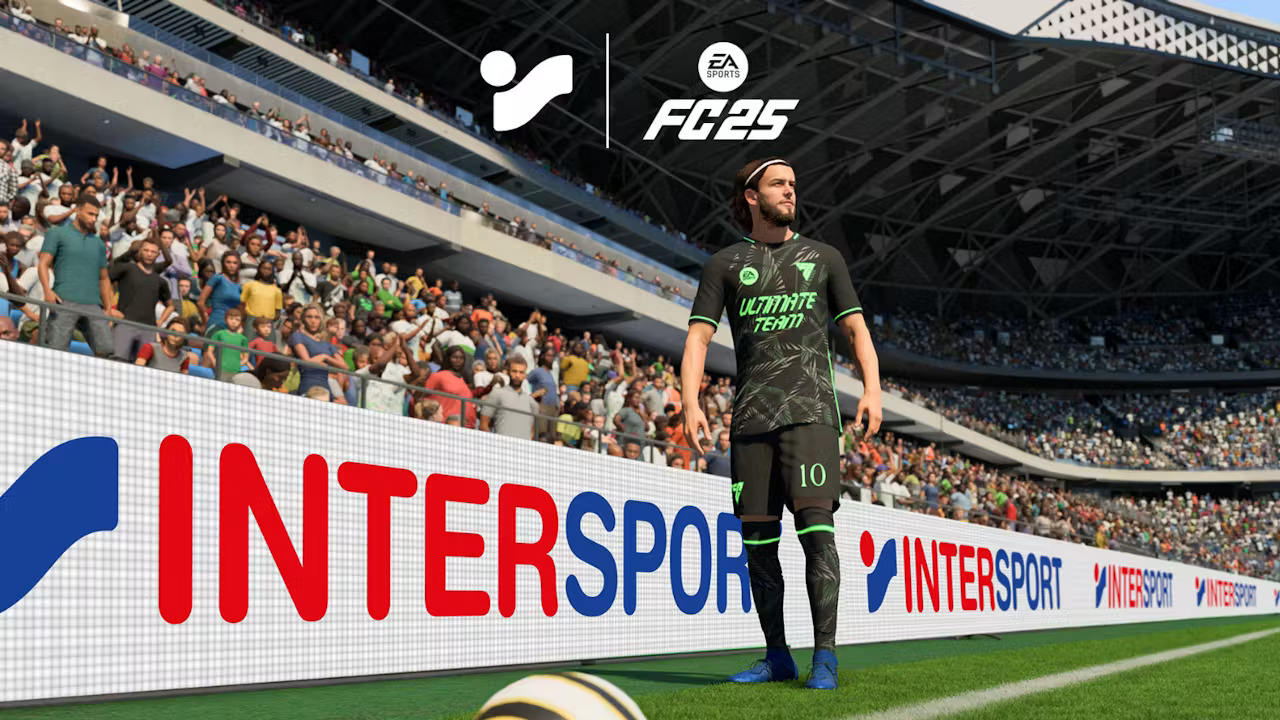
EA prioritizes native, non-intrusive brand integration built into game design from day one, contrasting with retrofitted ads in competitor titles. The platform leverages the Frostbite engine to create custom integrations tailored to specific games and audiences—sports titles feature digital stadium billboards replicating real-life broadcasts, while lifestyle games showcase cosmetic collaborations. Competitors like Take-Two Interactive (NBA 2K, Grand Theft Auto) acknowledge advertising's limitations: NBA 2K supports in-game ads, but Grand Theft Auto 6 explicitly excludes them to preserve narrative immersion. EA's approach is more aggressive, positioning advertising as a core monetization engine rather than supplementary revenue. This creates differentiation: EA games offer more branded partnership opportunities, attracting sellers seeking high-engagement merchandise channels. Sellers should prioritize EA titles over competitors for in-game advertising-driven merchandise opportunities.