

AMD Helios AI Infrastructure | Cost Advantage Reshapes Cloud Seller Economics
- AMD captures 4.5% GPU market share with $5M Helios systems; Microsoft Azure HDv2/HXv2 VMs enable 15-25% cost reduction for AI-driven seller applications by H2 2026









)







/A%20close-up%20of%20an%20AMD%20office%20by%20gehapromo%20via%20Adobe%20Stock.jpeg)





Overview
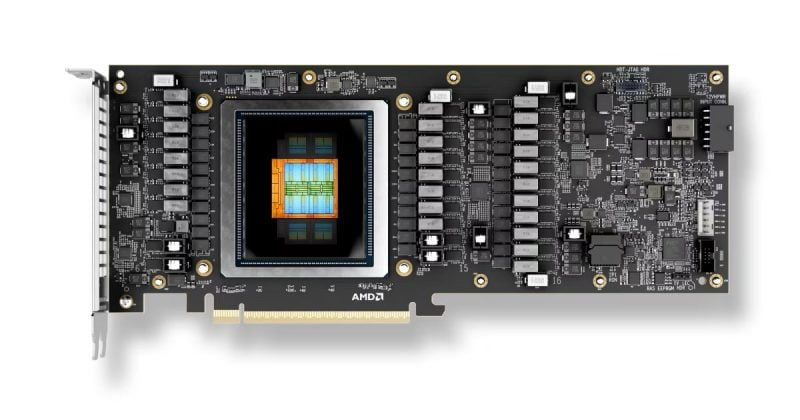
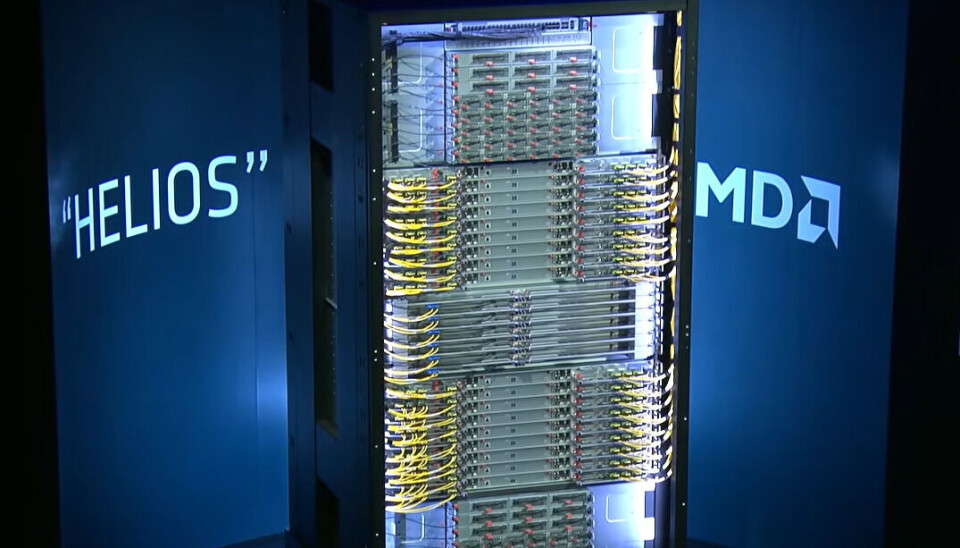
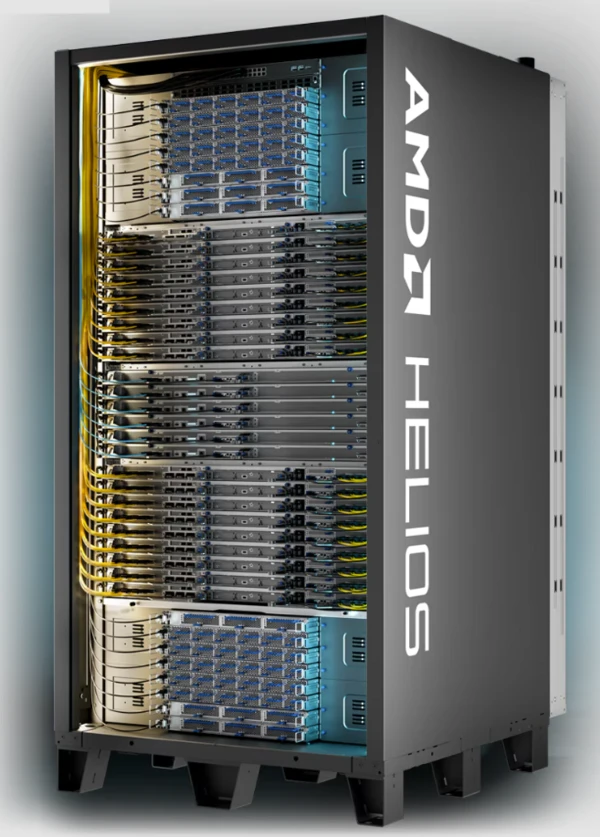
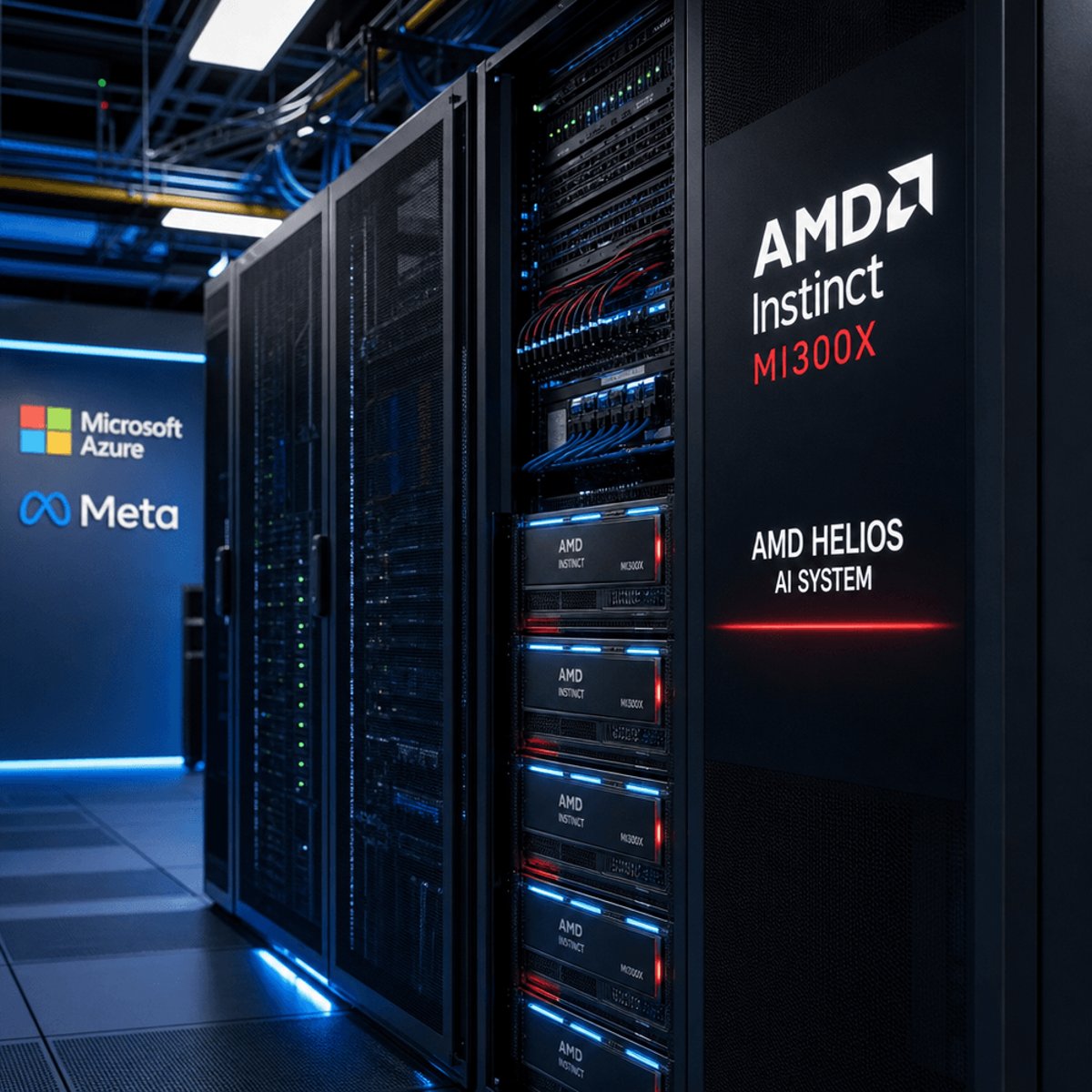
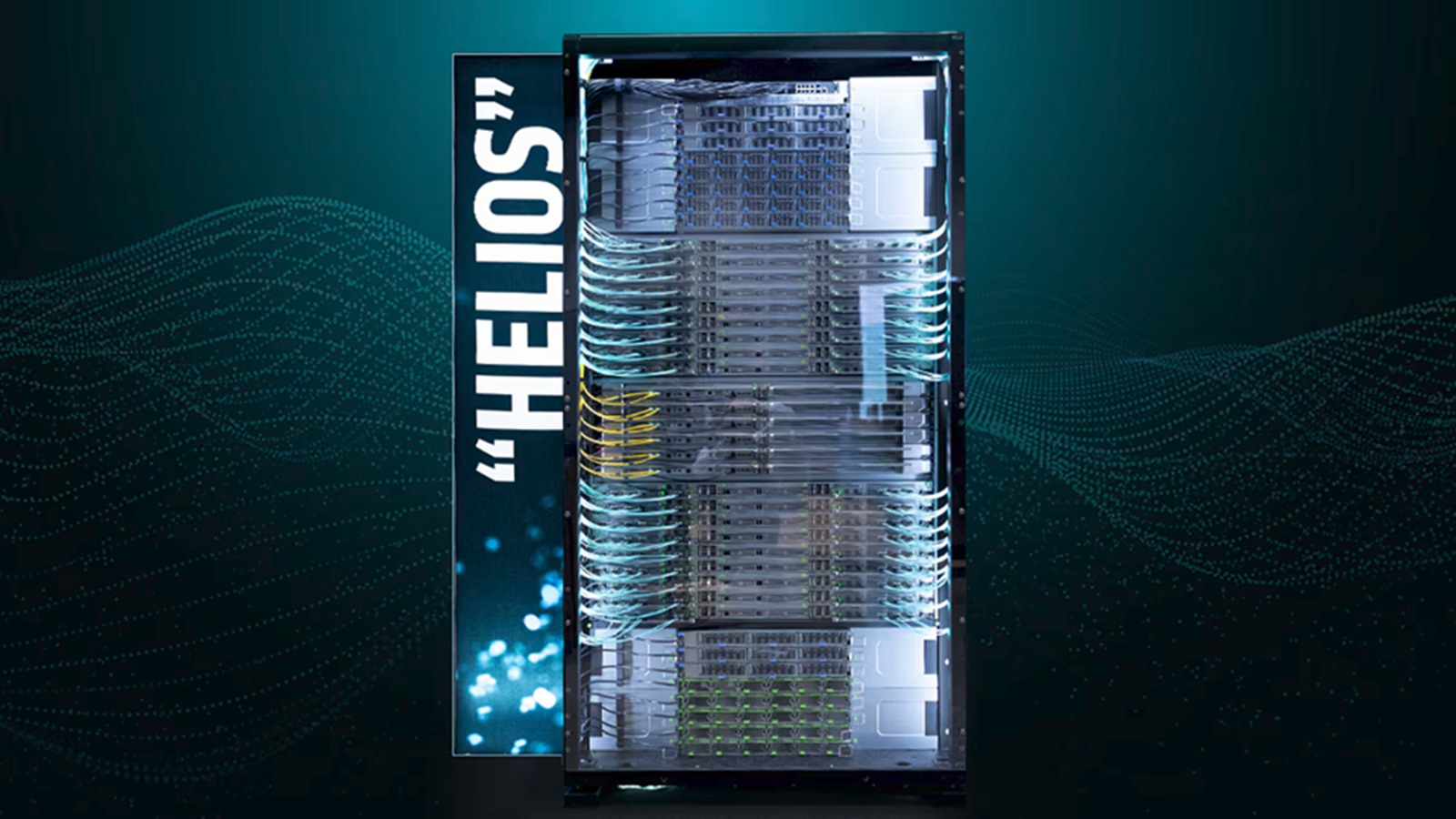
AMD's Helios launch represents a critical infrastructure inflection point for e-commerce sellers relying on cloud-based AI applications. The company announced its first rack-scale AI system on July 20, 2026, with Microsoft as the anchor customer, joining Meta, OpenAI, and Oracle in major deployment commitments. Helios costs $5-5.5M per system versus Nvidia's $4-4.5M Vera Rubin, but AMD emphasizes superior cost-per-token economics and memory bandwidth—metrics directly impacting inference costs for seller applications like product recommendation engines, dynamic pricing systems, and AI-powered customer service agents.
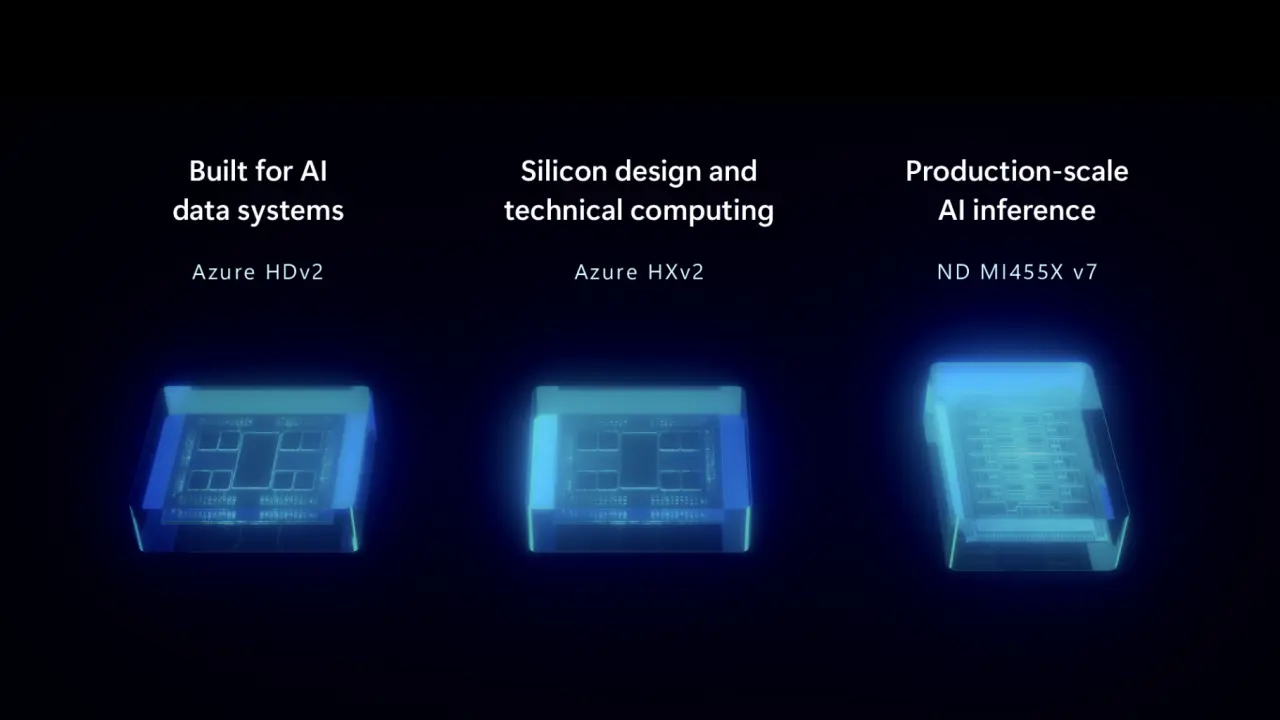
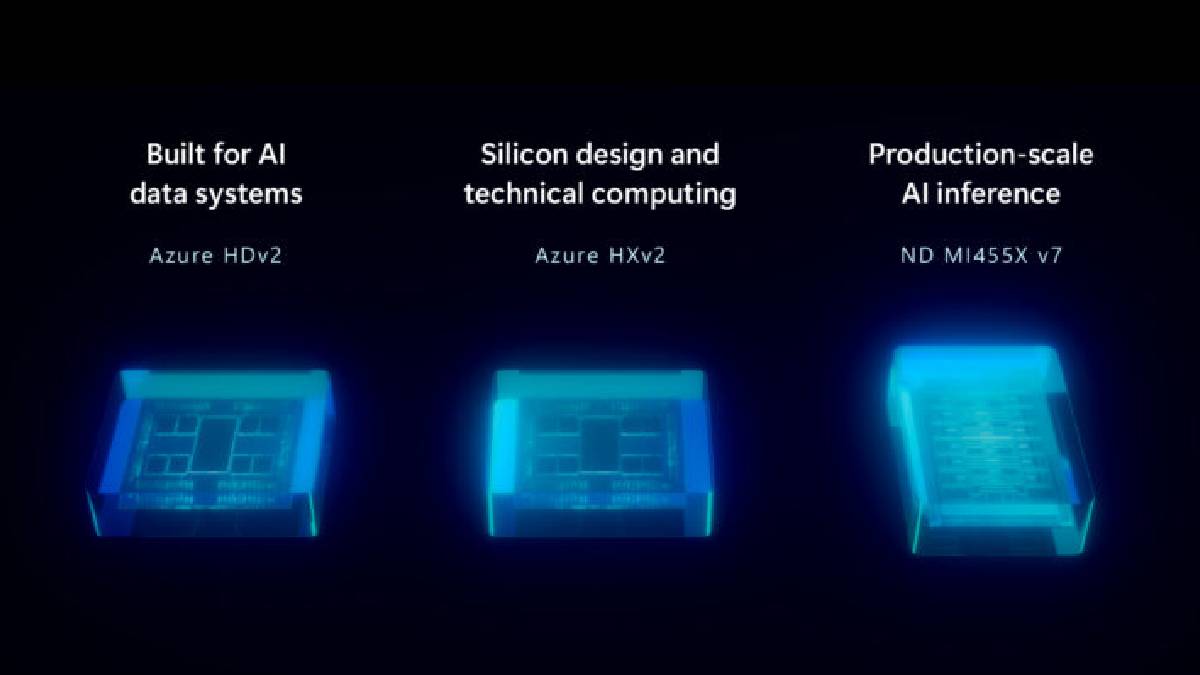
For cross-border e-commerce sellers, this competition fundamentally changes cloud infrastructure pricing. Microsoft's new Azure VM series—HDv2 (500 AMD EPYC cores, 4TB RAM, 32TB NVMe storage) and HXv2 (176 cores, 5+ GHz clock speeds)—launch in H2 2026 and target AI data pipelines and agentic workloads. These configurations directly support seller use cases: search optimization (HDv2's 400Gb networking), recommendation engines (MI455X GPU inference), and customer service automation (ND MI455X v7 agentic workloads). AMD's projected 20-25% market share gain (from current 4.5%) signals sustained price competition, potentially reducing inference costs 15-25% for sellers migrating from Nvidia-only Azure deployments.
The competitive dynamics create immediate automation opportunities for sellers. Eight of the top 10 AI companies already run Instinct GPU workloads, validating AMD's technical parity. Sellers currently using Azure for AI applications face a critical decision: migrate to AMD-powered VMs to capture cost savings, or maintain Nvidia infrastructure for ecosystem stability. The H2 2026 shipping timeline creates a 6-9 month window for sellers to audit current AI infrastructure costs, benchmark AMD alternatives, and plan migration strategies. Meta's 1-gigawatt GPU deployment commitment and TCS's adoption signal enterprise-grade reliability, reducing adoption risk for mid-market sellers ($5M-50M GMV) considering infrastructure consolidation.
Strategic implications extend beyond cost reduction to competitive moats. Sellers who migrate to AMD infrastructure 6-12 months before competitors gain 15-25% cost advantages on AI-driven features—enabling aggressive pricing on recommendation-driven products, faster chatbot response times, or more frequent dynamic repricing cycles. This creates a 12-18 month window of competitive advantage before market-wide adoption normalizes costs. Sellers in high-margin categories (electronics, beauty, apparel) where AI-driven personalization drives 8-12% conversion lift should prioritize infrastructure audits immediately.
Questions 7
How much can e-commerce sellers save by migrating to AMD-powered Azure infrastructure?
AMD Helios systems achieve 15-25% cost-per-token advantages over Nvidia equivalents, according to AMD's competitive positioning. For sellers running AI inference workloads (recommendation engines, dynamic pricing, chatbots), this translates to $2,000-8,000 monthly savings on mid-market deployments (500-1000 inference requests/second). Microsoft's new Azure HDv2 and HXv2 VMs, shipping H2 2026, will enable direct cost comparisons. Sellers should audit current Azure spending on Nvidia-based VMs (ND A100/H100 series) and model AMD alternatives using Azure's pricing calculator. The migration window (6-9 months post-launch) offers first-mover cost advantages before market-wide adoption normalizes pricing.
Which seller AI applications benefit most from AMD's superior memory bandwidth?
AMD emphasizes memory bandwidth advantages critical for three seller use cases: (1) Recommendation engines requiring real-time product similarity calculations across 100K+ SKU catalogs—memory bandwidth directly impacts latency; (2) Dynamic pricing systems processing competitor price feeds and demand signals simultaneously; (3) Agentic customer service systems maintaining conversation context across multiple customer interactions. The Azure HDv2 VM's 4TB RAM and 32TB NVMe storage specifically target these workloads. Sellers in electronics, beauty, and apparel categories—where recommendation-driven conversion lift reaches 8-12%—should prioritize migration planning. The ND MI455X v7 GPU series targets inference-heavy workloads, ideal for real-time product search ranking and personalization.