
.png?width=570&quality=85&format=jpg&dpr=3&auto=webp)




RAM/SSD Shortage Crisis Extends to 2028 | Gaming Hardware Sellers Face 18-24 Month Price Escalation
- AI datacenter demand competes with consumer electronics for limited DRAM/NAND capacity; wholesale prices exceed retail by 3-6 months; Microsoft, Sony, Nintendo raising prices through 2027





Overview
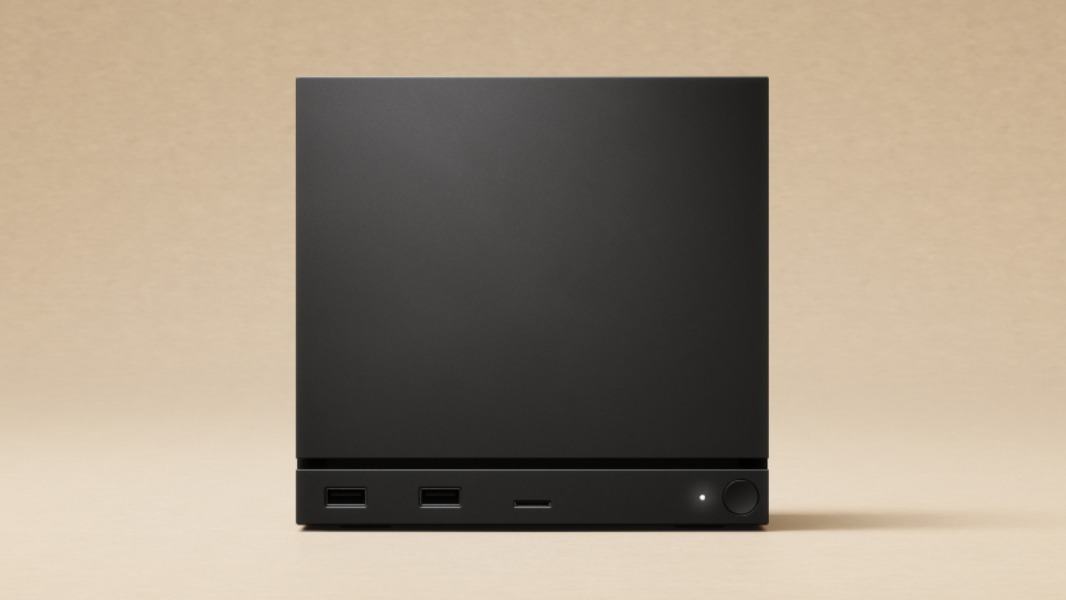
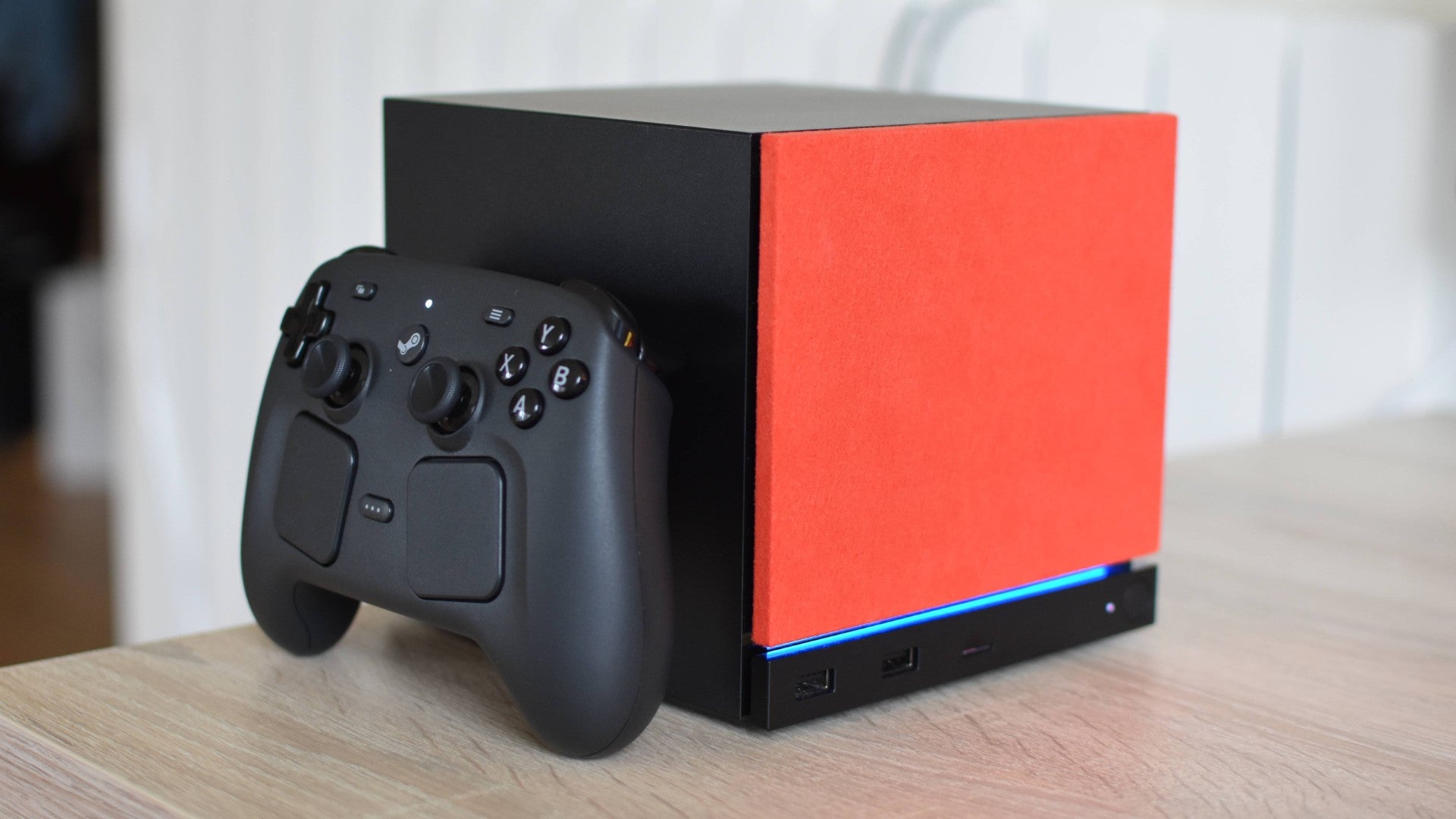
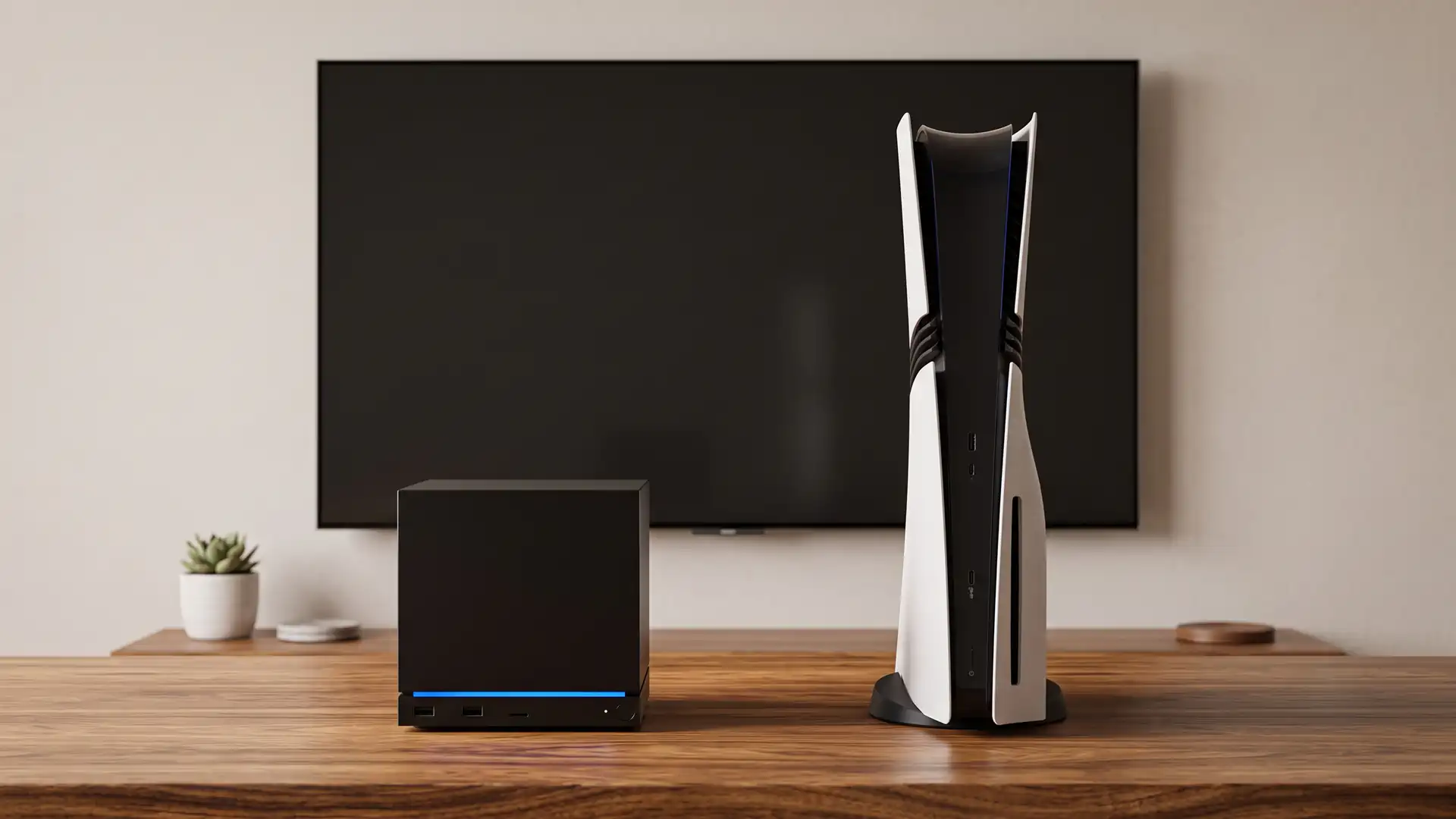
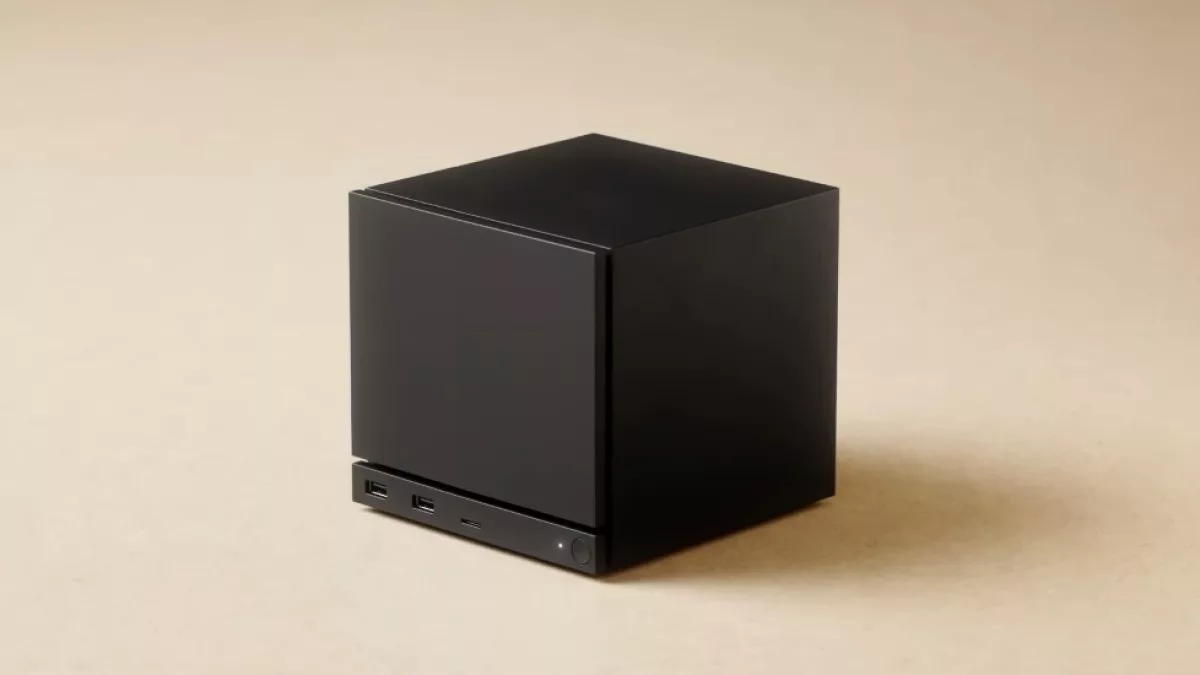
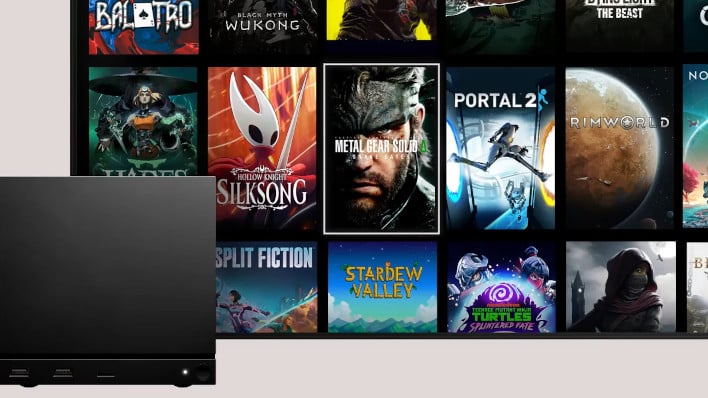
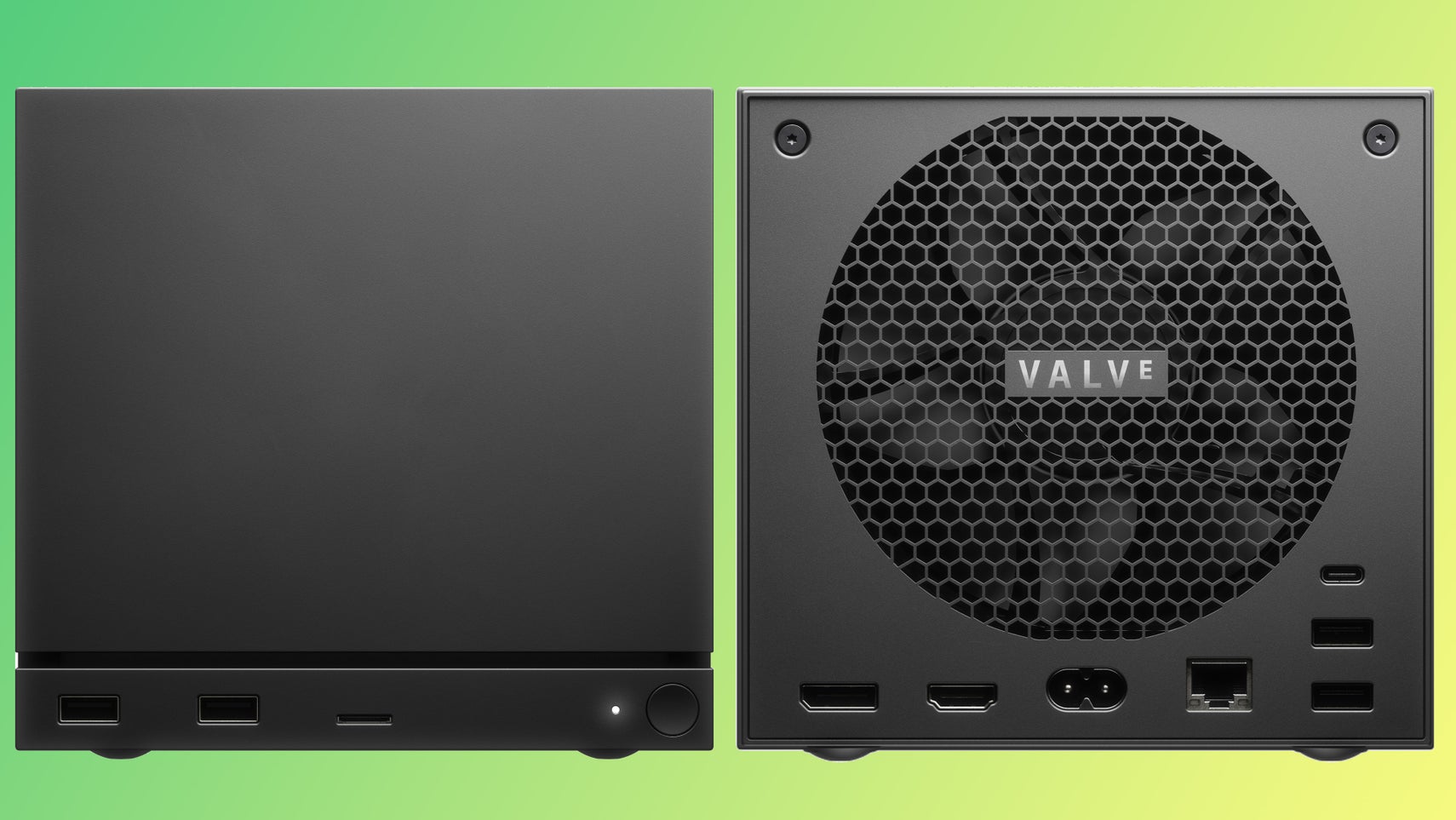
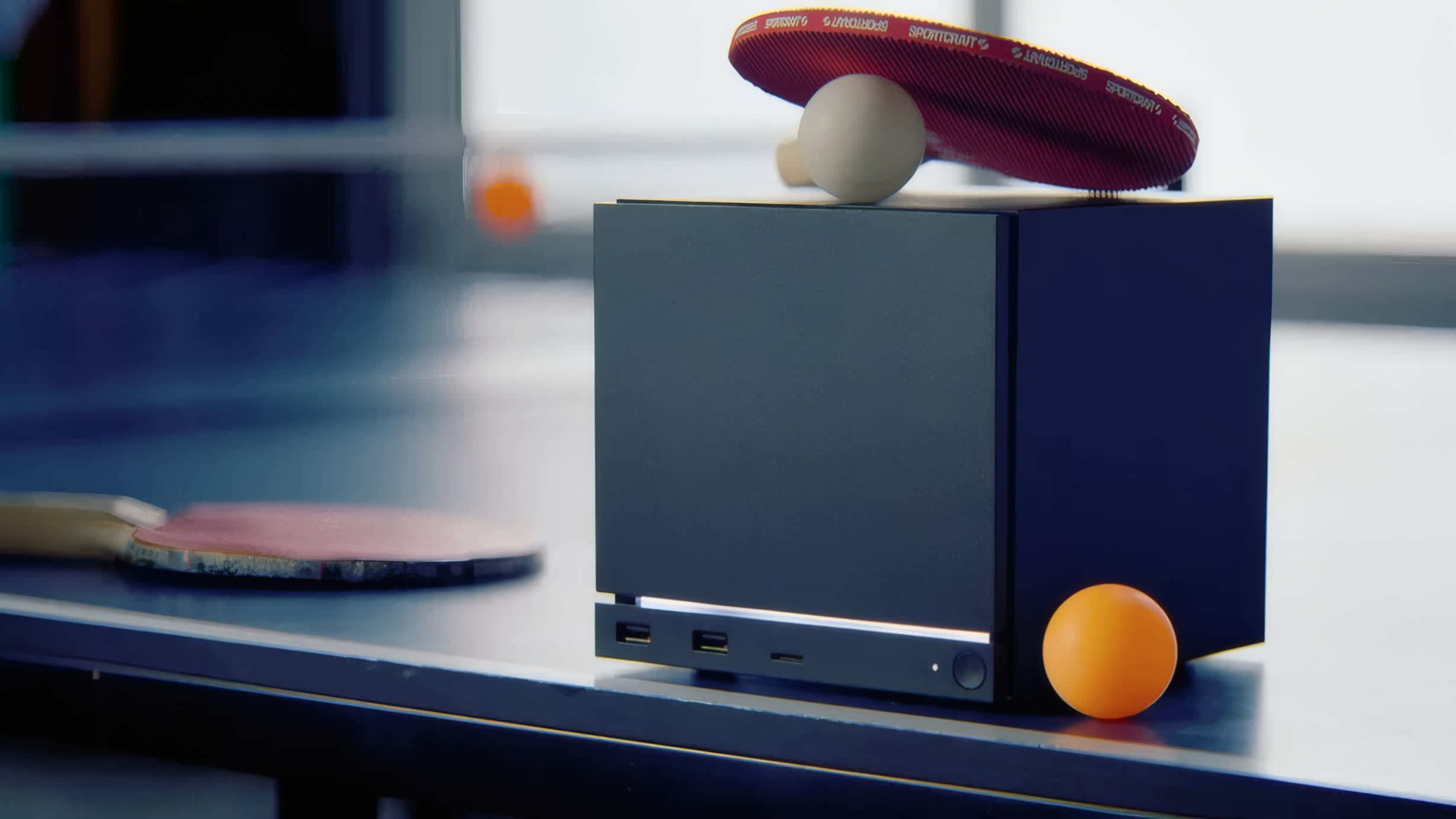
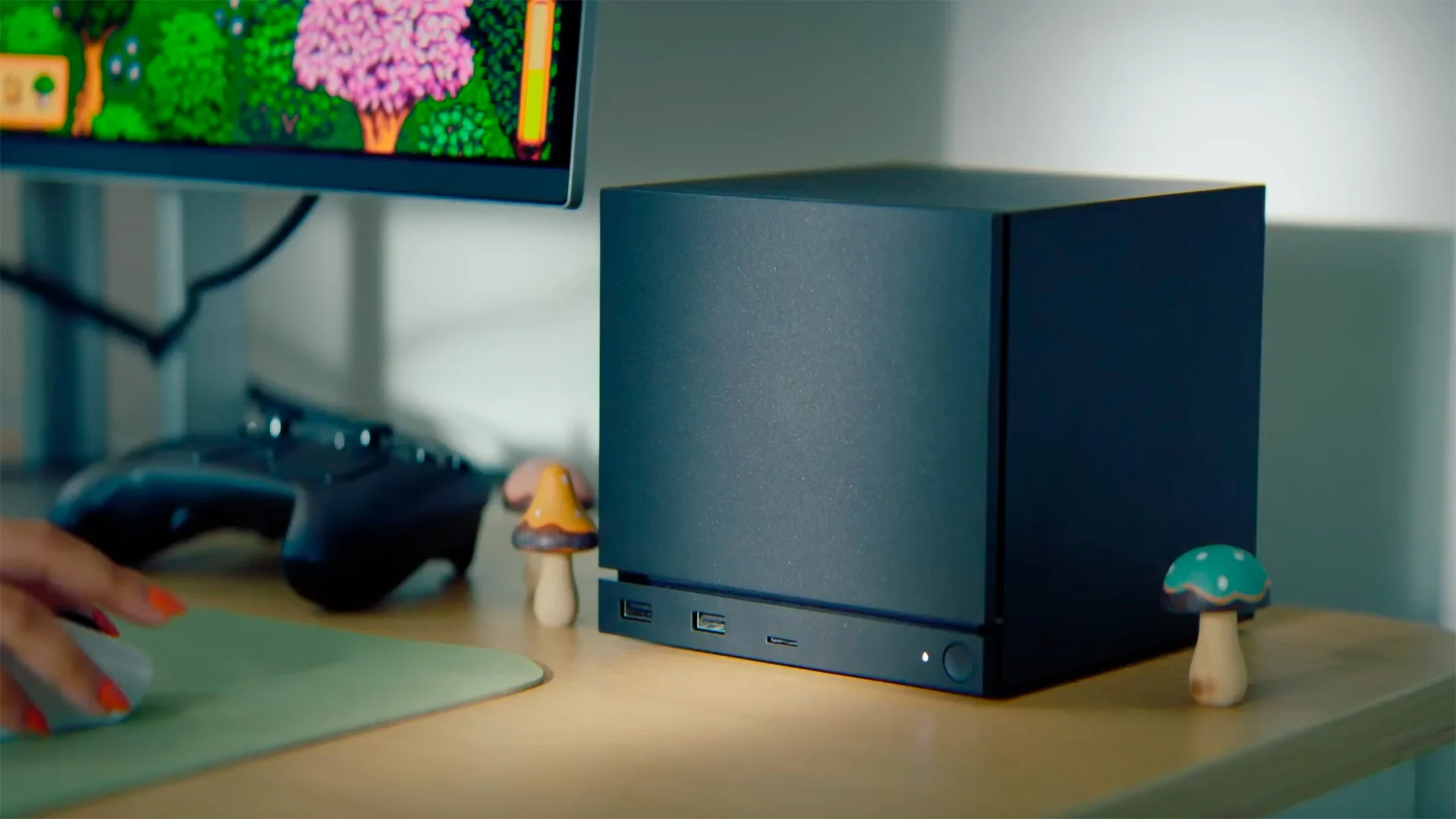
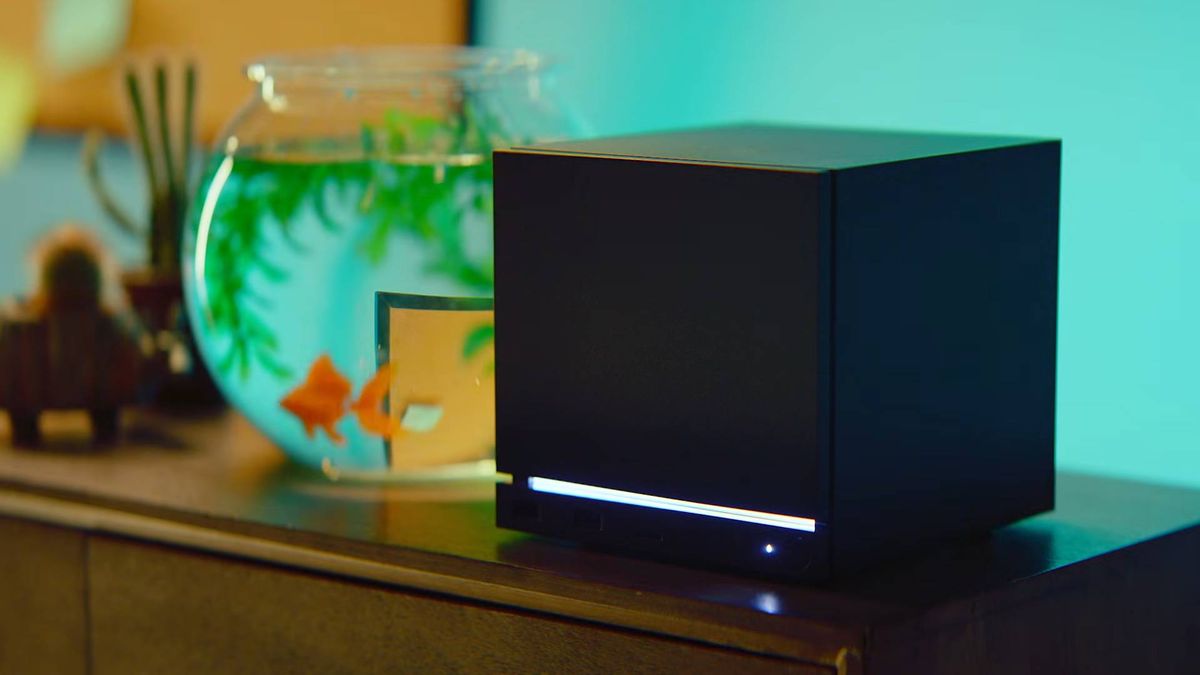
The global memory and storage component crisis is intensifying through 2028, creating a structural supply constraint that directly impacts gaming hardware sellers and electronics retailers. Valve engineers Yazan Aldehayyat and Pierre-Loup Griffais revealed to Bloomberg that RAM and SSD price increases will persist through 2026-2027, with meaningful relief not expected until 2028—an 18-24 month extended timeline indicating this is not a temporary market fluctuation but a fundamental supply-demand imbalance. Current bulk supply costs exceed retail prices by 3-6 months, meaning wholesale price increases are cascading through the distribution chain as older inventory depletes. Microsoft raised Xbox Series X/S prices effective August 1st and projects component costs could double by autumn 2027. Sony has increased PlayStation 5 prices multiple times, while Nintendo announced Switch 2 price increases starting September 1st. The Steam Machine launched at $879-$1,149 USD (512GB-2TB configurations), with Valve acknowledging hardware costs exceed their target—demonstrating how upstream component shortages directly compress margins across the entire gaming hardware sector.
For cross-border electronics sellers, this creates a critical sourcing and inventory decision window. The shortage stems from AI infrastructure expansion competing aggressively for limited DRAM and NAND production capacity, with Gartner corroborating that demand from AI data centers alongside supply pressures from smartphones, PCs, and consumer devices will sustain price inflation. Retailers and system builders face margin compression as the gap between wholesale and retail pricing gradually closes over the next 3-6 months. Sellers currently holding inventory purchased at lower wholesale rates have a 90-180 day window before replacement costs force price increases. Conversely, sellers without urgent memory/storage needs should defer purchases, as immediate buyers face 15-25% price premiums compared to 2028 normalized pricing.
The operational impact cascades across multiple seller segments. Gaming console resellers, PC component retailers, and handheld device merchants must adjust inventory strategies immediately: those with capital should front-load purchases of high-margin SKUs (gaming consoles, gaming laptops, storage-intensive devices) before Q4 2024, while smaller sellers should shift to dropshipping models to avoid holding depreciating inventory. The 3-6 month lag between wholesale and retail pricing means sellers who lock in current wholesale rates can maintain margins through early 2025, but those waiting face 8-12% cost increases per unit by Q1 2025. Warehouse positioning becomes critical—sellers should prioritize FBA placement for fast-moving gaming hardware in US/EU markets where demand remains strong despite price increases, while considering 3PL for slower-moving SKUs to minimize storage cost exposure during the extended shortage period.
Questions 7
How long will RAM and SSD prices remain elevated for gaming hardware sellers?
According to Valve engineers and Gartner analysts, RAM and SSD price increases will persist through 2026-2027, with meaningful relief not expected until 2028—an 18-24 month extended timeline. Manufacturers currently pay 15-25% higher wholesale prices than retail shelves reflect, creating a gap that will close as older inventory depletes and wholesalers raise prices over the next 3-6 months. This indicates structural supply constraints driven by AI datacenter demand competing for limited DRAM and NAND production capacity, not temporary market fluctuations. Sellers should plan inventory and pricing strategies assuming elevated component costs through Q4 2027.
What is the wholesale-to-retail price lag and how does it affect seller margins?
Retail shelf availability lags bulk supply observations by 3-6 months, meaning wholesale price increases take 90-180 days to fully cascade through retail channels. Sellers currently holding inventory purchased at lower wholesale rates have a 90-180 day window before replacement costs force price increases of 8-12% per unit. Microsoft's August 1st Xbox price increase and Nintendo's September 1st Switch 2 price hike demonstrate how manufacturers are already passing costs to consumers. Sellers who lock in current wholesale rates can maintain margins through early 2025, but those waiting face significant cost increases by Q1 2025.