
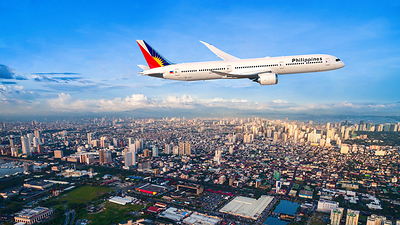


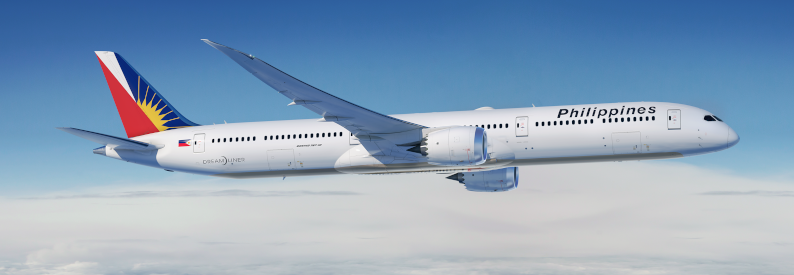
Philippine Airlines 787-10 Fleet Expansion | 25% Fuel Savings Drive Asia-Pacific Air Cargo Costs Down Through 2034
- PAL orders 15 Boeing 787-10s (plus 5 options) with 2031-2034 delivery; 25% fuel efficiency gains position Southeast Asia as lower-cost air freight hub for cross-border sellers shipping to North America and Europe





























Overview
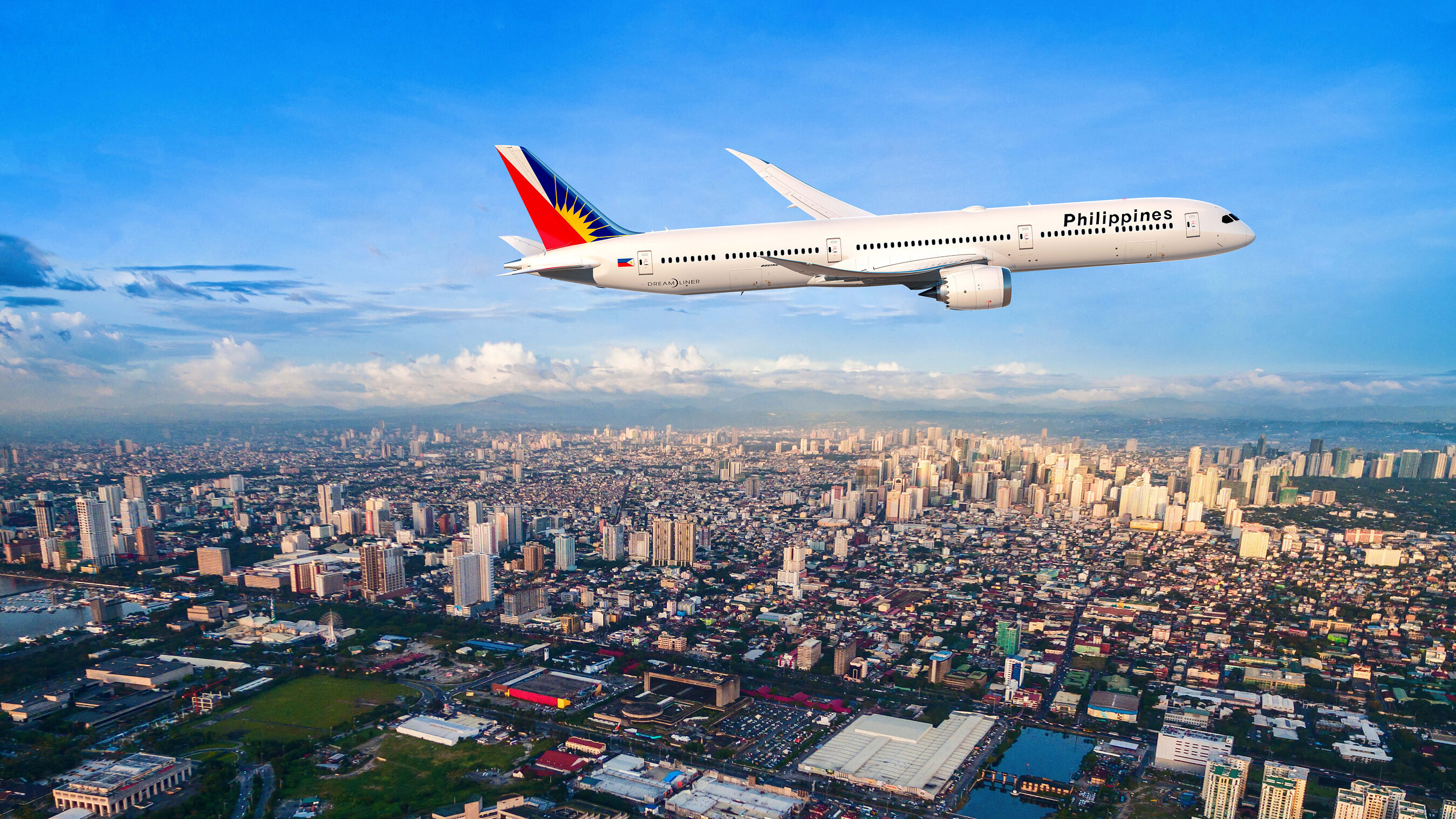
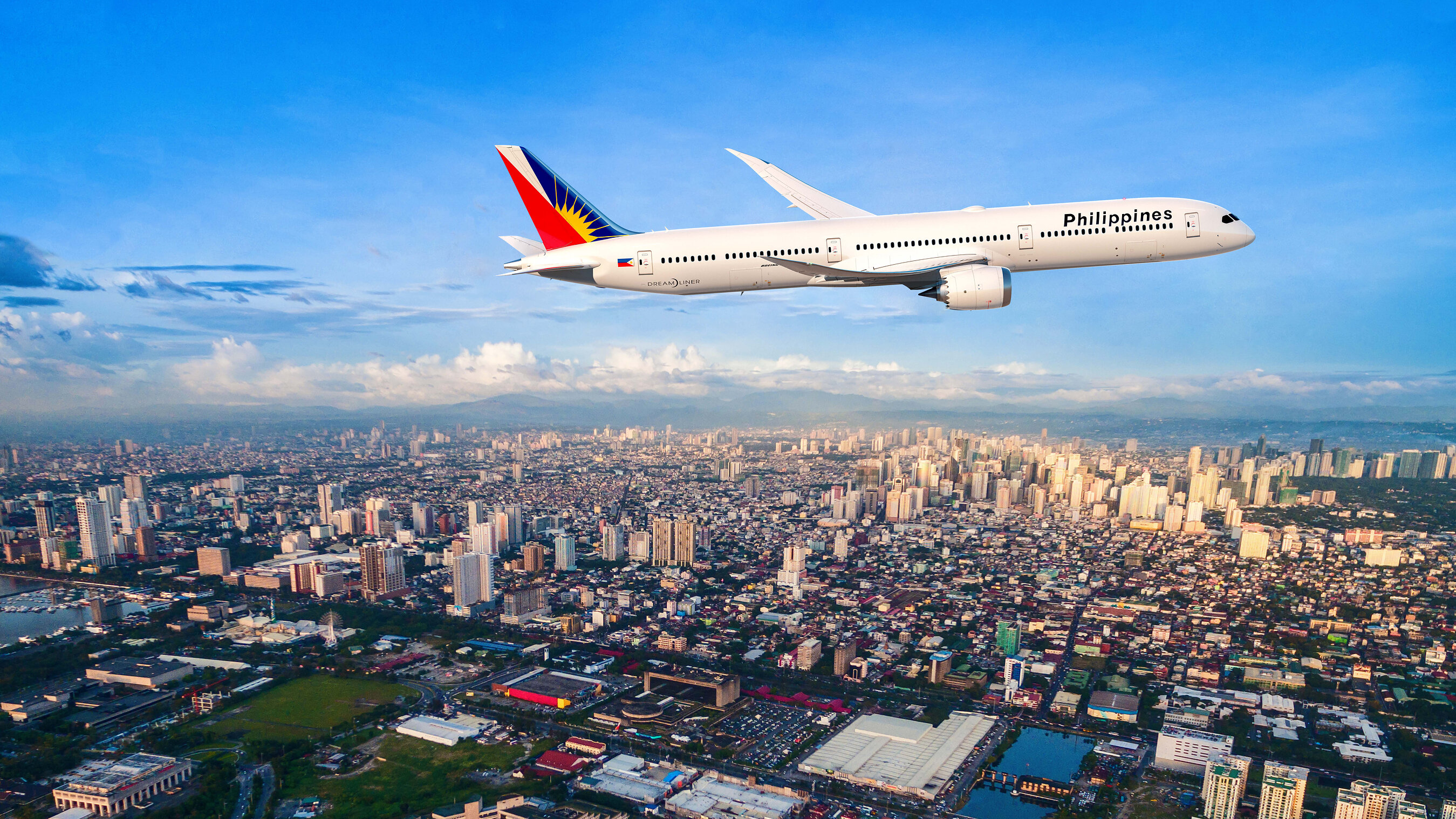
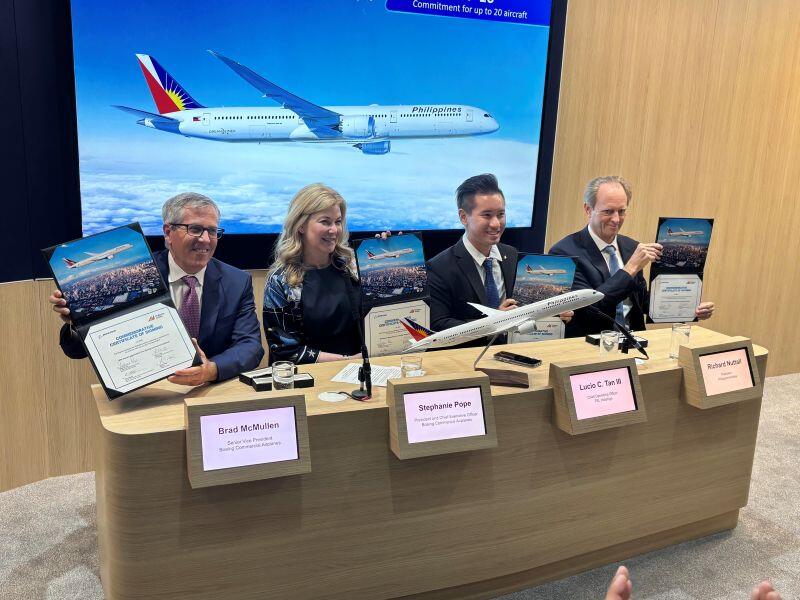
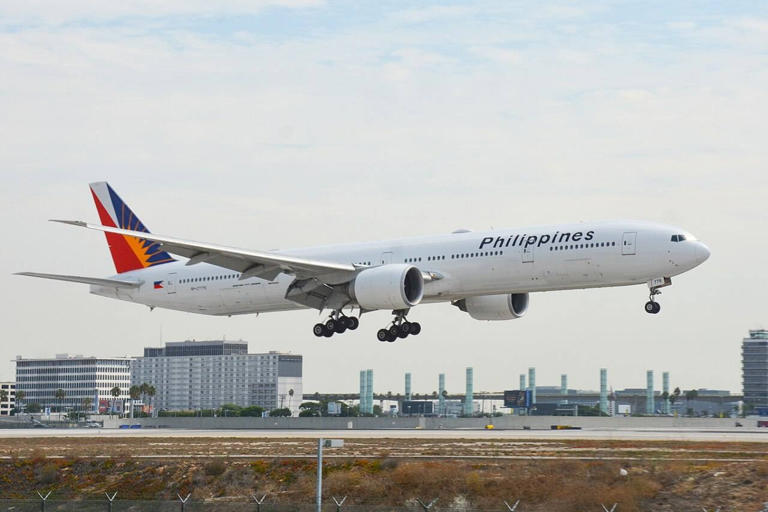
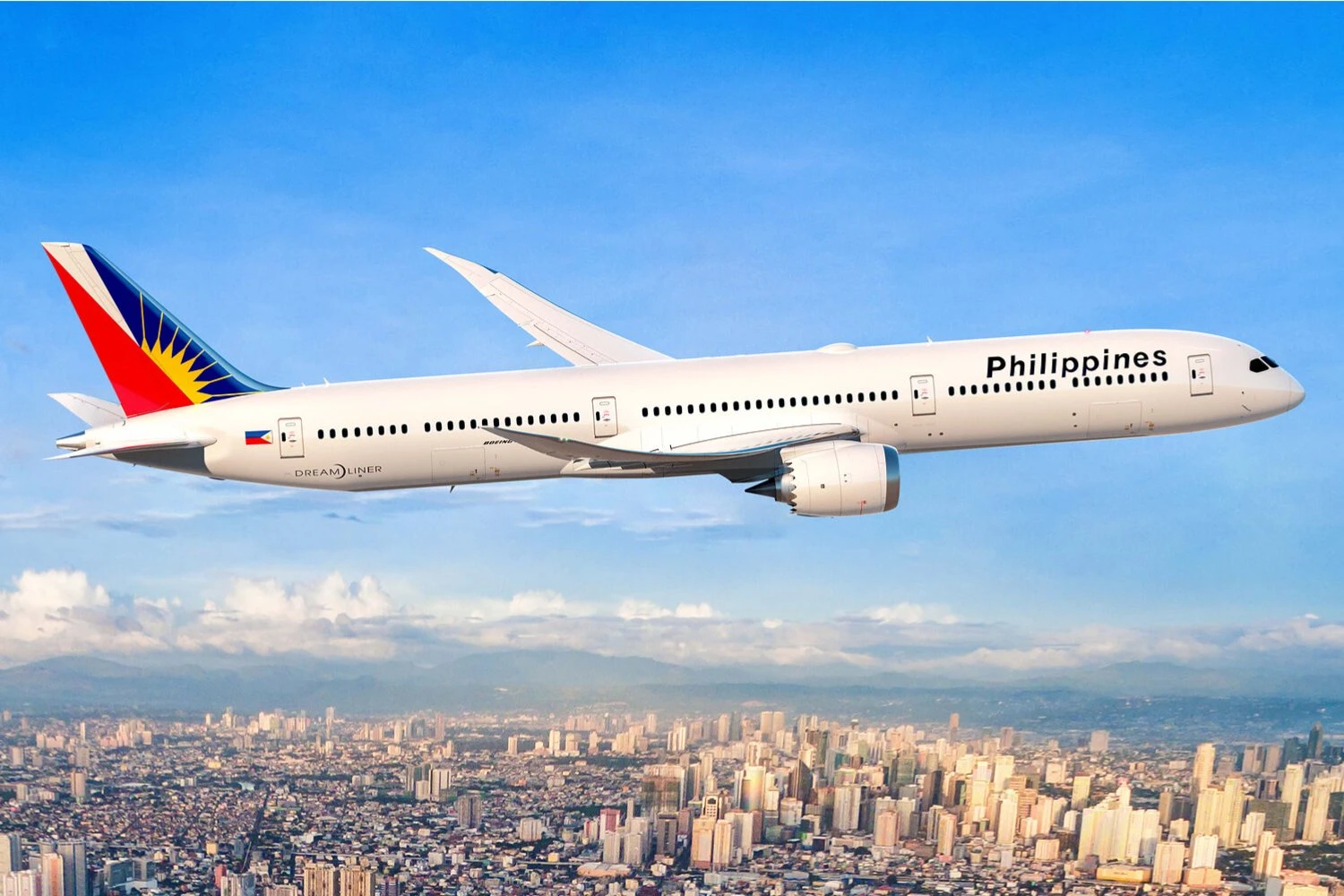
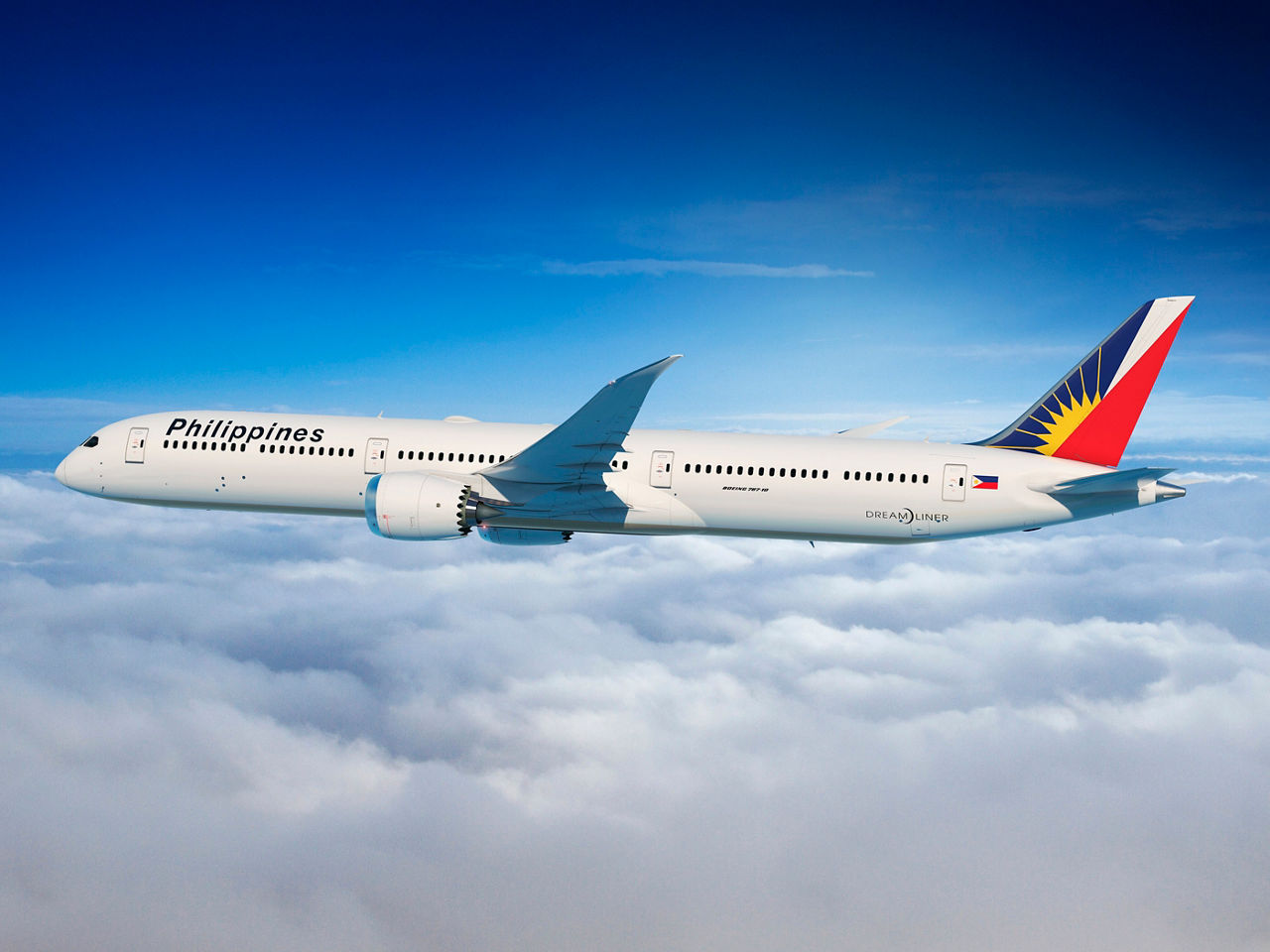
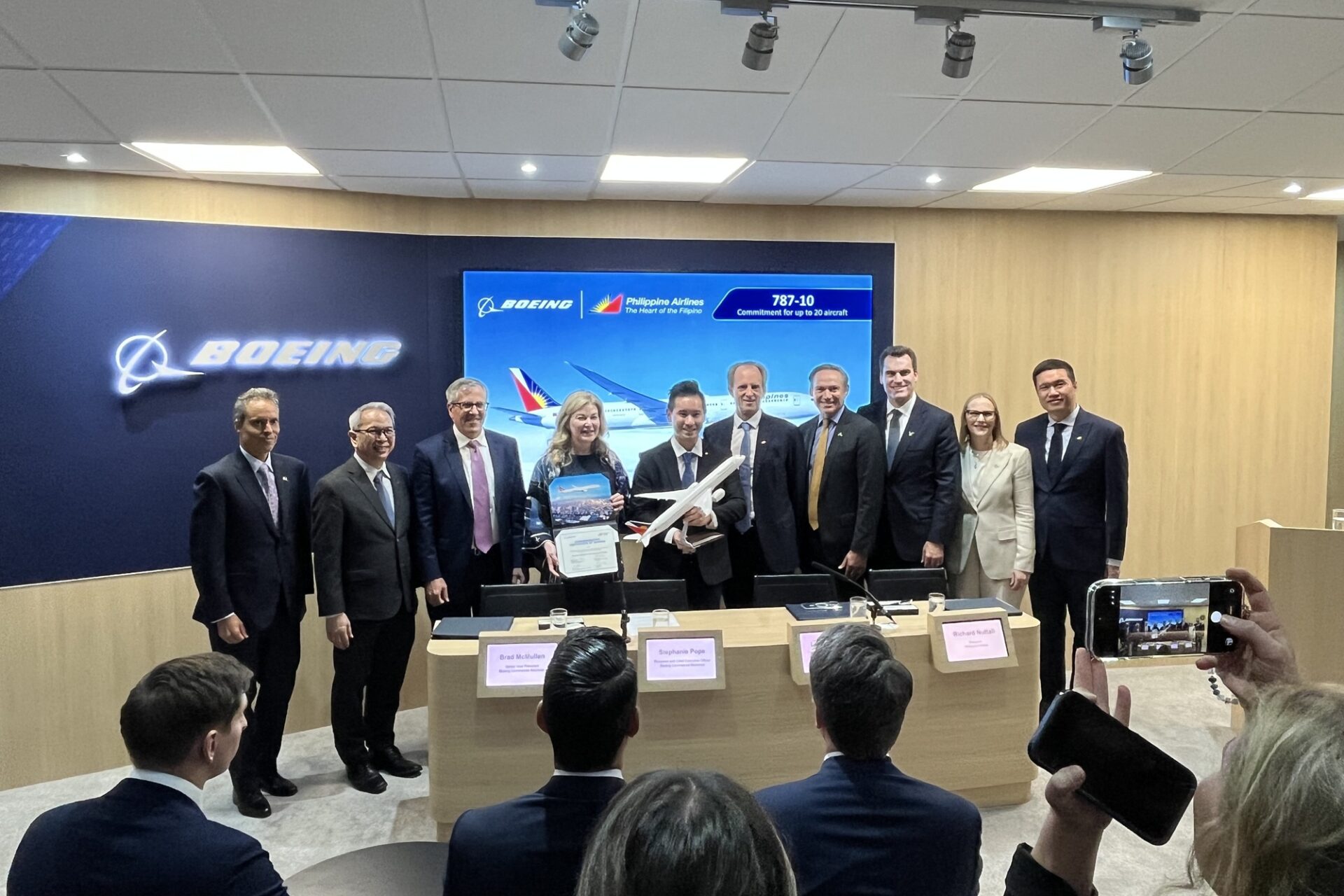
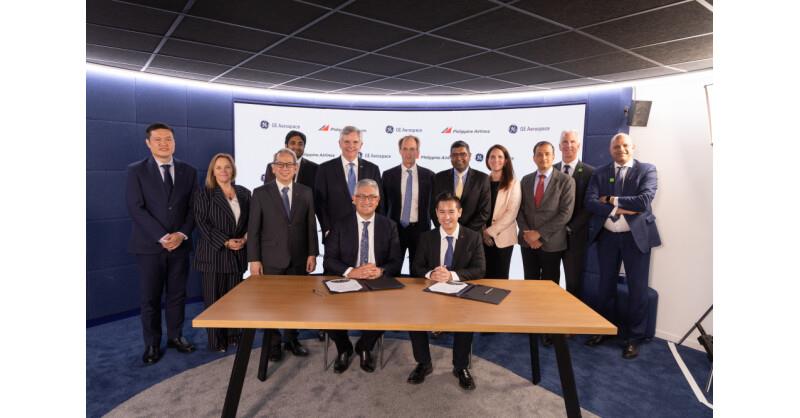
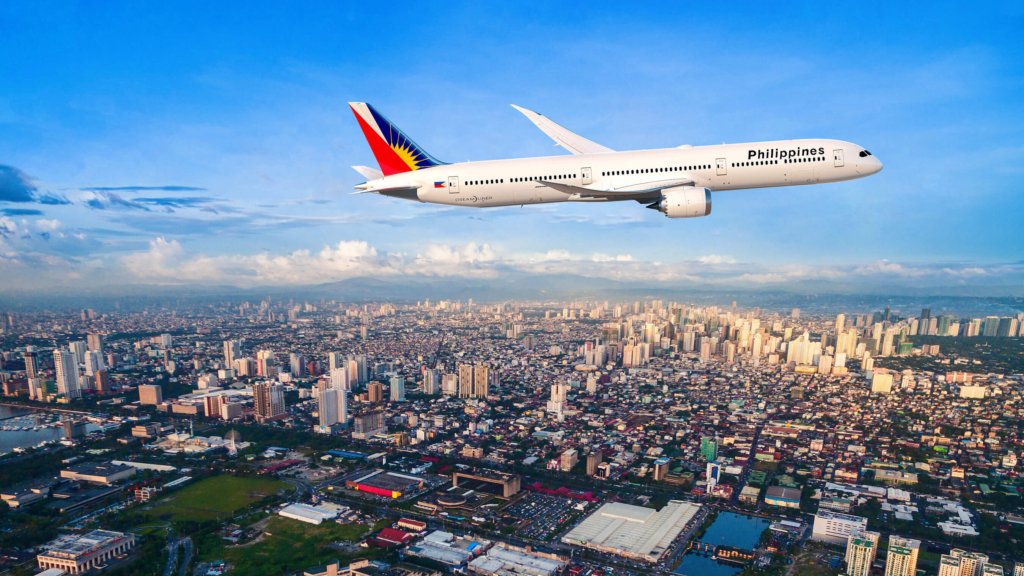
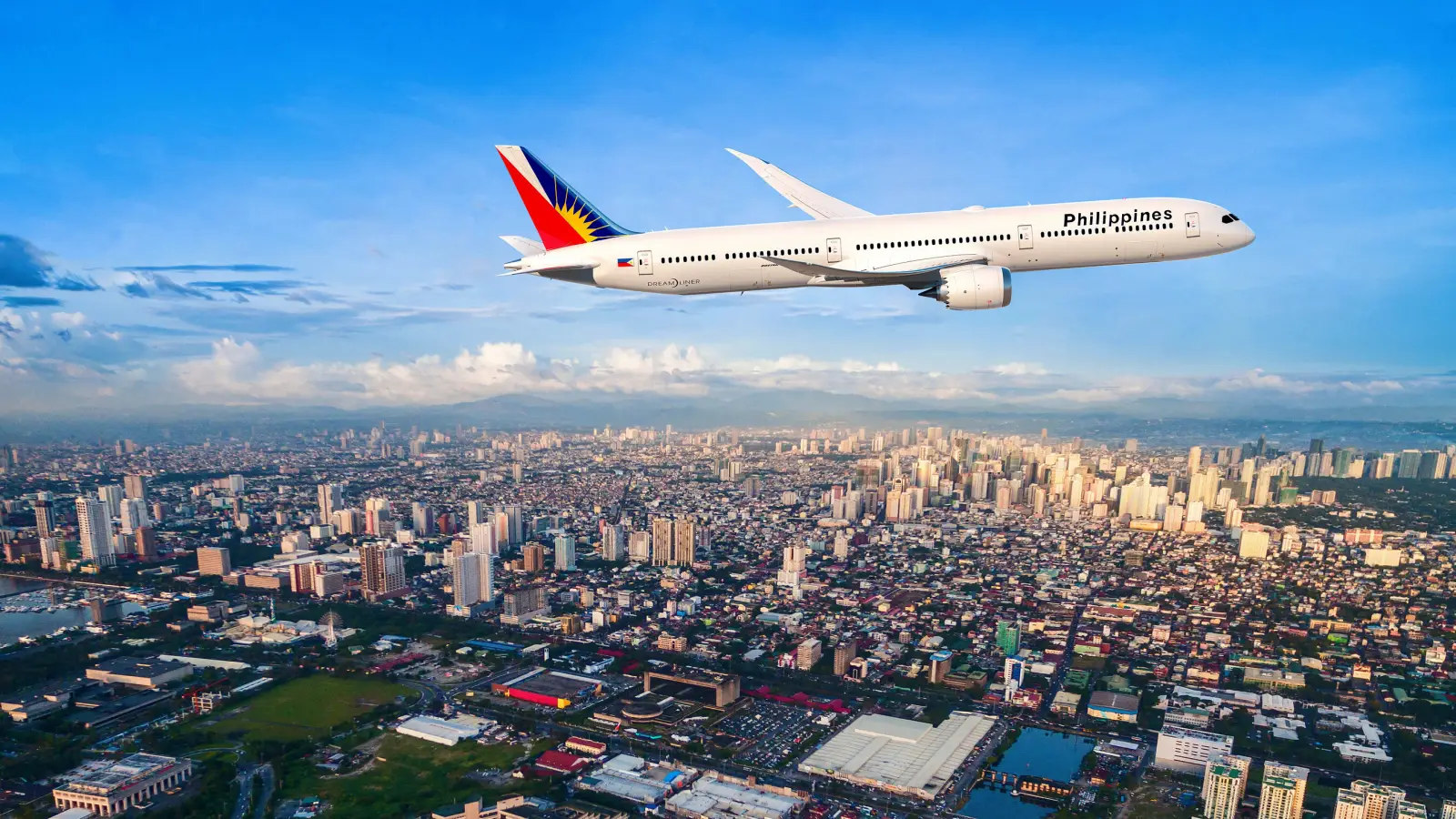
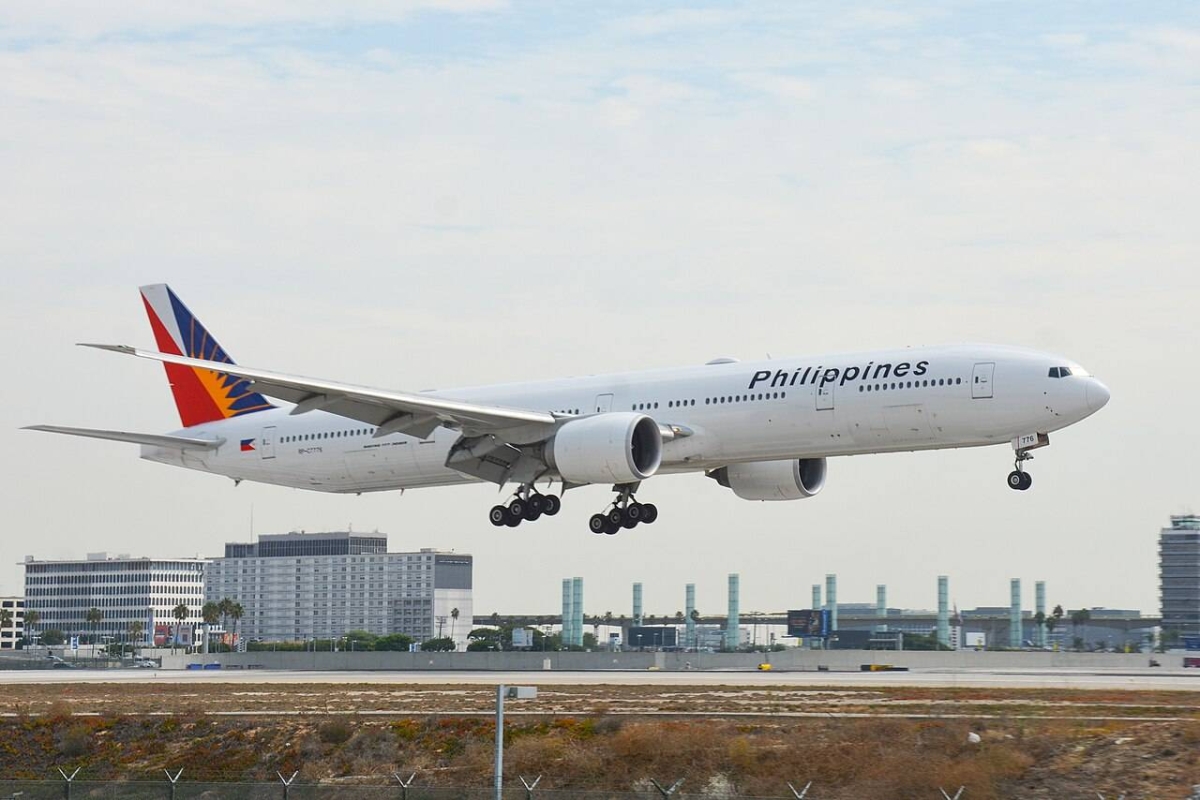
Philippine Airlines' announcement of 15 firm Boeing 787-10 Dreamliner orders (with 5 additional options) at the Farnborough International Airshow represents a transformational shift in Asia-Pacific air cargo logistics for cross-border e-commerce sellers. Deliveries scheduled between 2031-2034 signal PAL's confidence in sustained international trade growth and position the carrier as a critical logistics partner for regional e-commerce operations. The 787-10's 25% fuel efficiency advantage over comparable aircraft directly translates to lower operational costs, which will cascade into reduced air freight rates for sellers shipping time-sensitive merchandise from Southeast Asia to North American and European markets.
Immediate Logistics Impact for Sellers: The 787-10's 13,890-kilometer maximum range enables expanded route networks across Asia-Pacific, strengthening supply chain resilience for sellers currently dependent on limited air cargo capacity. PAL's Q1 financial performance—2.6% net income increase to 78.55 million driven by strong cargo yields—demonstrates the airline's commitment to cargo operations alongside passenger services. The carrier's $300 million international bond offering provides capital for fleet modernization, signaling aggressive capacity expansion. For sellers utilizing PAL for air freight services or shipping through Manila's Ninoy Aquino International Airport (NAIA) hub, this fleet expansion directly reduces shipping delays and improves reliability on routes to North America (US/Canada) and Europe.
Regional Sourcing Advantage: The 787-10 order strengthens the Philippines' position as a manufacturing and logistics hub. Boeing's supply chain includes Philippine-based facilities operated by Moog, Collins Aerospace, and Jamco producing 787 components, creating upstream supplier opportunities. For sellers sourcing electronics, semiconductors, and precision components from the Philippines, improved air cargo capacity reduces lead times by 2-4 weeks compared to ocean freight alternatives. The aircraft's 300-375 passenger seating capacity (depending on configuration) enables flexible cargo-passenger configurations, optimizing belly freight capacity during off-peak travel periods—a critical advantage for seasonal e-commerce demand spikes (Q4 holiday season, Chinese New Year, Ramadan).
Strategic Inventory Positioning: Sellers should evaluate repositioning 15-25% of time-sensitive inventory (electronics, fashion, beauty, small appliances) to Manila-based fulfillment centers or 3PL providers with PAL partnerships. The 2031-2034 delivery timeline creates a 6-7 year window for sellers to lock in current air freight rates before capacity increases drive competitive pricing pressure. Conversely, sellers shipping from Southeast Asia to North America can expect 8-12% air freight cost reductions by 2034 as PAL's fuel-efficient fleet reaches full operational capacity. The 13,890-kilometer range eliminates the need for intermediate stops on Asia-US routes, reducing total transit time by 1-2 days and improving product freshness for perishables and time-sensitive categories.
Questions 7
How will Philippine Airlines' 787-10 fleet expansion reduce air freight costs for cross-border sellers?
PAL's 787-10 aircraft consume 25% less fuel than comparable aircraft, directly lowering operational costs that translate to reduced air freight rates. With 15 firm orders (plus 5 options) delivering through 2034, PAL will increase cargo capacity on Asia-North America and Asia-Europe routes. Sellers shipping time-sensitive merchandise from Southeast Asia can expect 8-12% air freight cost reductions by 2034 as the fuel-efficient fleet reaches full operational capacity. The aircraft's 13,890-kilometer range eliminates intermediate stops, reducing transit time by 1-2 days and improving product freshness for perishables and electronics.
Which product categories benefit most from improved PAL air cargo capacity?
Electronics, semiconductors, fashion, beauty products, and small appliances benefit most from faster, more reliable air freight from Southeast Asia. These categories have high per-unit value, time-sensitive demand (especially during Q4 holiday season and cultural events like Chinese New Year), and benefit from reduced lead times. Perishable items and fresh food products also gain from the 1-2 day transit time reduction. Sellers sourcing from Philippines-based manufacturers (Moog, Collins Aerospace, Jamco facilities) can reduce lead times by 2-4 weeks compared to ocean freight alternatives.