


Costco's Standalone Gas Strategy Signals Retail Real Estate Shift | O2O Opportunity for Sellers
- Costco opens first standalone gas station in Mission Viejo (June 24, 2026) with 40 pumps; second location planned for Honolulu; reflects broader warehouse capacity constraints and emerging O2O retail model for membership-driven traffic

Overview
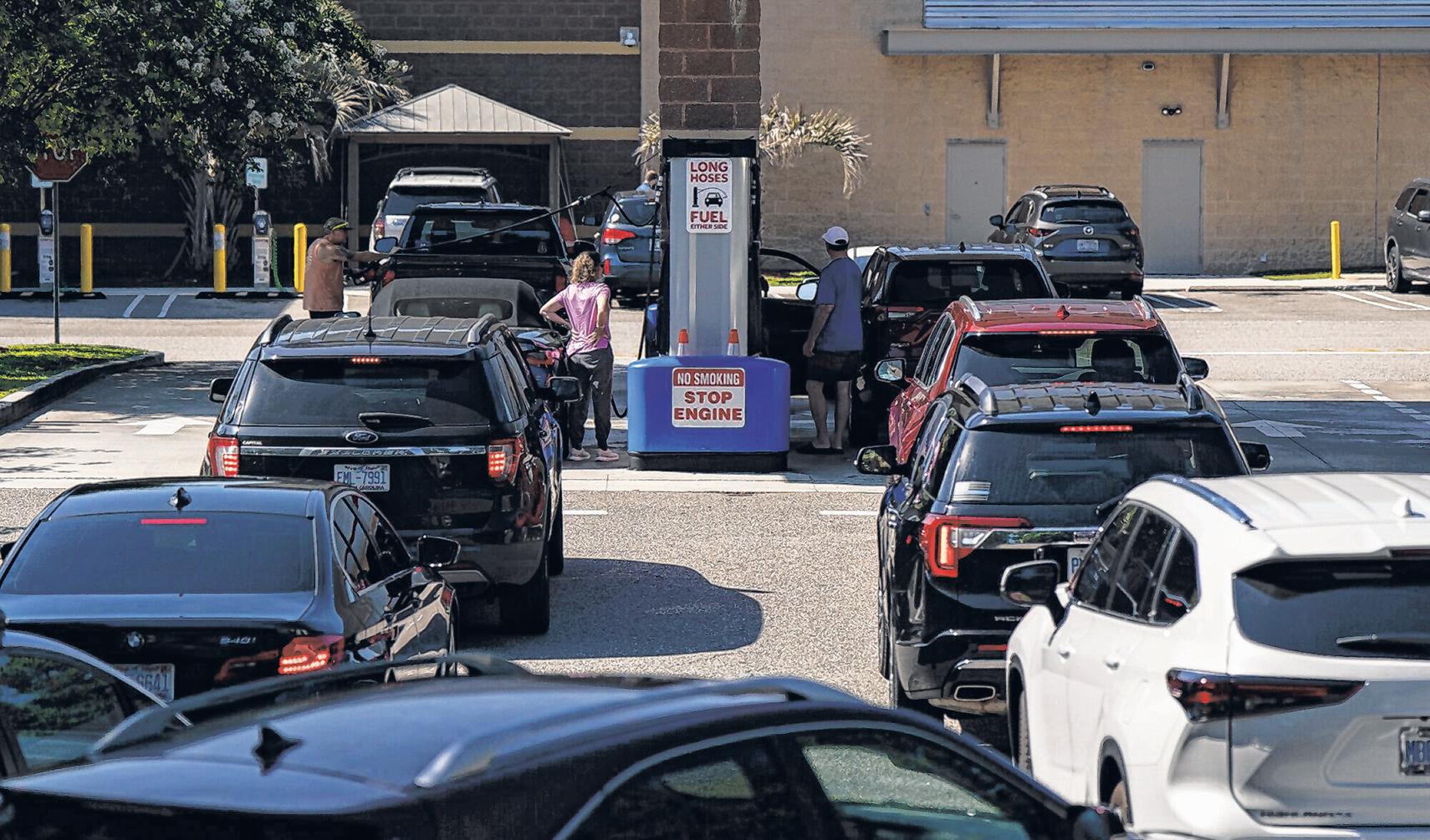
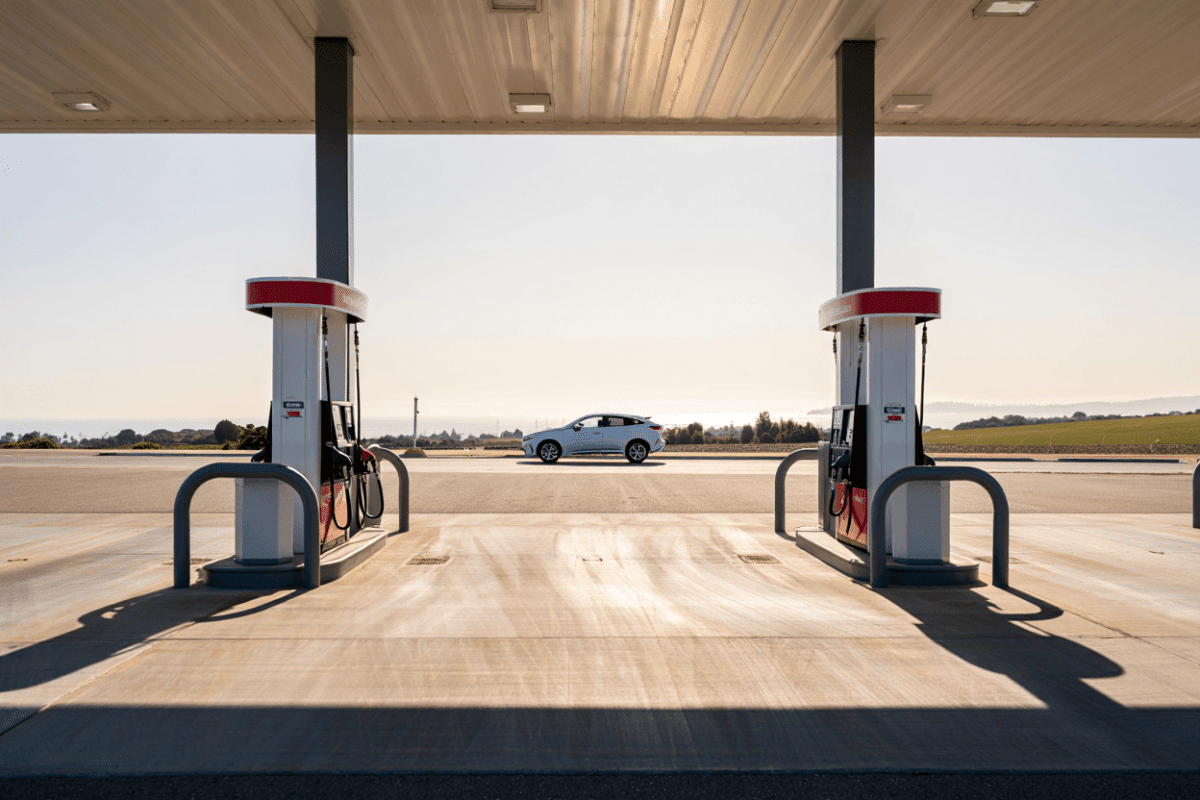
Costco's strategic pivot to standalone gas stations represents a fundamental shift in warehouse club real estate strategy with significant implications for omnichannel retail and membership-driven commerce. On June 24, 2026, Costco opened its first standalone gas station in Mission Viejo, California—a 17,185-square-foot facility with 40 fueling positions built on a former Bed Bath & Beyond site. A second location is planned for Honolulu. This move addresses two critical operational constraints: alleviating capacity pressure at existing warehouse gas stations operating at full capacity, and serving high-density areas where land constraints prevent traditional co-location with warehouses. The stations operate 1-2 miles from nearest warehouses while maintaining Costco's signature discounted pricing ($4.59-$4.75 vs. regional average of $5.30-$5.39), demonstrating the profitability of separating complementary services from core operations.
This represents a critical O2O (Online-to-Offline) and experiential retail opportunity for cross-border sellers. Costco's fuel program has become so popular that record gasoline volumes during fiscal Q3 (five weeks ending mid-May marking highest gas-sales weeks in company history) exhausted available warehouse pump capacity. CEO Ron Vachris noted that rising fuel costs attracted new members to Costco's pumps, and customers who fill up typically increase warehouse spending—a direct traffic-to-conversion mechanism. The standalone model requires minimal staffing and inventory compared to full warehouses, improving unit economics while maintaining the membership benefit that drives loyalty and warehouse visits. This operational efficiency, combined with Costco's ability to maintain 20-30 cents per gallon pricing advantages through strong supplier relationships, signals potential for rapid expansion in congested metropolitan areas.
For sellers and retail operators, this trend reveals three actionable insights: First, membership-driven traffic models are increasingly valuable in constrained real estate markets—standalone service locations (fuel, services, pickup points) can drive warehouse/warehouse club visits without requiring full retail footprint. Second, the separation of complementary services from core retail operations improves unit economics and allows geographic expansion beyond traditional warehouse locations. Third, high-traffic service locations (gas stations, pickup points, service centers) positioned 1-2 miles from main retail hubs create natural O2O conversion opportunities. Costco's cautious expansion approach (CFO Millerchip confirmed additional locations "in development") suggests this model will scale to other high-demand markets, particularly in Southern California, Hawaii, and other congested metropolitan areas where warehouse space constraints limit traditional gas pump capacity. The company's real estate experimentation also reflects broader difficulty acquiring land large enough for traditional single-level warehouse stores, making this standalone format an alternative to proposed vertically-built store concepts.
Questions 8
How can sellers apply Costco's O2O model to their own retail strategies?
Sellers can replicate Costco's membership-driven O2O model by establishing complementary service locations (pickup points, service centers, experience hubs) positioned 1-2 miles from main retail facilities to drive traffic and increase customer LTV. The key is creating a membership or loyalty benefit that makes the service location valuable enough to drive warehouse/main store visits. Costco's success demonstrates that high-traffic service locations with pricing advantages or exclusive benefits can function as traffic drivers without requiring full retail footprint. Sellers should focus on identifying complementary services that increase customer visit frequency and warehouse spending, then test standalone locations in high-density metropolitan areas where main retail real estate is constrained.
Why is Costco building standalone gas stations without warehouses?
Costco opened its first standalone gas station in Mission Viejo on June 24, 2026, because existing warehouse gas pumps reached full capacity during record-breaking fuel sales in fiscal Q3. The company faced two constraints: warehouse locations operating at maximum pump capacity and land availability issues preventing traditional warehouse-gas station co-location in high-density areas. The standalone model allows Costco to capture additional fuel sales and member visits while requiring minimal staffing and inventory compared to full warehouses. Positioned 1-2 miles from nearest warehouses, these stations maintain the membership benefit and discounted pricing ($4.59-$4.75 vs. regional $5.30-$5.39) that drives customer loyalty and warehouse traffic.