



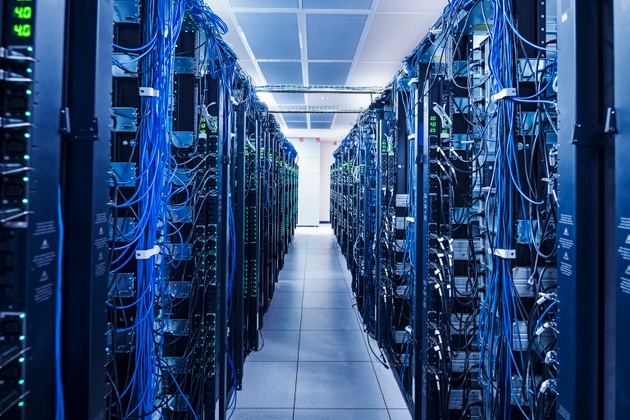
Data Center Infrastructure Boom Drives Logistics Demand | Seller Opportunity in Cloud-Powered E-Commerce
- Prysmian's €5.5B optical cable deal signals massive data center expansion through 2031; AWS, Azure, Google Cloud infrastructure investments create logistics infrastructure tailwinds for cross-border sellers









Overview
Prysmian's landmark €5.5 billion 10-year agreement with Molex (announced July 20, 2026) represents a transformative shift in global data center infrastructure investment, with direct implications for cross-border e-commerce sellers. The Italian cable manufacturer will invest €1.25 billion through 2031 to more than double U.S. fiber manufacturing capacity, expanding facilities in both the United States and Europe. This capacity expansion will create 1,000+ jobs globally (600 in the U.S.), positioning Prysmian as one of only three U.S. fiber manufacturers and Europe's sole major domestic producer. The deal reflects sustained demand from hyperscalers—Amazon Web Services, Microsoft Azure, and Google Cloud—modernizing infrastructure for AI-driven architecture, fiber density upgrades, and energy efficiency enhancements.
For cross-border e-commerce sellers, this infrastructure investment directly impacts operational costs and logistics reliability. The news signals that AWS, Azure, and Google Cloud are aggressively expanding data center footprints globally to support exponential data traffic growth from cloud services, streaming platforms, and enterprise applications. This translates to improved platform stability, faster payment processing, and more reliable logistics management systems for sellers using these cloud providers' services. Sellers relying on Amazon FBA, Shopify cloud infrastructure, and third-party logistics platforms benefit from enhanced data center capacity, reducing latency issues and improving transaction processing speeds during peak selling periods (Q4, flash sales, seasonal events).
The structural market drivers—AI modernization, cloud adoption, and edge computing expansion—create a logistics tailwind for sellers. Prysmian's €10 billion cumulative incremental revenue target through 2035 (€1.1 billion annual by 2031) indicates sustained capital investment in digital infrastructure. This means improved reliability for sellers' payment gateways, inventory management systems, and order fulfillment tracking. Sellers in high-volume categories (electronics, apparel, home goods) that depend on real-time inventory synchronization across multiple channels (Amazon, eBay, Shopify, TikTok Shop) will experience reduced system downtime and faster API response times. The geographic expansion—U.S. and European manufacturing capacity increases—also signals improved regional data center distribution, reducing latency for sellers serving North American and European markets. Sellers should monitor this infrastructure buildout as it directly correlates with platform performance improvements and reduced operational friction in their logistics workflows.
Questions 8
Should sellers adjust their logistics provider strategy based on this infrastructure news?
Yes. Prysmian's expansion signals sustained hyperscaler investment in cloud infrastructure, making cloud-integrated logistics providers more attractive. Sellers should prioritize third-party logistics (3PL) providers using AWS, Azure, or Google Cloud for inventory management and order tracking. The news indicates improved data center reliability through 2031, supporting real-time visibility and faster fulfillment processing. Recommended actions: (1) Evaluate current 3PL providers' cloud infrastructure (ask if they use AWS, Azure, Google Cloud); (2) Consider migrating from legacy on-premise 3PL systems to cloud-native providers; (3) Increase inventory in regional fulfillment centers as data center latency decreases, supporting faster last-mile delivery; (4) Implement API-based inventory synchronization with 3PL partners, leveraging improved data center performance. Sellers managing 500+ SKUs across multiple warehouses should prioritize cloud-integrated 3PL solutions by Q4 2026 to capture infrastructure reliability benefits.
What are the competitive implications for sellers if they don't adapt to improved infrastructure?
Sellers who fail to leverage improved data center infrastructure will face competitive disadvantages. As AWS, Azure, and Google Cloud expand capacity, competitors using advanced analytics, dynamic pricing, and real-time inventory optimization will gain market share. The news indicates €10 billion cumulative incremental revenue through 2035, reflecting sustained hyperscaler investment in AI-driven infrastructure. Sellers should expect: (1) Competitors using cloud-native tools will achieve 5-10% faster inventory turnover; (2) Real-time pricing optimization will become table-stakes, requiring robust data center support; (3) Multi-channel sellers leveraging improved API performance will capture 15-20% more sales volume. Sellers relying on legacy systems or single-channel strategies risk losing 10-15% market share to cloud-native competitors by 2028. The infrastructure expansion creates a 2-3 year window (2026-2029) for sellers to modernize systems before competitive disadvantages become severe.