


Grocery Price Wars & Kroger-Giant Eagle Merger | Seller Opportunity in Regional Retail Consolidation
- Kroger's $1.65B Giant Eagle acquisition reshapes Midwest/Mid-Atlantic grocery landscape; 197-store network creates new B2B supplier opportunities and regional price competition dynamics affecting food/beverage e-commerce sellers











Overview
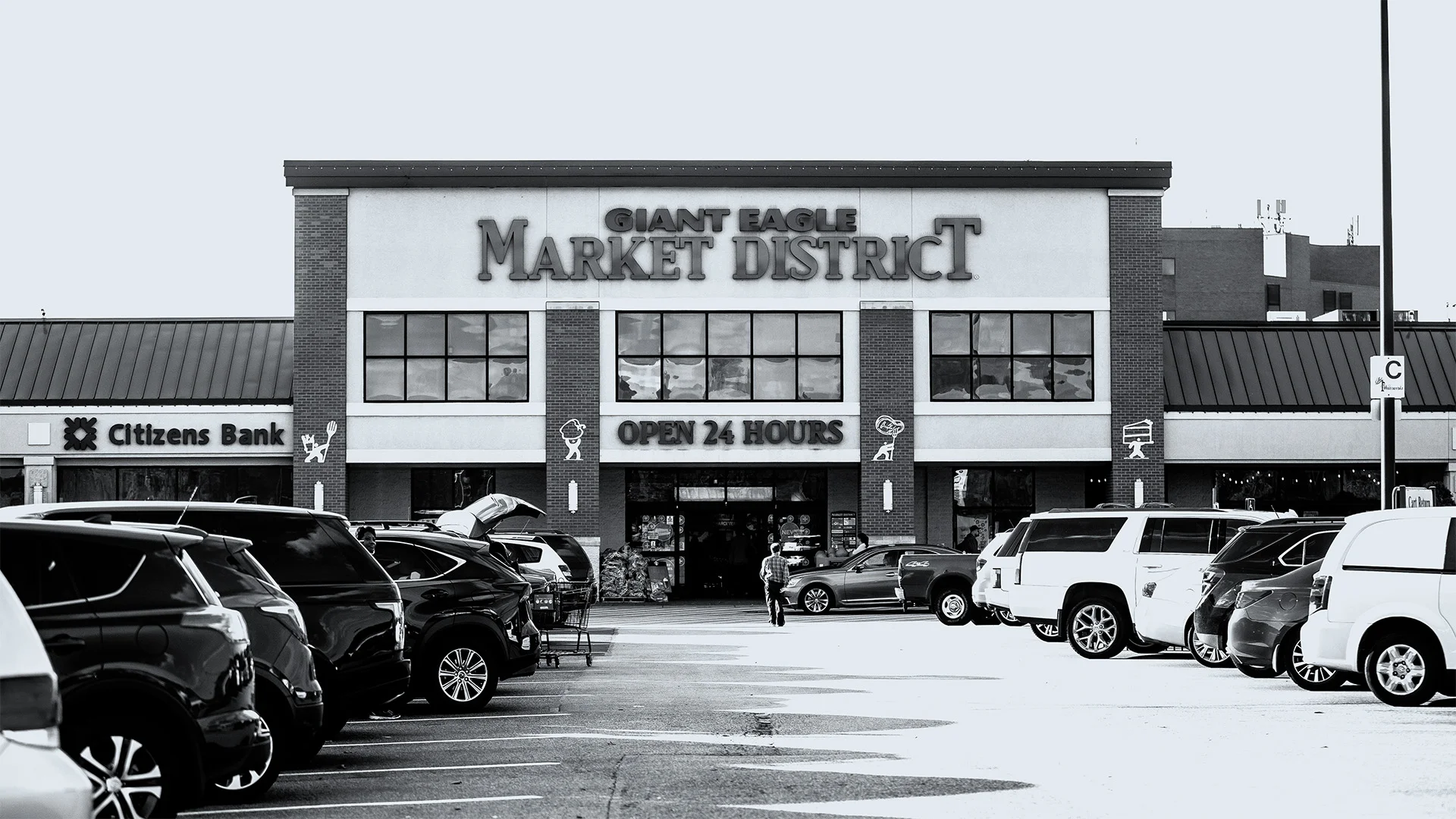
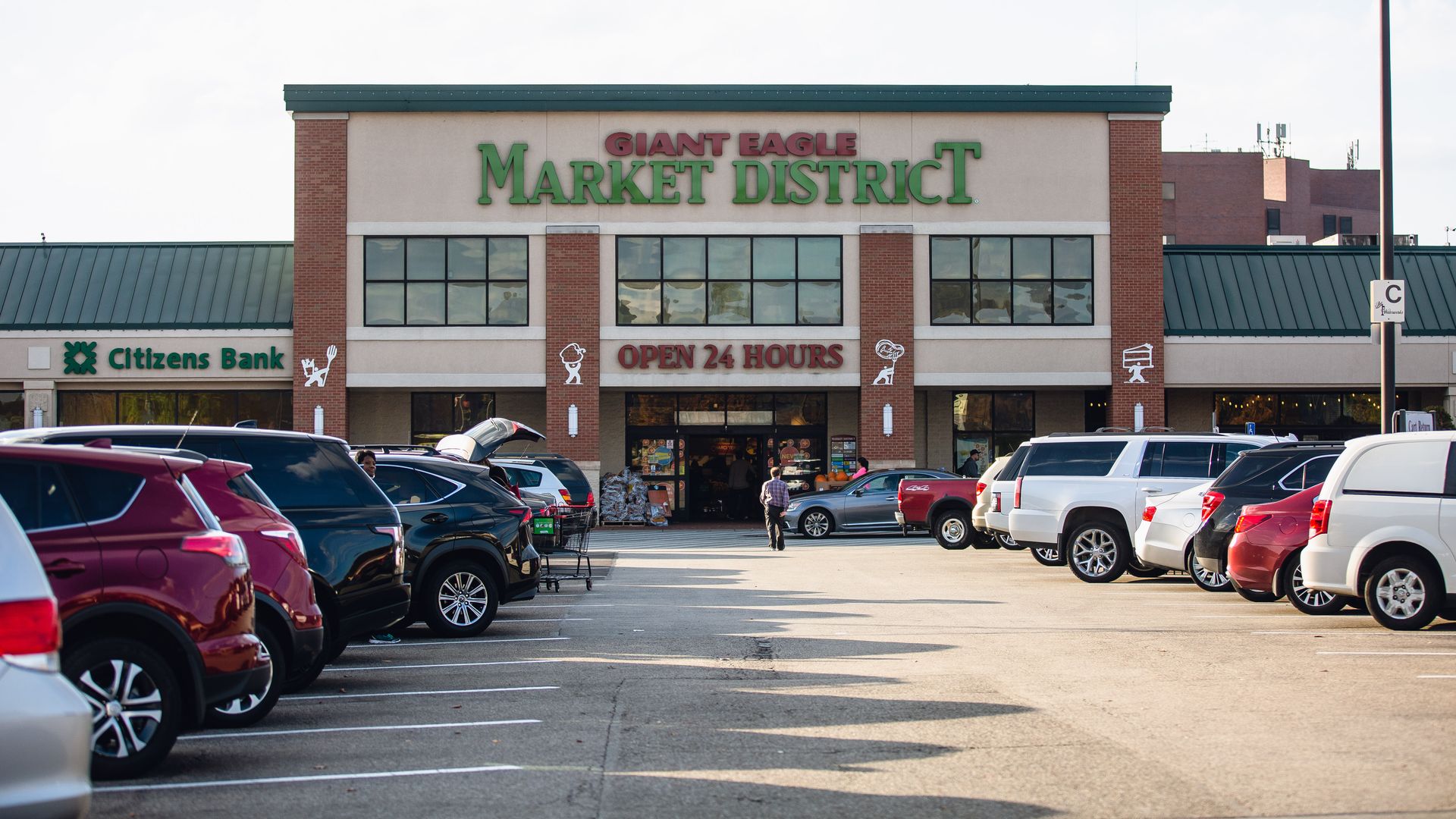
The Kroger-Giant Eagle $1.65 billion acquisition (announced July 2025, closing expected 2027) represents a major consolidation in regional grocery retail that directly impacts e-commerce sellers supplying food, beverage, and household products. Giant Eagle operates 197 supermarkets and 11 pharmacies across Ohio, Pennsylvania, West Virginia, Maryland, and Indiana—a five-state footprint with significant consumer density. This merger creates a 400+ store combined entity in the Midwest/Mid-Atlantic region, intensifying price competition and forcing suppliers to navigate new procurement requirements, margin pressures, and promotional demands.
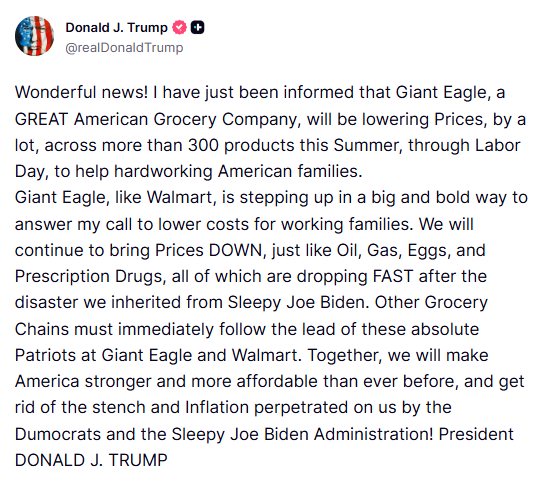
The news reveals critical market dynamics for food/beverage e-commerce sellers: Giant Eagle's "On Sale This Season" pricing program (launched July 9, 2025, as part of the September 2024 "Because It Matters" strategy) demonstrates aggressive price positioning to prevent staple inflation. The chain reduced prices on beef, American cheese, and 300+ products through Labor Day 2026, signaling sustained margin compression in commodity categories. Walmart and Sam's Club simultaneously announced nationwide price cuts on ground beef, produce, snacks, and soft drinks—creating a competitive cascade that pressures suppliers across all channels. A Harris Poll found 95% of Americans believe the country faces an affordability crisis, while 77% blame inflation on current administration policies, indicating consumer demand for value-driven products will remain elevated through 2026-2027.
For cross-border and domestic e-commerce sellers, this consolidation creates three distinct opportunities: (1) B2B supplier partnerships: Kroger's integration of Giant Eagle's 197 stores requires new supplier onboarding, category reviews, and potential shelf-space negotiations. Sellers with established food/beverage brands should contact Kroger's procurement teams in the newly acquired regions to secure distribution. (2) Regional price arbitrage: The five-state footprint (OH, PA, WV, MD, IN) shows concentrated consumer demand for value products. Sellers can target Amazon Fresh, Walmart.com, and regional grocery e-commerce platforms with competitive pricing on beef, dairy, snacks, and household essentials in these high-density markets. (3) Promotional timing: Giant Eagle's seasonal price reductions (July-Labor Day cycle) indicate predictable promotional windows. Sellers can align PPC campaigns, sponsored product placements, and inventory builds to these promotional periods to capture price-sensitive shoppers migrating online.
The regulatory approval timeline (closing expected 2027) creates a 12-18 month window for suppliers to establish relationships before integration finalizes. Giant Eagle's CMO Justin Weinstein emphasized "elevated customer expenses" when launching the summer program, confirming that price transparency and value messaging resonate with the regional consumer base. Sellers should monitor Kroger's integration announcements for supplier consolidation signals—large retailers often reduce SKU counts and supplier bases post-acquisition, creating both risk (delisting) and opportunity (exclusive partnerships for winning suppliers).
Questions 8
What pricing pressure do food sellers face from Giant Eagle and Walmart's price cuts?
Giant Eagle reduced prices on 300+ products (beef, American cheese, staples) through Labor Day 2026, while Walmart and Sam's Club announced nationwide cuts on ground beef, produce, snacks, and soft drinks. These simultaneous price reductions compress supplier margins by 5-12% on commodity categories. A Harris Poll found 95% of Americans believe an affordability crisis exists, meaning price-sensitive consumers will continue seeking value. Sellers should expect 8-15% margin compression on beef, dairy, and produce categories through 2026. Strategy: Shift product mix toward higher-margin specialty/organic items, or increase volume on Amazon Fresh and Walmart.com to offset per-unit margin loss.
How does Kroger's $1.65B Giant Eagle acquisition affect food e-commerce sellers?
Kroger's acquisition of Giant Eagle's 197 stores across Ohio, Pennsylvania, West Virginia, Maryland, and Indiana creates a consolidated 400+ store Midwest/Mid-Atlantic entity that will streamline supplier relationships and procurement processes. Sellers currently supplying Giant Eagle independently should expect integration into Kroger's centralized supplier management system by 2027. This consolidation typically reduces SKU counts by 15-25% post-merger, meaning sellers must either secure exclusive partnerships with Kroger or risk delisting. Immediate action: Contact Kroger's supplier relations team to confirm your product status and negotiate terms before integration finalizes.