
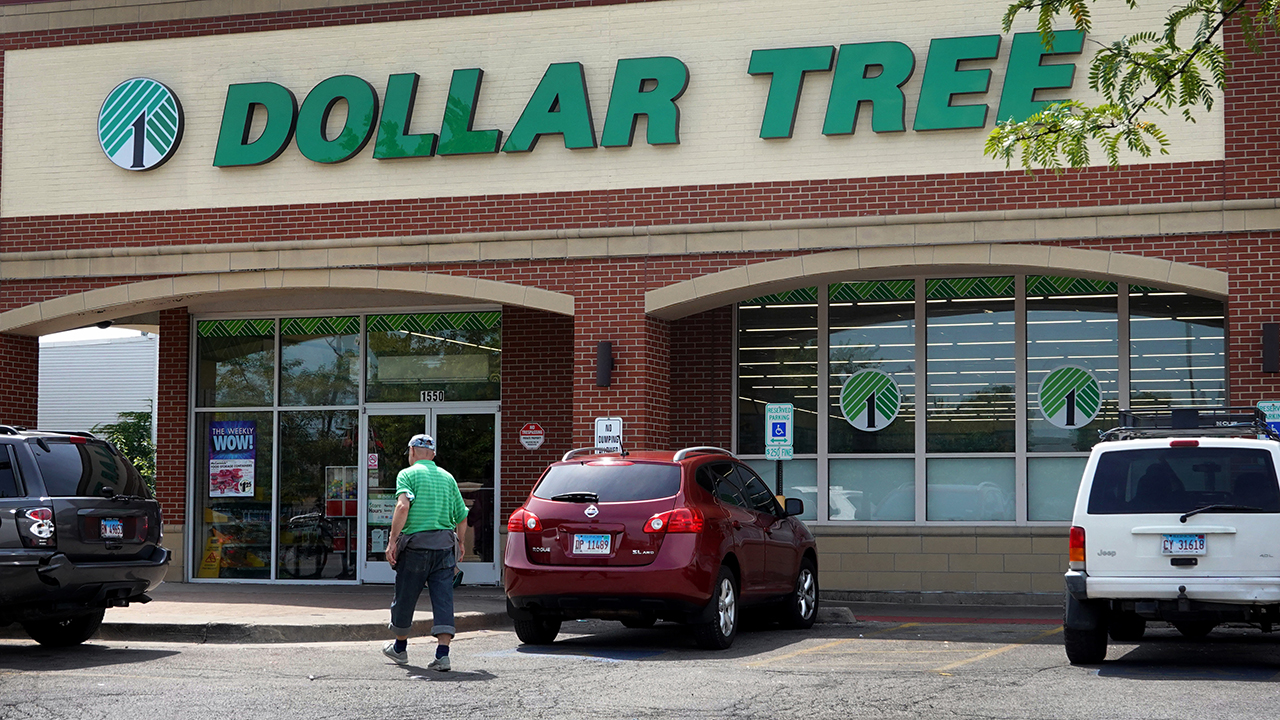
Dollar Tree Closes 75 Stores While Expanding | O2O Opportunity in Discount Retail Consolidation
- 75 store closures (<2% of footprint) signal shift to high-ROI locations; creates pop-up and wholesale partnership opportunities in expanding markets for cross-border sellers
Overview
Dollar Tree's strategic store portfolio optimization—closing 75 underperforming locations while expanding in higher-potential markets—represents a critical inflection point for cross-border sellers relying on discount retail distribution channels. The closure of less than 2% of Dollar Tree's thousands of North American stores reflects a measured but decisive shift toward profitability-driven location management, with the company explicitly identifying affected stores as "substandard" based on traffic patterns and sales metrics.
For cross-border e-commerce sellers, this consolidation creates three distinct O2O opportunities: First, the 75 closures will displace consumer demand in affected regions, creating immediate opportunities to capture price-sensitive shoppers through Amazon, Walmart Marketplace, and Shopify storefronts targeting discount-retail demographics. Second, Dollar Tree's expansion into "higher-potential markets" signals openness to new vendor partnerships and wholesale relationships—sellers should identify which geographic markets are receiving new store investments and proactively pitch complementary product categories (seasonal items, consumables, home goods) to Dollar Tree's procurement teams. Third, the company's focus on operational efficiency suggests increased scrutiny of vendor performance metrics; sellers currently supplying Dollar Tree should audit their SKU velocity, return rates, and inventory turnover to ensure they meet the retailer's tightened profitability thresholds.
The broader retail consolidation trend indicates accelerating pressure on traditional brick-and-mortar discount chains facing e-commerce competition. This creates a 6-12 month window for sellers to establish pop-up showrooms or temporary retail partnerships in markets where Dollar Tree is expanding—leveraging the retailer's foot traffic while building direct consumer relationships. Sellers should monitor which specific regions experience closures (likely underperforming urban or rural markets) and which receive new stores (likely suburban growth corridors with higher household incomes), as this geographic shift will reshape local wholesale opportunities and consumer purchasing patterns. The company's confidence in long-term market demand, despite closures, suggests discount retail remains resilient—but only for optimized, high-performing locations. Sellers must align their product mix and wholesale terms with Dollar Tree's new profitability-first approach or risk losing shelf space in the next vendor review cycle.
Questions 7
Which geographic markets represent the best O2O opportunities from Dollar Tree's expansion strategy?
Dollar Tree's expansion into 'higher-potential markets' typically targets suburban growth corridors with household incomes of $35K-$75K and population density of 1,000-5,000 per square mile. These markets show strong demand for value-oriented consumables, seasonal items, and home goods. Sellers should identify which metropolitan areas are receiving new Dollar Tree locations (typically announced in quarterly earnings calls or SEC filings) and establish pop-up showrooms or kiosk partnerships 3-6 months before store openings. This timing allows you to build brand awareness among target consumers before Dollar Tree's foot traffic arrives. Focus on product categories with 40%+ gross margins that complement Dollar Tree's existing assortment—beauty, seasonal décor, and specialty consumables show highest ROI in discount retail markets.
How do Dollar Tree's 75 store closures affect cross-border sellers currently supplying the retailer?
Dollar Tree's closure of underperforming locations signals tightened vendor performance standards—sellers must now meet higher profitability thresholds or risk losing shelf space. The company's explicit focus on 'substandard' stores means SKUs with low velocity, high return rates, or poor inventory turnover will face delisting. Sellers should immediately audit their Dollar Tree sales data, calculate per-unit profitability, and identify which product categories are driving traffic in high-performing stores. Proactively communicate with Dollar Tree's procurement team to demonstrate how your products contribute to store profitability metrics. Expect increased pressure on wholesale margins and minimum order quantities as the retailer consolidates vendor relationships.