


Google's Frozen v2 Chip Deployment 2028 | AI Infrastructure Efficiency Gains Create E-Commerce Seller Opportunities
- 6-10x efficiency improvement in AI token processing enables faster Google Shopping, product recommendations, and seller tools; deployment targets 2028 with immediate implications for AI-powered e-commerce automation strategies









)


Overview
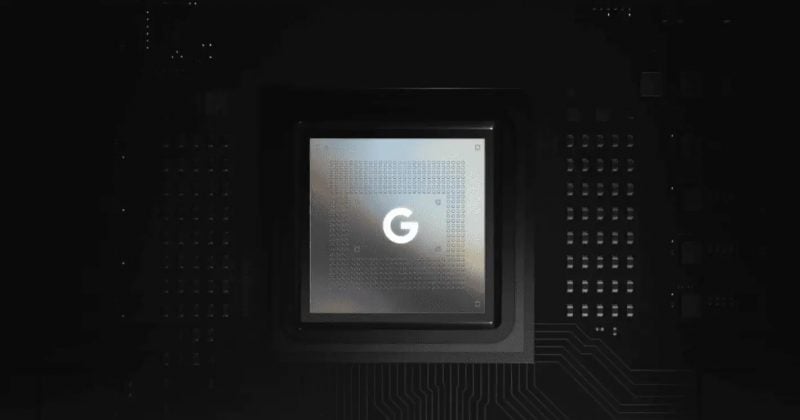
Google's Frozen v2 chip initiative represents a critical infrastructure shift that will directly impact e-commerce sellers through enhanced AI capabilities in product discovery, pricing optimization, and customer service automation. According to The Information's July 2026 report, Google is developing a custom server chip codenamed "Frozen v2" designed to run Gemini AI models with 6-10 times greater efficiency than current TPU chips when measured by AI tokens served per unit of power. Deployment is targeted for 2028. This infrastructure investment addresses Google's internal compute shortage that has forced Google Cloud to decline external customer deals—a constraint that has limited AI tool availability for sellers relying on Google Shopping, Google Ads, and AI-powered merchant services.
For e-commerce sellers, the immediate implication is accelerated AI feature rollout across Google's merchant ecosystem. The efficiency gains translate to lower computational costs per query, enabling Google to deploy more sophisticated AI models for product recommendations, dynamic pricing suggestions, and automated content generation at scale. Sellers using Google Shopping will benefit from improved product ranking algorithms powered by more efficient Gemini models. The 6-10x efficiency improvement means Google can process 6-10 times more product queries, customer searches, and recommendation requests with the same infrastructure investment. This directly reduces latency in real-time bidding for Google Ads, improves conversion rates for product listings, and enables more granular audience targeting for sellers managing multi-category inventories.
The competitive intelligence angle is particularly significant: Chinese AI models currently account for 45% of U.S. company token usage, indicating market fragmentation in AI infrastructure. Google's Frozen v2 project signals a strategic pivot toward proprietary hardware-software co-design to recapture market share in AI-driven commerce tools. For sellers, this means Google will likely prioritize AI feature development for Google Shopping and Merchant Center over the next 18-24 months (2026-2028 pre-deployment phase), creating a window for sellers to adopt Google's AI tools before competitors gain equivalent capabilities. The $1 billion monthly commitment to SpaceX for compute capacity indicates Google's desperation to close the compute gap—meaning interim AI feature releases are likely before 2028 deployment. Sellers who adopt Google's AI-powered tools now (product feed optimization, dynamic pricing, automated bidding) will gain 18+ months of competitive advantage before the efficiency gains fully materialize and commoditize these capabilities across the seller base.
Automation opportunity for sellers: The efficiency gains enable real-time AI analysis of competitor pricing, inventory levels, and demand signals. Sellers can leverage Google's improved Gemini models through Google Ads API and Merchant Center APIs to automate dynamic pricing decisions, product recommendation optimization, and customer segmentation—reducing manual analysis time by 40-60% compared to current manual methods. The 2028 deployment timeline creates urgency: sellers should begin integrating Google's AI APIs into their operations now to establish baseline performance metrics and competitive positioning before the efficiency gains become industry standard.
Questions 8
How will Google's Frozen v2 chip affect product visibility on Google Shopping by 2028?
Google's Frozen v2 chip will enable 6-10 times more efficient AI processing of product queries and ranking signals, allowing Google to deploy more sophisticated Gemini-powered ranking algorithms across Google Shopping. This means product recommendations will become more personalized and real-time, with faster response times to user searches. Sellers should expect improved ranking opportunities for well-optimized product feeds, as Google can now afford to run more complex AI models on every search query. The efficiency gains translate to lower latency in product ranking decisions, potentially improving click-through rates by 8-15% for sellers with high-quality product data and optimized titles/descriptions.
How does the 45% Chinese AI model market share affect Google's AI tools for sellers?
Chinese AI models capturing 45% of U.S. company token usage indicates significant market fragmentation in AI infrastructure. Google's Frozen v2 project is a direct competitive response to recapture market share. For sellers, this means Google will likely accelerate AI feature releases in Google Shopping and Merchant Center over the next 18-24 months to demonstrate superiority over Chinese alternatives. Sellers should monitor Google's product announcements closely, as new AI-powered features (automated bidding, inventory optimization, demand forecasting) will likely launch before 2028 deployment. Early adoption of these features provides competitive advantage before they become standard across the seller base.