
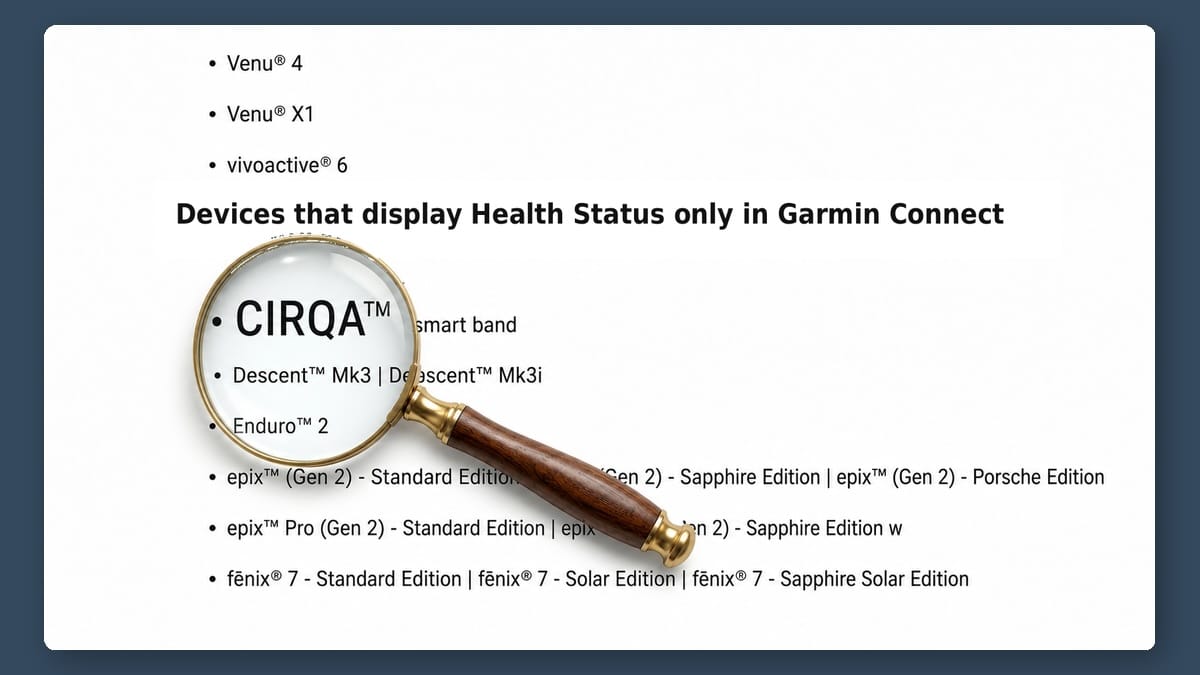
Garmin CIRQA $199.99 Wearable Launch | AI-Powered Recovery Band Disrupts Fitness Tracker Market
- Screenless health band targets $2.1B recovery market; 8 SKU variants across 15 markets signal major seller opportunity in wellness category



Overview
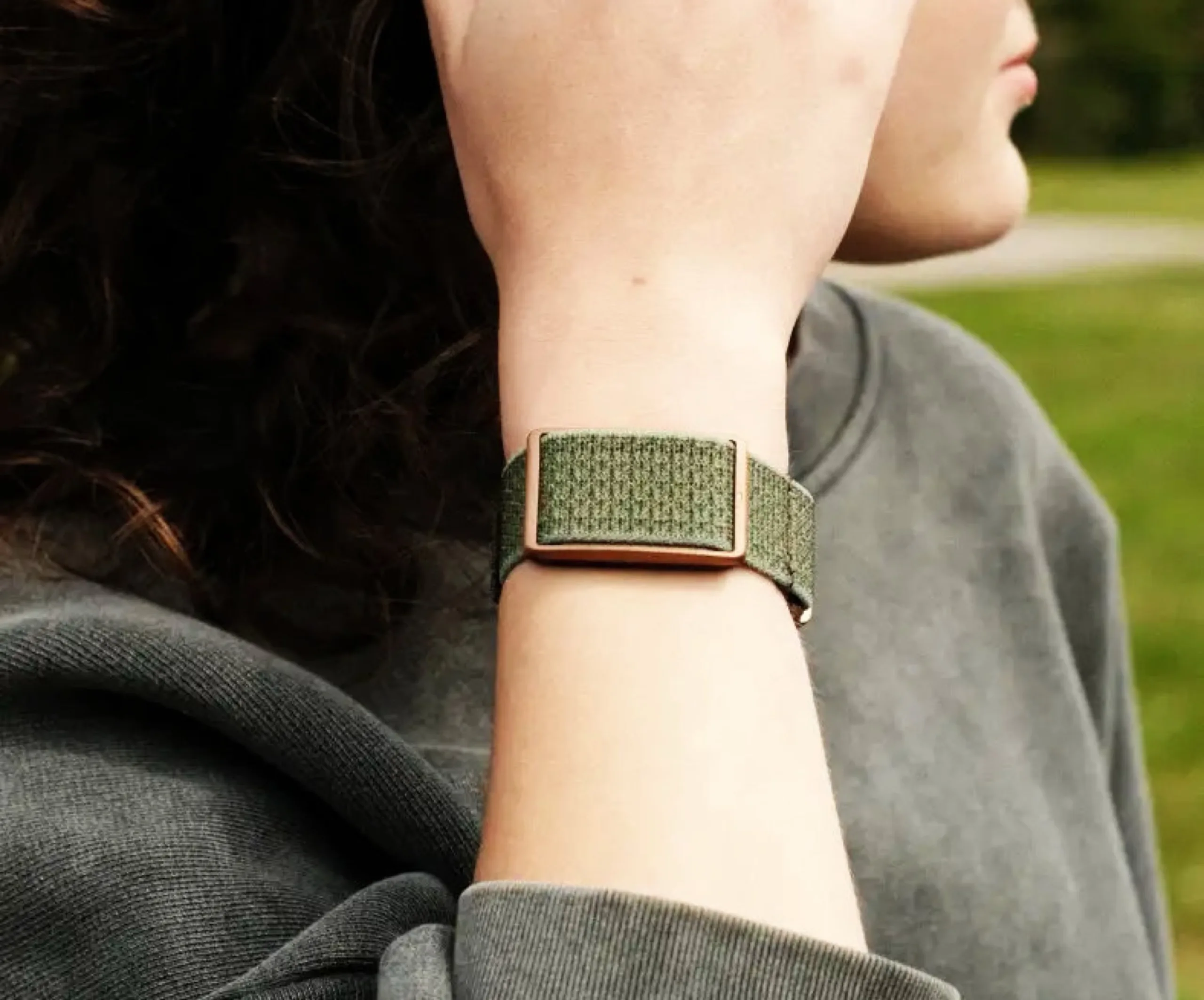
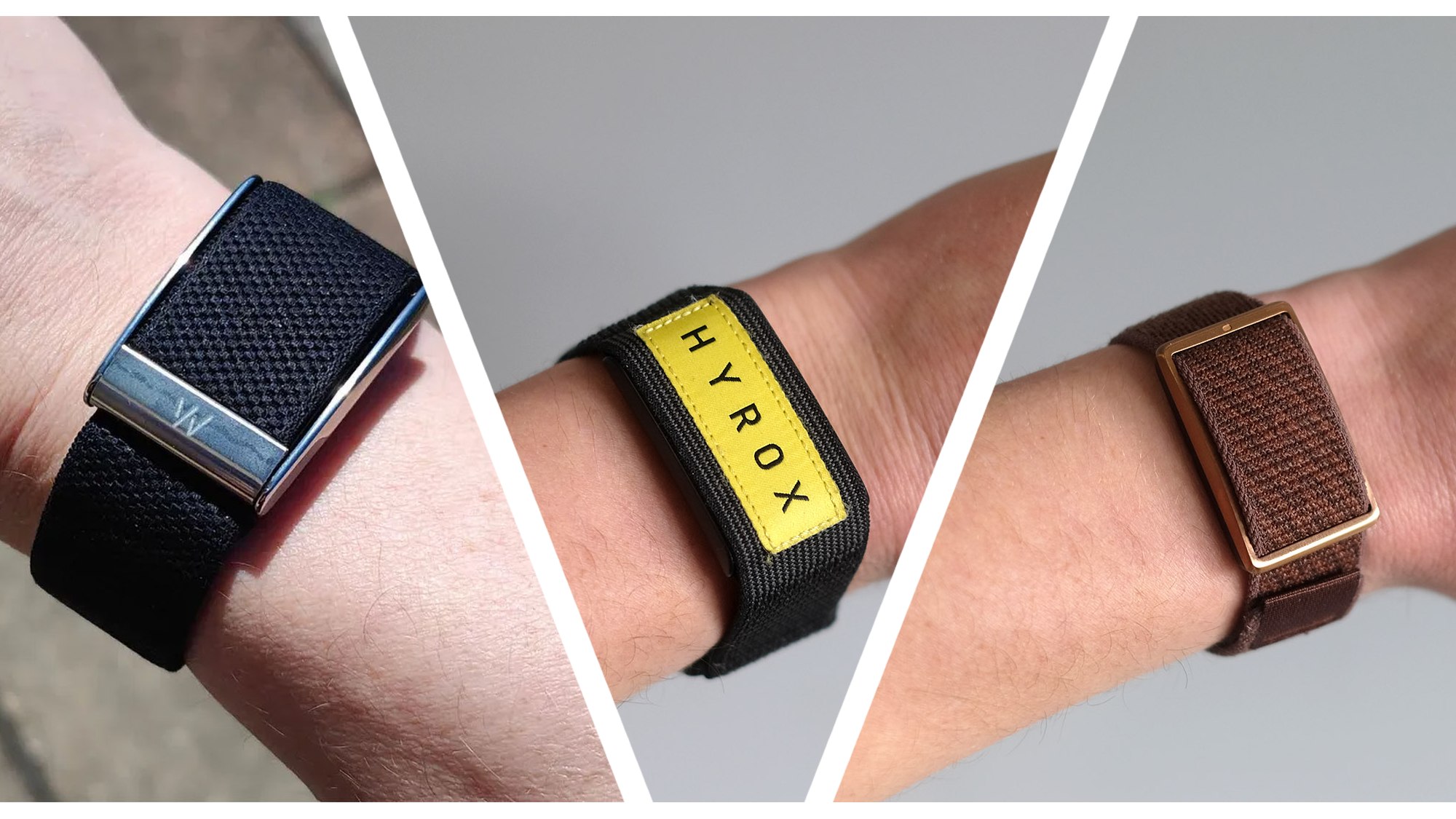
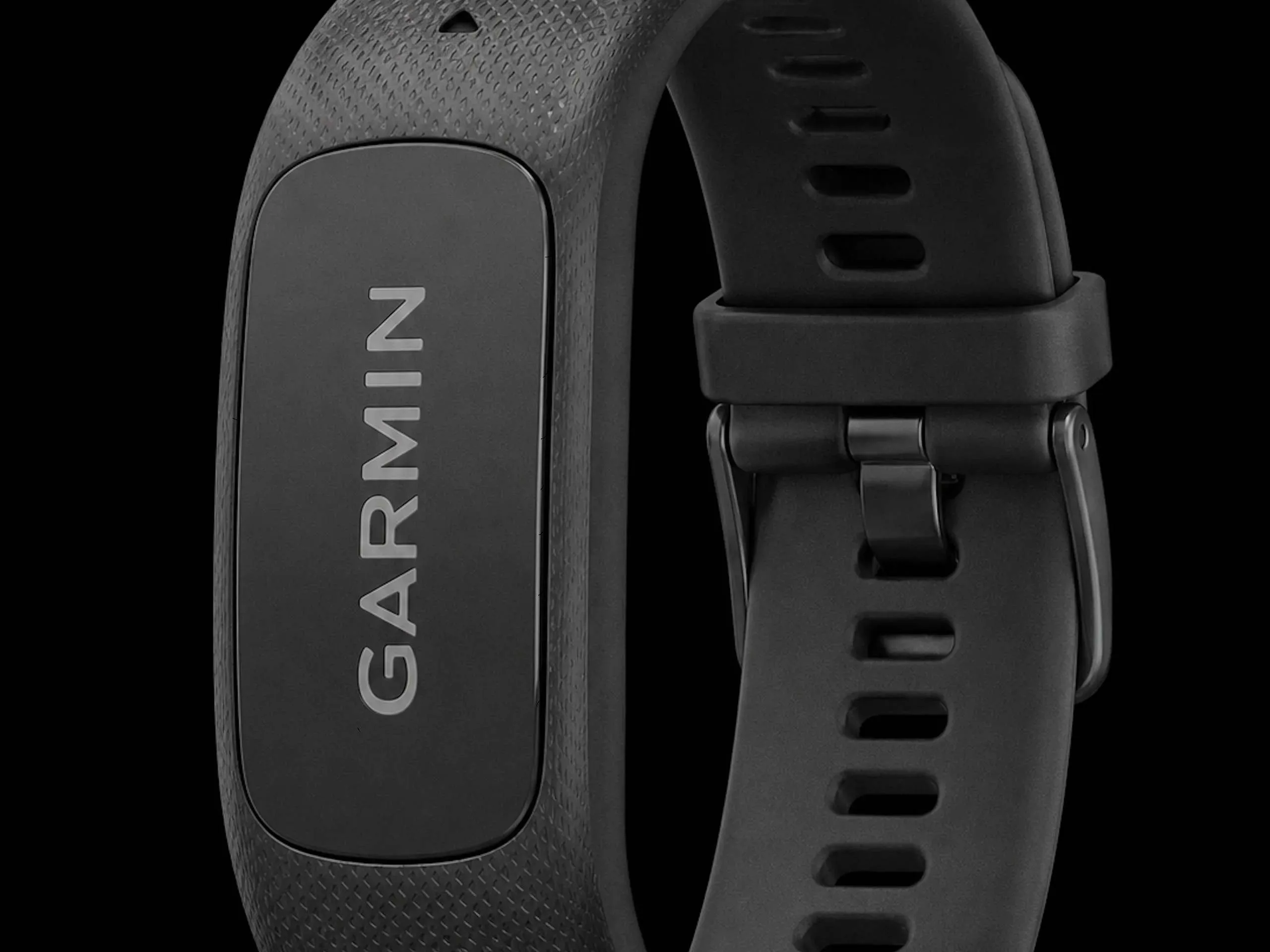
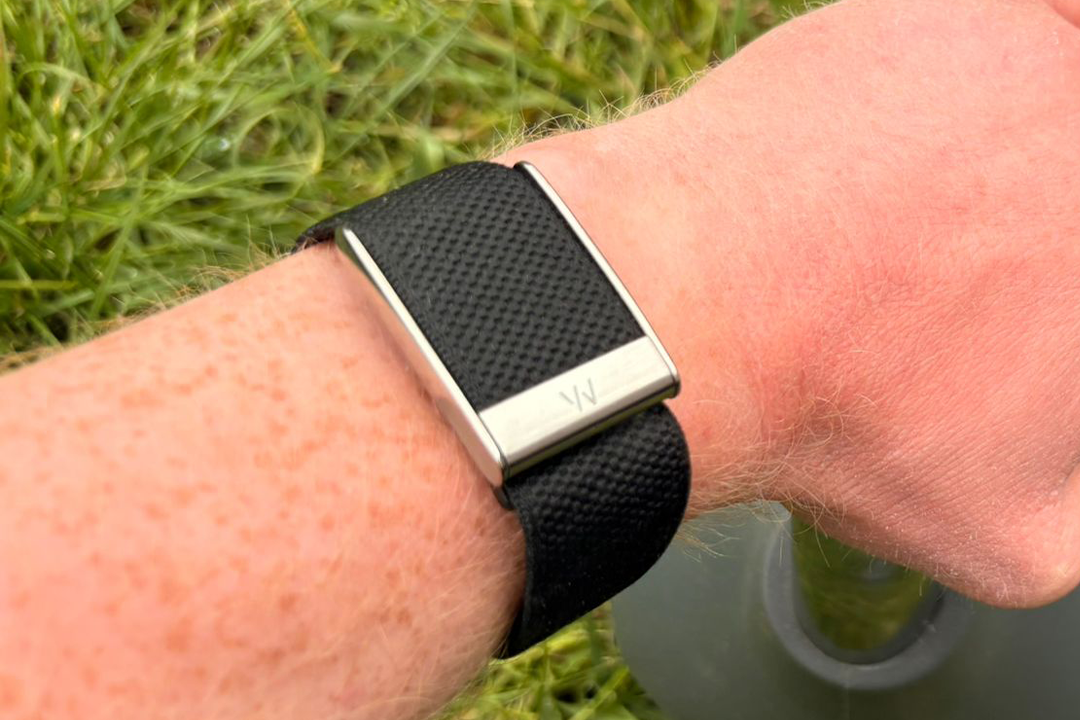
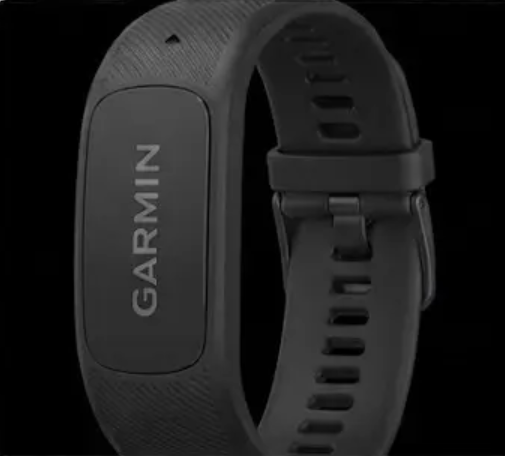
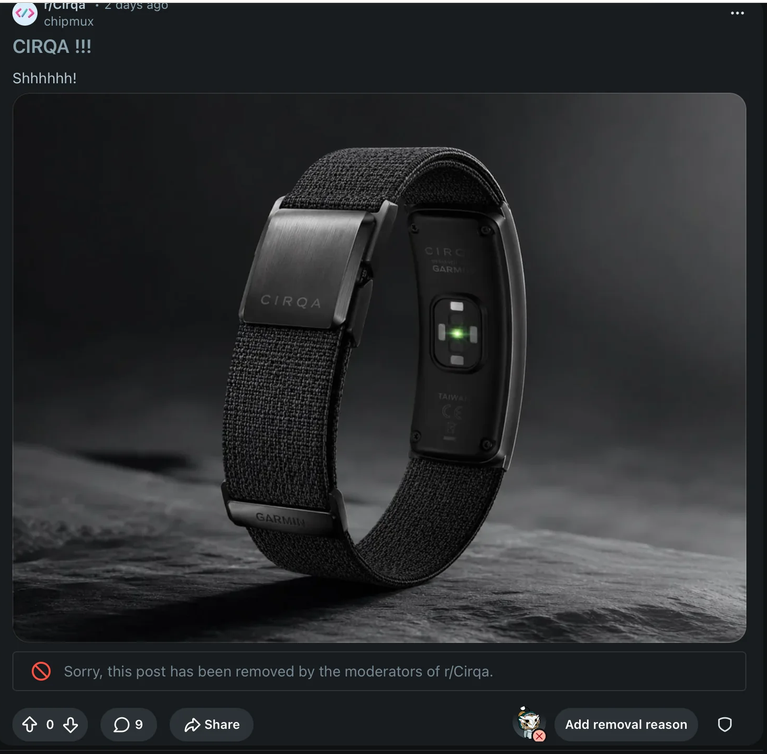
Garmin's imminent CIRQA launch represents a critical market inflection point for e-commerce sellers in the $2.1B+ global wearables recovery segment. The screenless smart band, priced at $199.99 USD (£179.99 UK, €199.99 Eurozone, CA$279.99 Canada), directly challenges Whoop's subscription-based recovery strap and budget trackers like Fitbit Air. With eight confirmed SKU variants across two sizes (SM: 120-200mm, L/XL: 145-240mm wrists) and dual color options (black, French Gray), Garmin's coordinated global launch strategy—evidenced by trademark filings (USPTO application 99670310, February 25, 2024) and international protection extensions to Canada and EU (June 2024)—signals aggressive market penetration across 15 localized pricing markets.
AI-powered competitive intelligence reveals critical seller opportunities. The device's advanced sensor suite (HRV, respiratory rate, pulse oximetry, skin temperature, and potential EDA sensors for stress tracking) positions CIRQA as a premium recovery tool without display distractions. Sellers can leverage AI-driven product research tools to identify complementary accessory categories: protective bands, charging solutions, and app-integrated wellness content. The absence of built-in GPS creates ecosystem lock-in opportunities—sellers can bundle CIRQA with Garmin Connect app integrations and smartphone pairing solutions. Automated pricing optimization algorithms should monitor the $199.99 price point across 15 markets to identify arbitrage opportunities and regional demand elasticity.
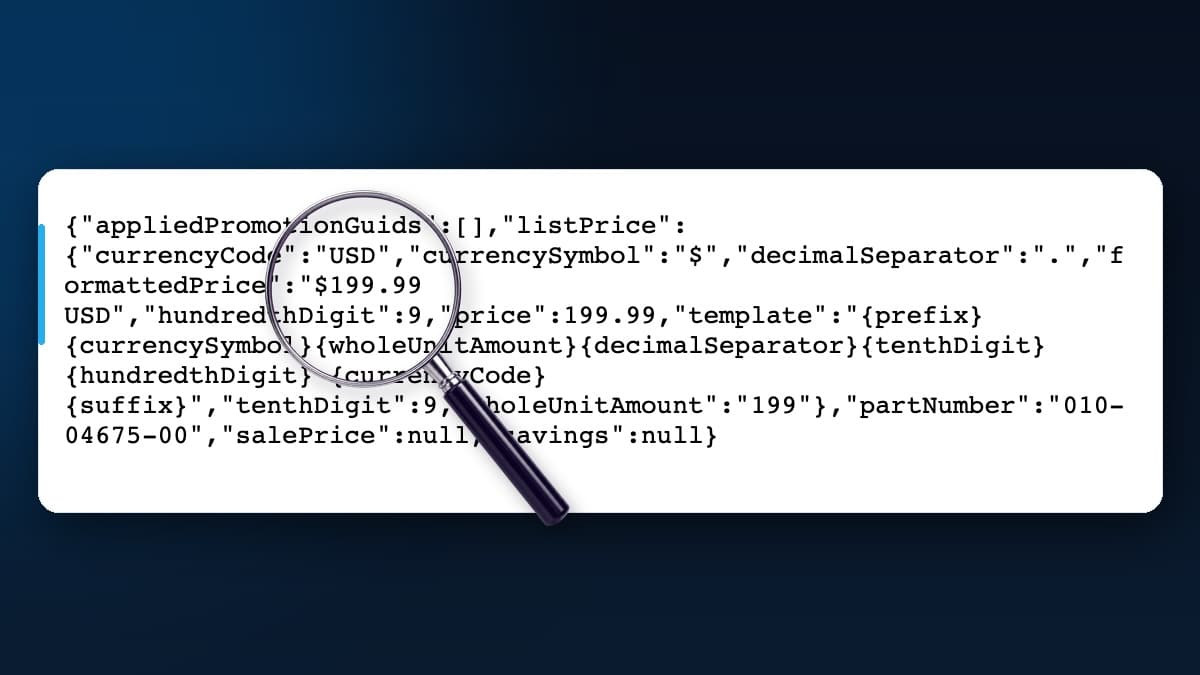
Immediate automation wins for sellers include dynamic inventory allocation and predictive demand modeling. The July 2024 e-commerce backend leak revealing live pricing data demonstrates Garmin's advanced SKU management—sellers should implement similar AI-driven inventory distribution across Amazon, Shopify, and specialty wellness platforms. Machine learning models can predict which size/color combinations will dominate by region (e.g., larger sizes in North America, smaller in Asia-Pacific) and pre-position inventory accordingly. Sentiment analysis tools should monitor Whoop patent defense strategies and competitor product announcements to identify market gaps. The May-June 2024 estimated availability window (now extended based on FCC timeline references) creates a 60-90 day window for sellers to establish category authority through content optimization, review aggregation, and comparison positioning against Whoop ($30/month subscription vs. CIRQA's one-time purchase model).
Strategic seller positioning requires AI-enhanced market segmentation. The recovery and wellness market segment is experiencing 18-22% annual growth, with health-conscious consumers (ages 25-45, household income $75K+) prioritizing stress monitoring and sleep optimization. Sellers should deploy AI chatbots to educate customers on HRV benefits, EDA sensor applications, and ecosystem integration advantages. Dynamic pricing strategies should account for regional willingness-to-pay variations—EU markets may support premium positioning due to wellness trend adoption, while North American markets may require competitive bundling with accessories. Predictive analytics can identify which seller segments (health coaches, fitness influencers, corporate wellness programs) represent highest-value distribution channels.
Questions 8
How should sellers optimize Amazon and Shopify listings for CIRQA launch?
Sellers should implement AI-powered content optimization focusing on health metrics differentiation: HRV benefits, EDA stress tracking, respiratory rate monitoring, and ecosystem integration advantages. Amazon A+ content should include comparison tables positioning CIRQA against Whoop ($199.99 one-time vs. $30/month), Fitbit Air, and other screenless trackers. Shopify sellers should deploy AI chatbots answering technical questions about sensor accuracy, battery life, and Garmin Connect integration. Dynamic keyword optimization should target long-tail searches: 'screenless fitness tracker without subscription,' 'HRV monitoring band,' 'stress tracking wearable,' and 'Whoop alternative.' Review aggregation and sentiment analysis tools should monitor early customer feedback on sensor accuracy, app functionality, and battery performance. Sellers should prepare for high search volume during launch window (May-June 2024) by pre-optimizing listings and securing PPC budget allocation for competitive keywords.
What is Garmin CIRQA and how does it compete with Whoop?
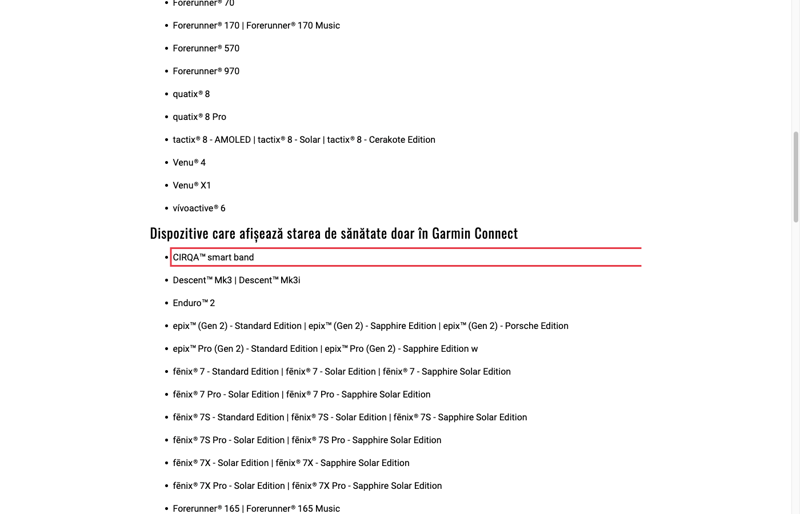
Garmin CIRQA is a $199.99 screenless recovery band featuring advanced health sensors (HRV, respiratory rate, pulse oximetry, skin temperature, and potential EDA sensors) that directly competes with Whoop's $30/month subscription-based recovery strap. Unlike Whoop's recurring revenue model, CIRQA offers a one-time purchase price point, making it accessible to price-sensitive wellness consumers. The device relies entirely on the Garmin Connect app for data visualization, prioritizing extended battery life and distraction-free monitoring. Sellers should position CIRQA as a premium alternative for consumers seeking comprehensive recovery metrics without subscription commitments, targeting health coaches, fitness enthusiasts, and corporate wellness programs.