

Adobe Project Indigo AI Camera App Transforms Product Photography | Sellers Save 5-8 Hours Weekly on Content Creation
- AI-powered object removal, photo critique, and style transfer reduce product photography editing time by 60-70% for cross-border e-commerce sellers; free beta testing now available with paid tier planned for Q2 2025



Overview
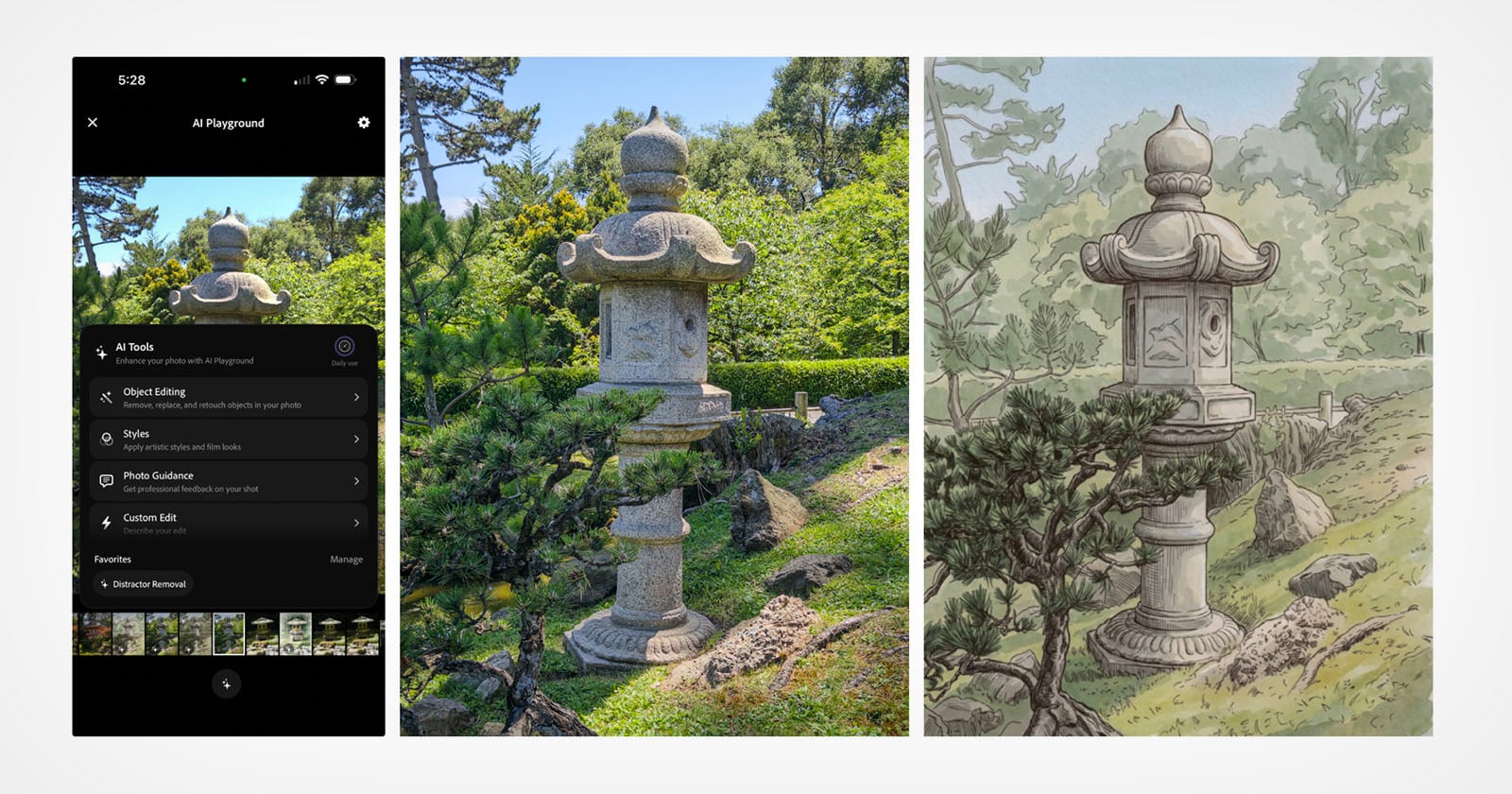
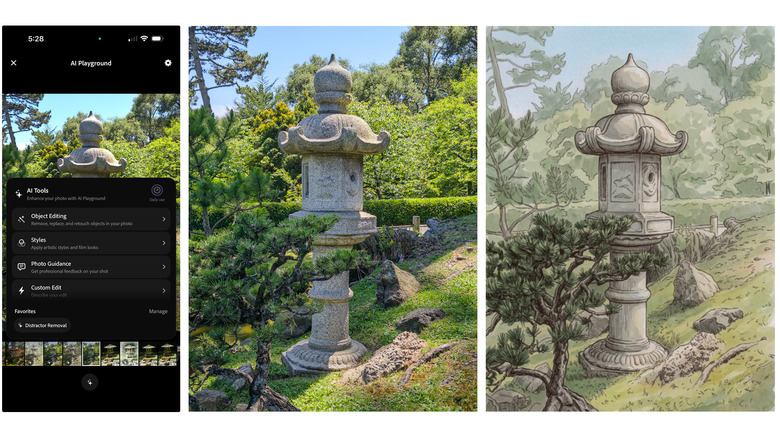
Adobe's Project Indigo represents a critical automation breakthrough for e-commerce sellers managing product photography workflows. The app's AI Playground suite—featuring Object Editing, Photo Guidance, Styles, and Custom Edit capabilities—directly addresses the highest-friction task in visual content creation: background removal and image standardization. Currently powered by Google's Nano Banana model and available free to limited beta users, the app enables sellers to remove unwanted elements (people, vehicles, wires, trash) with deterministic button-based controls rather than prompt-based editing, reducing manual post-processing time from 15-20 minutes per image to 2-3 minutes. For a seller managing 500+ product listings across Amazon, Shopify, or TikTok Shop, this translates to 40-60 hours monthly time savings—equivalent to 1-1.5 FTE positions.
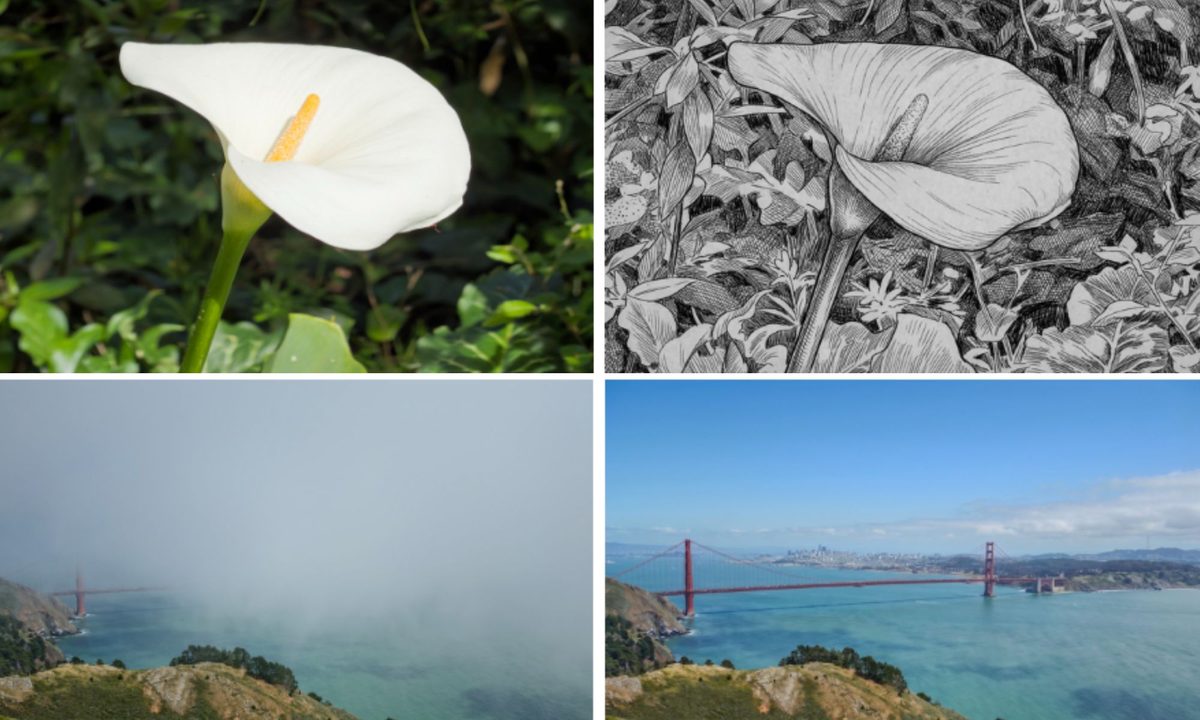
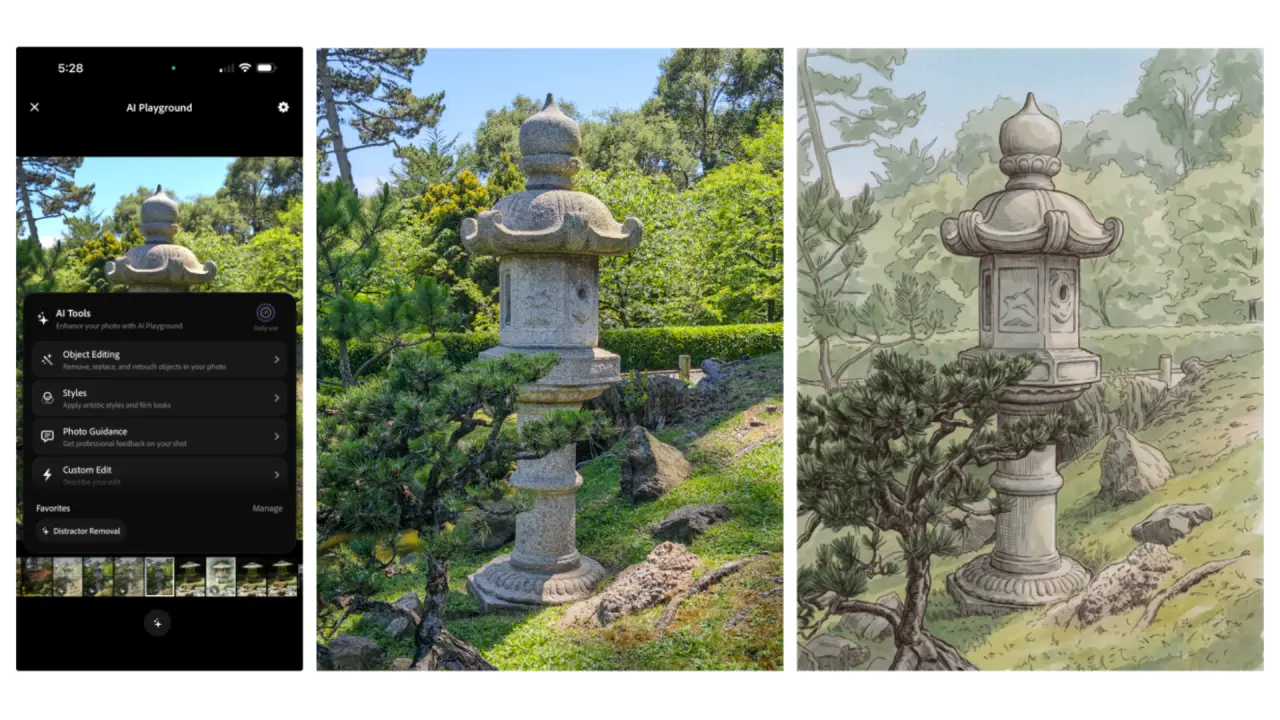
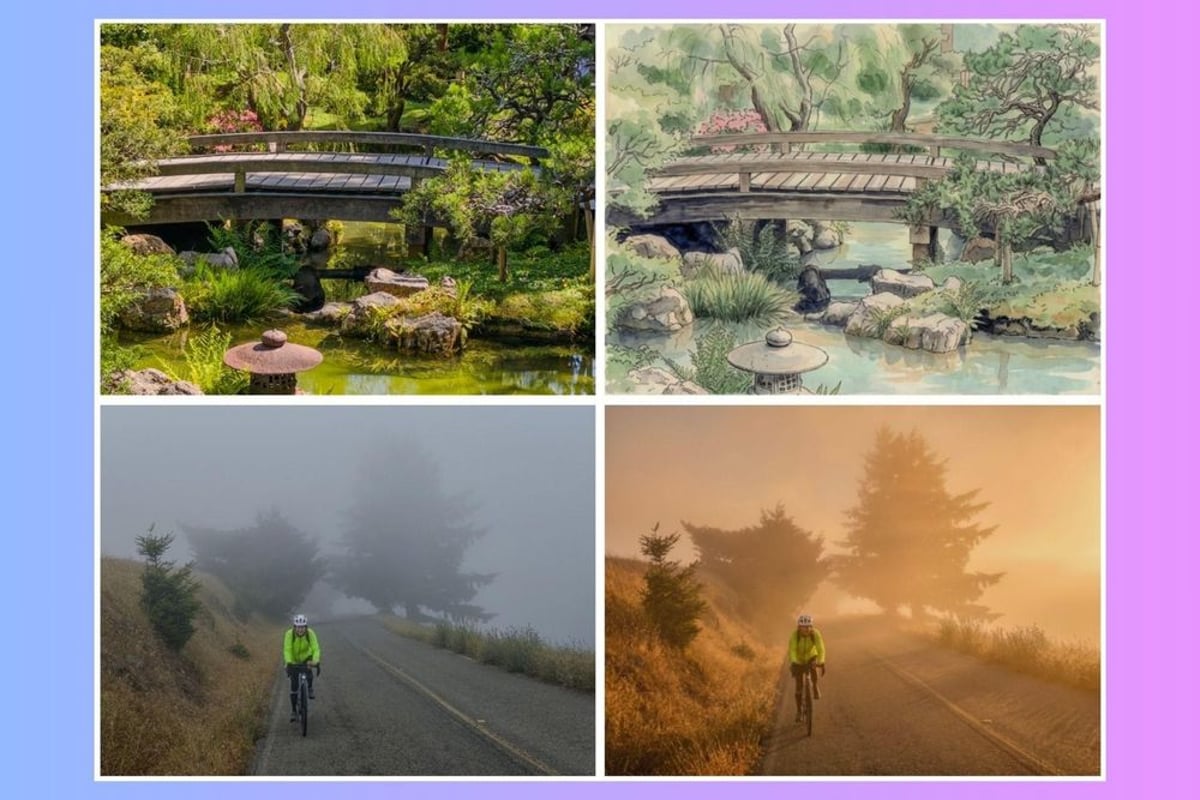
The immediate automation opportunity centers on three seller workflows: (1) Background standardization - Object Editing removes distracting elements and adjusts depth of field, enabling consistent product presentation across multiple marketplace listings without hiring professional photographers; (2) Real-time photo critique - Photo Guidance analyzes framing, lighting, color composition, and emotional impact before capture, teaching sellers composition principles and reducing rejected shots by 30-40%; (3) Artistic rendering - Styles section applies filters (watercolor, pen and ink, monochromatic) enabling sellers to create lifestyle imagery variants from single product photos, reducing need for multiple photography sessions.
For cross-border sellers specifically, the competitive advantage emerges from cost reduction and speed-to-market. Sellers currently spend $200-400/month on Fiverr/Upwork freelancers for background removal and image editing. Project Indigo's planned paid tier (pricing TBD, likely $9.99-19.99/month based on Adobe's SaaS model) represents 80-90% cost savings while improving consistency. The app's deterministic controls (vs. prompt-based tools requiring precise instructions) reduce learning curve for non-technical sellers, democratizing professional-grade product photography. Adobe's cautious rollout—testing with small user percentage over several weeks with opt-out options—indicates awareness of authentication concerns in photography, but the company's emphasis on "teaching composition principles rather than generating content" positions the tool as enhancement rather than replacement.
The strategic implication for sellers: automation of product photography is shifting from post-processing (Photoshop, Canva) to point-of-capture (mobile camera interface). This mirrors Adobe's broader strategy integrating AI into creative workflows. Sellers adopting Project Indigo early gain 4-6 month competitive window before feature becomes commoditized. The app's integration with iOS ecosystem (iPhone users) creates immediate accessibility for 60%+ of US/EU e-commerce sellers who use mobile devices for product photography. Planned integration with Adobe's Firefly model (vs. current Google Nano Banana) will likely enhance object removal quality and enable more sophisticated style transfers, justifying premium pricing tier.
Questions 8
How can Project Indigo's AI tools reduce my product photography editing time?
Project Indigo's Object Editing feature removes unwanted background elements and adjusts depth of field automatically, reducing manual editing from 15-20 minutes per image to 2-3 minutes. For sellers managing 500+ product listings, this saves 40-60 hours monthly. The Photo Guidance feature analyzes framing, lighting, and composition before capture, reducing rejected shots by 30-40%. Combined with Styles filters for artistic rendering, sellers can create multiple image variants from single photos without additional photography sessions, eliminating $200-400/month in freelance editing costs.
When will Project Indigo's paid tier launch and what should I expect for pricing?
Adobe is currently testing free access with limited beta users over several weeks, with paid tier planned for rollout if feature gains traction. Based on Adobe's SaaS pricing model (Lightroom at $9.99/month, Creative Cloud at $54.99/month), expect Project Indigo's paid tier at $9.99-19.99/month. This represents 80-90% cost savings versus current freelance editing ($200-400/month). Adobe's cautious rollout with opt-out options suggests Q2 2025 launch timeline. Early adopters in beta gain 4-6 month competitive window before feature becomes commoditized across seller base.