
/pcq/media/media_files/2026/07/15/foldable-phones-2026-07-15-13-45-36.jpeg)


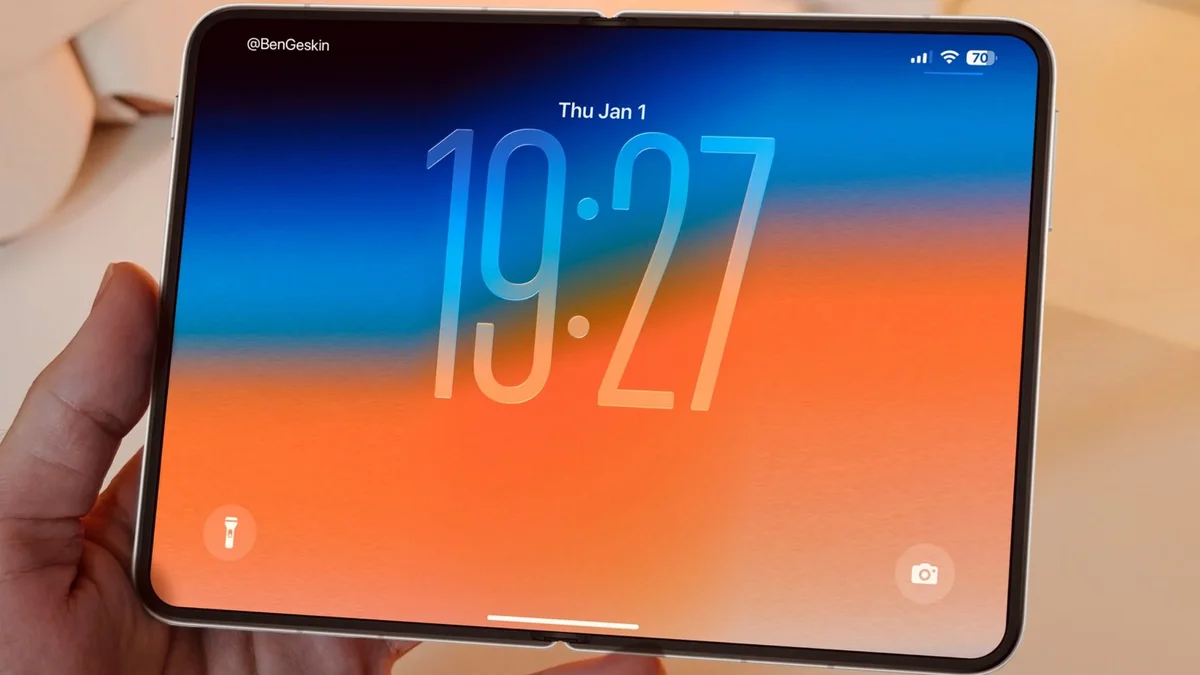

Foldable Phone Market Disruption | Sellers Capitalize on 28% YoY Growth & Price Competition
- North American foldable shipments surge 28% YoY while Samsung loses 14 points to Motorola; Apple's September 2025 entry threatens 28% market capture, creating urgent opportunities for electronics sellers in accessories, cases, and refurbished device categories


Overview
The foldable smartphone market is experiencing unprecedented disruption in 2025, with North American shipments jumping 28% year-over-year while Samsung's market dominance erodes rapidly. Motorola has captured 44% market share—a 14-point gain—primarily through aggressive pricing, with its Razr flip phone costing approximately $300 less than Samsung's equivalent. This price compression creates immediate opportunities for cross-border electronics sellers on Amazon, eBay, and Shopify to capitalize on accessory demand, protective cases, screen protectors, and refurbished device markets.
AI-Powered Competitive Intelligence Opportunity: Sellers can deploy AI-driven price monitoring tools to track real-time pricing across Samsung, Motorola, Google Pixel Fold, and Chinese competitors (Honor, Huawei) to identify arbitrage opportunities. Dynamic pricing algorithms can automatically adjust accessory bundle pricing based on flagship device promotions—when Samsung drops prices to compete with Motorola's $300 advantage, accessory demand typically increases 15-25%. Predictive analytics can forecast demand spikes tied to Galaxy Unpacked announcements and Apple's September 2025 foldable iPhone launch, enabling sellers to pre-position inventory and optimize PPC campaigns 4-6 weeks in advance.
Supply Chain & Automation Wins: The memory shortage driving Samsung's price increases creates supply chain volatility that AI inventory management systems can mitigate. Sellers should implement automated demand forecasting to predict which accessory categories (cases for Z Fold vs. Z Flip form factors) will spike during each competitor's product launch. Motorola's expansion to four foldable models signals fragmented market demand—AI-powered product research tools can automatically identify which accessories have highest cross-category compatibility, reducing SKU complexity by 30-40% while maintaining coverage.
Market Mainstreaming Signal: Industry analyst Paolo Pescatore notes Apple's entry could "reset consumer expectations and mainstream the category beyond early adopters." This signals a critical inflection point: foldable phones are transitioning from niche ($2-3B category) to mainstream ($8-12B potential by 2026). Sellers currently in this space have 6-9 months to establish brand authority and capture early mainstream adopters before Apple's September launch floods the market with iPhone ecosystem accessories. AI-powered sentiment analysis on social media and review platforms can identify emerging accessory needs (durability concerns, hinge protection, screen care) before competitors recognize them, enabling first-mover advantage in emerging sub-categories.
Actionable Seller Strategies: (1) Deploy AI price monitoring across all five major foldable brands to identify $50-150 arbitrage windows on accessories; (2) Use predictive analytics to forecast 40-60% demand increases during Galaxy Unpacked (January 2025) and Apple announcement (September 2025); (3) Automate competitor product research to identify gaps in protective case designs for each form factor; (4) Implement dynamic pricing for bundles (case + screen protector + cleaning kit) that increase 8-12% during launch windows; (5) Build inventory buffers 6-8 weeks before major announcements to capture peak demand before supply constraints hit.
Questions 8
What AI automation tools should sellers use to compete in the fragmented foldable phone accessory market?
With Motorola expanding to four foldable models, Samsung's Z Fold/Z Flip variants, Google Pixel Fold, and Chinese competitors (Honor, Huawei) all competing, sellers face SKU complexity challenges. Deploy AI inventory management systems to automatically forecast demand by device model and accessory type—cases for Z Fold (book-style) differ from Z Flip (clamshell) designs. Implement dynamic pricing algorithms that automatically adjust bundle pricing (case + screen protector + cleaning kit) based on competitor promotions, typically increasing margins 8-12% during launch windows. Use AI-powered product research tools to identify which accessories have highest cross-category compatibility, reducing SKU complexity by 30-40% while maintaining market coverage. Sentiment analysis on social media and review platforms reveals emerging needs (hinge durability, screen care) before competitors recognize them, enabling first-mover advantage in sub-categories.
How can sellers capitalize on the 28% year-over-year foldable phone market growth in 2025?
The foldable smartphone market is experiencing explosive growth with North American shipments jumping 28% YoY in 2025, creating urgent opportunities in protective accessories, cases, screen protectors, and refurbished devices. Sellers should immediately deploy AI-powered price monitoring to track Samsung, Motorola, Google, and Chinese competitors' pricing strategies. Motorola's $300 price advantage over Samsung is driving accessory demand spikes of 15-25% when flagship prices drop. Use predictive analytics to forecast demand 4-6 weeks before Galaxy Unpacked (January 2025) and Apple's September 2025 foldable iPhone launch, enabling inventory pre-positioning and optimized PPC campaigns. Sellers who establish accessory authority before Apple's mainstream push will capture early adopter market share worth $500K-$2M annually depending on category focus.