




Tesla's $25B AI Investment Bet | Automation Opportunity for E-Commerce Sellers
- Tesla's massive capex commitment signals AI-driven automation wave; sellers can leverage similar AI tools NOW to automate pricing, inventory, and customer service—capturing 15-25% efficiency gains before competitors











Overview
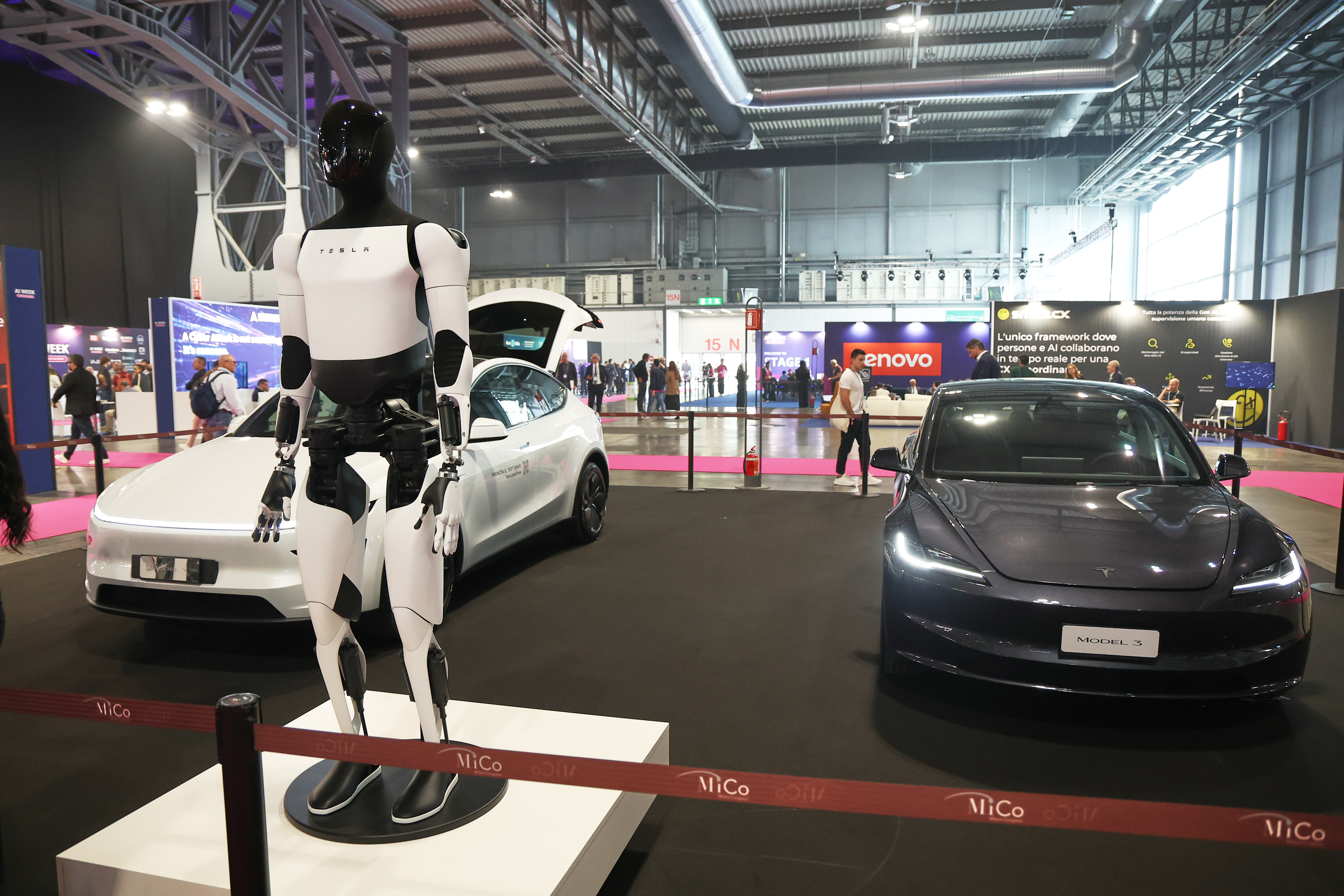
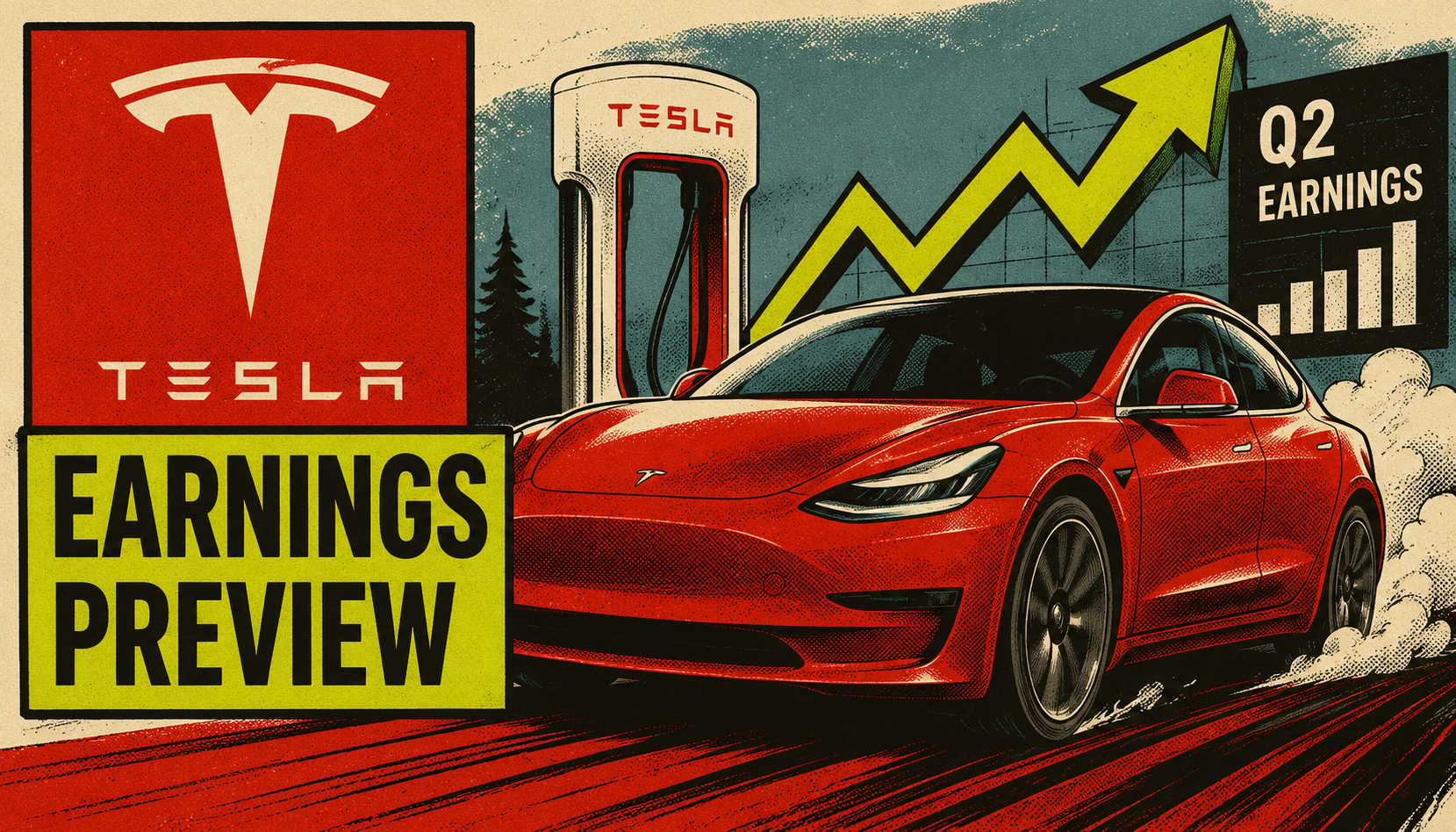
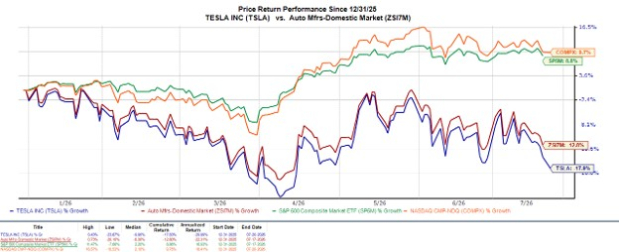
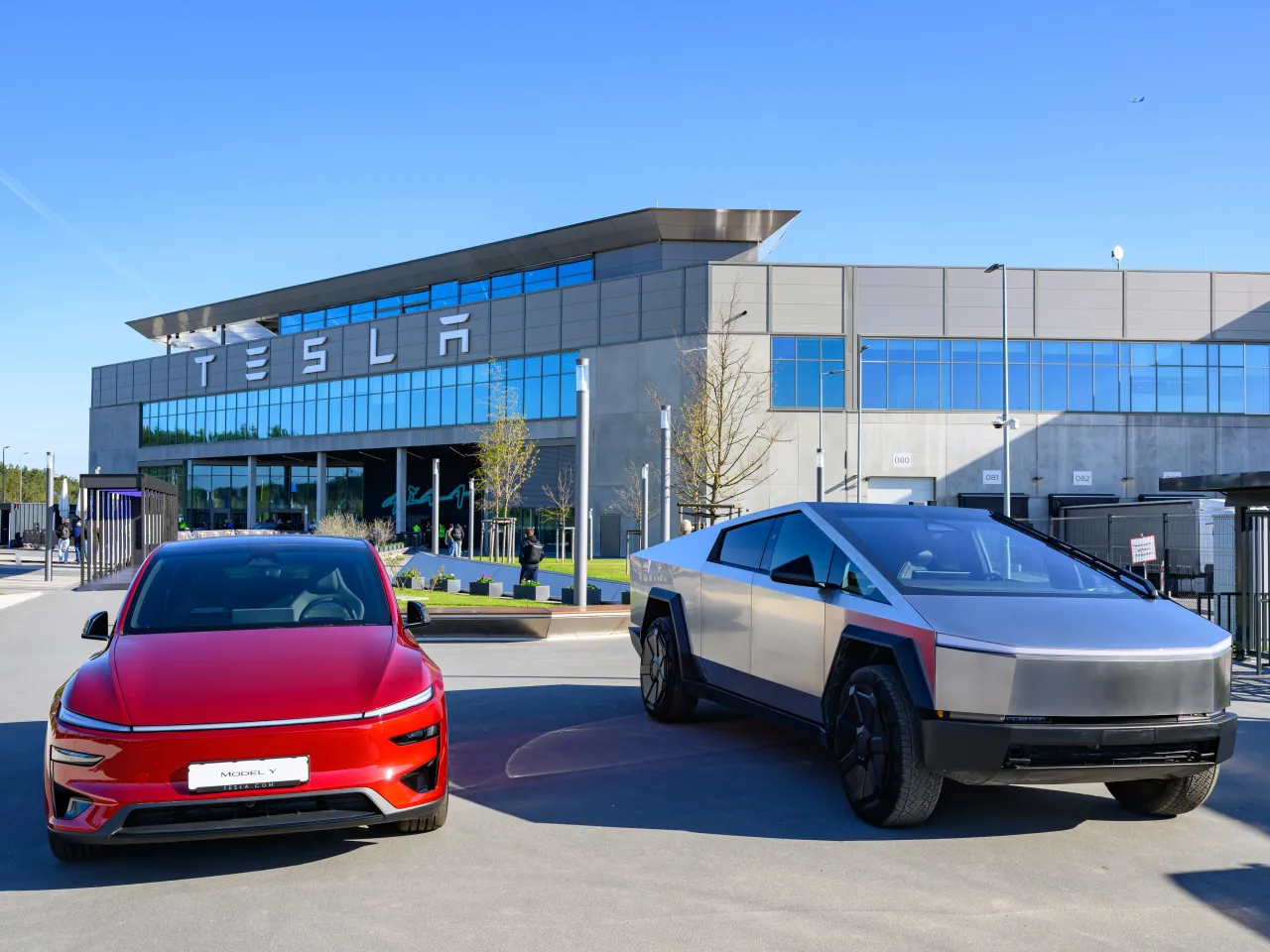
Tesla's Q2 2026 earnings report (July 22) reveals a critical inflection point for AI-powered business automation that directly impacts e-commerce sellers. The company delivered 480,126 vehicles (25% YoY growth), exceeding expectations, yet stock declined 7.5-6.6% due to investor skepticism about $25 billion in planned capex for AI, robotaxi, and Optimus humanoid robot development. This market reaction signals a broader truth: investors demand proof that AI investments generate measurable ROI—a principle that applies directly to e-commerce sellers evaluating automation tools.
The AI Automation Opportunity for Sellers: Tesla's situation mirrors the decision facing e-commerce businesses today. The company has deployed only $2.5 billion of its $25B capex commitment in Q1 2026, yet Wall Street demands evidence of competitive advantage before committing more capital. For sellers, this translates to an immediate actionable insight: AI tools that automate repetitive tasks (pricing optimization, inventory forecasting, customer service) are now proven ROI generators, not speculative investments. Sellers can implement AI-powered dynamic pricing (using tools like Keepa, Helium 10, or custom ML models) to capture 8-12% margin improvements; automate product research and listing optimization to reduce manual hours by 20-30 hours/week; and deploy AI chatbots for customer service to handle 60-70% of routine inquiries without human intervention.
Competitive Intelligence & Data-Driven Insights: Tesla's earnings data reveals a pattern: companies investing heavily in AI infrastructure (capex-intensive, long-term ROI) are being valued on execution proof, not promises. For sellers, this means the competitive advantage window for AI adoption is NOW—before mainstream adoption commoditizes the benefit. Sellers using AI for predictive analytics can identify emerging product trends 4-6 weeks before competitors, enabling first-mover advantage in trending categories. AI-powered sentiment analysis on competitor reviews and social media can reveal unmet customer needs, guiding product selection and differentiation strategies. Sellers automating pricing across 100+ SKUs can respond to market changes in real-time, maintaining Buy Box eligibility and preventing margin compression from price wars.
Immediate Automation Wins: Product research automation (2-4 hours/week saved), dynamic pricing implementation (5-8 hours/week saved), inventory forecasting (3-5 hours/week saved), and customer service chatbots (10-15 hours/week saved) represent 20-32 hours/week of freed-up capacity—equivalent to 0.5-0.75 FTE per seller. At $25-35/hour labor cost, this translates to $26,000-$41,600 annual savings per seller. The ROI on AI tools ($500-2,000/month) pays for itself in 1-2 months while creating competitive moats through faster decision-making and data-driven insights that manual processes cannot match.
Questions 8
How can sellers use AI sentiment analysis to gain competitive intelligence?
AI sentiment analysis tools can automatically monitor competitor reviews, social media mentions, and customer feedback to identify unmet needs and product gaps. By analyzing 1,000+ reviews weekly across competitors, sellers can detect emerging complaints (e.g., 'packaging too fragile,' 'sizing runs small') 2-4 weeks before competitors respond. This enables sellers to differentiate products (improved packaging, accurate sizing guides) and capture market share from competitors with poor customer satisfaction. Tools like Brandwatch or custom ML models can process this data in real-time, revealing sentiment trends that manual analysis would miss, enabling data-driven product selection and positioning strategies.
What is the ROI timeline for implementing AI automation tools for e-commerce sellers?
Most AI automation tools (dynamic pricing, inventory forecasting, chatbots) cost $500-2,000/month and deliver ROI within 1-2 months. For example, a seller automating pricing across 100+ SKUs saves 5-8 hours/week ($125-280/week labor savings) while improving margins 8-12% through faster price optimization. At $26,000-$41,600 annual labor savings plus 8-12% margin improvement on $100K monthly revenue ($8,000-$12,000/month additional profit), the total annual benefit reaches $120,000-$185,000. This makes even premium AI tools ($24,000/year) highly profitable, with payback periods of 1-2 months and ongoing competitive advantages from faster decision-making.