





AI Policy Uncertainty Threatens E-Commerce Seller Tools | CAISI Leadership Crisis
- Leadership instability at Commerce Department's AI safety agency creates regulatory vacuum affecting seller access to AI-powered automation tools; policy direction unclear through 2026












Overview
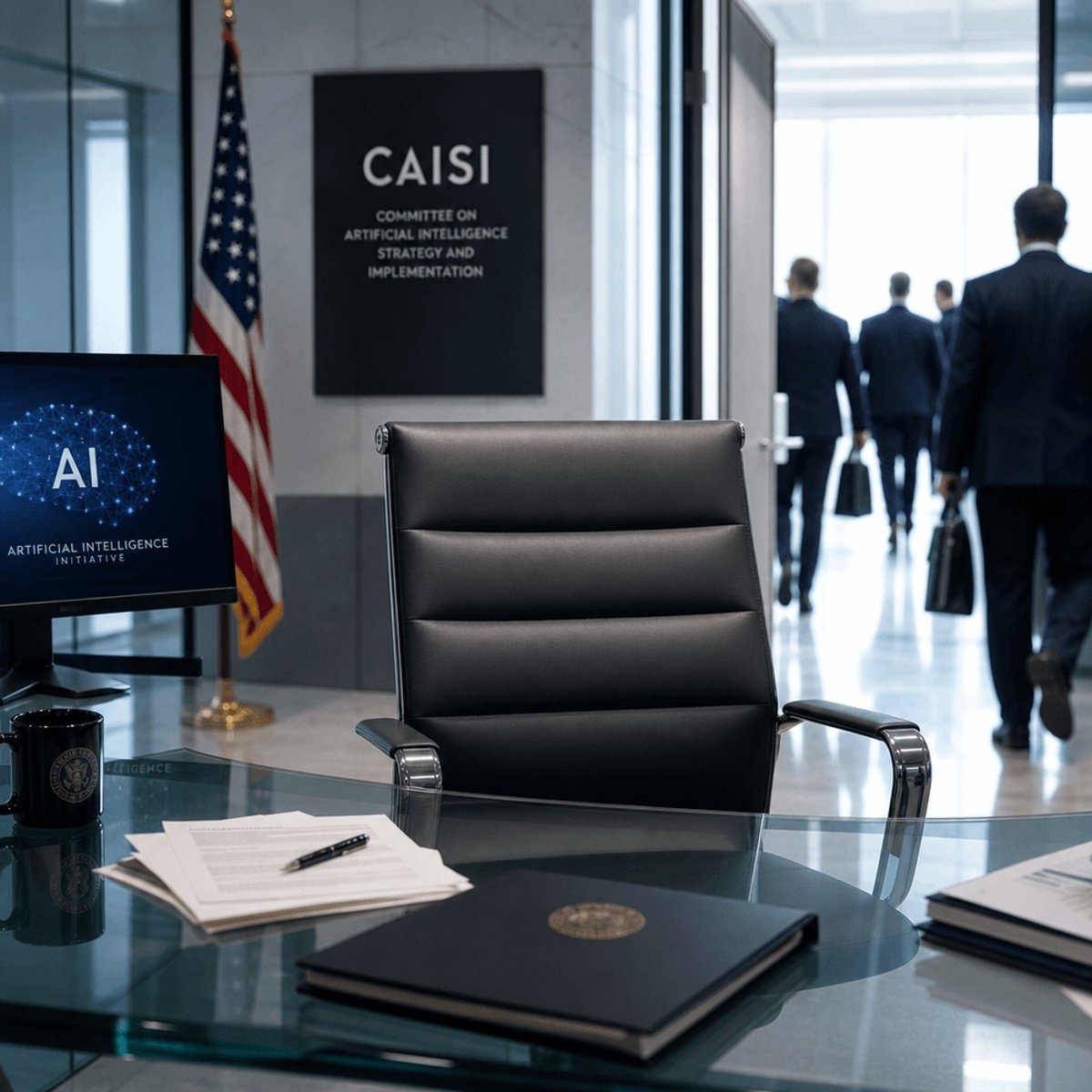
The resignation of Chris Fall as director of the Commerce Department's Center for AI Standards and Innovation (CAISI) on July 20, 2026—just three months into his tenure—signals deepening policy instability that directly threatens e-commerce sellers' access to AI-powered business tools. Fall's departure marks the second major leadership change in Trump's AI policy apparatus (following David Sacks' March 2026 exit), creating a regulatory vacuum precisely when sellers depend on AI for competitive advantage in product research, pricing optimization, and customer service automation.
The immediate impact on sellers is operational uncertainty. CAISI serves as the primary government testing hub for commercial AI systems and the key liaison between federal agencies and AI companies like OpenAI and Anthropic. With Dr. Arvind Raman now serving as acting director while maintaining NIST responsibilities, the organization faces bandwidth constraints during critical policy development. The Commerce Department's June 2026 export controls on Anthropic—which Fall negotiated to resolve—demonstrate how leadership transitions directly affect seller access to frontier AI models. Sellers relying on Anthropic's models for product recommendations, dynamic pricing, and inventory forecasting faced temporary access restrictions that could resume if policy direction shifts again.
The regulatory framework governing AI tool access remains in flux. The Trump administration's June 2026 executive order requires voluntary model submissions for government assessment before public release, while Project Gold Eagle controls corporate access to cutting-edge AI models. This creates a two-tier system: sellers with access to unrestricted models gain 15-25% efficiency gains in listing optimization and demand forecasting, while those dependent on restricted models face delays. The leadership vacuum means no clear policy direction on which AI capabilities will remain accessible to e-commerce platforms. Anthropic's temporary restrictions on Fable 5 and Mythos 5 models—which power many seller automation tools—could become permanent if new CAISI leadership prioritizes different safety priorities than Fall's industry-collaborative approach.
For sellers, the strategic implication is immediate action required. Sellers should audit their AI tool dependencies now: identify which tools rely on OpenAI (GPT-5.6 rollout limited to trusted partners) versus Anthropic (subject to export controls) versus open-source alternatives. The 3-6 month timeline for permanent CAISI director appointment means policy could shift significantly. Sellers should diversify AI tool providers, test open-source alternatives like Llama-based solutions, and establish relationships with multiple AI platforms to hedge regulatory risk. The heightened U.S.-China AI competition context (Moonshot AI's Kimi K3 announcement) suggests future policy may restrict access to non-U.S. AI models, making now the critical window to lock in tool access before tighter controls.
Questions 7
How does CAISI leadership change affect my access to AI seller tools?
CAISI's leadership instability directly impacts AI tool availability for sellers. Chris Fall's July 2026 resignation removed the primary industry liaison who negotiated Anthropic's access restoration after June export controls. With acting director Dr. Arvind Raman managing both NIST and CAISI roles, policy decisions on AI model access face delays. Sellers using Anthropic-powered tools (Fable 5, Mythos 5) for pricing optimization and inventory forecasting should immediately audit dependencies and test alternative providers. The 3-6 month timeline for permanent director appointment means policy could shift, potentially restricting access to frontier AI models that power competitive seller advantages.
What is Project Gold Eagle and how does it restrict seller AI tool access?
Project Gold Eagle is a multi-agency White House initiative announced in 2026 that manages cybersecurity vulnerabilities and controls corporate access to cutting-edge AI models. The clearinghouse determines which companies and tools can access frontier AI capabilities, creating a gating mechanism for seller automation platforms. Recent actions include OpenAI's agreement to limit GPT-5.6 rollout to trusted partners and Anthropic's temporary model access restrictions. Sellers should expect continued access controls through 2026-2027, with potential expansion if new CAISI leadership prioritizes security over industry collaboration. Diversifying across multiple AI providers (OpenAI, Anthropic, open-source alternatives) reduces regulatory risk.