



Pharmaceutical False Advertising Precedent | Lanham Act Enforcement Tightens for Health Product Sellers
- Novo's July 2025 lawsuit establishes stricter comparative claim standards; affects 50K+ health supplement sellers using clinical data in ads





































Overview
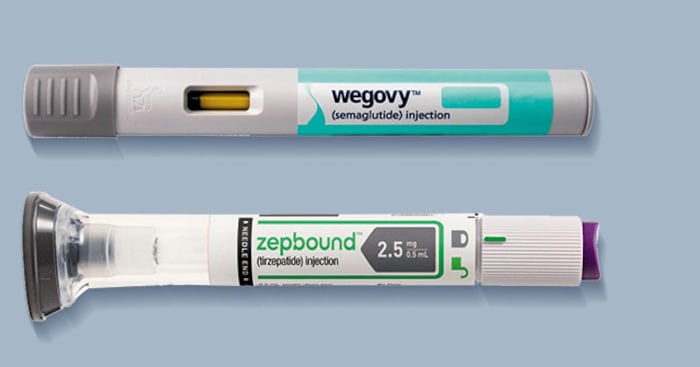
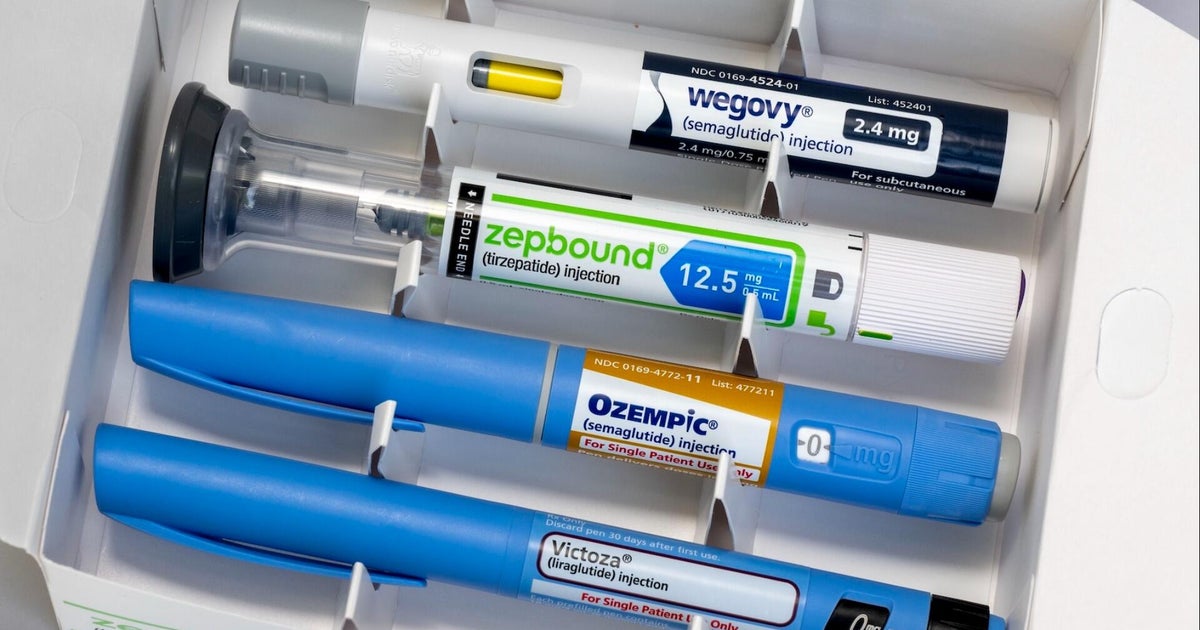
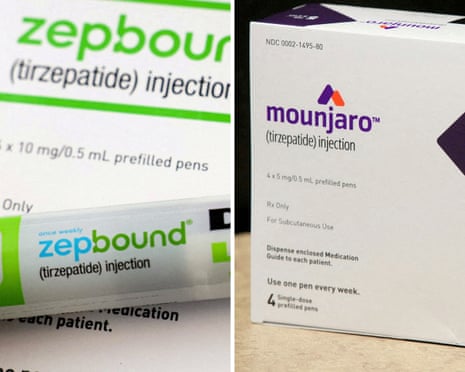
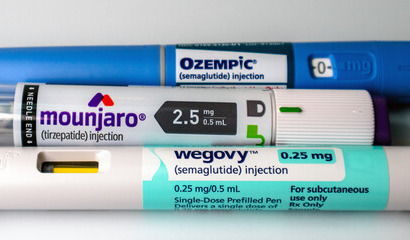
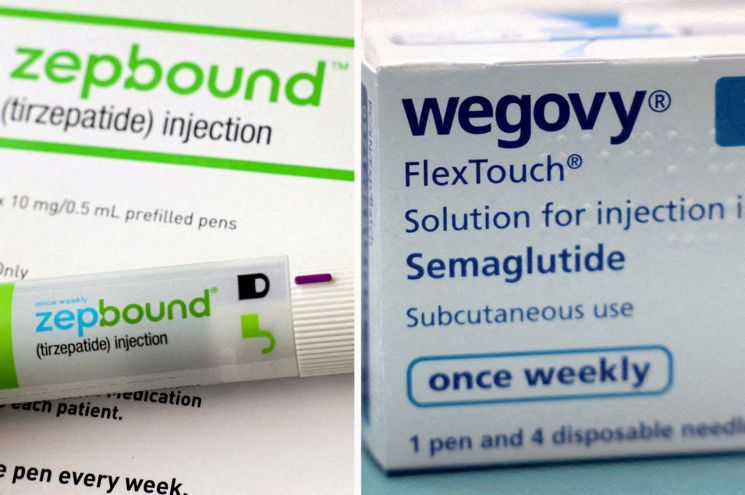
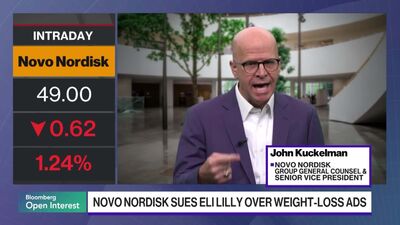
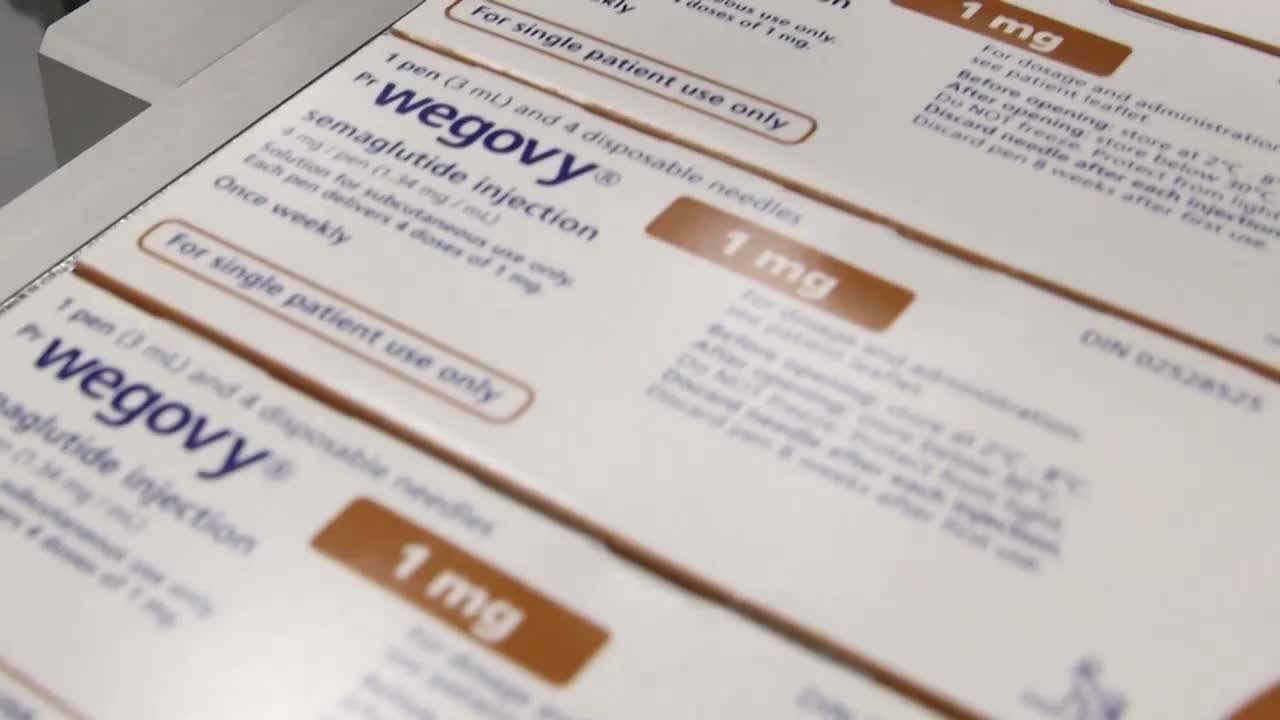
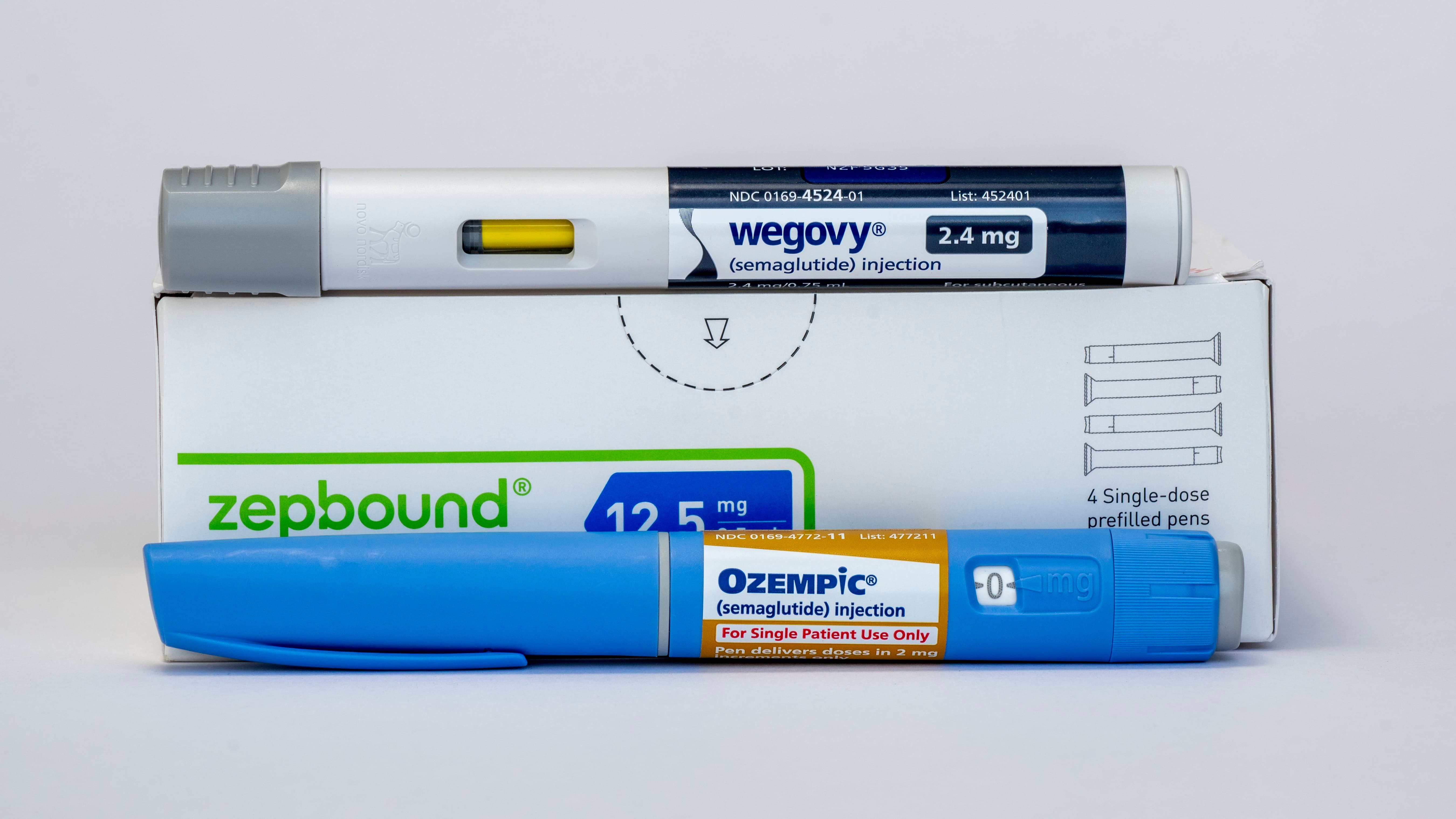
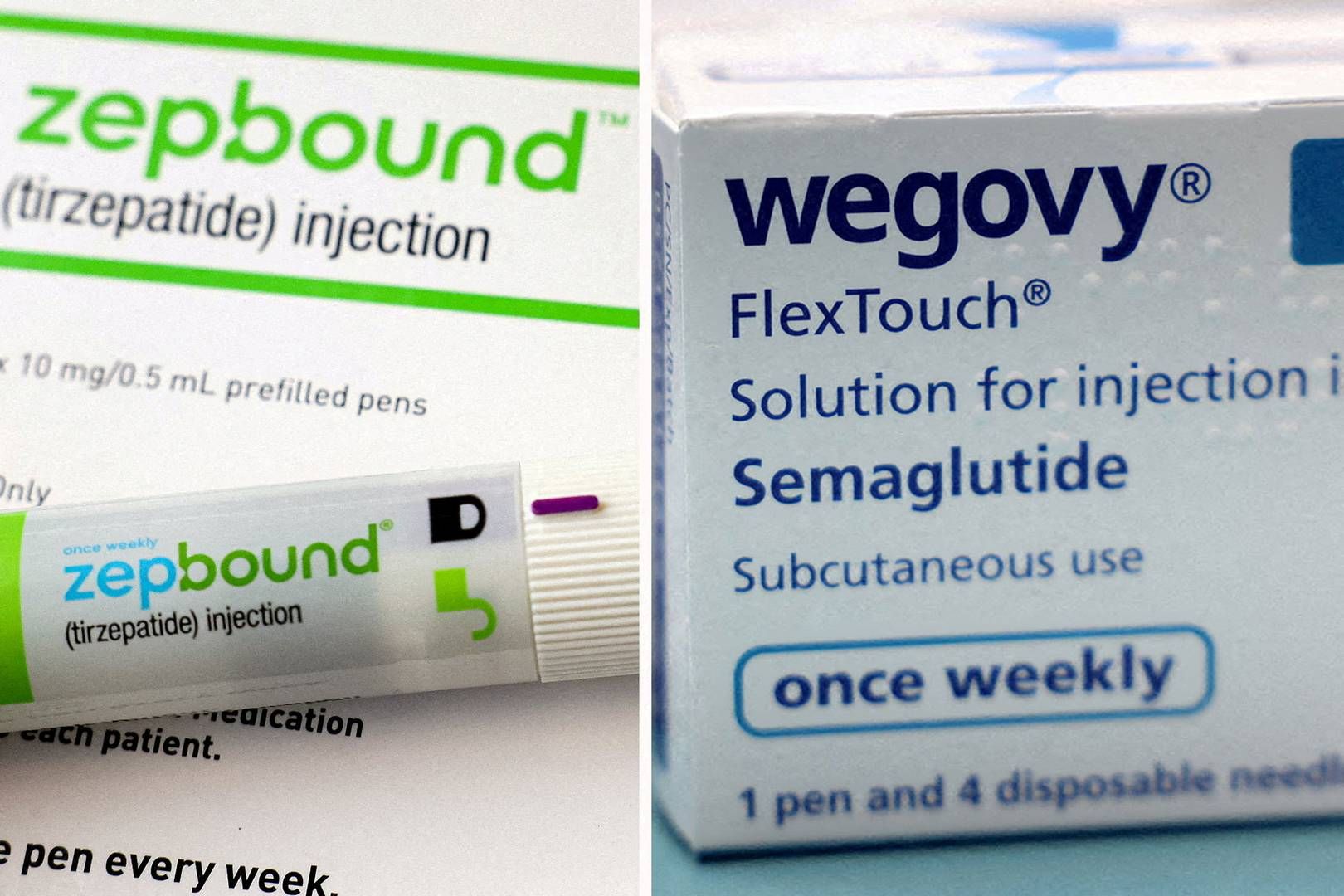
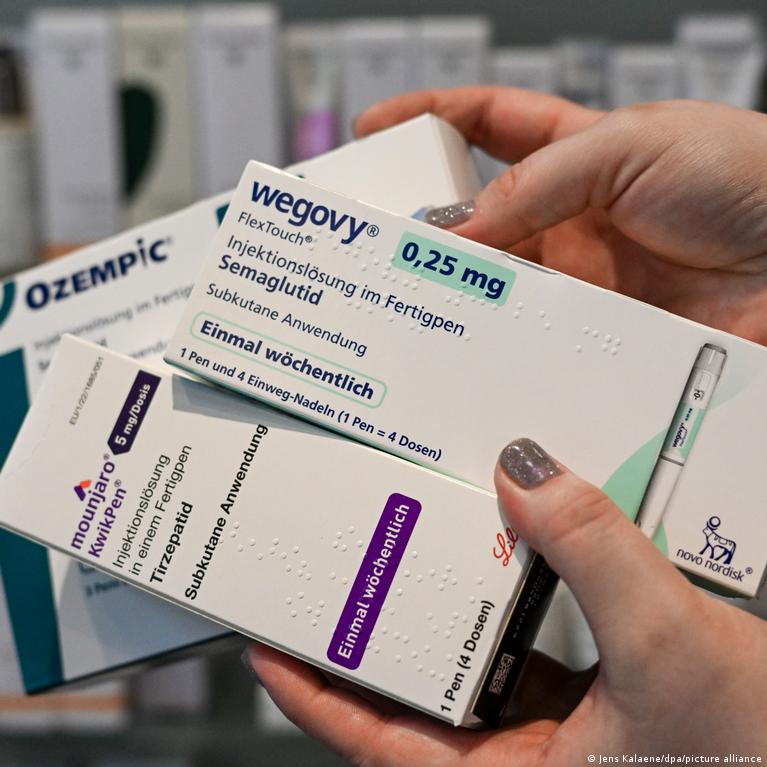
Novo Nordisk's landmark false advertising lawsuit against Eli Lilly (filed July 21, 2025, U.S. District Court, New Jersey) establishes critical precedent for how pharmaceutical and health product companies can present comparative efficacy claims in consumer-facing advertising. The case centers on Lilly's Zepbound television commercials claiming 50 pounds of weight loss versus Novo's Wegovy at 33 pounds—comparisons based on outdated clinical trial data from 2024 that compared Zepbound's highest dose (10-15 mg) against Wegovy's lower dose (1.7-2.4 mg). Novo argues this is materially misleading because the FDA approved Wegovy's 7.2 mg dose in March 2025, with separate trials showing comparable results (47 pounds vs. Zepbound's 48 pounds at maximum doses). Lilly's modified ad campaign generated over 700 million impressions since April 2025 before the lawsuit.
The regulatory and competitive implications are substantial for e-commerce sellers in health categories. Novo invokes the Lanham Act for federal unfair competition and false advertising claims, arguing that consumers rely on advertising rather than healthcare professional guidance when evaluating GLP-1 treatment options. This legal theory directly applies to Amazon, Shopify, and other platforms where health supplement sellers make comparative efficacy claims. The lawsuit signals that regulatory enforcement will scrutinize: (1) whether comparative data is current and head-to-head at equivalent doses, (2) whether disclaimers about excluded data are sufficiently prominent (Novo alleges Lilly's footnotes are "small and illegible"), and (3) whether sellers selectively present outdated studies to inflate competitive advantage. The U.S. obesity drug market exceeds $100 billion by 2030 projections, making this a high-stakes battleground where marketing claims directly influence consumer purchasing decisions.
For cross-border health product sellers, this case creates immediate compliance obligations. Sellers marketing weight-loss supplements, diabetes management products, or any health category using comparative clinical claims must now: (1) ensure all cited trial data is current and reflects highest approved/available doses, (2) make disclaimers about excluded data clearly visible (not in small footnotes), (3) avoid selective presentation of outdated studies, and (4) maintain documentation proving comparative claims are head-to-head trials at equivalent dosages. The Lanham Act provides for injunctive relief (ad removal), corrective advertising campaigns, and damages including defendant's profits attributable to false ads—creating significant financial exposure. Lilly's defense (that head-to-head trials are the "gold standard" and that it discloses exclusions) may not succeed if courts find the disclosure insufficient or the comparison fundamentally misleading. This precedent will influence how Amazon, eBay, Shopify, and TikTok Shop enforce health product advertising policies, likely requiring sellers to submit clinical documentation before approving comparative claims.
Questions 7
What disclaimer standards must health product sellers follow after this lawsuit?
Novo's lawsuit specifically alleges that Lilly's disclaimers about excluded data are 'small and illegible,' suggesting courts will scrutinize disclaimer prominence and placement. For sellers, this means: (1) disclaimers must be clearly visible and readable (not in fine print or footnotes), (2) disclaimers must explicitly state what data is excluded and why (e.g., 'comparison excludes Competitor's highest-dose formulation approved March 2025'), (3) disclaimers cannot be buried in video captions or end-of-ad text, and (4) sellers must maintain documentation proving all comparative claims are supported by current, equivalent-dose trials. The FTC's Endorsement Guides (16 CFR Part 255) already require clear and conspicuous disclosures, but this case raises the bar for health product categories specifically.
How will this lawsuit affect health product sellers' ability to use clinical trial data in advertising?
The Novo v. Lilly precedent establishes that sellers must: (1) use only current clinical trial data (not studies completed 12+ months ago if newer data exists), (2) ensure trials are head-to-head comparisons at equivalent doses, (3) disclose all relevant trial results, not selectively present favorable data, and (4) update advertising immediately when new FDA approvals or clinical data become available. Sellers cannot rely on older trials if newer, higher-dose formulations have been approved. This significantly restricts the marketing flexibility sellers previously enjoyed. For example, a supplement seller claiming superiority over a competitor must now conduct or cite current head-to-head trials at equivalent dosages, not rely on 2-3 year old studies. Non-compliance risks FTC enforcement, platform removal, and private litigation under the Lanham Act.