



Food Safety Compliance Crisis | Cyclospora Outbreak Drives Produce Traceability Requirements for E-Commerce Sellers
- 1,600+ cases across 42 states trigger FDA enforcement; sellers face new supply chain documentation mandates and liability exposure in fresh produce category








Overview
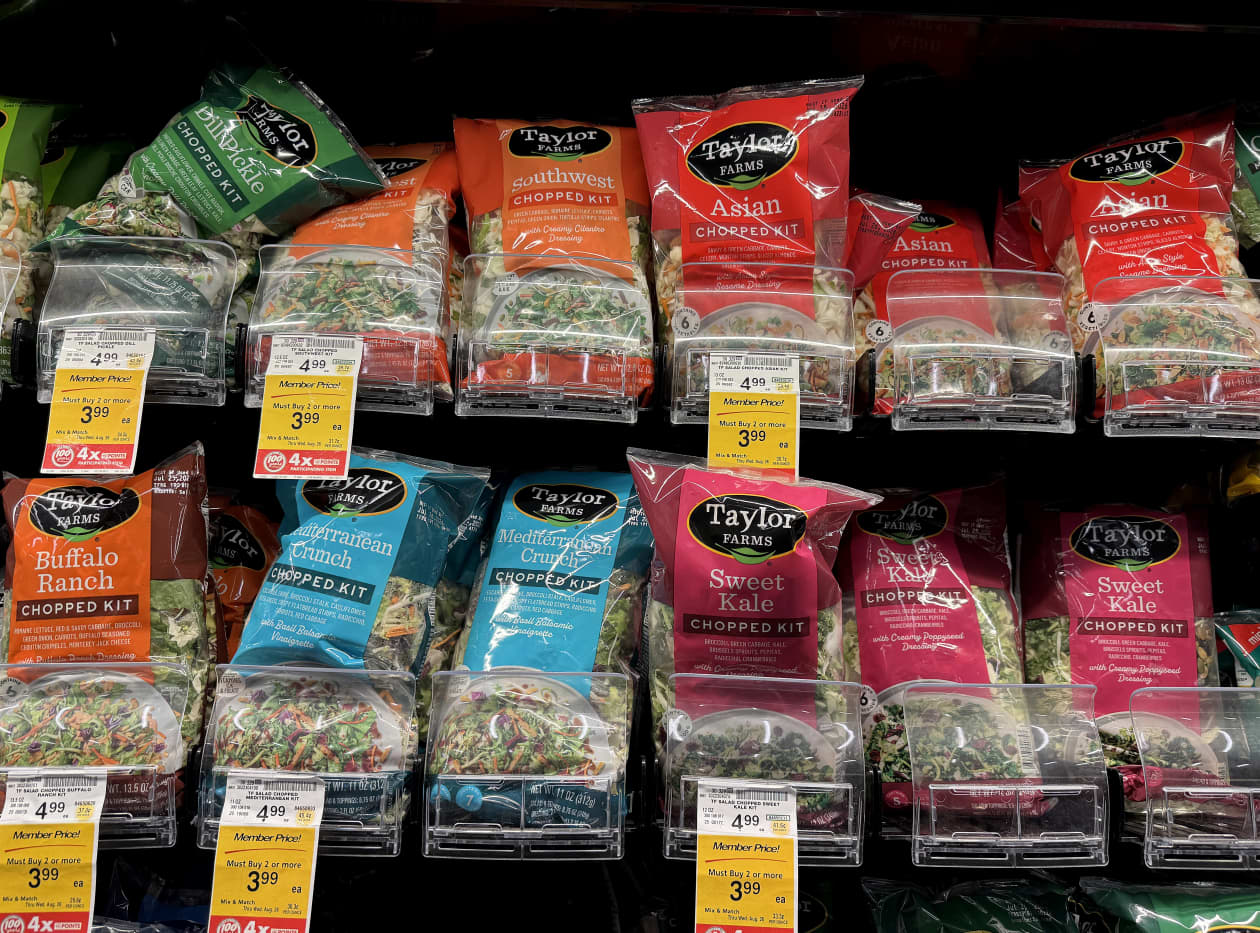
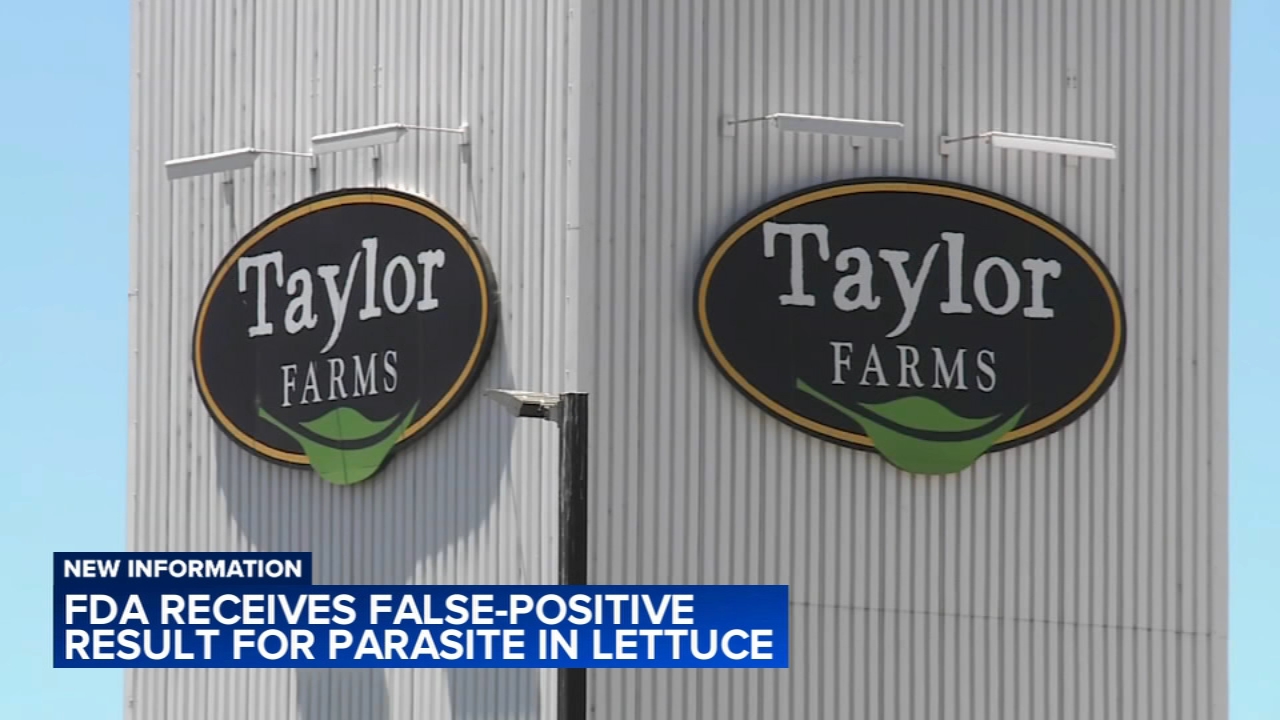
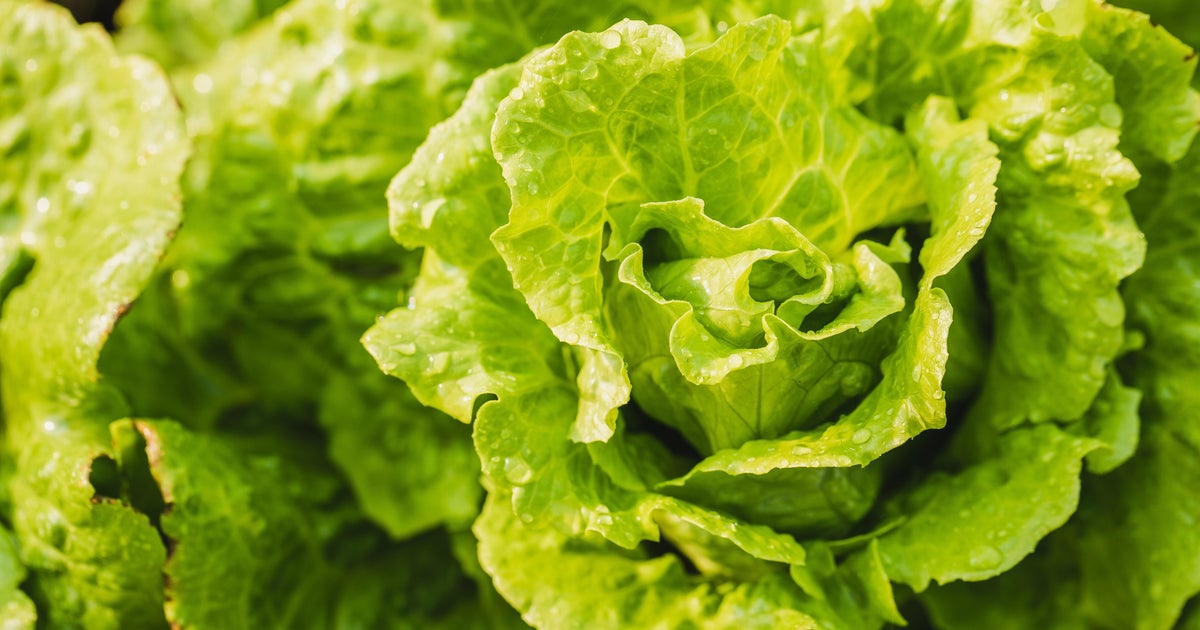
The Cyclospora outbreak affecting 1,600+ consumers across multiple states represents a critical compliance inflection point for e-commerce sellers in the fresh produce category. The FDA's investigation into Taylor Farms' iceberg lettuce—despite retracting the initial positive test on July 20, 2026—demonstrates that regulatory agencies now enforce supply chain traceability standards retroactively, even when laboratory evidence is inconclusive. This creates immediate compliance barriers for sellers sourcing from Mexico's central growing regions and those distributing through major platforms like Walmart and Taco Bell (which received contaminated lettuce across 5 states and 42 total states respectively).
The compliance moat is now crystallizing around supply chain documentation. Sellers must now maintain detailed sourcing records, water quality certifications, and irrigation protocols for all produce sourced from high-risk regions. The FDA's continued investigation despite the false positive indicates that epidemiological evidence alone can trigger recalls—meaning sellers cannot rely solely on laboratory confirmation. This creates a two-tier market: compliant sellers with documented supply chains (estimated 15-25% of small produce sellers) will command premium positioning on Amazon Fresh, Walmart+, and specialty grocery platforms, while non-compliant sellers face delisting risk. The cost of compliance includes third-party audits ($5,000-15,000 per supplier), water testing protocols ($2,000-5,000 quarterly), and enhanced documentation systems ($3,000-8,000 setup).
Category winnowing is accelerating in fresh produce sourcing. Taylor Farms' voluntary cessation of central Mexico sourcing for the remainder of the 2026 growing season eliminates a major supply source, creating immediate opportunities for sellers with alternative sourcing (California, Arizona, domestic suppliers). Sellers currently dependent on Mexican imports face 30-60 day sourcing transitions and potential 8-15% cost increases due to domestic premium pricing. The 94 hospitalizations and consumer hesitancy documented in the outbreak—with residents now checking FDA recall lists before purchase—signals that food safety certifications are becoming purchase decision factors on e-commerce platforms. Sellers can differentiate through visible compliance badges, third-party certifications (SQF, FSSC 22000), and transparent sourcing documentation integrated into product listings.
Questions 8
How does the false positive test result affect seller liability and recall procedures?
The FDA's retraction of the positive test on July 20, 2026 demonstrates that **epidemiological evidence alone can trigger recalls**, regardless of laboratory confirmation. Taylor Farms faced a voluntary recall despite the false positive, indicating sellers cannot rely solely on test results for liability protection. This creates a two-tier liability structure: sellers with documented supply chains and third-party certifications have reduced exposure, while those without documentation face full recall liability and potential lawsuits. The outbreak's 94 hospitalizations and consumer hesitancy (residents now checking FDA recall lists before purchase) signal that sellers must carry product recall insurance ($3,000-8,000 annually) and maintain crisis communication protocols. Document all sourcing decisions and maintain audit trails for regulatory defense.
What sourcing alternatives should sellers pursue given Taylor Farms' Mexico cessation?
Taylor Farms ceased central Mexico sourcing for the remainder of the 2026 growing season, eliminating a major supply source and creating immediate opportunities for sellers with alternative sourcing. Domestic suppliers (California, Arizona) command 8-15% price premiums but offer compliance advantages and reduced outbreak risk. Sellers currently dependent on Mexican imports face 30-60 day sourcing transitions and potential margin compression. Evaluate regional suppliers with existing SQF or FSSC 22000 certifications to accelerate compliance timelines. Consider diversifying across 2-3 suppliers to reduce single-source outbreak risk. Transition planning should begin immediately; delays risk stockouts during peak produce seasons (Q2-Q3).