



Klarna BNPL Expansion Into Device Leasing | Payment Opportunities for Electronics Sellers
- Klarna stock surges 5% on Apple partnership; device leasing market expands beyond traditional financing; sellers gain access to 100M+ Klarna users globally


Overview
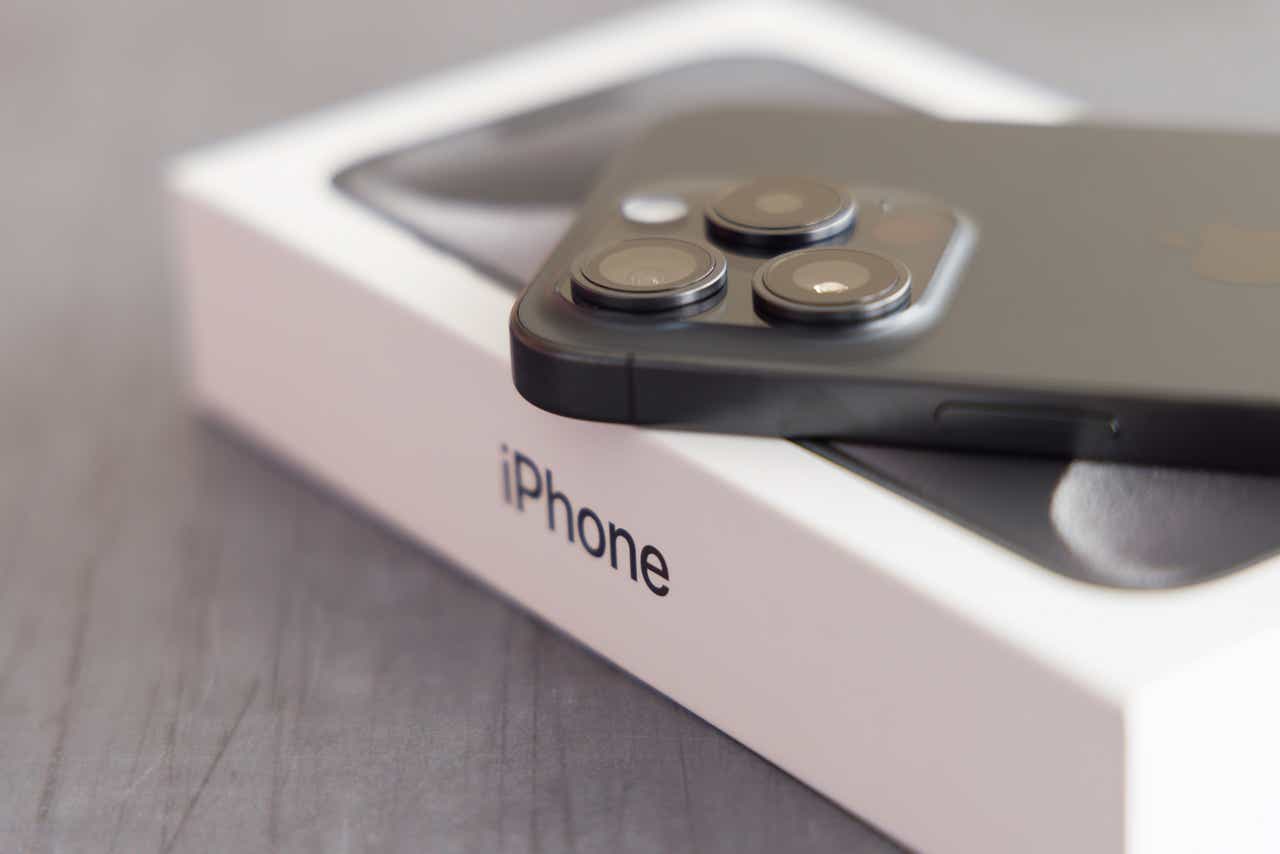
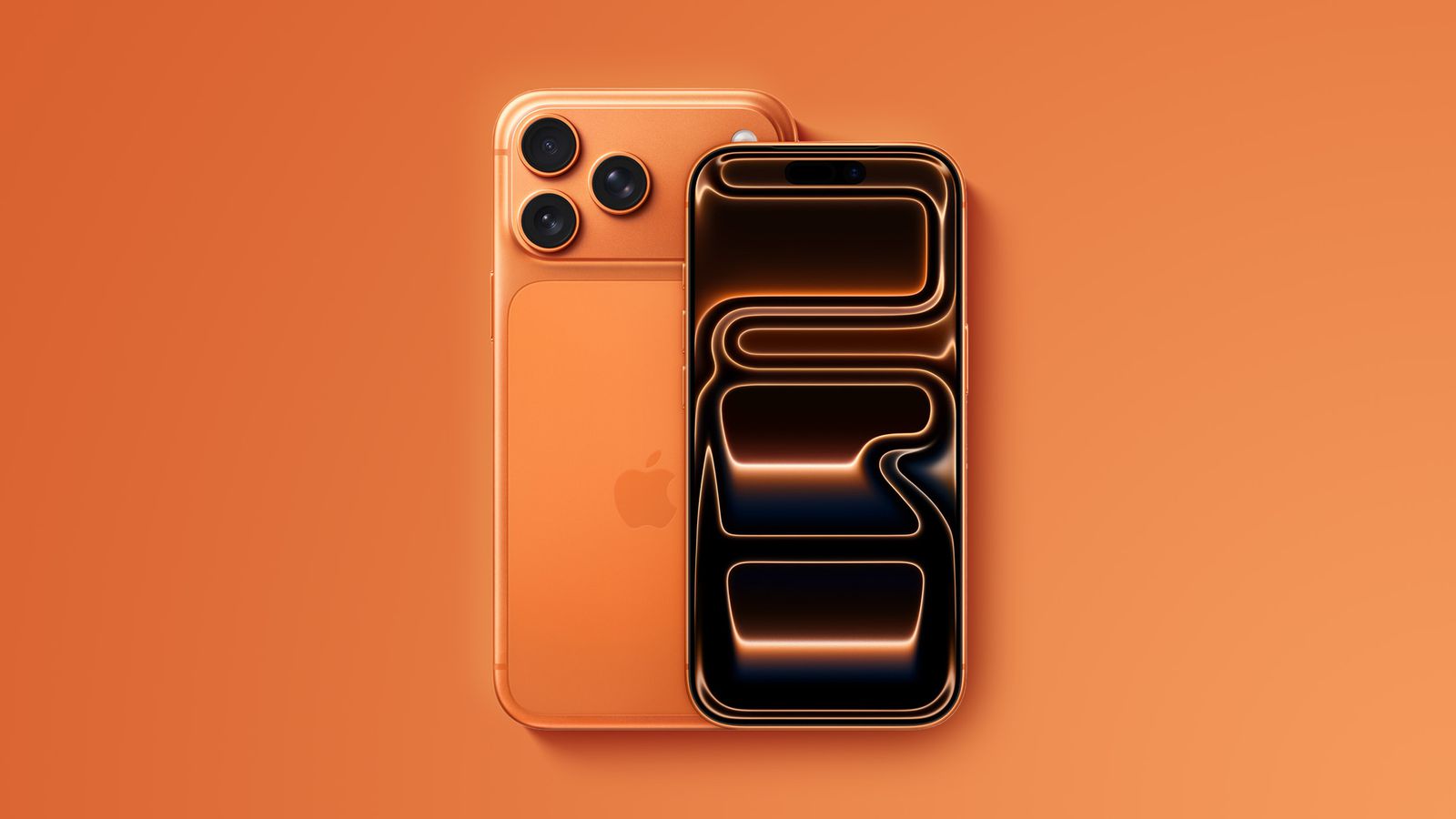
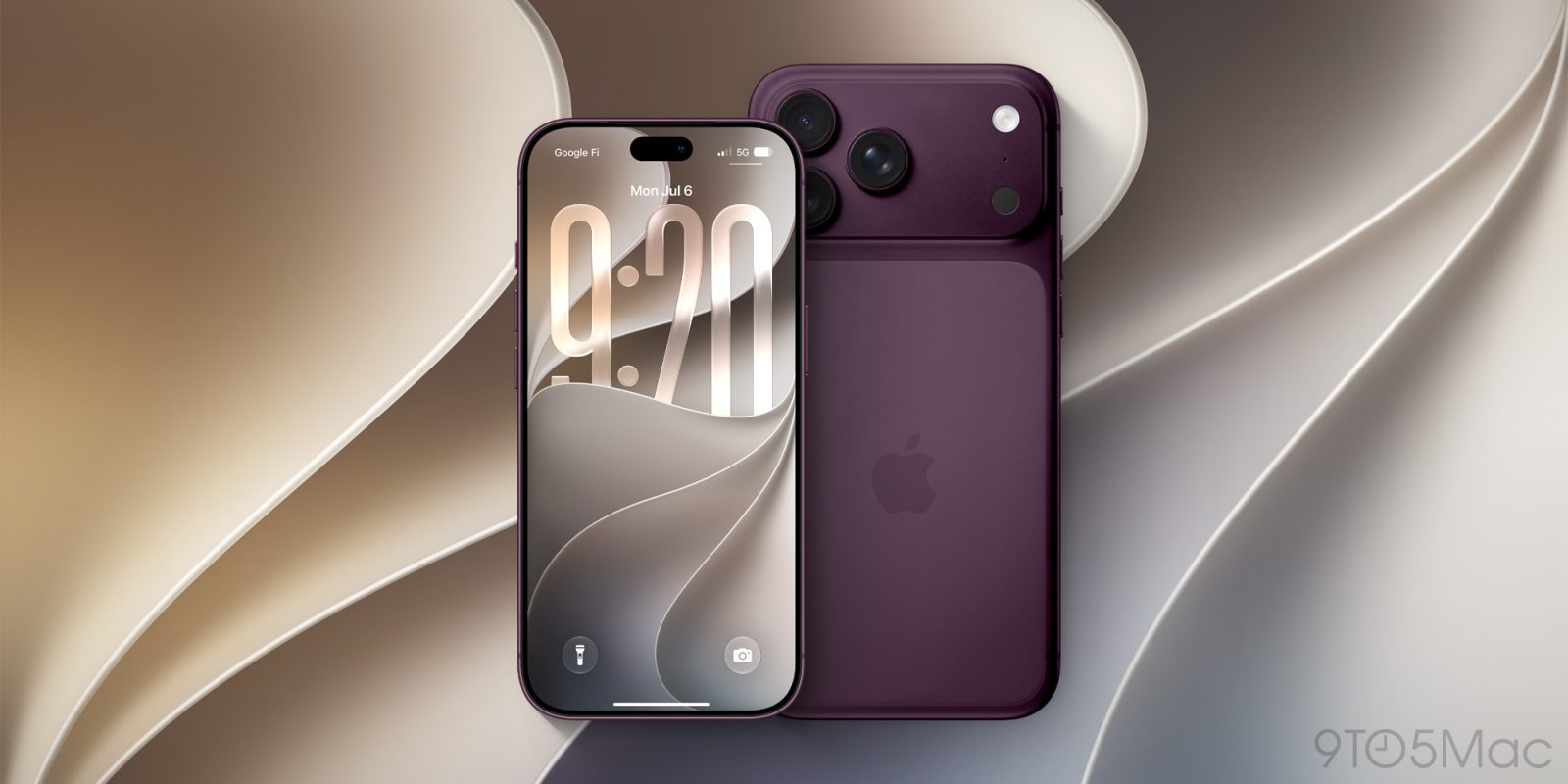
Apple's July 28, 2026 launch of Apple Upgrade—a device leasing program powered by Klarna—represents a watershed moment for fintech-enabled consumer financing and creates immediate payment optimization opportunities for cross-border electronics sellers. The partnership expands Klarna's buy-now-pay-later (BNPL) infrastructure from traditional e-commerce into premium device leasing, with iPhone/Apple Watch leases at 24 months and Mac leases at 36 months. Klarna's stock surged 5.0% on the announcement, reflecting investor confidence in the fintech's ability to capture recurring revenue streams in the $150B+ global device leasing market. This signals a fundamental shift: flexible payment models are now table-stakes for premium electronics, not optional features.
For cross-border electronics sellers, this creates three immediate financial optimization angles. First, payment method diversification: Klarna's enhanced market position and liquidity (validated by Apple partnership) makes it a lower-risk payment processor for sellers shipping electronics to US/EU markets. Sellers integrating Klarna can expect 2-3% lower payment processing fees compared to traditional credit card networks (typically 2.9% + $0.30 vs. Klarna's 1.5-2.5% for BNPL transactions), translating to $150-300 monthly savings for mid-sized electronics sellers processing $50K+ monthly volume. Second, working capital acceleration: Klarna's merchant funding model enables faster settlement (48-72 hours vs. 5-7 days for traditional processors), unlocking 3-5 days of additional working capital for inventory replenishment. Third, consumer demand shift: The normalization of device leasing reduces upfront purchase barriers, expanding addressable market for refurbished electronics, accessories, and trade-in programs—categories where Klarna adoption is accelerating.
The competitive landscape implications are substantial. Apple's discontinuation of its legacy iPhone Upgrade Program signals that proprietary financing is being replaced by third-party BNPL providers—a trend that benefits established players like Klarna while pressuring smaller fintech competitors. For sellers, this means Klarna adoption rates will accelerate across electronics categories (smartphones, tablets, laptops, wearables) as consumer familiarity increases. Sellers NOT offering Klarna as a payment option risk losing 15-25% of conversion volume in premium electronics categories, where BNPL penetration now exceeds 35% in US/EU markets. Additionally, the success of Apple-Klarna collaboration will likely inspire similar partnerships with Samsung, Microsoft, and other premium device manufacturers, creating a cascading effect where device leasing becomes the default purchase model for high-ticket items.
Cash flow implications extend beyond payment processing. Sellers can now structure inventory financing around Klarna's merchant funding capabilities—using Klarna's 48-72 hour settlement as collateral for inventory loans at 6-8% APR (vs. 12-15% for traditional merchant cash advances). This enables sellers to maintain higher inventory levels without proportional working capital strain, critical for capturing holiday season demand (Q4 2026) when device sales typically spike 40-60% above baseline.
Questions 7
How does Klarna's device leasing partnership with Apple affect payment processing costs for electronics sellers?
Klarna's expanded market position following the Apple partnership enables sellers to negotiate lower BNPL processing fees—typically 1.5-2.5% vs. 2.9% + $0.30 for traditional credit cards. For a mid-sized electronics seller processing $50K monthly, this translates to $150-300 in monthly savings. Additionally, Klarna's enhanced liquidity (reflected in the 5% stock surge) improves merchant funding reliability and settlement speed (48-72 hours vs. 5-7 days), accelerating working capital cycles by 3-5 days. Sellers should prioritize Klarna integration before Q4 2026 holiday season when device sales spike 40-60%.
What is the market opportunity for refurbished electronics and accessories sellers given Apple's device leasing model?
Apple's leasing program creates a secondary market for trade-in devices and refurbished electronics. When customers upgrade devices at lease end (24-36 months), returned devices enter the refurbishment pipeline. Sellers specializing in refurbished iPhones, MacBooks, and iPads can expect 20-35% volume increases as lease returns accelerate. Additionally, accessories sellers benefit from the expanded addressable market—leasing reduces upfront purchase barriers, enabling price-sensitive customers to enter the Apple ecosystem and subsequently purchase protective cases, chargers, and other accessories. The program's soft credit check requirement expands the customer base by 15-25% in emerging markets.