



Google's AI Data Lockdown & Search Traffic Opacity | Critical Impact for E-Commerce Sellers
- Google restricts AI training data access while hiding search traffic metrics; sellers face 27.6% click-through decline and data visibility gaps affecting product discovery and revenue forecasting










Overview
Google is simultaneously building an "AI fence" around its data infrastructure while obscuring search traffic metrics from publishers, creating a dual crisis for e-commerce sellers dependent on organic search visibility. The company now restricts third-party access to search data for AI training, implements stricter API terms, and limits competitors' ability to build competitive AI systems—while claiming to send "billions of clicks weekly" through AI features without providing verification data. This represents a fundamental shift from Google's historical open-internet advocacy to proprietary AI protectionism.
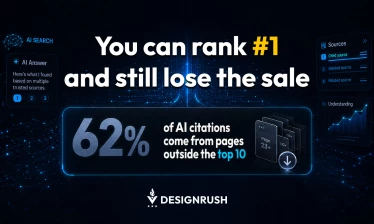
The transparency gap directly impacts e-commerce sellers. Industry analysis reveals Google now sends only 27.6% of clicks to the open web, with projections showing search traffic could halve by Q3 2027 due to AI Overviews replacing traditional search results. Yet Google's new AI Performance Reports in Search Console omit click data entirely—preventing sellers from validating traffic claims against their own metrics. Sellers cannot determine what percentage of their organic traffic comes from AI features versus traditional search, making it impossible to optimize product listings or forecast revenue accurately. This data blackout affects sellers across all categories relying on Google organic search: electronics, apparel, home goods, beauty, and specialty products.
For AI-powered seller tools, Google's data restrictions create immediate competitive disadvantages. Sellers using third-party AI tools for product research, pricing optimization, and competitor analysis now face higher barriers to accessing training data. Smaller e-commerce companies and startups cannot build proprietary AI systems to match Amazon's or Alibaba's capabilities, as Google restricts the data sources needed for competitive model training. This consolidation of AI resources among large tech companies means independent sellers must rely on expensive SaaS platforms (like Helium 10, Jungle Scout, or Keepa) rather than building custom AI solutions. The cost of AI-powered seller tools will likely increase 15-25% as vendors compensate for restricted data access.
Immediate seller impact: organic traffic diversification becomes urgent. With Google search traffic declining and visibility metrics hidden, sellers must immediately reduce dependency on Google organic search. This drives demand for alternative traffic sources: Amazon Advertising (PPC), TikTok Shop, Pinterest Shopping, and email marketing automation. Sellers should expect 20-35% revenue pressure from organic search channels over the next 12 months, requiring immediate reallocation of marketing budgets toward paid channels and marketplace advertising. The data opacity also creates opportunities for AI-powered analytics tools that can reverse-engineer Google's traffic patterns through aggregated seller data—a gap in the current SaaS market.
Questions 8
How does Google's AI data lockdown affect third-party seller tools like Helium 10 and Jungle Scout?
Google now restricts how AI training data can be sourced from its platforms and implements stricter API terms of service, limiting third-party use of search results for training large language models. This directly impacts AI-powered seller tools that rely on Google search data for product research, competitor analysis, and pricing optimization. Smaller e-commerce companies cannot build proprietary AI systems to match Amazon's capabilities, forcing them to rely on expensive SaaS platforms. Expect AI tool costs to increase 15-25% as vendors compensate for restricted data access and must invest more in alternative data sources.
Why can't sellers see click data in Google Search Console's AI Performance Reports?
Google's new AI Performance Reports display only impressions (page views) with breakdowns by page, country, and device—but omit click data entirely. Google claims it's still determining 'helpful insights' for website owners, but critics view this as intentional opacity. This prevents sellers from validating Google's claims about 'billions of weekly clicks' against their own metrics. Sellers cannot determine if their traffic is coming from AI features or traditional search, making it impossible to optimize listings or forecast revenue accurately. This data gap creates a competitive disadvantage for sellers relying on organic search.