




US Oil Reserve Crisis Drives Logistics Cost Surge | Cross-Border Sellers Face 8-15% Shipping Increases Through 2026
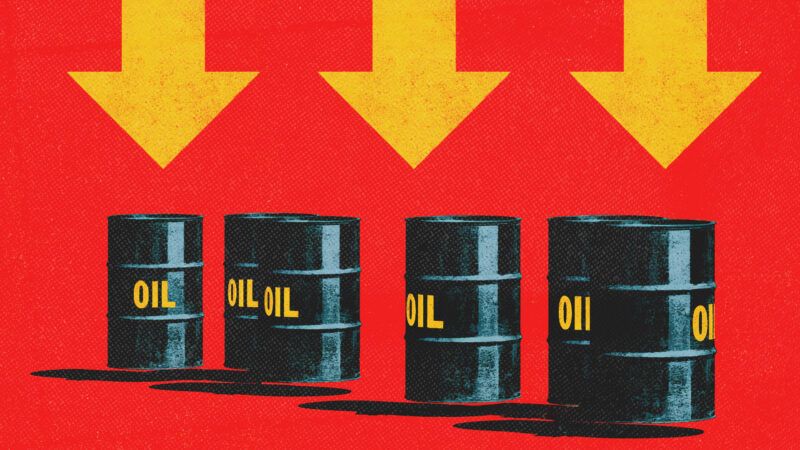
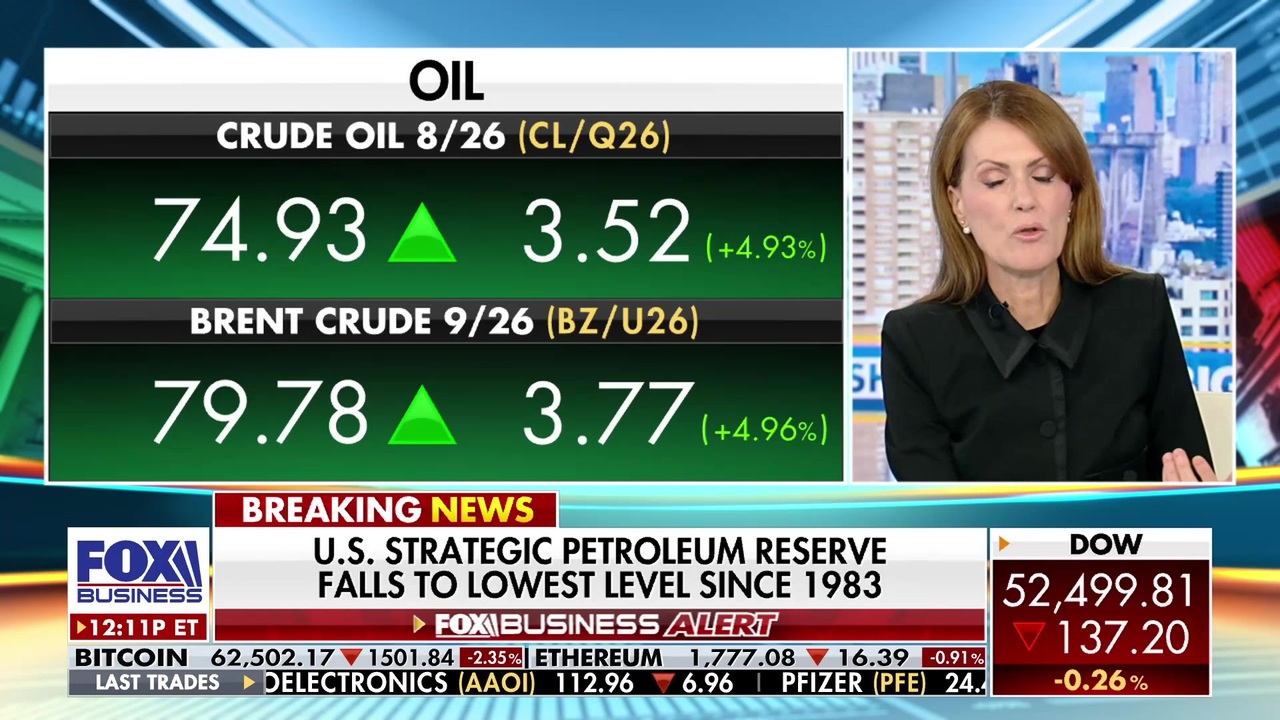
- SPR falls to 311.4M barrels (lowest since 1983); 104M barrel drawdown since Iran conflict; Strait of Hormuz disruptions threaten 20% of global oil transit; air freight and expedited shipping face 18-28% fuel surcharges





















)



Overview
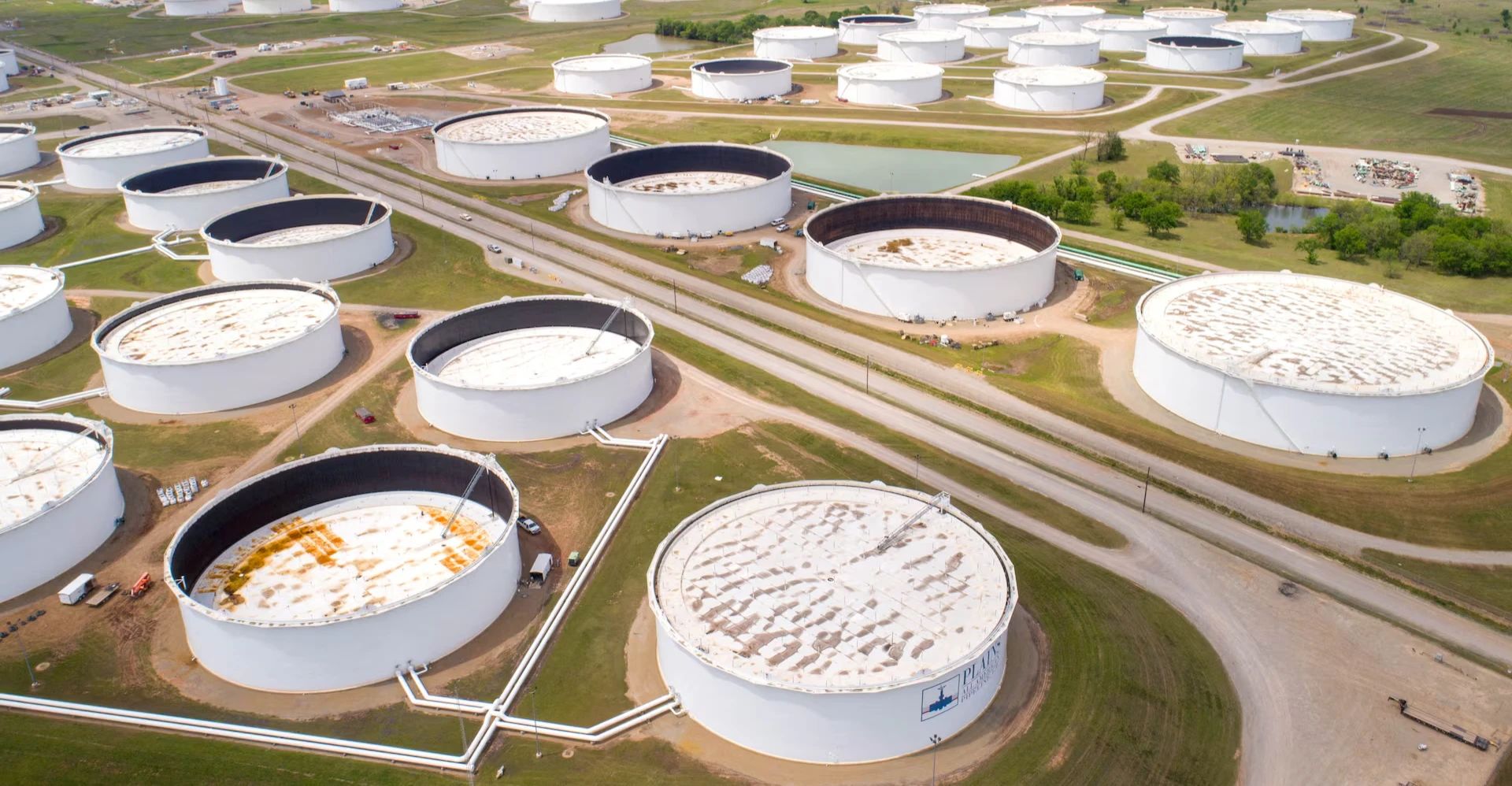
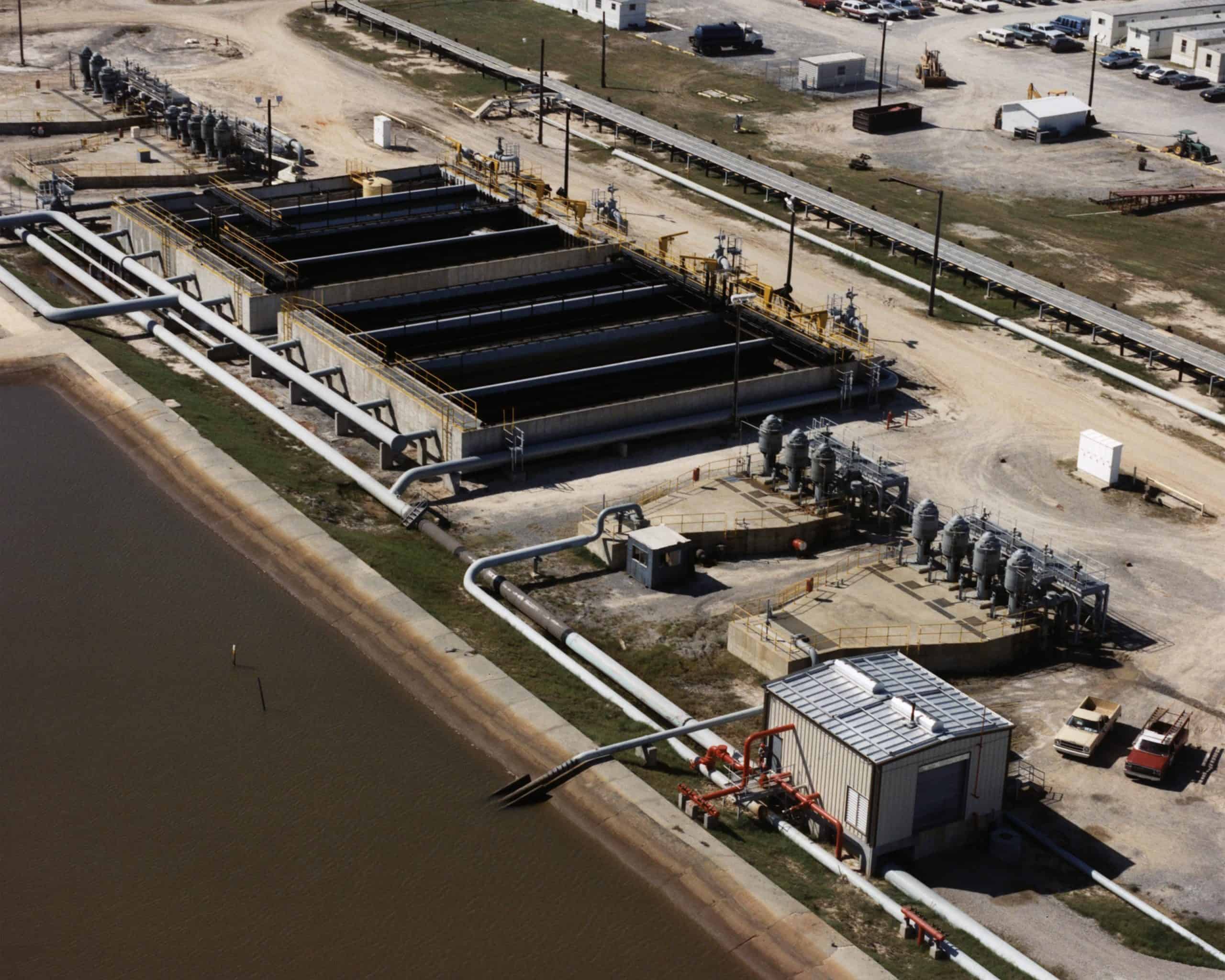
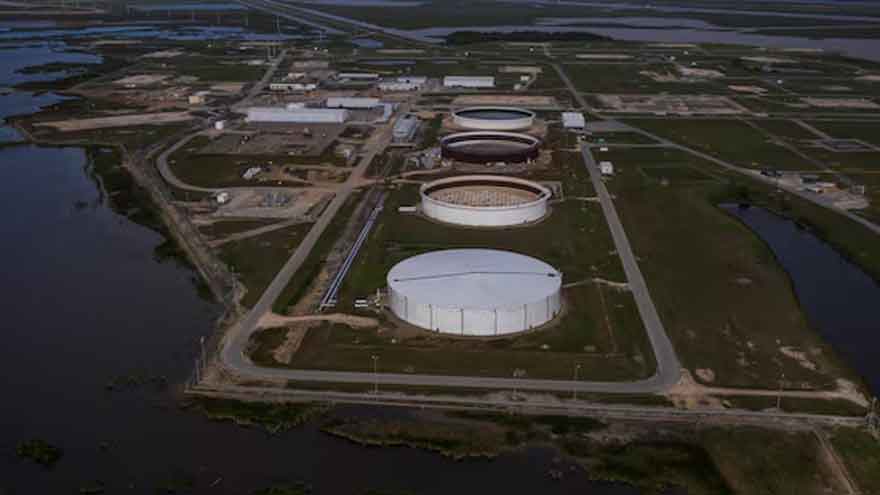
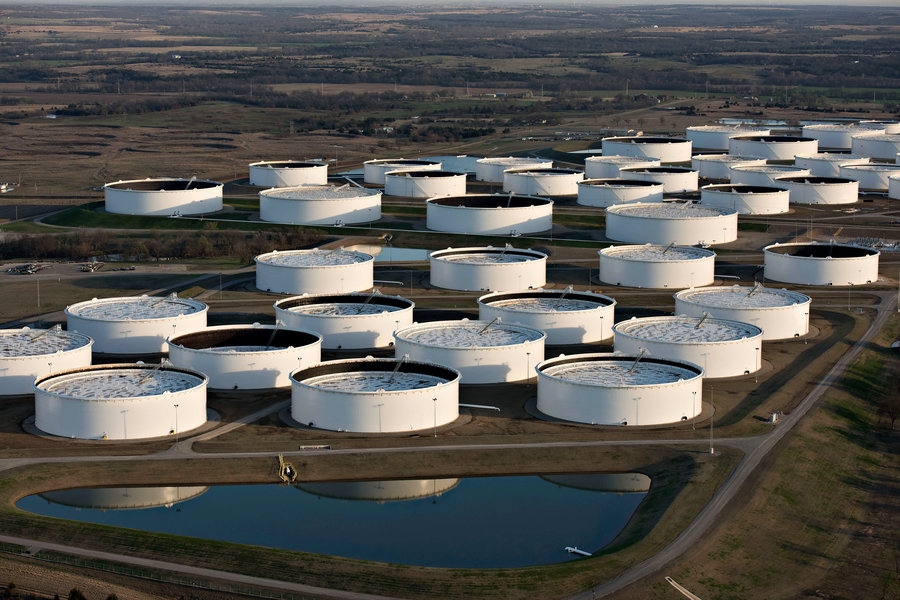
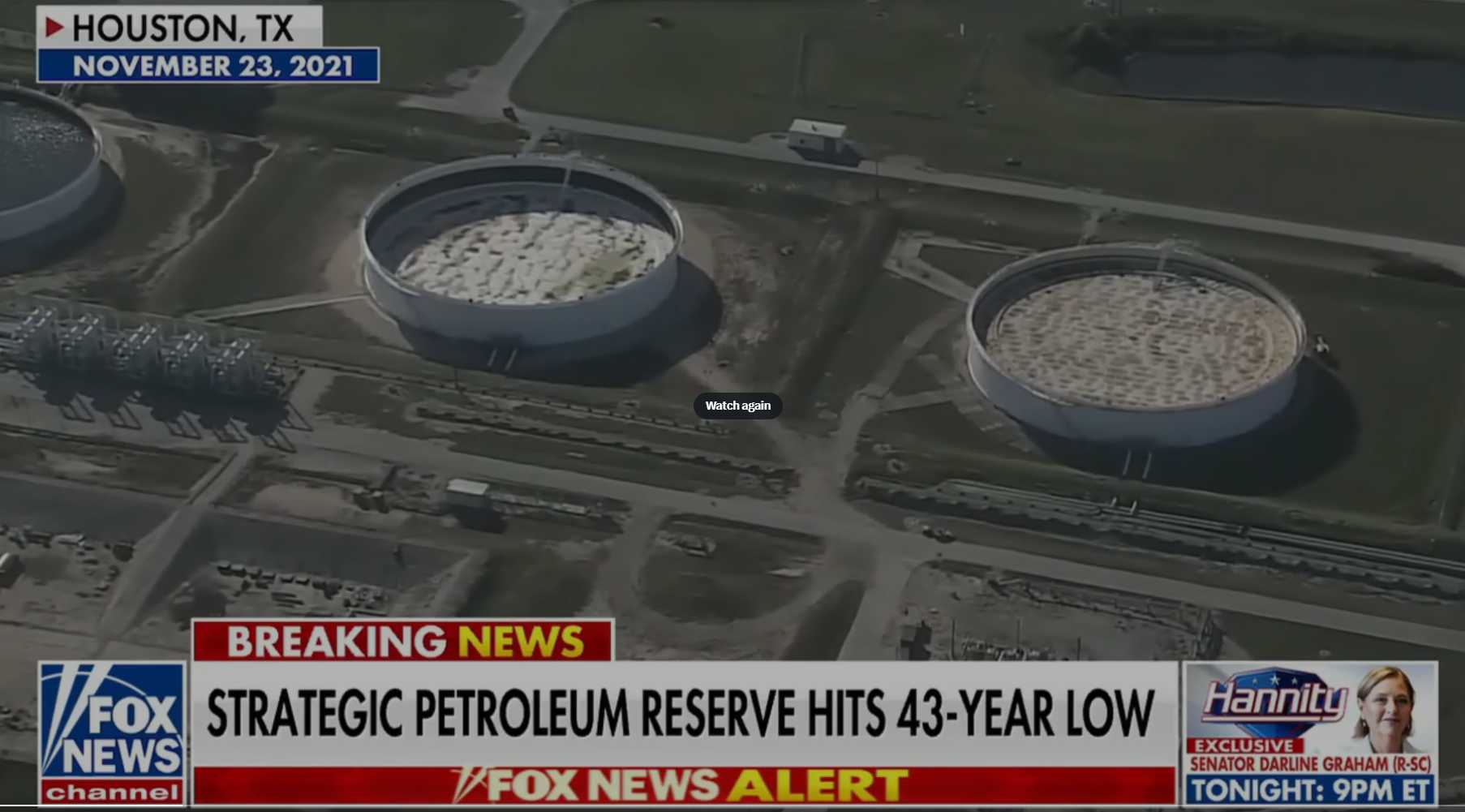
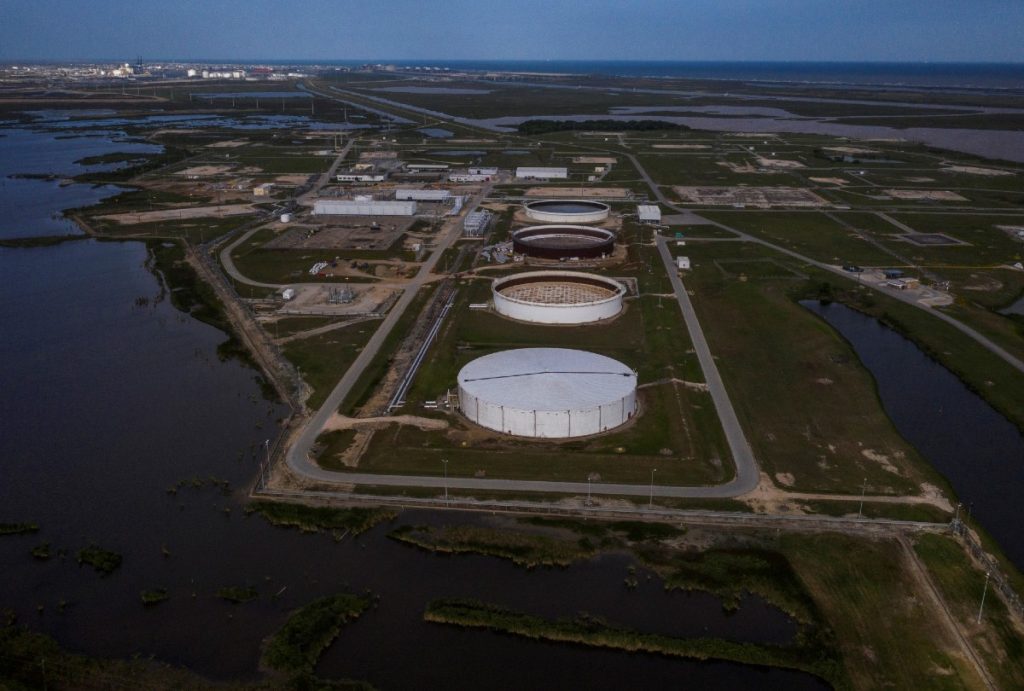
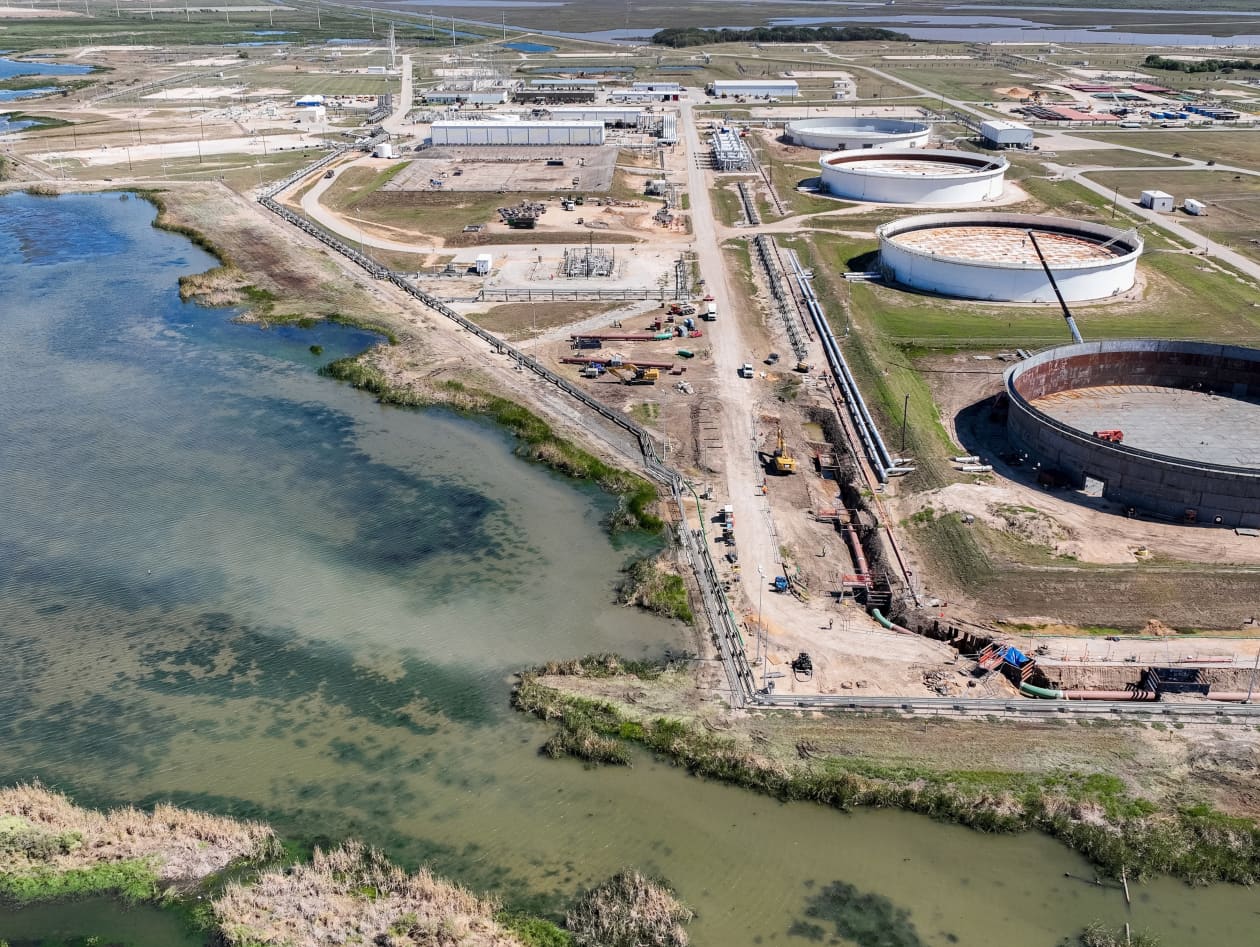
The U.S. Strategic Petroleum Reserve has collapsed to its lowest level in 43 years, creating a critical cost crisis for cross-border e-commerce sellers. As of July 17, 2026, SPR inventories fell to 311.4 million barrels—down 104.04 million barrels since the Iran conflict erupted in late February 2026. Combined U.S. crude inventories (SPR + commercial stocks) totaled just 726.2 million barrels on July 10, marking the lowest combined level since 1984. The Trump administration's 172 million-barrel emergency release, announced March 11, represents a government lending program where companies must repay crude at 18-28% premiums—signaling sustained oil scarcity. Critically, the SPR can only draw oil at 61% of its designed capacity, while return capacity has slipped to 56% of specifications, meaning the government cannot rapidly stabilize prices through additional releases.
For cross-border e-commerce sellers, this SPR depletion directly translates to sustained transportation cost increases of 8-15% through 2026. Sellers relying on air freight face the highest vulnerability, with fuel surcharges embedded in carrier pricing. The Strait of Hormuz—handling 20% of global oil transit—remains disrupted by geopolitical tensions, creating bottlenecks that push shipping rates higher. FBA sellers shipping inventory to U.S. fulfillment centers via expedited freight will see costs rise from typical $0.40-0.60 per pound to $0.45-0.70 per pound. International sellers using DHL, FedEx, or UPS for last-mile delivery face 12-18% fuel surcharge increases on top of base rates. Sellers in time-sensitive categories (electronics, apparel, beauty) who depend on air freight to maintain inventory velocity will experience margin compression of 2-4 percentage points if they don't adjust pricing or sourcing strategies.
Strategic sourcing shifts and logistics optimization become immediate priorities. Sellers should negotiate long-term shipping contracts NOW (before Q3 2026) to lock in rates before further SPR depletion drives prices higher. Consider shifting 20-30% of inventory from air freight to ocean freight (accepting 2-3 week delays) to reduce fuel exposure. Evaluate 3PL providers in lower-cost regions (Mexico, Canada) to reduce inbound freight distances. Monitor Strait of Hormuz shipping reports weekly—if disruptions worsen, pivot to alternative routes (around Africa) despite 2-week delays. The government's inability to draw oil faster than 61% capacity means this cost pressure will persist through 2026, making logistics strategy a competitive differentiator. Sellers who lock in shipping contracts and diversify fulfillment networks will maintain 3-5% margin advantages over competitors caught in spot-market pricing.
Questions 8
Should I switch from air freight to ocean freight to reduce shipping costs?
Yes, if your product category allows 2-3 week delays. Ocean freight costs are rising only 6-8% versus 12-18% for air freight, creating a 6-10 percentage point cost advantage. Electronics, apparel, and home goods sellers can typically absorb ocean freight delays without impacting sales velocity. However, time-sensitive categories (perishables, seasonal items, fast-moving electronics) should maintain air freight but negotiate volume discounts to offset surcharges. A hybrid approach—70% ocean, 30% air—balances cost savings with inventory turnover needs.
How much will my FBA shipping costs increase due to SPR depletion and oil price pressure?
FBA inbound freight costs will likely increase 8-12% through 2026 as fuel surcharges compound. Air freight rates are rising from $0.40-0.60/lb to $0.45-0.70/lb, while expedited ocean freight (14-21 days) is increasing 6-8%. For a seller shipping 10,000 units monthly (average 2 lbs each), this translates to $800-1,200 additional monthly costs. The SPR's inability to draw oil faster than 61% capacity means these increases will persist, not spike temporarily. Lock in long-term shipping contracts immediately to avoid further escalation as oil supplies tighten.