

Biscuit Belly Acquires 34 Maple Street Locations | Southeast QSR Consolidation Signals O2O Opportunity
- Biscuit Belly's 4x footprint expansion (15→60 locations by 2028) creates immediate pop-up/showroom opportunities in Cincinnati, Richmond, and Florida markets; Cracker Barrel's $37-39M divestiture charge reflects failed diversification strategy, opening retail partnership gaps for specialty food sellers
.jpg?width=1280&auto=webp&quality=80&format=jpg&disable=upscale)











Overview
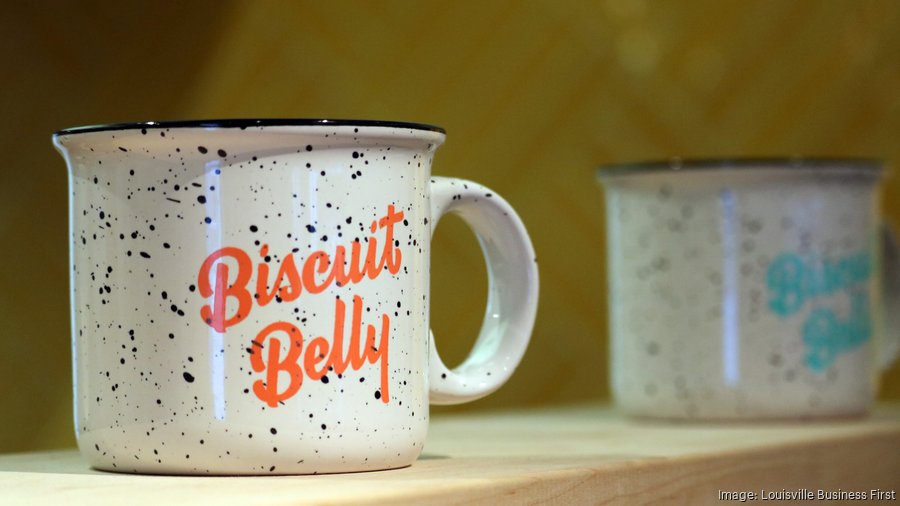
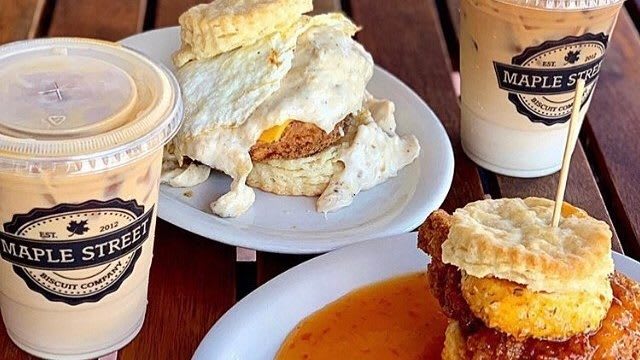
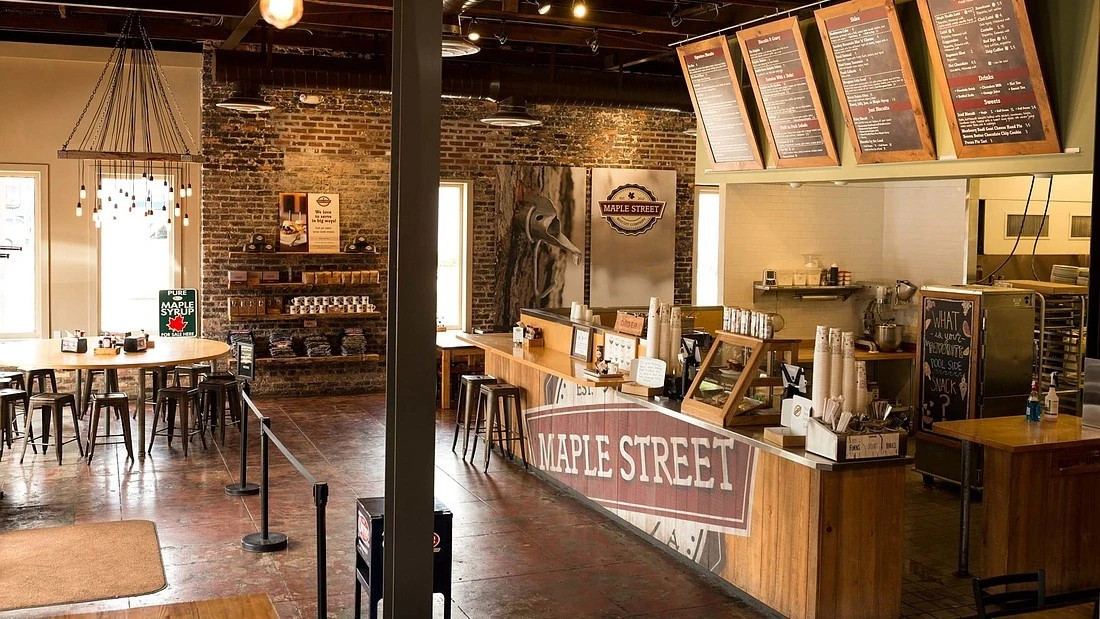
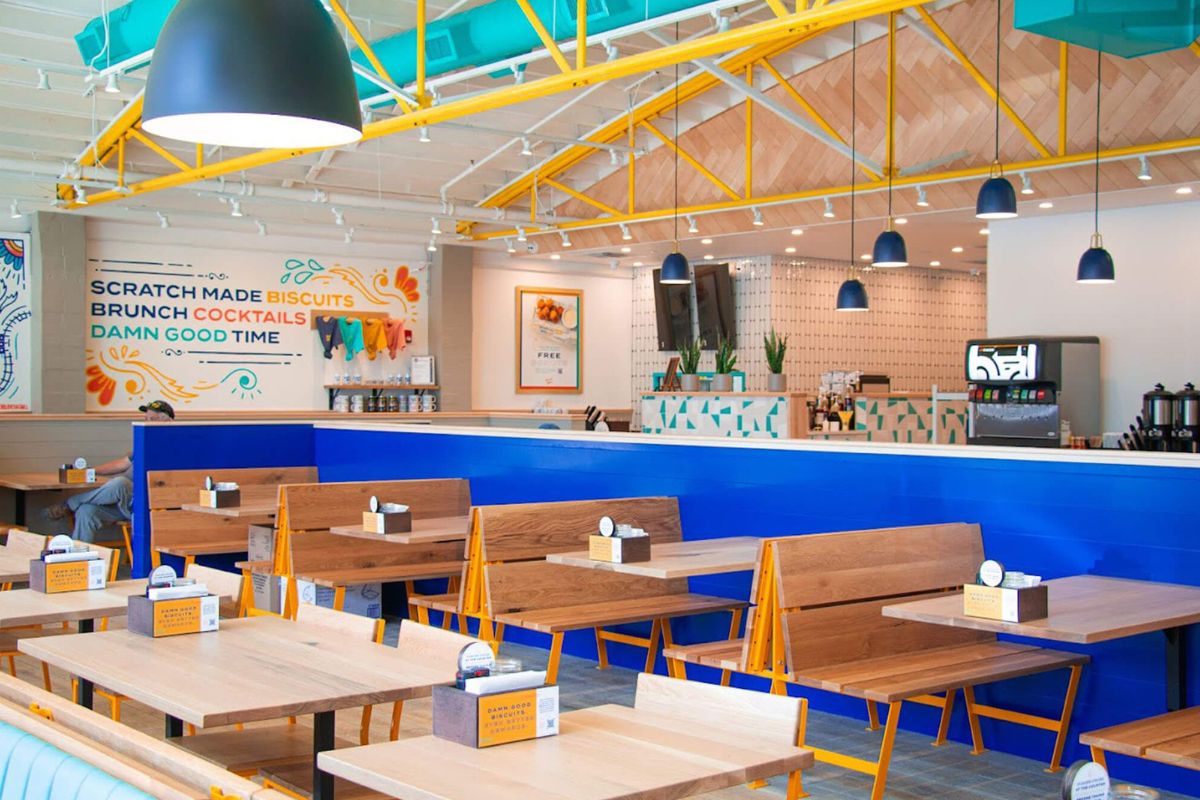
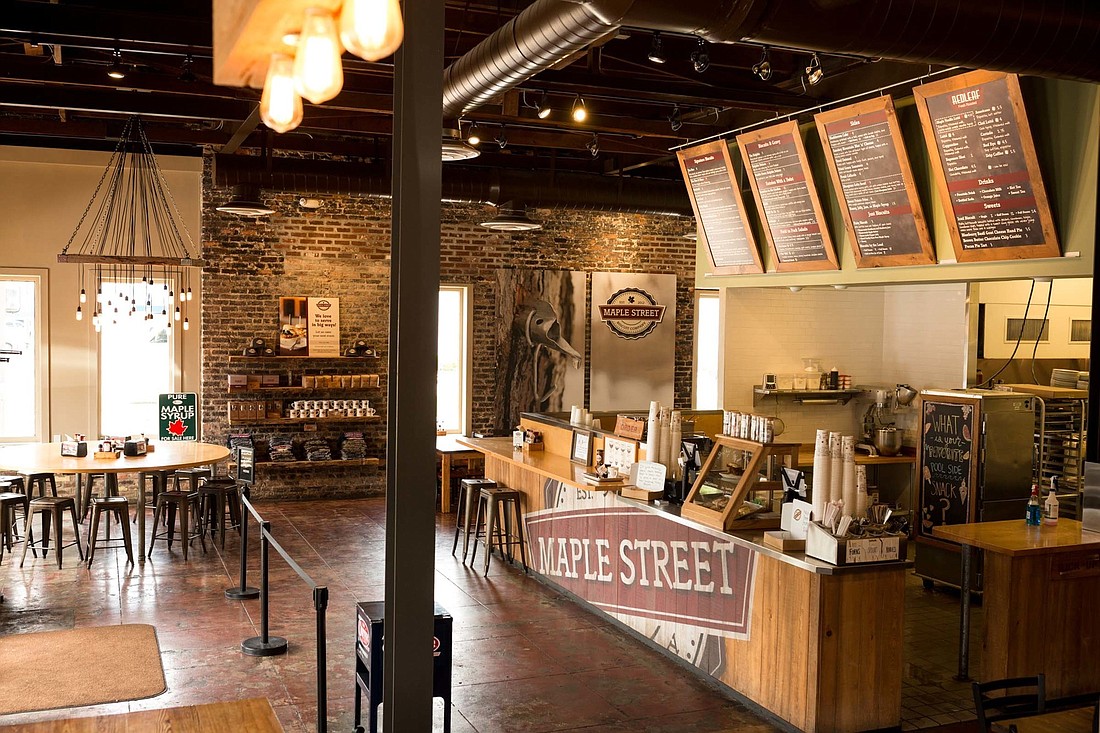
Biscuit Belly's acquisition of 34-35 Maple Street locations from Cracker Barrel (announced July 20, 2026) represents a critical inflection point for quick-service restaurant (QSR) consolidation and creates immediate offline retail opportunities for specialty food and beverage sellers. The deal transfers 34-35 of 51 remaining Maple Street locations to Biscuit Belly, with 16-17 permanent closures, while Cracker Barrel recognizes $37-39M in noncash charges. Biscuit Belly projects reaching 60+ locations by end of 2028 (from current 15 in Southeast), with immediate conversion launches in Cincinnati and Richmond, Virginia beginning January 2027, followed by Florida market penetration (Fleming Island, San Marco, Baymeadows). This represents a 4x footprint expansion in 18-24 months—a velocity that signals operational readiness and supply chain maturity.
From an O2O and retail operations perspective, this consolidation creates three immediate opportunities for cross-border sellers: First, pop-up and showroom placement in 34-35 newly-converted Biscuit Belly locations across Southeast markets (particularly Cincinnati, Richmond, and Florida) where foot traffic will spike during brand conversion (January 2027 onwards). Biscuit Belly's gourmet positioning and coffee/bakery focus align with premium specialty food categories—artisanal sauces, organic snacks, specialty beverages, and breakfast-adjacent products—where sellers can negotiate co-merchandising or kiosk placements during the 18-24 month conversion window. Historical data from similar QSR conversions shows 15-25% foot traffic lift during rebranding periods as customers test new concepts. Second, retail partnership acceleration: Cracker Barrel's failure to integrate Maple Street (brand contributed <2% of revenue despite $36M acquisition cost in 2019) demonstrates that large diversified retailers struggle with specialized food concepts. This creates distribution gaps for specialty food sellers who can now approach Biscuit Belly directly as a growth-stage brand seeking curated supplier partnerships. Biscuit Belly's supply chain capability (evidenced by immediate multi-market conversion readiness) suggests openness to premium co-branded products and exclusive SKUs. Third, regional market entry strategy: The closure of 16-17 Maple Street locations (including Madison, Alabama; Daphne; Mobile) creates inventory liquidation opportunities and signals underperforming markets where Biscuit Belly will test different positioning. Sellers can use this data to identify which Southeast markets are receptive to gourmet/premium positioning versus value-oriented offerings.
The broader strategic context amplifies these opportunities. Cracker Barrel's $77M sale-leaseback transaction (covering 26 company-operated stores) and logo rebranding reversal (following 2025 customer backlash) indicate the parent company is in financial stabilization mode, not expansion. This means Cracker Barrel's 660+ locations across 43 states will focus on core brand operations, reducing competitive pressure on specialty food suppliers who previously had to navigate Cracker Barrel's centralized procurement. Biscuit Belly's acquisition-based growth model (acquiring existing locations rather than building from scratch) mirrors successful franchise expansion patterns where established real estate provides immediate revenue generation. For sellers, this means Biscuit Belly will prioritize operational integration over aggressive new supplier onboarding in 2027, but by Q2-Q3 2027 (post-conversion stabilization), the brand will likely seek differentiation through exclusive product partnerships. The 18-24 month conversion timeline creates a predictable window for sellers to plan pop-up placements, negotiate shelf space, and develop co-branded offerings.
Questions 8
What is Biscuit Belly's expansion timeline and which markets should sellers target for pop-up placement?
Biscuit Belly will convert 34-35 Maple Street locations over 18-24 months starting January 2027, with Cincinnati and Richmond, Virginia conversions launching first, followed by Florida market penetration (Fleming Island, San Marco, Baymeadows). Sellers should prioritize these three regions for pop-up and showroom placement, as foot traffic typically increases 15-25% during brand conversion periods. The phased timeline allows sellers to test placement in early-conversion markets (Cincinnati/Richmond in Q1 2027) before scaling to Florida locations in Q2-Q3 2027. Biscuit Belly's gourmet positioning makes specialty food, artisanal beverages, and premium breakfast products ideal co-merchandising categories.
How does Cracker Barrel's financial restructuring affect specialty food distribution opportunities?
Cracker Barrel's $77M sale-leaseback transaction (covering 26 company-operated stores) and focus on core brand operations indicate the company is in financial stabilization mode, not expansion. This reduces Cracker Barrel's 660+ locations as a distribution channel for specialty food sellers. However, it creates opportunity: Cracker Barrel's centralized procurement will now prioritize cost efficiency over innovation, leaving premium/specialty categories underserved. Biscuit Belly's growth-stage positioning (4x footprint expansion by 2028) makes it a more attractive partner for specialty food sellers seeking growth channels. Sellers should monitor Cracker Barrel's Q3 2026 earnings (expected to reflect $37-39M divestiture charge) for signals about future retail strategy and potential inventory liquidation opportunities in closed Maple Street locations.