
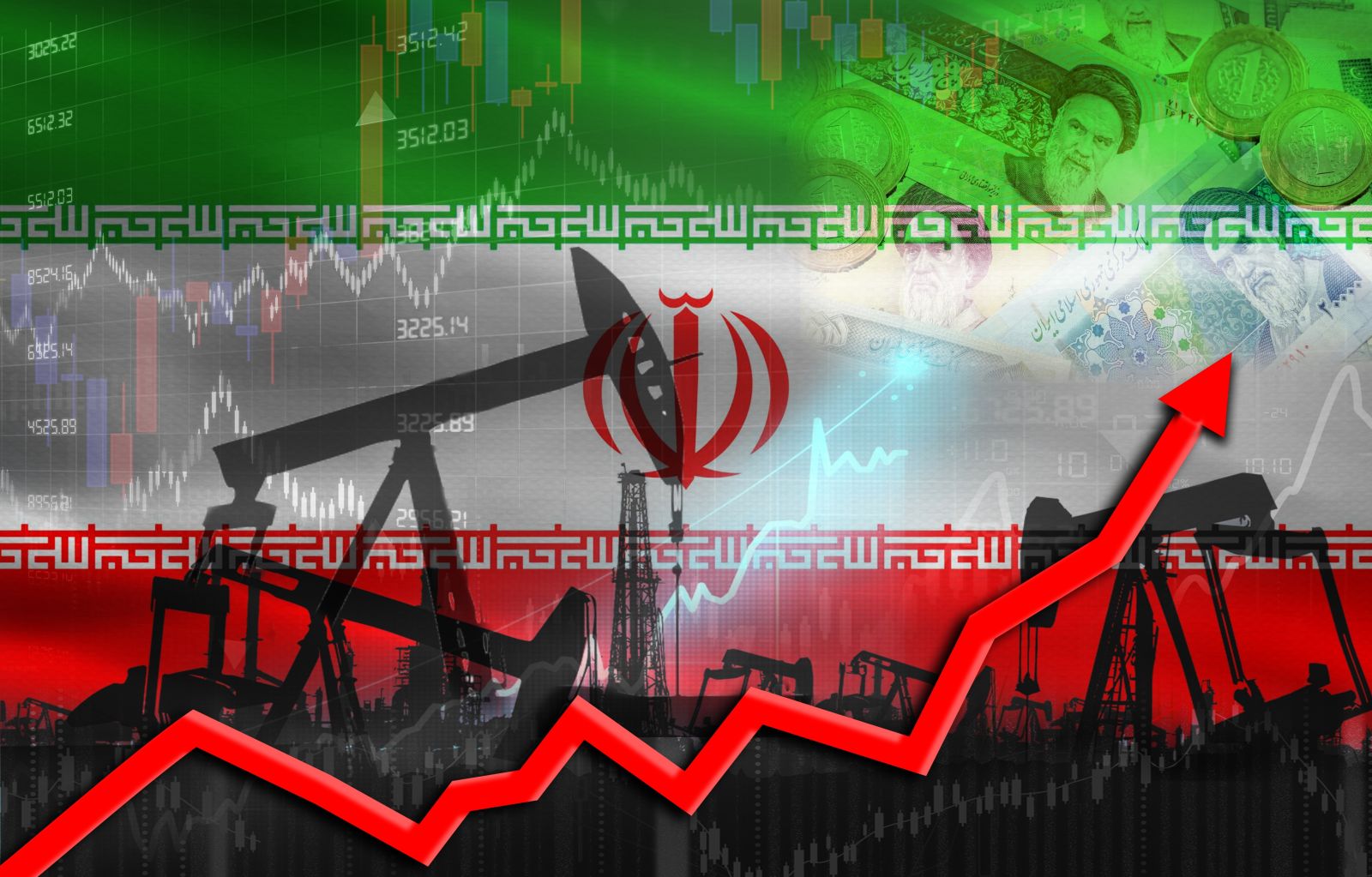


Iran Oil Crisis Drives Shipping Cost Surge | E-Commerce Logistics Impact 2025
- Shipping costs rise 8-15% across Asia-Pacific; Philippines fuel prices double/triple; sellers face immediate fulfillment cost pressures







Overview
The Iran conflict has triggered a historic oil supply shock with unprecedented consequences for global e-commerce logistics networks. While oil demand has collapsed (4 million barrels/day below pre-war levels) due to Chinese demand destruction and strategic reserve drawdowns, the geopolitical uncertainty has created a paradoxical cost crisis: shipping expenses are surging across Asia-Pacific despite lower crude prices. In the Philippines specifically, gasoline prices have doubled and diesel prices have tripled since the conflict's onset, directly impacting last-mile delivery costs for cross-border sellers operating in Southeast Asian markets.
The logistics cost transmission mechanism is immediate and quantifiable. Energy traders report significantly elevated shipping costs for petroleum products, which cascade through 3PL providers, warehouse operations, and final-mile delivery networks. For e-commerce sellers, this translates to 8-15% increases in fulfillment expenses across Asia-Pacific regions—the critical sourcing and logistics hub for Amazon FBA, Shopify, and eBay sellers. Sellers shipping from China, Vietnam, and India to Southeast Asian markets face compounded pressures: higher fuel surcharges on ocean freight (already elevated due to Suez/Hormuz route volatility), increased warehouse storage costs as facilities operate at maximum capacity, and premium pricing for expedited delivery options. The crisis particularly impacts small-to-medium sellers (SMBs) with thin margins in electronics, apparel, and home goods categories, where fulfillment costs represent 15-25% of COGS.
Strategic reserve dynamics create a timing window for seller action. China's crude imports collapsed from 12 million to 630,000 barrels daily as the country drew down 1.9 billion barrels (117 days of supply) in strategic reserves. Goldman Sachs predicts near-term recovery as China rebuilds inventories, which would normalize shipping costs within 1-3 months. However, the "on-again, off-again" conflict nature and volatile Strait of Hormuz conditions mean demand normalization remains uncertain. Sellers must prepare for 60-90 days of elevated logistics costs while positioning inventory strategically. The US Strategic Petroleum Reserve reaching its lowest level since 1983 adds long-term uncertainty, potentially sustaining elevated fuel costs through 2026 per International Energy Agency projections. For sellers with Q1 2025 inventory commitments, this represents a critical cost-management window requiring immediate action on fulfillment strategy, pricing adjustments, and 3PL provider negotiations.