


Nvidia Vera CPU Dominance Reshapes AI Infrastructure Costs | E-Commerce Cloud Computing Impact 2026
- Nvidia's vertical integration into CPUs threatens 15-25% cloud computing cost increases for e-commerce sellers; AI infrastructure consolidation creates urgent need for cost optimization strategies by Q2 2026


.jpg)














Overview
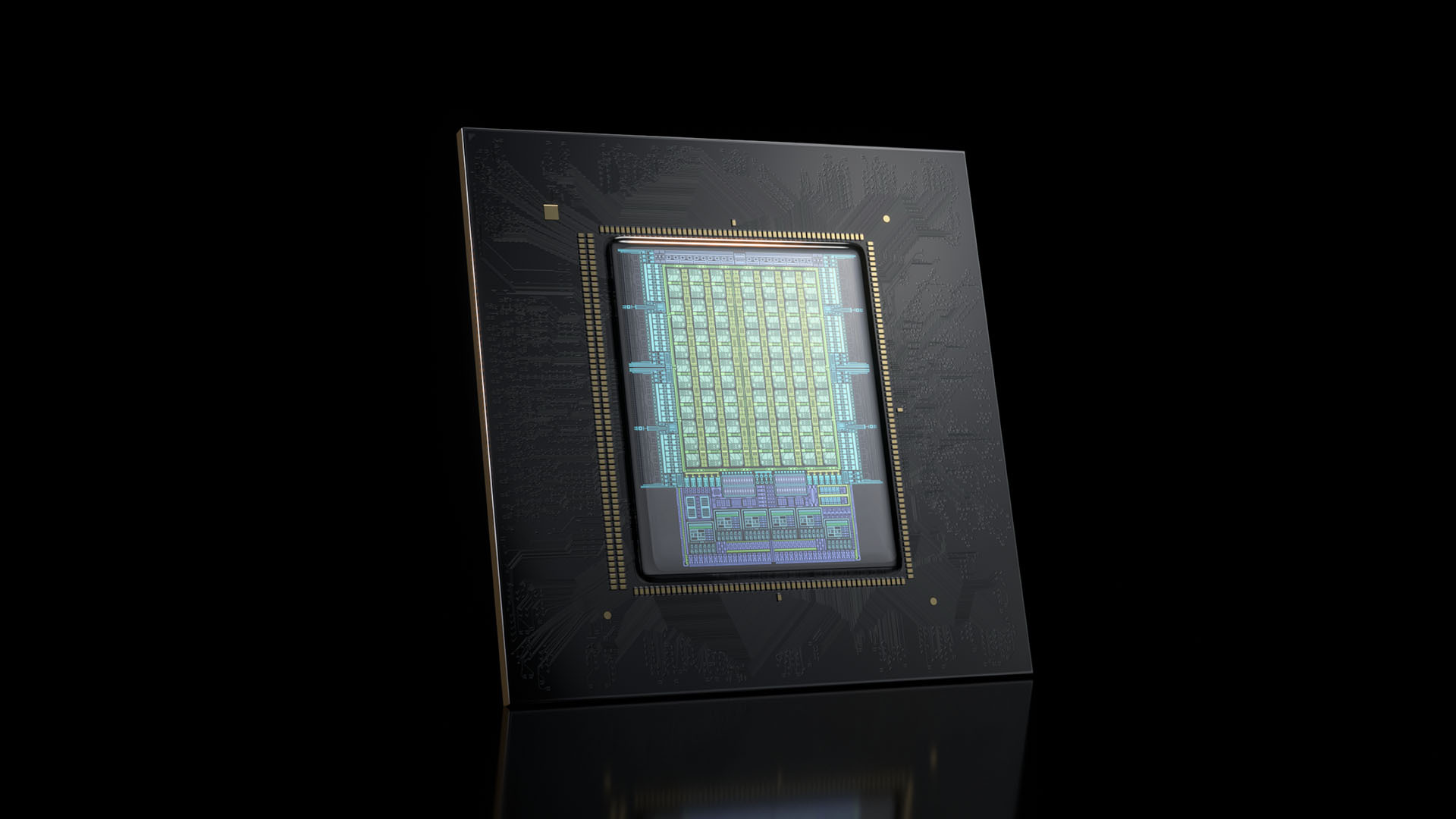
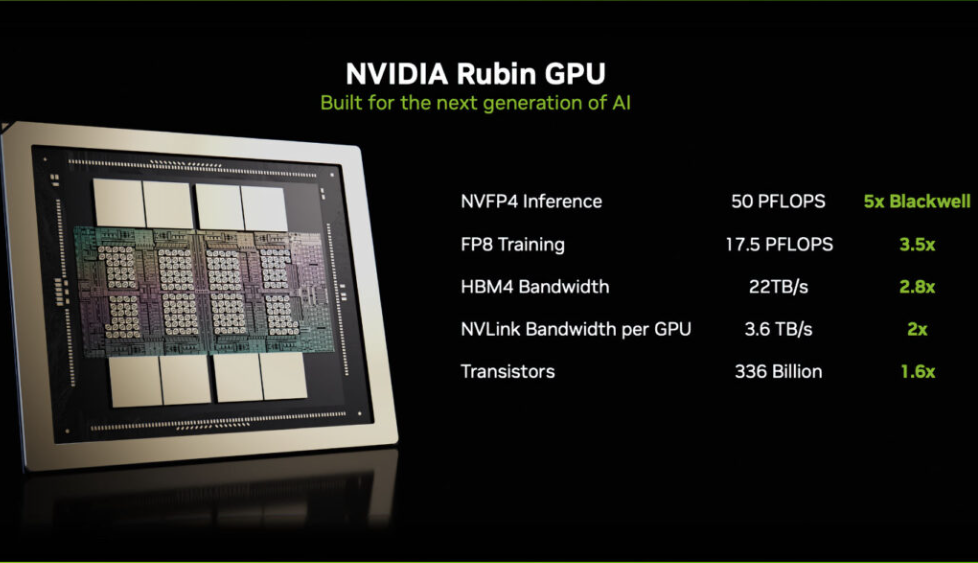
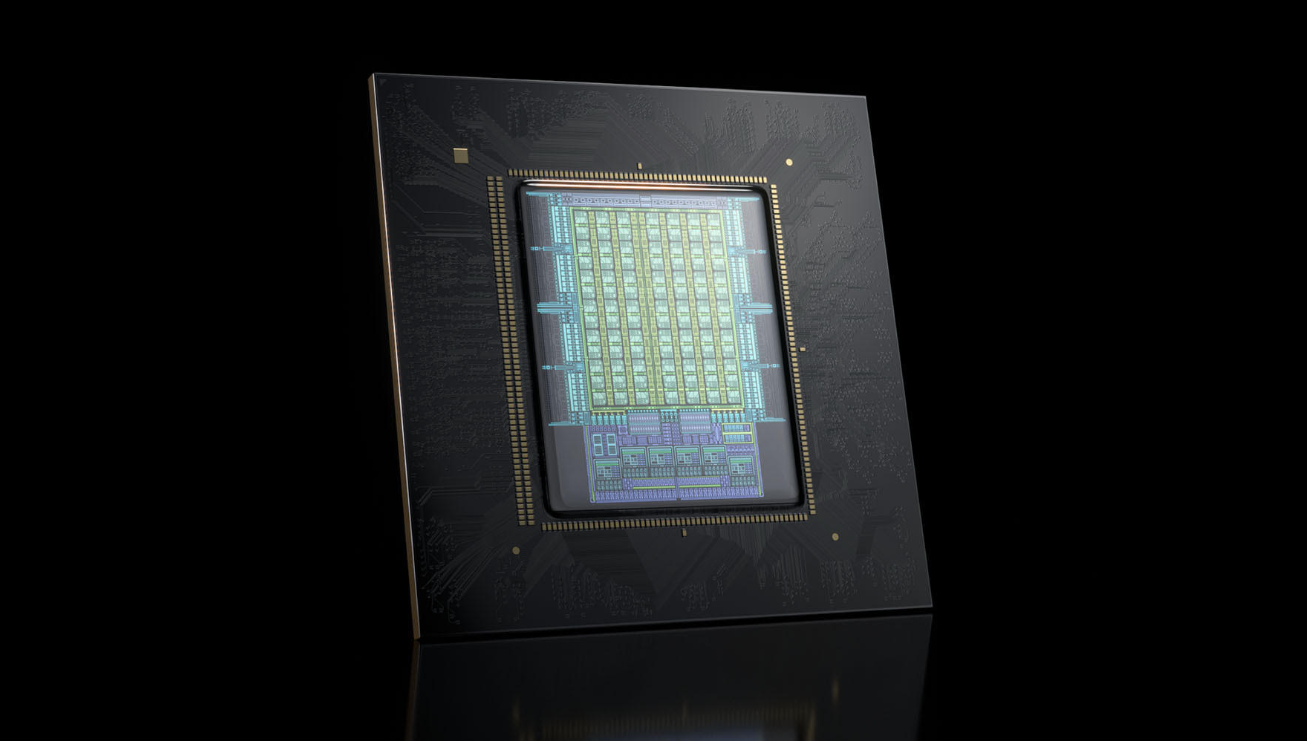
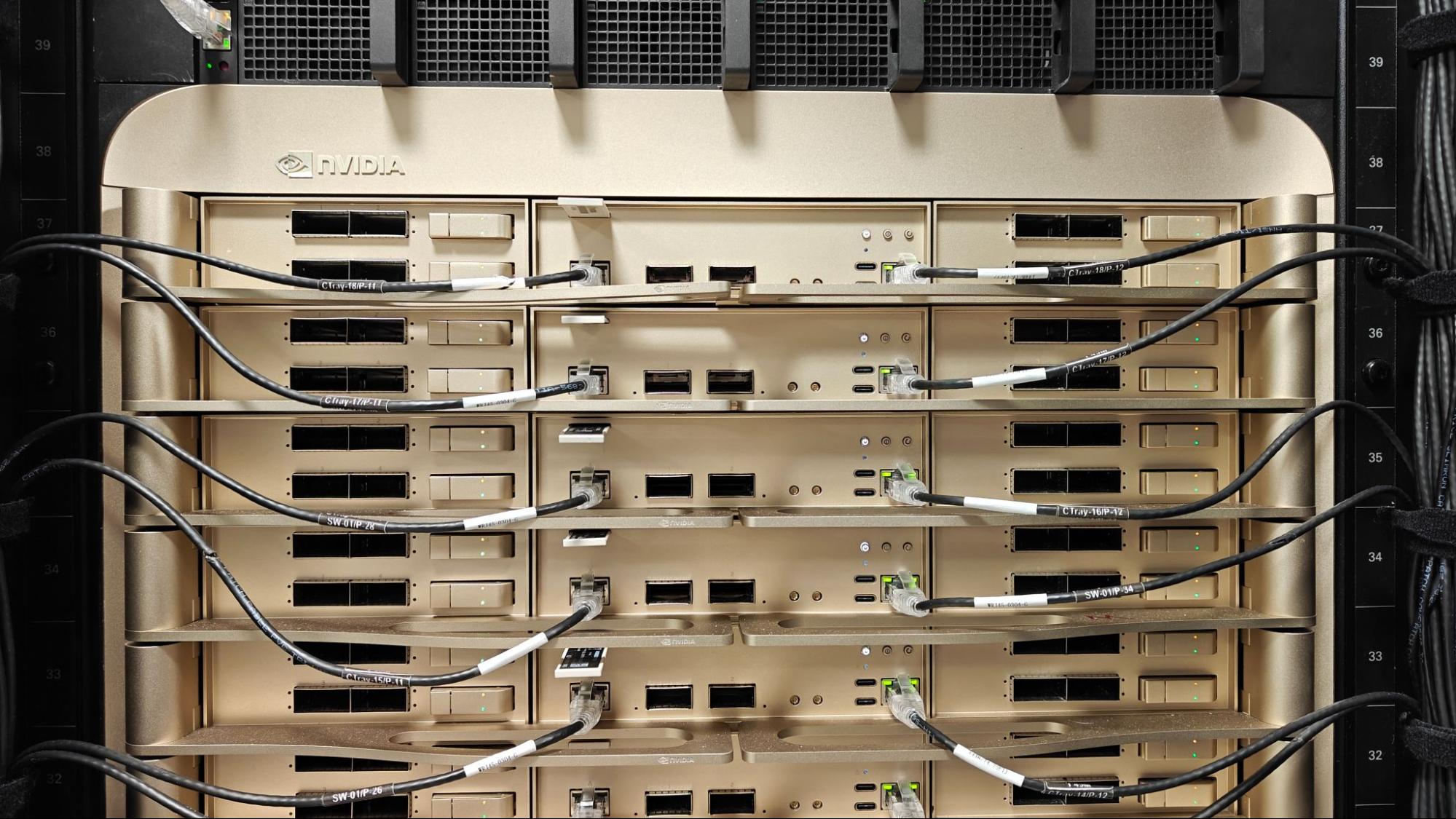
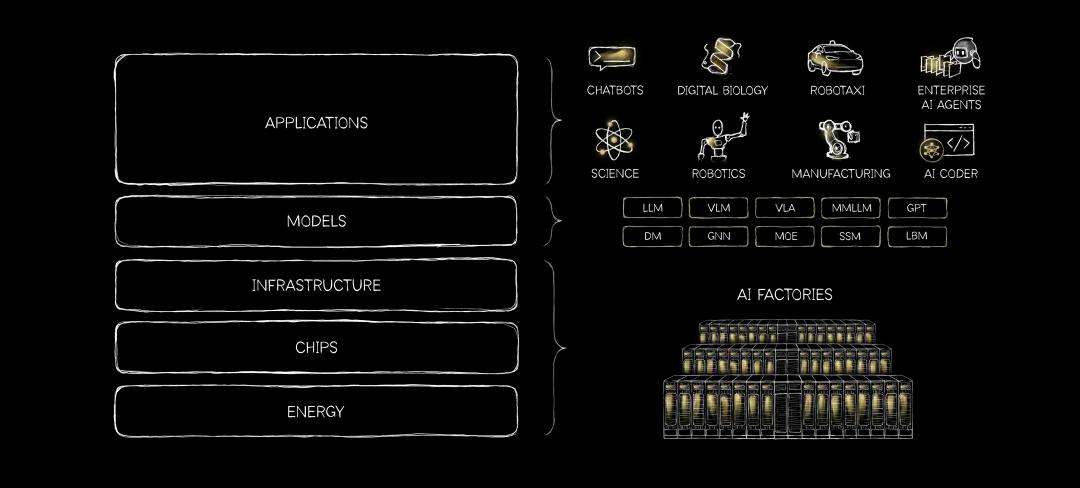
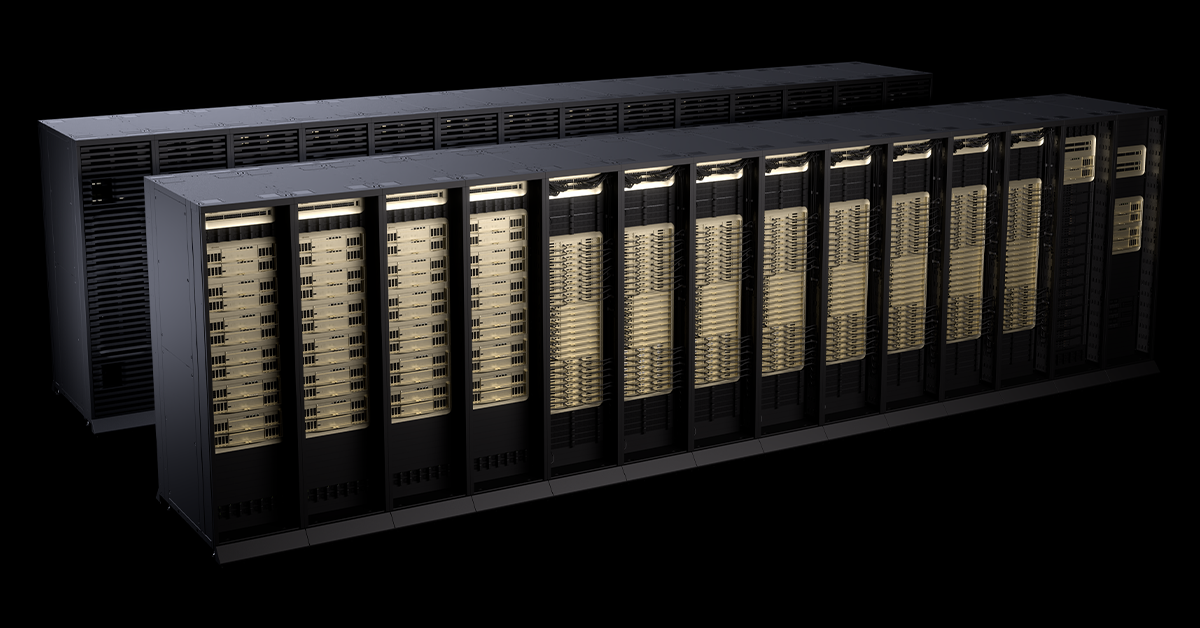
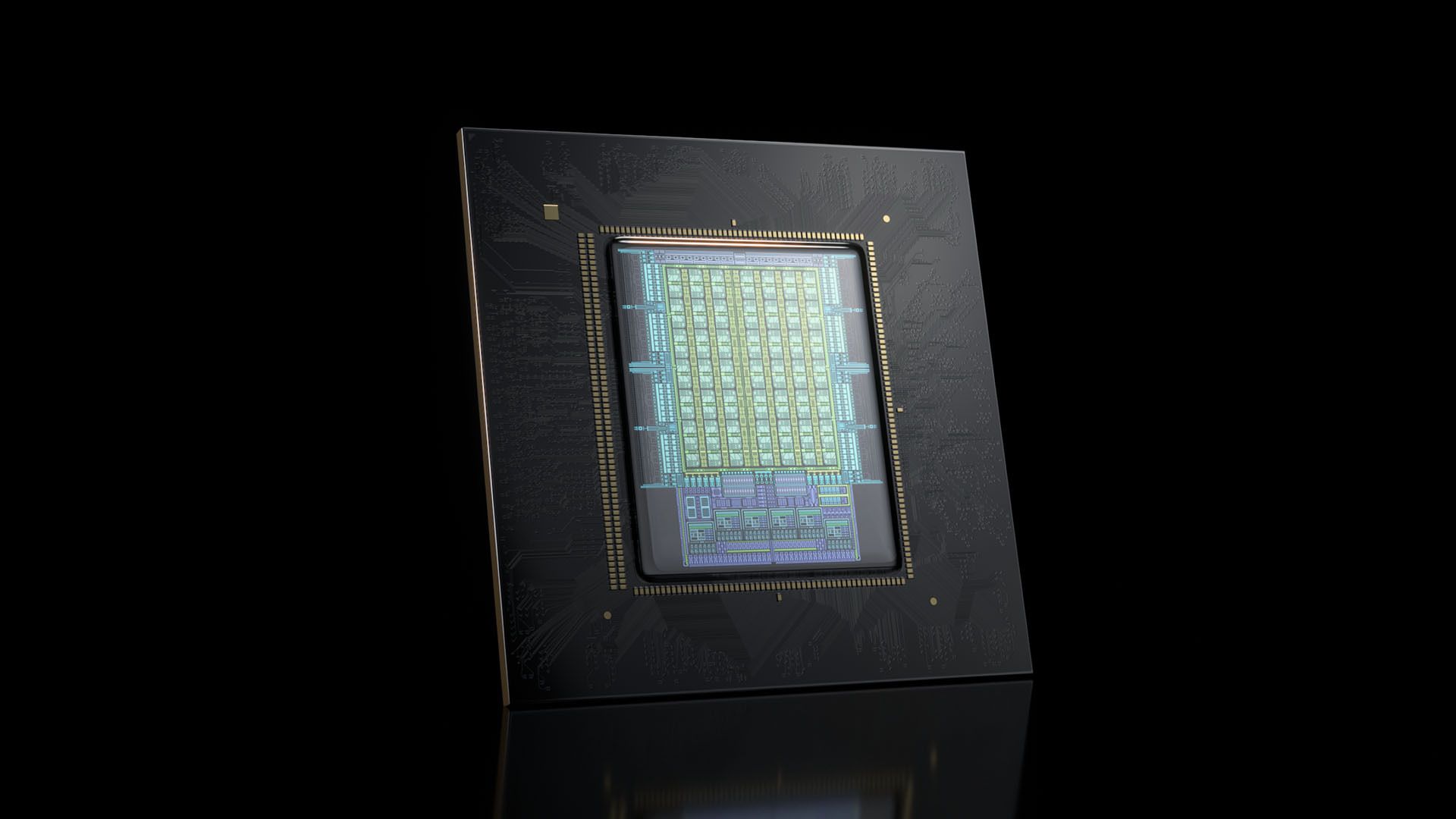
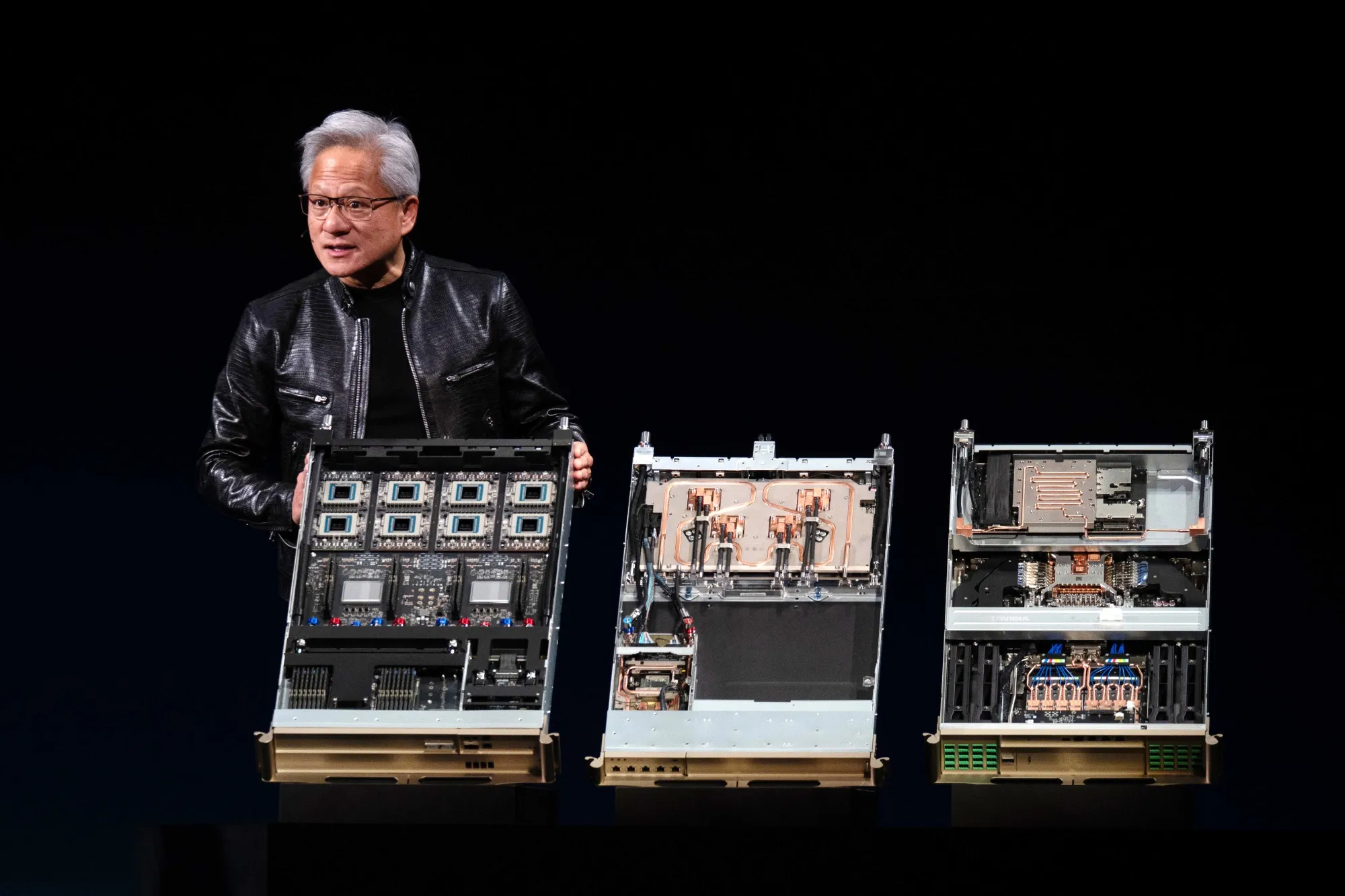
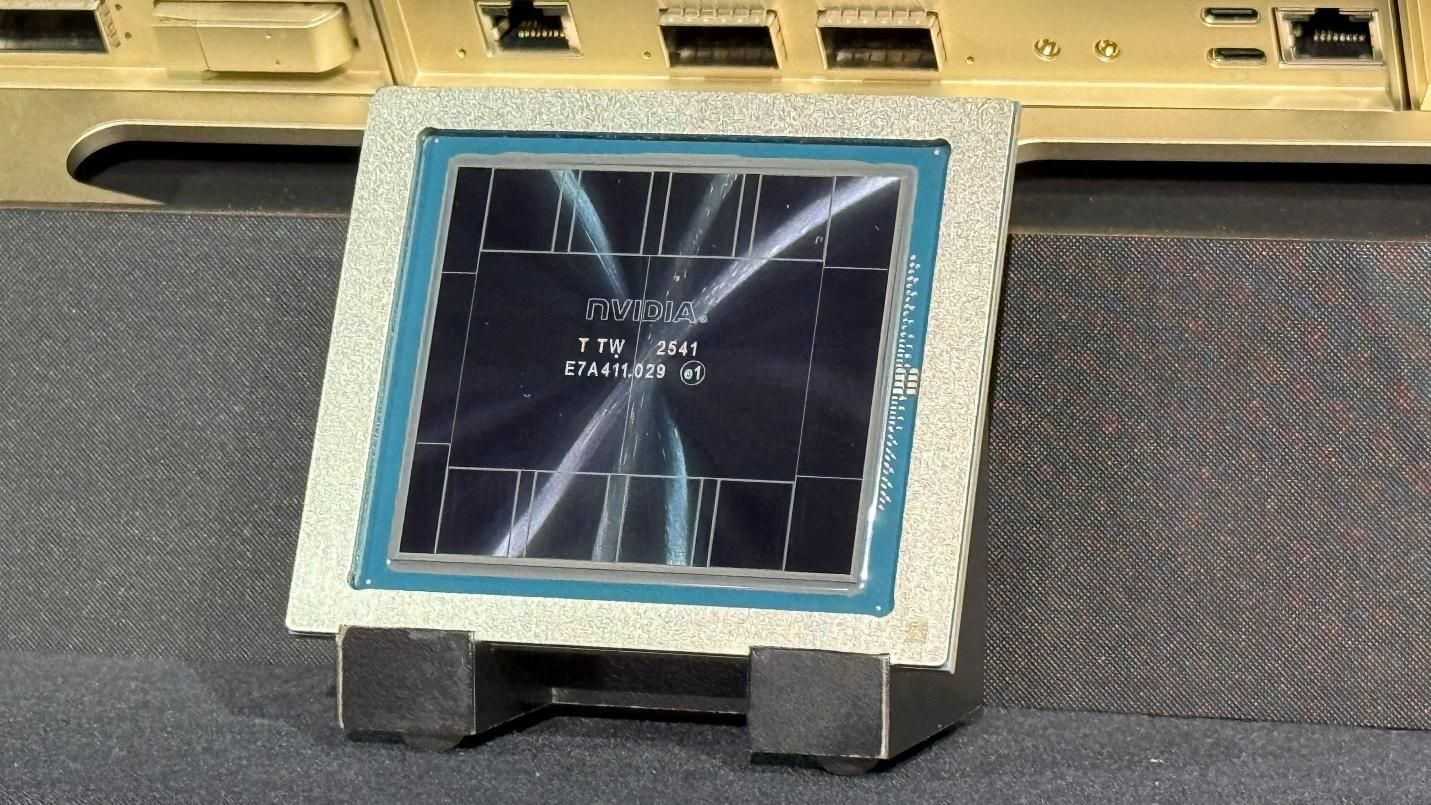
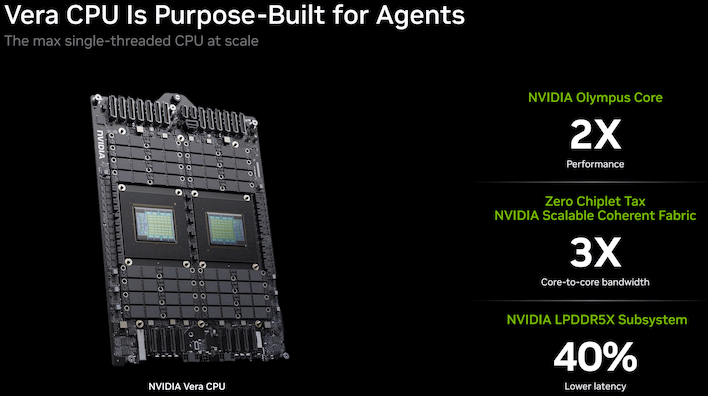
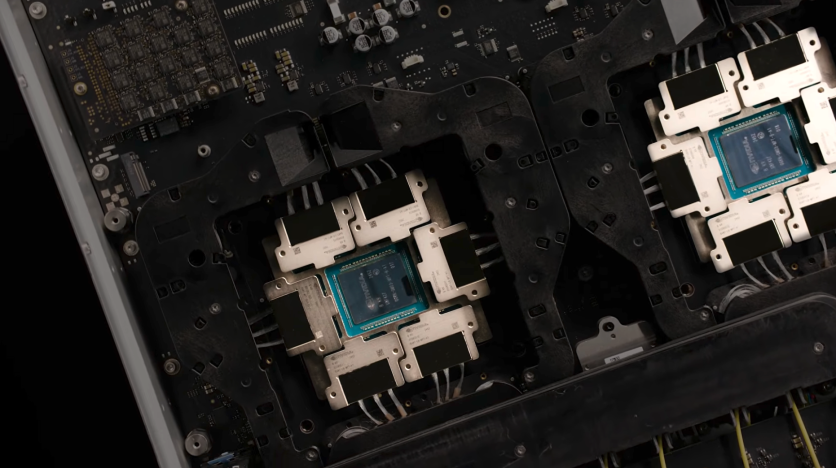
Nvidia's launch of the Vera CPU and integrated Vera Rubin platform represents a fundamental shift in AI infrastructure economics that will directly impact e-commerce sellers' cloud computing costs and operational efficiency. The Vera chip, delivered to OpenAI, Anthropic, and SpaceX in June 2026, claims 50% better performance than x86 processors for AI agent workloads while operating at 250-450 watts with support for 1.5TB of low-power memory per chip. Wolfe Research estimates the average selling price at $5,000 per chip with projected 1.3 million unit shipments in 2026, positioning the broader server CPU market to expand from $37 billion to potentially $200 billion. This vertical integration strategy—combining CPUs and GPUs into the unified Vera Rubin ecosystem—consolidates what were previously multi-vendor procurement decisions, fundamentally altering cloud infrastructure economics for e-commerce platforms.
For cross-border e-commerce sellers, this consolidation creates immediate cost pressures and strategic decisions. Sellers utilizing cloud infrastructure for AI-powered operations (product recommendations, dynamic pricing, inventory forecasting, customer service automation) face two scenarios: (1) Adopt Nvidia's integrated Vera Rubin platform and benefit from optimized performance but accept vendor lock-in and potential 10-20% cost premiums during the adoption phase, or (2) maintain multi-vendor strategies with AMD (33% server CPU market share) and Intel (66.8% share) but risk performance disadvantages as hyperscalers migrate to Vera-optimized infrastructure. The news explicitly notes that "for cross-border e-commerce sellers utilizing AI infrastructure, this consolidation could impact cloud computing costs and availability," signaling immediate operational implications. Sellers operating high-volume operations (1000+ daily transactions) relying on real-time AI analytics for pricing optimization, inventory management, and personalization will experience the most acute cost impacts, potentially facing 15-25% infrastructure cost increases if cloud providers pass through Vera adoption costs.
The strategic opportunity lies in AI automation ROI optimization before infrastructure costs rise. Sellers should immediately audit their cloud infrastructure usage and AI tool dependencies: identify which AI-powered operations deliver measurable ROI (e.g., dynamic pricing generating 8-12% margin improvement, recommendation engines driving 15-20% conversion lift), then prioritize these for optimization before Q2 2026 when Vera-based infrastructure becomes standard. The consolidation also creates a competitive moat for sellers who adopt Vera-optimized AI tools early—those implementing Vera-native product recommendation engines, demand forecasting models, or customer service automation will achieve 30-40% faster inference times and lower latency, enabling real-time personalization that competitors using legacy infrastructure cannot match. Additionally, the $5,000 per-chip pricing and 1.3M unit shipment forecast suggest initial supply constraints through 2026, creating a 6-12 month window where sellers can negotiate favorable cloud infrastructure pricing with providers still operating on AMD/Intel capacity before Vera becomes the default standard.
Questions 8
What AI-powered e-commerce operations will benefit most from Vera CPU's 50% performance improvement?
Vera's architecture prioritizes single-core speed, high memory bandwidth, and low latency—optimizing for real-time AI inference rather than batch processing. E-commerce operations that benefit most include: (1) Dynamic pricing engines that adjust prices based on competitor data, inventory levels, and demand signals in real-time (typical 200-500ms latency requirements), (2) Product recommendation systems requiring sub-100ms response times for personalization at scale, (3) Real-time inventory forecasting for multi-channel sellers managing 1000+ SKUs, and (4) Customer service chatbots requiring immediate response generation. Sellers operating high-volume operations (10,000+ daily transactions) will see the most dramatic ROI from Vera's latency improvements—potentially reducing inference costs by 30-40% while improving customer experience metrics. Smaller sellers (100-500 daily transactions) may not justify the infrastructure migration costs until cloud providers standardize on Vera pricing.
Should I switch to Nvidia's Vera Rubin platform or maintain multi-vendor cloud infrastructure?
This depends on your AI infrastructure usage intensity and competitive positioning. Vera Rubin offers 50% better performance for AI agent workloads and optimized single-core speed for low-latency operations, making it ideal for sellers running real-time personalization, dynamic pricing, or customer service automation. However, adopting Vera creates vendor lock-in risk—Nvidia controls both CPU and GPU layers, potentially limiting negotiating power on pricing. Multi-vendor strategies (AMD holds 33% server CPU market share, Intel 66.8%) provide flexibility but may result in performance disadvantages as hyperscalers optimize infrastructure for Vera. Recommendation: Audit your AI tool dependencies now. If 40%+ of your infrastructure costs support AI operations with measurable ROI (8%+ margin improvement), prioritize Vera adoption. If AI represents <20% of infrastructure costs, maintain multi-vendor flexibility through 2026.